By Julie Jeliazovski | Project Advisor
SOIL is committed to fully treating 100% of the wastes from each and every household EkoLakay toilet – and we take that responsibility very seriously!
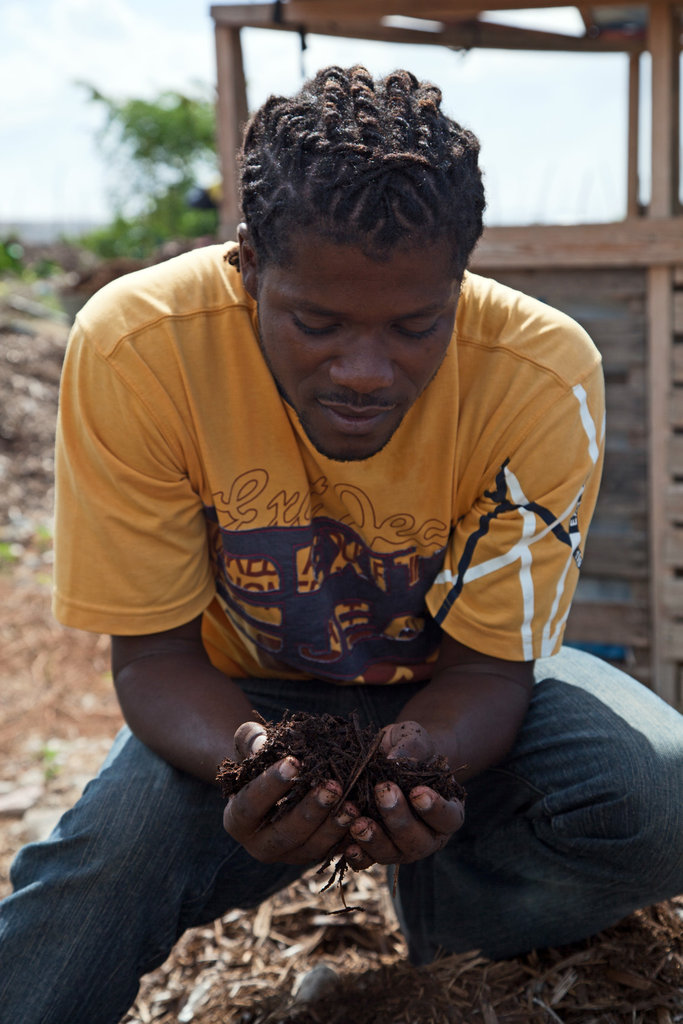
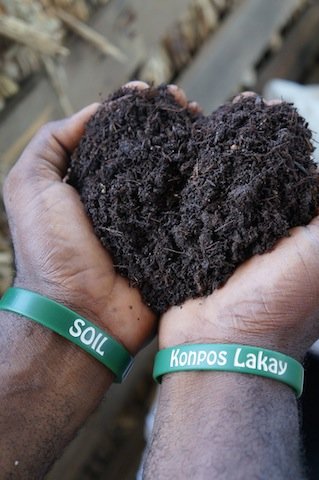
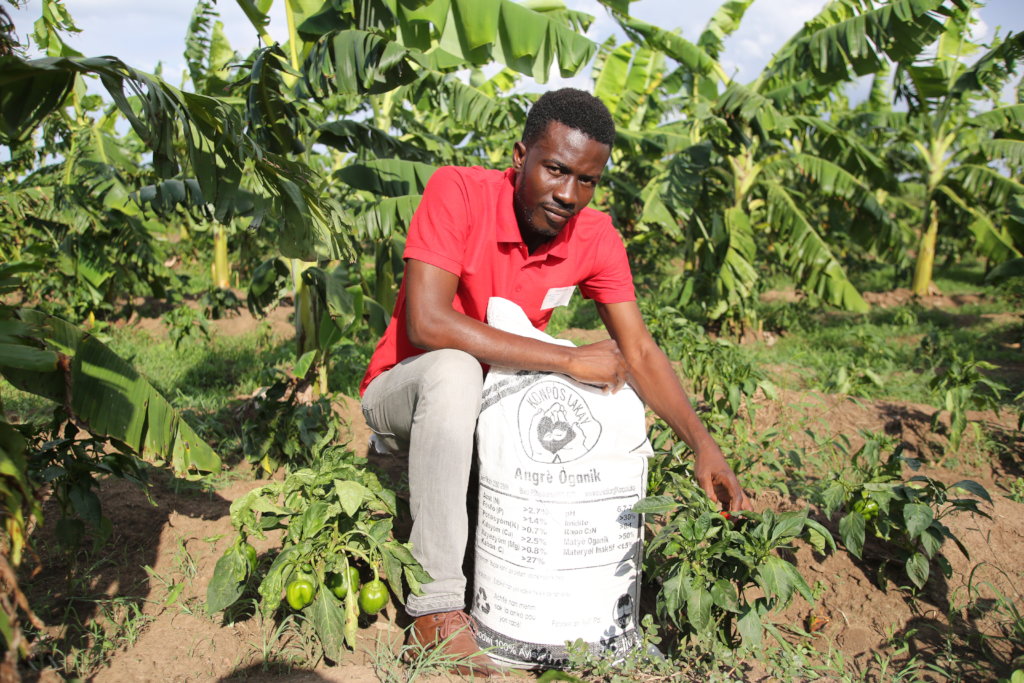
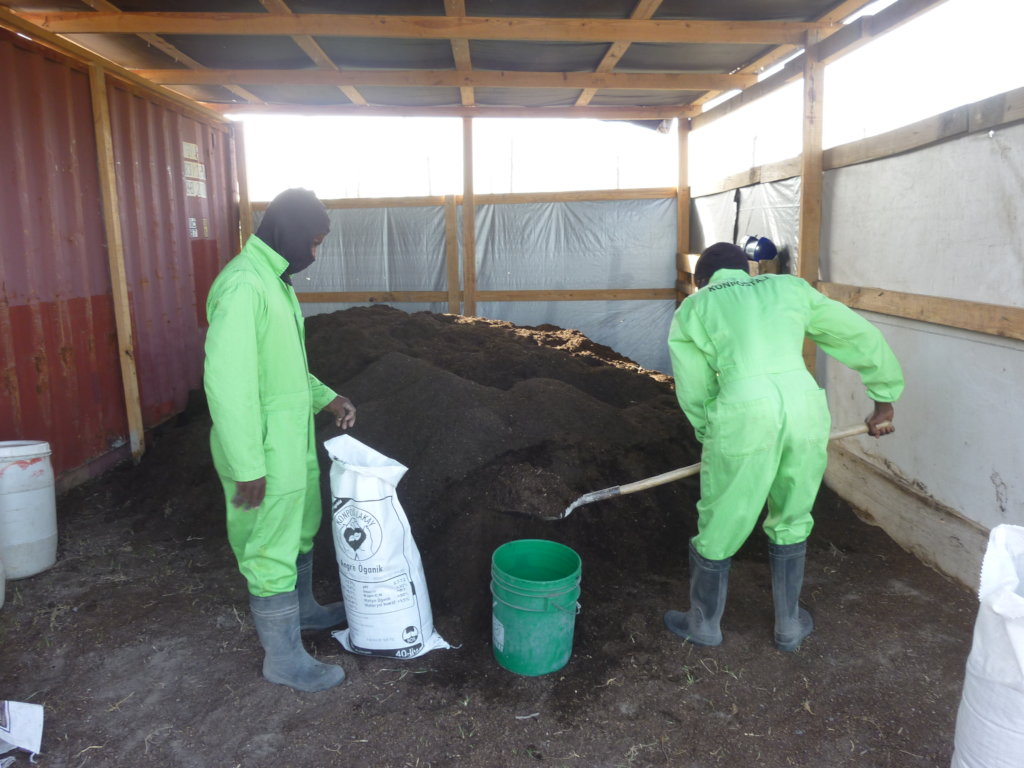
Our treatment process has been developed alongside global experts and exceeds standards set by the World Health Organization for the safe treatment of human waste. Once the collected waste from the sanitation service has been treated and transformed into compost at one of SOIL’s two composting sites in Haiti, we sell the compost, Konpòs Lakay, across the country with a guarantee that it’s pathogen free. But how do we know?
Ensuring Pathogenic Die Off
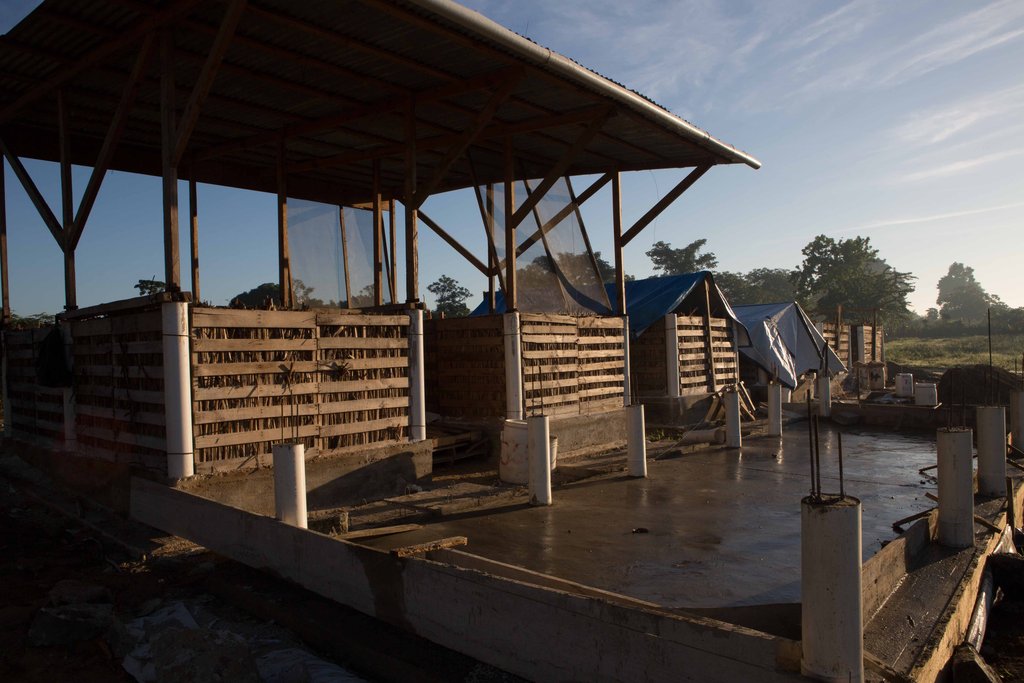
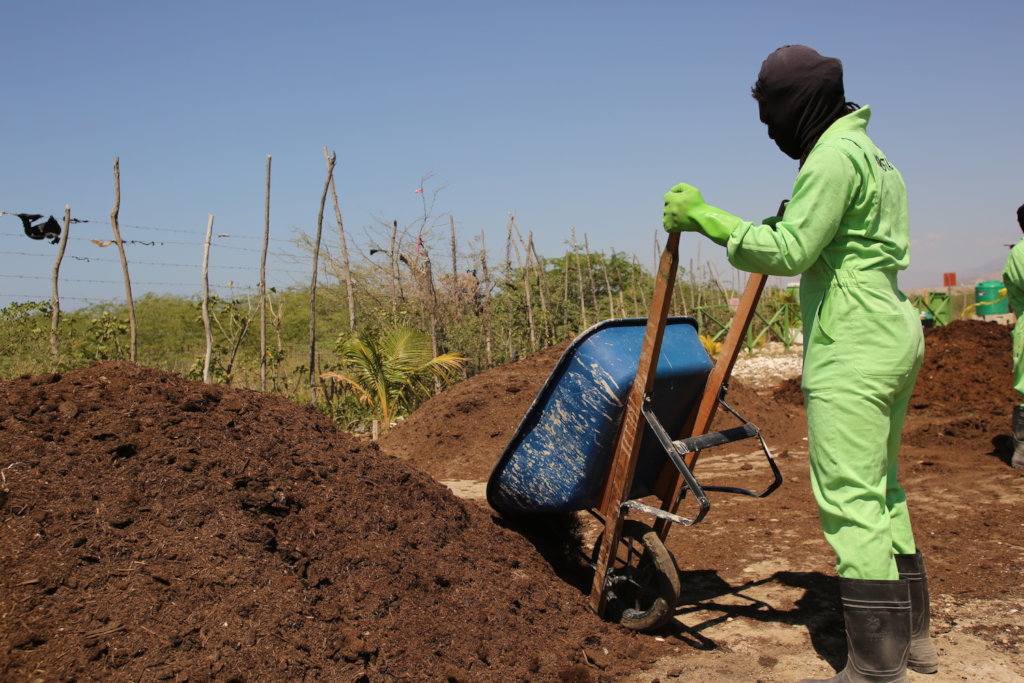
SOIL tests for pathogens two times throughout composting transformation process, which takes between six and nine months to complete. After the first two months, we test the decomposing waste, and if it is found to be pathogen-free, it moves on to complete the transformation process in windrows. Then, before being sieved and bagged for sale, we test the compost one last time. But instead of testing for every type of pathogen that could potentially be present, we test for what are referred to as indicator pathogens, or pathogens that are more resistant than others. This means that if those pathogens have been killed off, we can be confident that the rest of the weaker pathogens have also been eliminated.
For bacteria, this indicator is E. coli. This bacterium is naturally present in intestines, where it’s harmless, but it becomes pathogenic in other parts of the digestive system. E. coli is highly concentrated in feces, and contrary to what many people might anticipate, it’s actually much more resistant than other bacteria, like the one that spreads cholera. For helminths, or worms, the indicator we use is Ascaris. It is endemic in Haiti, and causes an intestinal disease called Ascariasis. Whereas most labs in Haiti can easily test for the presence of E. coli, Ascaris eggs prove to be more of a challenge. The labs here are capable of identifying the presence of Ascaris eggs in a sample, but there aren’t any that can assess whether or not the eggs are viable. Yet this viability is what’s important when you’re testing whether or not a worm has been killed off by the thermophilic stage of the composting process.
Partnering with the CDC and Eurofins to Test Konpòs Lakay Compost
In 2015, the Center for Disease Control (CDC) conducted research on SOIL’s composting process to determine if these pathogens, E. coli and Ascaris, were efficiently eliminated by these thermophilic conditions in the compost piles. The results demonstrated that all pathogens were eliminated within 16 weeks of treatment. To put that in perspective, SOIL’s process currently lasts a minimum of 27 weeks.
Due to the difficulty of regularly sending samples abroad, SOIL has since then focused on regularly monitoring E. coli presence in the compost, while relying on the findings from the CDC study when it came to Ascaris elimination. But, as a research and development organization working to develop open source solutions to the sanitation crisis, SOIL is dedicated to continuously gathering rigorous data, as we’re able, to test the efficacy of our treatment systems. So, when Eurofins generously offered to test new samples for us, we of course said yes.
The Results Are In
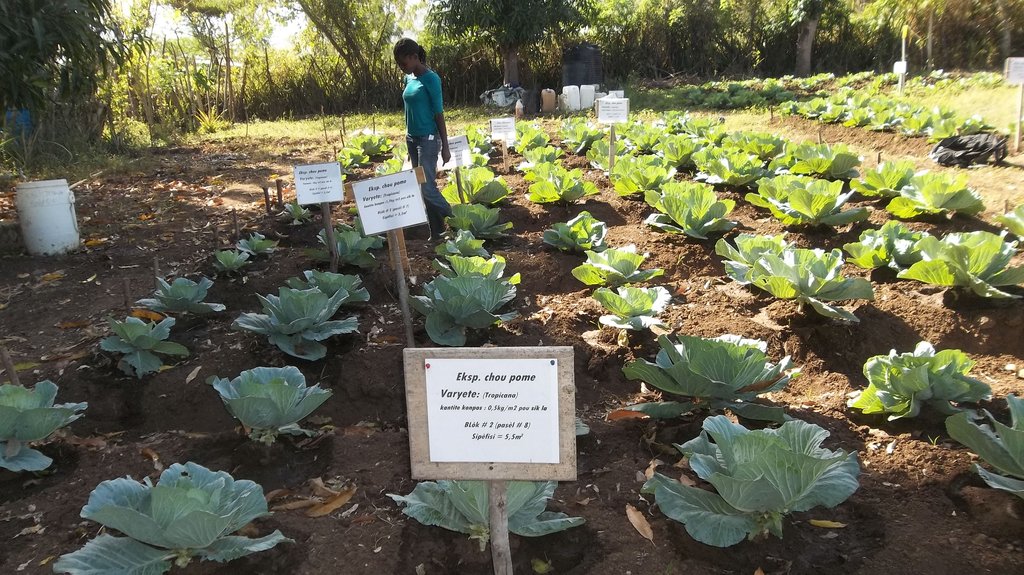
SOIL is pleased to report that the Eurofins labs found no viable Ascaris worms in the Konpòs Lakay compost sample they analyzed. This means they had all been successfully killed off through the composting process and that Konpòs Lakay compost can be safely added to soil to grow plants and food alike without any risk to public health.
We’re hopeful that a Haitian lab facility will soon be able to test for helminth, or worm, viability, but in the mean time we will keep testing for E. coli throughout the process and are committed to sending our compost to international labs at least once a year.
Project reports on GlobalGiving are posted directly to globalgiving.org by Project Leaders as they are completed, generally every 3-4 months. To protect the integrity of these documents, GlobalGiving does not alter them; therefore you may find some language or formatting issues.
If you donate to this project or have donated to this project, you can receive an email when this project posts a report. You can also subscribe for reports without donating.



Support this important cause by creating a personalized fundraising page.
Start a Fundraiser