By Leah Page | Development Director
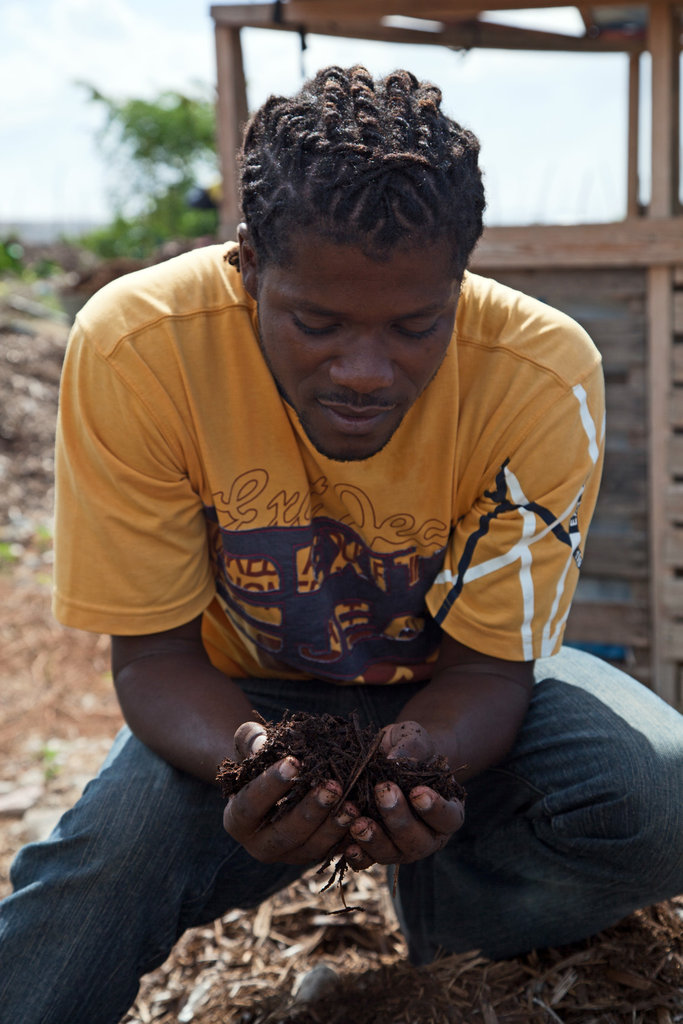
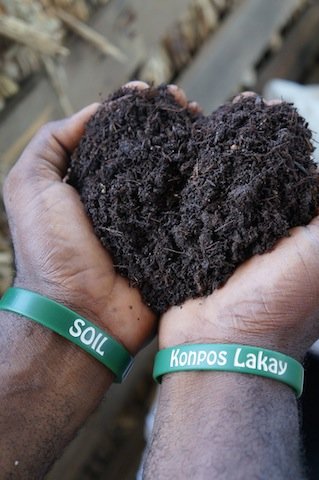
Ecological sanitation (EcoSan) is a process by which human wastes are converted into valuable compost. SOIL’s use of EcoSan simultaneously tackles some of Haiti’s toughest challenges by providing sanitation to people who would otherwise have no access to a toilet and producing an endless supply of rich, organic compost critical for agriculture and reforestation.
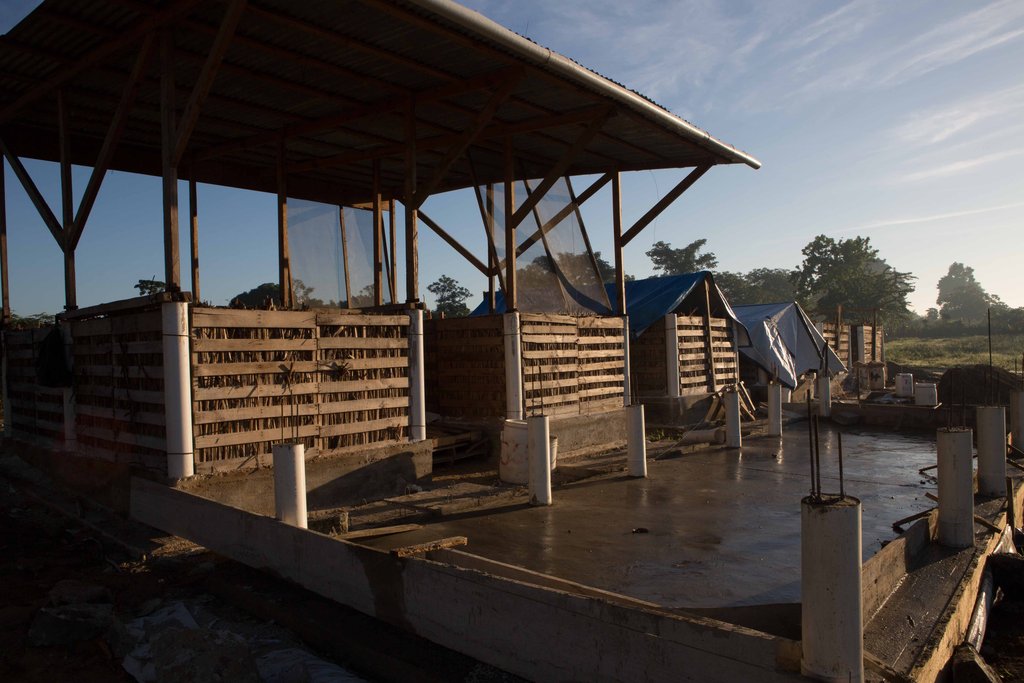
Since building Haiti’s first EcoSan toilet in 2006 and first waste treatment facility in 2009, SOIL has gone on to become one of the country’s most well-respected non-profit organizations. SOIL’s EcoSan waste treatment facilities (in Cap-Haitien and Port-au-Prince) now treat more than 20,000 gallons of human waste per month, providing a powerful example of how to affordably and effectively increase access to sustainable sanitation services worldwide.
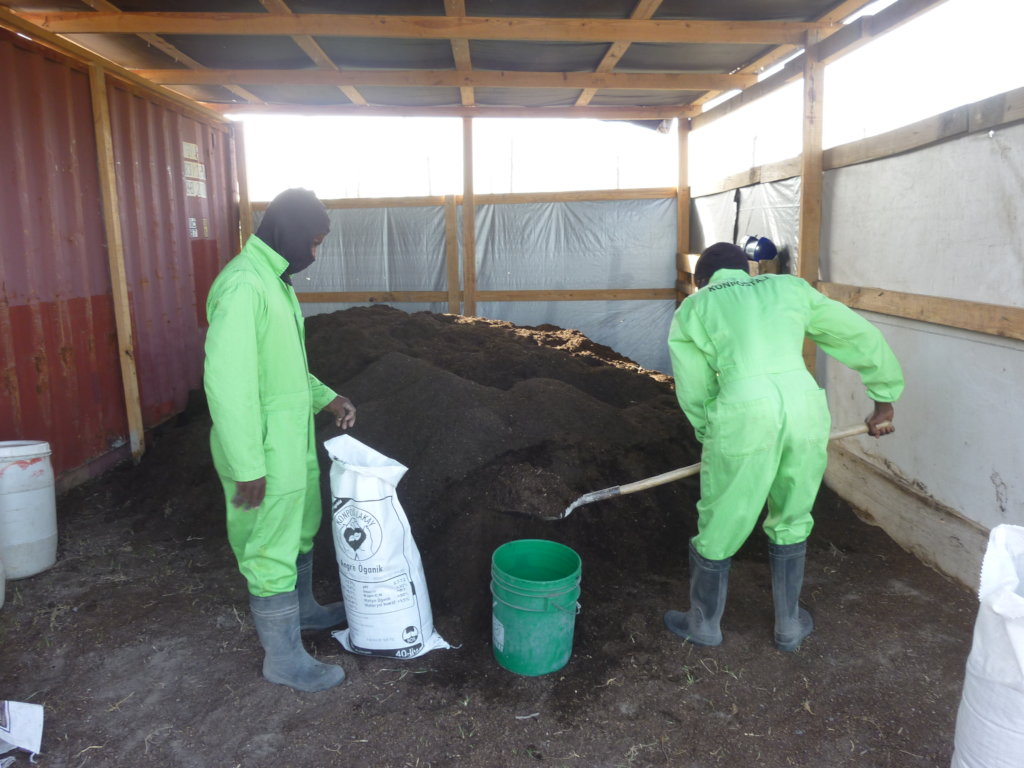
Thanks to your early support of SOIL’s efforts to increase production of EcoSan compost in Haiti, over the past few months we’ve been working at expanding the waste treatment capacity at our composting facilities in Cap-Haitien and Port-au-Prince. And as we produce more and more compost each month we now have a wonderful problem of having to find out what to do with it!
Compost Sales Support Sustainable Sanitation
In order to get more compost into the hands of Haitian farmers, increase demand for ecological sanitation, and generate a sustainable source of income to support the scale-up of these sanitation solutions across the country, SOIL is actively working to spread awareness about the benefits of using compost in Haiti. An early win in this effort came in May 2013, when Brana and its parent company, Heineken, committed to purchasing $30,000 worth of SOIL’s EcoSan compost for distribution to Haitian farmers cultivating crops used in making Heineken beverages in Haiti. While Heineken’s Haitian Corporate Social Responsibility office was an exciting early adopter, we believe that more work needs to be done in order to support market demand for EcoSan compost in Haiti.
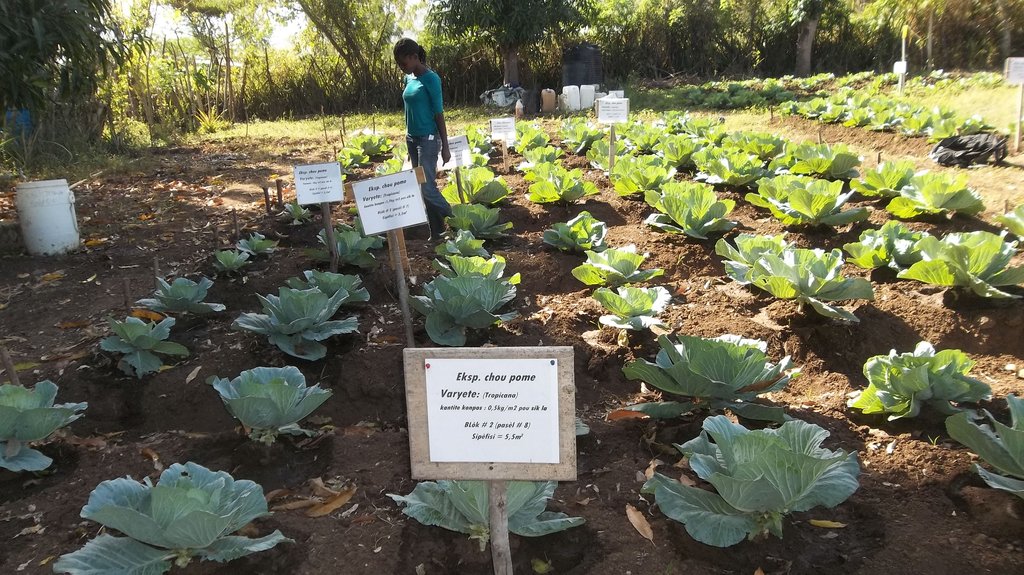
In support of this goal, SOIL has recently been expanding agricultural experiments comparing EcoSan compost to other soil amendments at our research farms in Port-au-Prince and Limonade (outside of Cap-Haitien). Findings from these experiments are used to promote the benefits of compost use, train local farmers on how to increase their yields, and provide better instructions for the optimal use of SOIL compost with different crop varieties.
Early Impact Results
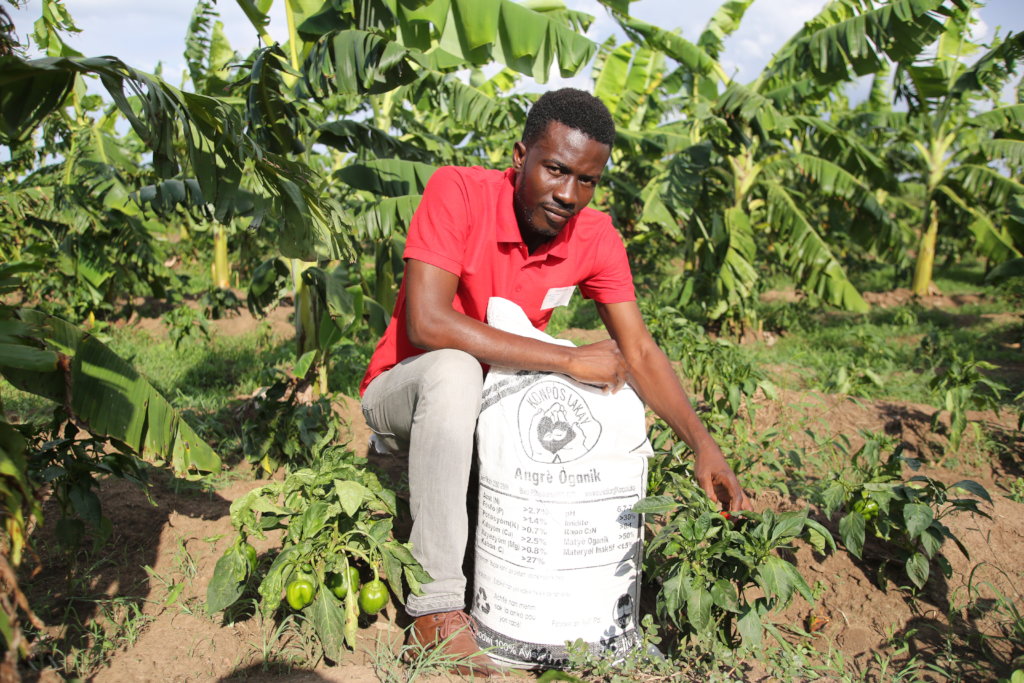
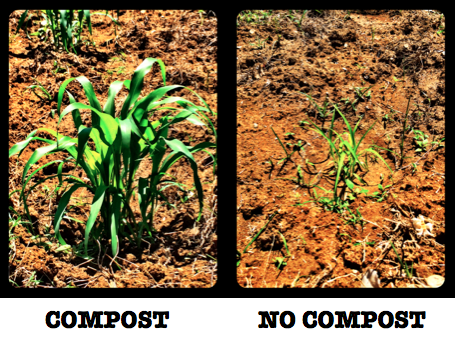
Given the baseline depleted quality of Haiti’s agricultural soil, EcoSan compost was shown to increase plant health and crop yields across species. In addition, initial findings from this project also demonstrate that there are significant economic benefits to applying EcoSan compost. For example, an analysis of sweet pepper cultivation that took into account the cost of the compost (at SOIL’s current price point) and the potential revenue increase generated by selling more peppers showed that applying SOIL compost could increase a farmer’s profits – by over $5,000 per hectare.
Stay Involved:
We hope that you will stay connected with our work in Haiti by joining SOIL on Facebook, Twitter, and Instagram.
Also, through May 10, 2014, all donations to SOIL will be matched $1 for $1. Help us meet the growing demand for SOIL’s sanitation services in Haiti!
Links:
Project reports on GlobalGiving are posted directly to globalgiving.org by Project Leaders as they are completed, generally every 3-4 months. To protect the integrity of these documents, GlobalGiving does not alter them; therefore you may find some language or formatting issues.
If you donate to this project or have donated to this project, you can receive an email when this project posts a report. You can also subscribe for reports without donating.



Support this important cause by creating a personalized fundraising page.
Start a Fundraiser