By Gavin McNicol | SOIL Research Partner
Stajye Klim ak Konpòs: Introducing SOIL’s first Climate and Compost Research Fellows!
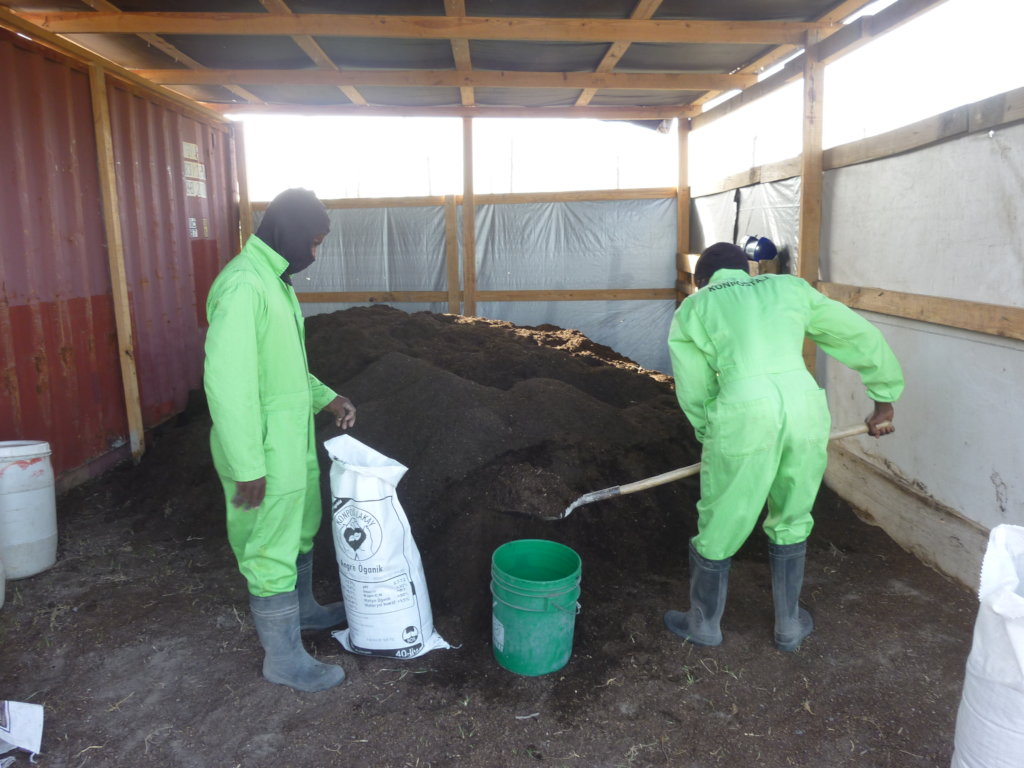
Every day, SOIL is showing that ecological sanitation (EcoSan) can provide an impressive array of sustainability benefits. SOIL’s EcoSan model provides dignified sanitation, removes harmful pathogens from the environment, and recycles waste into nutrient-rich compost. Recently, scientists have also started evaluating whether ecological sanitation could be a way to combat climate change, as well.
There are a few key ways EcoSan could be beneficial for slowing or mitigating climate change:
SOIL is partnering with two researchers at the University of Hawai‘i at Manoa, to do new scientific research that explores these climate impacts in depth and to quantify the climate benefits of transforming human waste into compost.
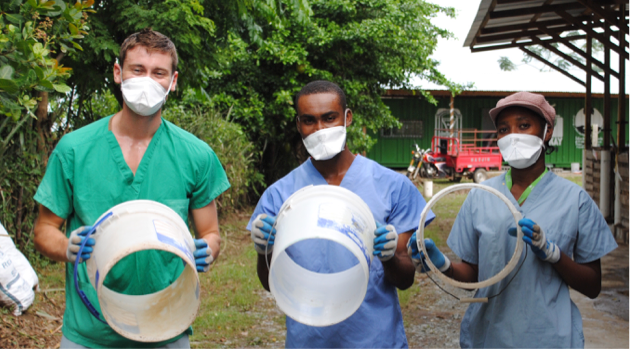
To support this research, we are launching a new internship program at SOIL called Stajye Klim ak Konpòs (Climate and Compost Research Fellows). The interns are an integral part of the SOIL research team. They will be trained in the latest scientific methods, participate in the field collection of greenhouse gas emissions, conduct laboratory analyses, and manage data.

We are excited to introduce our first cohort of fellows:
Léon, Research Supervisor
Léon started working as SOIL’s lab manager after receiving his Biomedical Laboratory license from the Institute Superior de Technologie Medical du Cap-Haitien at the Justinien Hospital University seven months ago. His primary responsibilities as lab manager are organizing the weekly analyses of compost piles for pathogen and nutrients. As part of the new Fellowship program Léon will now become a Research Supervisor and will be organizing and overseeing the collection of gas samples that will be used to understand the climate mitigation effects of SOIL’s waste treatment process.
Léon shared his vision for SOIL as a global leader in combatting climate change:
‘SOIL can become a model for climate management and offer global solutions by drawing on the results of local experience and experiments. The effectiveness of the work at SOIL is already a testament to the idea that we can make progress every day…
[SOIL] can become a place where we all can work to bring solutions not only for people, but also for nature. I think this is a great service we can provide for the country and the world.’
Darline, Research Intern
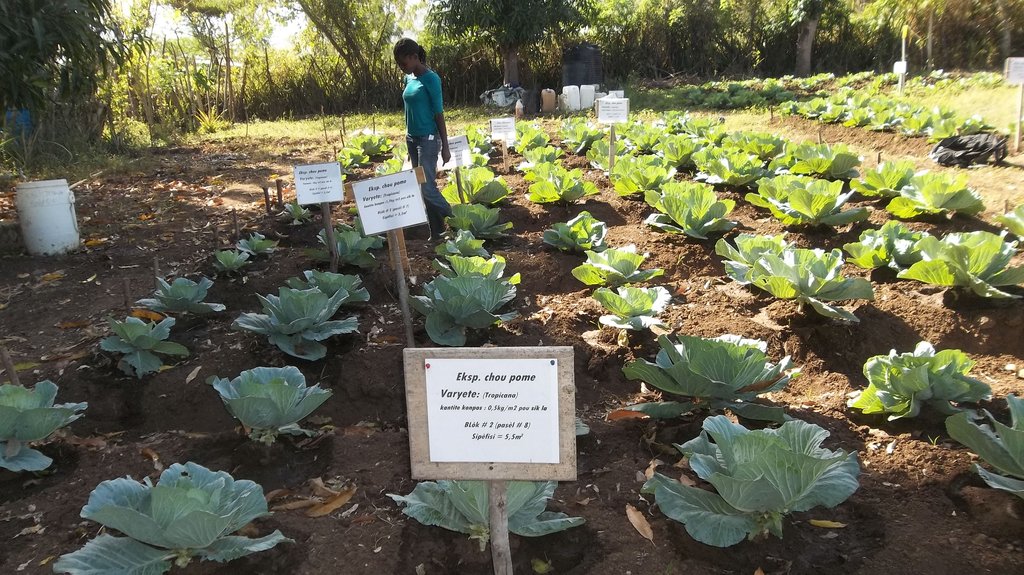
Darline, 27, is a student at the Universitè Antènor Firmin Cap-Haïtien where she is completing a 5-year program in Agronomic Sciences. Her 3-4 months as a Research Intern at SOIL are part of a practical year of technical and field experience for her degree. When we asked Darline why she chose to study agronomy, she said:
‘My study of agronomy is closely related to my professional ambitions. I would like to find professional work in my area of learning, and I would like to further advance my studies so I can be of most use to my community.’
Junior, Research Intern:
Junior, 27, a classmate of Darline and recent graduate from the Universitè Antènor Firmin Cap-Haïtien had this to say about his internship at SOIL:
‘I am grateful for the opportunity to become a SOIL employee. Looking to my future, I aim to use my knowledge and skills to assist institutions or organizations that want to use my services. I also aim to deepen my knowledge in my particular area of study, which is agronomy.’
Project reports on GlobalGiving are posted directly to globalgiving.org by Project Leaders as they are completed, generally every 3-4 months. To protect the integrity of these documents, GlobalGiving does not alter them; therefore you may find some language or formatting issues.
If you donate to this project or have donated to this project, you can receive an email when this project posts a report. You can also subscribe for reports without donating.



Support this important cause by creating a personalized fundraising page.
Start a Fundraiser