By Monika Roy | SOIL Advisor
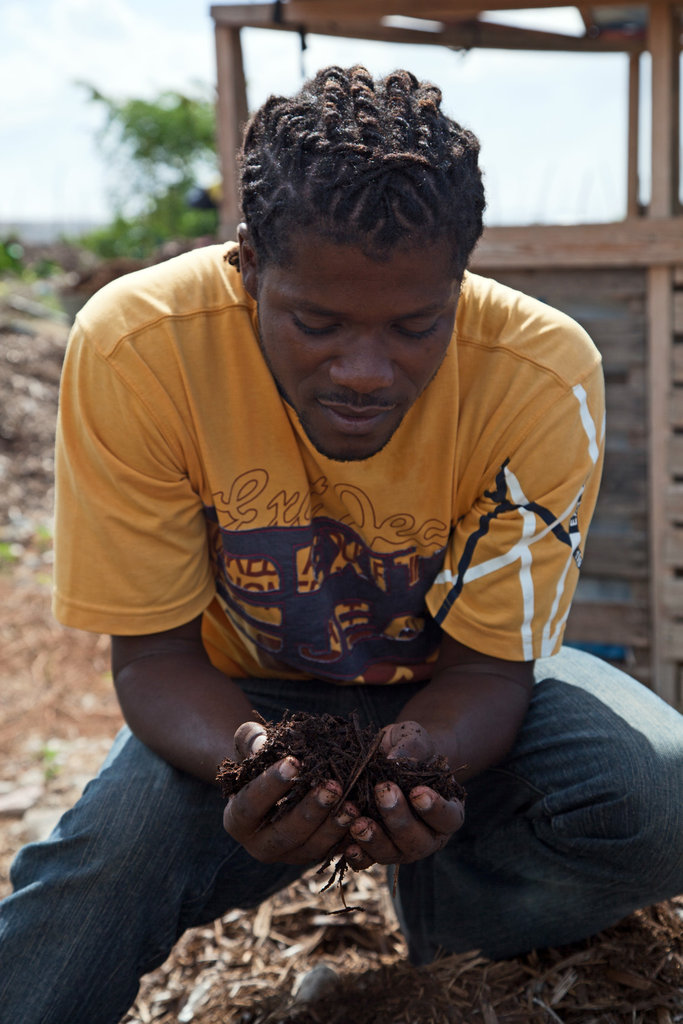
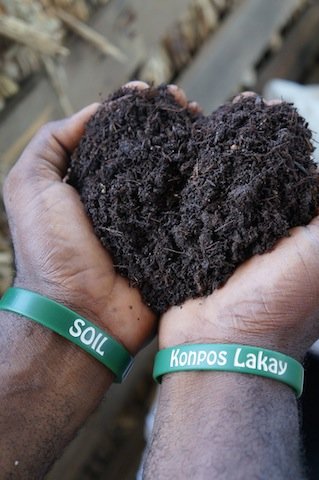
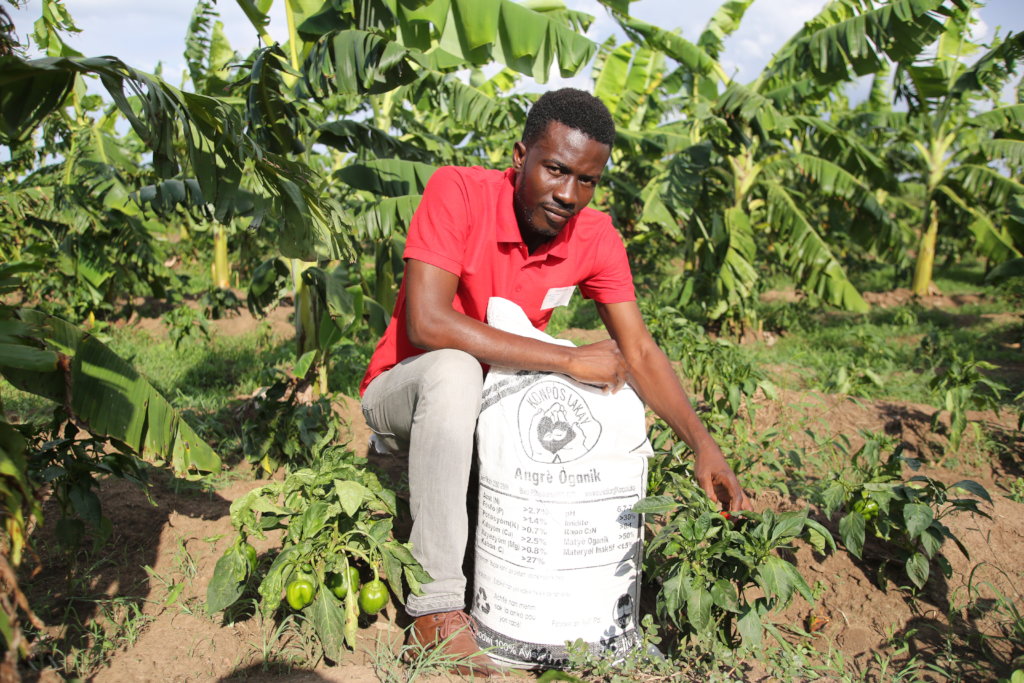
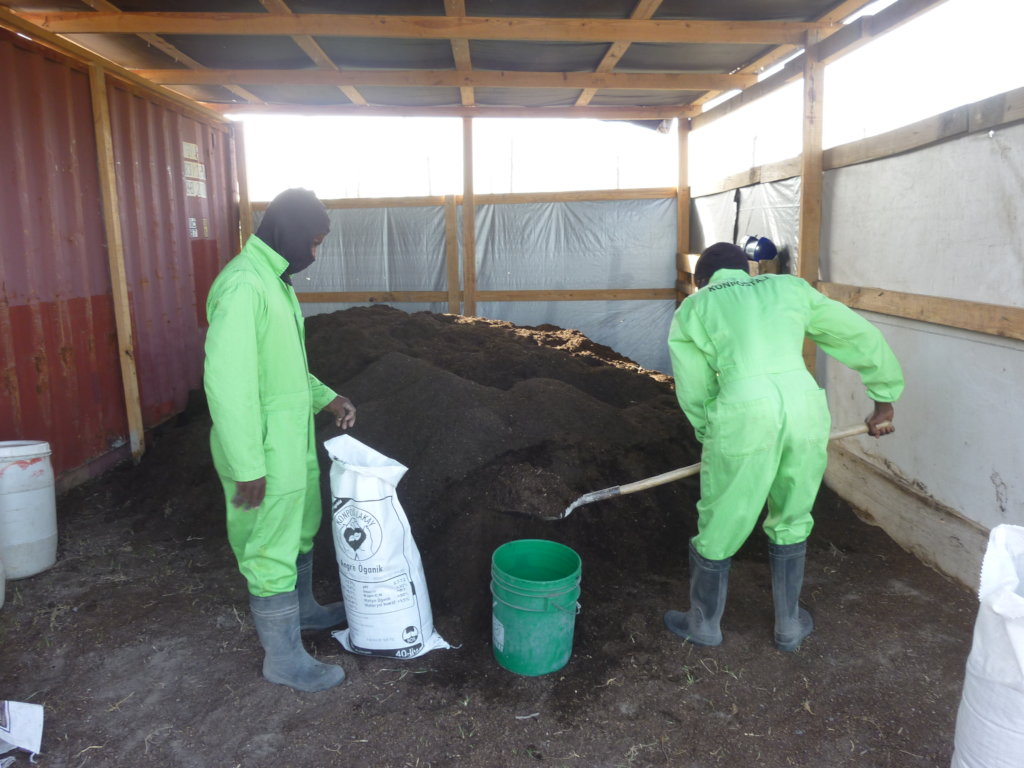
At SOIL, we love teaming up with scientists to explore how ecological sanitation works. And one of the main pillars of our ecological sanitation operation is transforming environment-polluting poop into nutrient-rich compost. To do this, we follow the World Health Organization (WHO) standards for human waste composting – creating piles with the ideal ratio of poop to cover material so that natural heat-tolerant bacteria will get to work and break the materials down and destroy pathogens. These piles get hot! At peak temperatures, an average pile will reach 160 degrees Fahrenheit, far surpassing the WHO’s recommended threshold.

Figure. Proportion of microbial community derived from untreated source material (buckets) samples throughout the composting process.
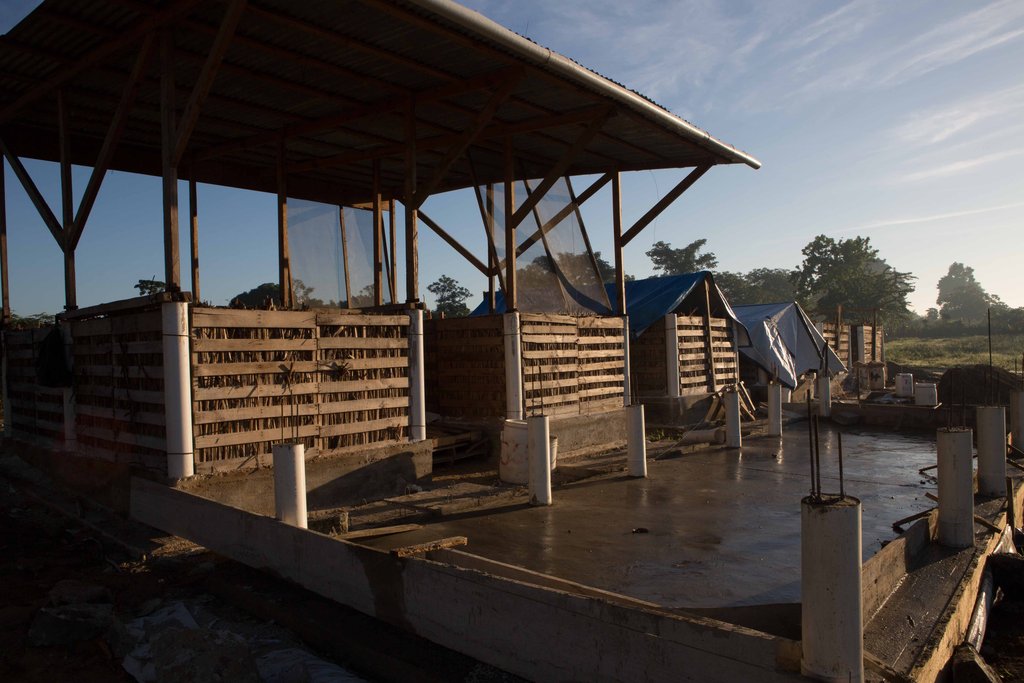
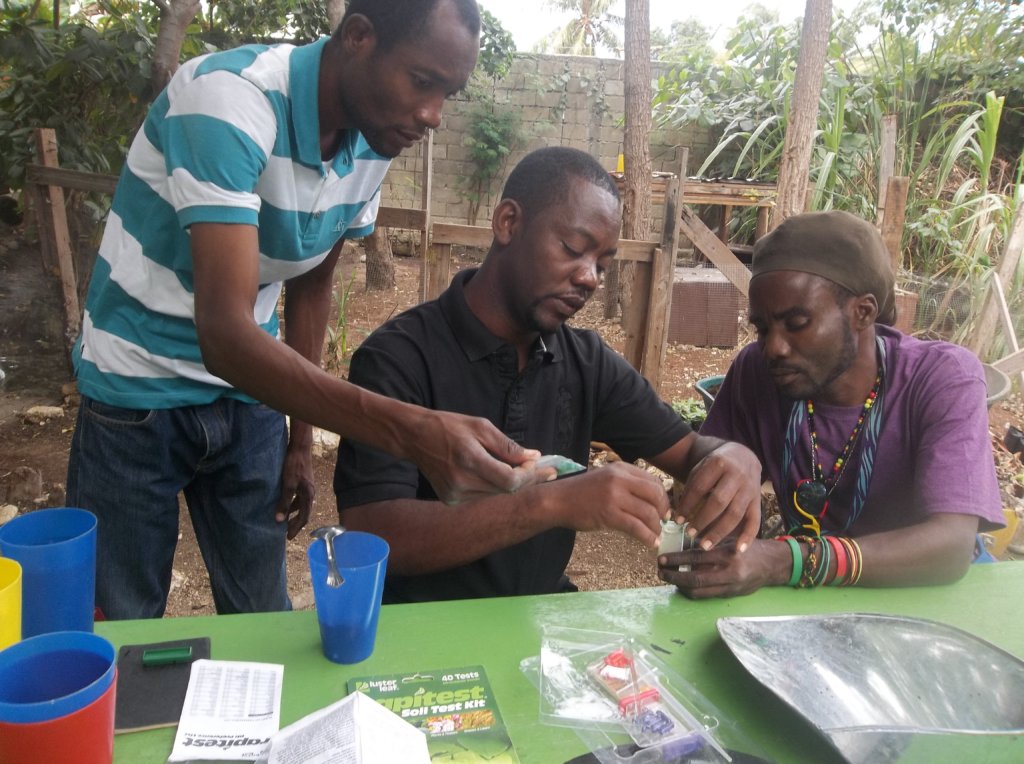
A few years ago, we teamed up with scientists at UC Berkeley to understand what pathogen communities live in SOIL’s compost piles, and how well they tolerate the heat. We took samples from our compost piles in Haiti at several stages of decomposition, extracted the DNA, and sent it off to California for analysis on a device called a PhyloChip. While we assumed that our compost was pathogen-free after reaching such high temperatures, the data from this work confirmed that, telling us that pathogenic bacterial families like E. coli were eliminated while the heat-tolerant “good” bacteria were increased. More details about this work can be found in the full PloS One journal article:
Piceno YM, Pecora-Black G, Kramer S, Roy M, Reid FC, Dubinsky EA, et al. (2017) Bacterial community structure transformed after thermophilically composting human waste in Haiti. PLoS ONE 12(6): e0177626. https://doi.org/ 10.1371/journal.pone.0177626
Huge thank you to our fellow researchers at the Lawrence Berkeley National Laboratory, University of California – Berkeley, and University of California – Davis, for making this paper possible!
Links:
Project reports on GlobalGiving are posted directly to globalgiving.org by Project Leaders as they are completed, generally every 3-4 months. To protect the integrity of these documents, GlobalGiving does not alter them; therefore you may find some language or formatting issues.
If you donate to this project or have donated to this project, you can receive an email when this project posts a report. You can also subscribe for reports without donating.



Support this important cause by creating a personalized fundraising page.
Start a Fundraiser