By Alexandra Land | Communications Manager
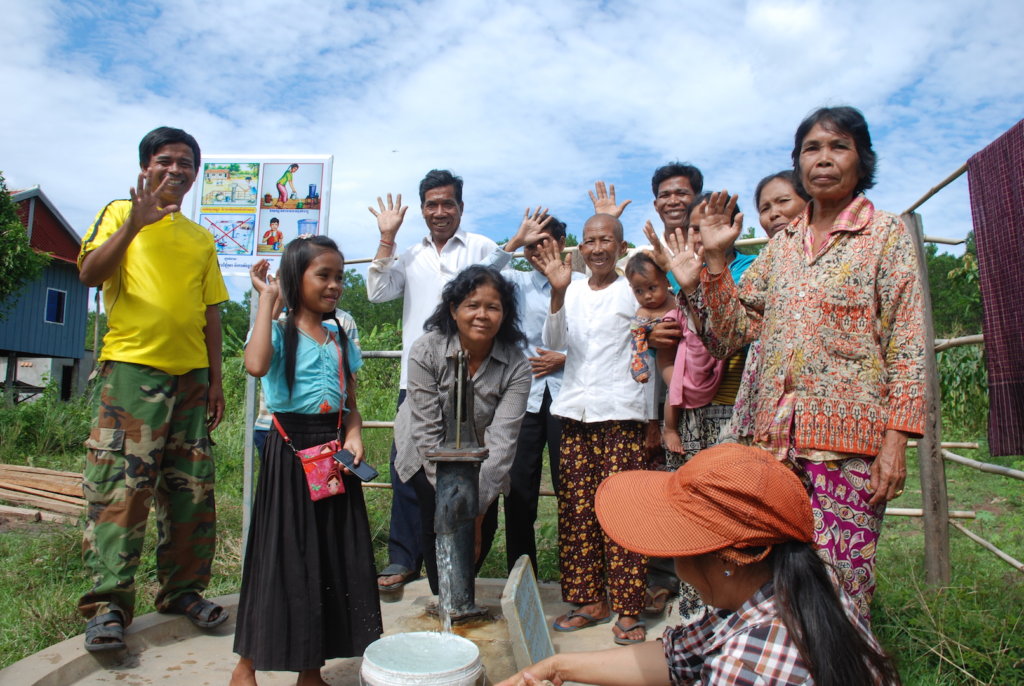
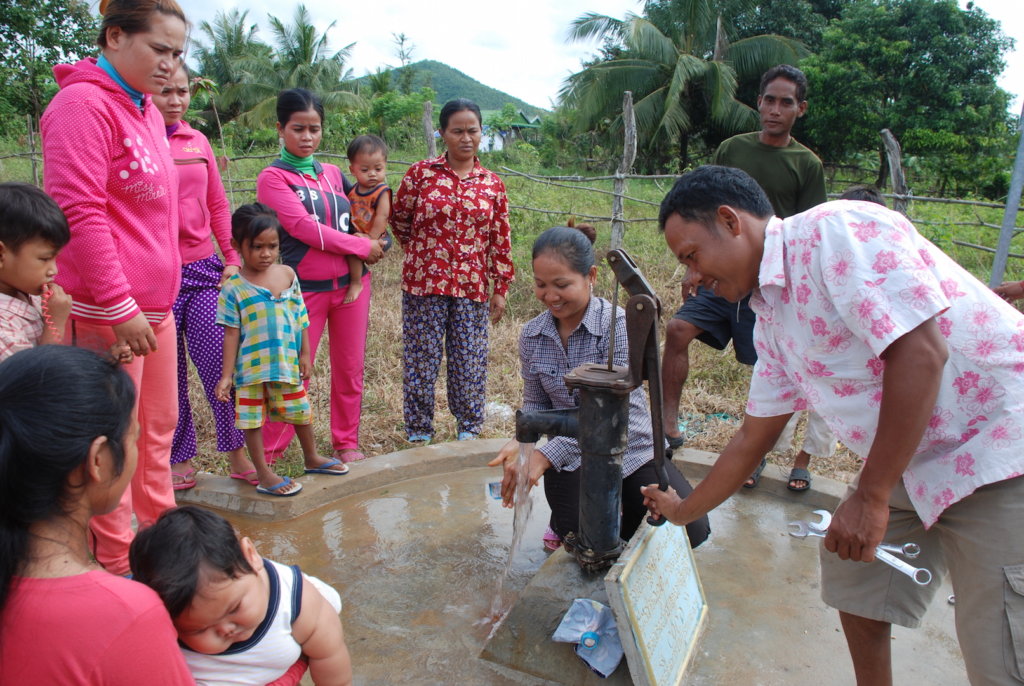
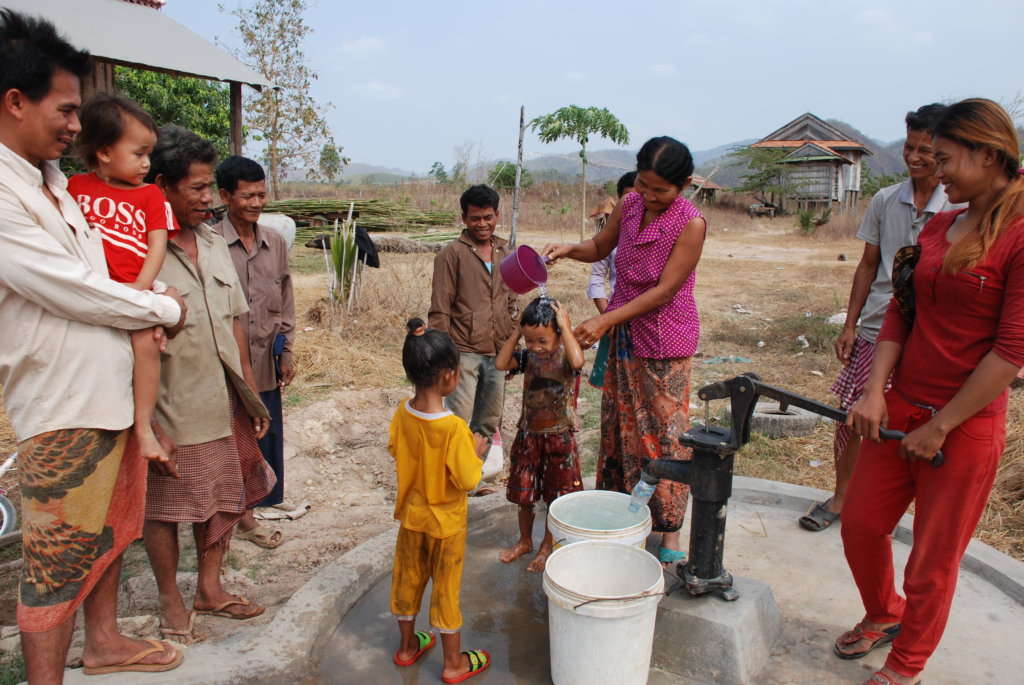
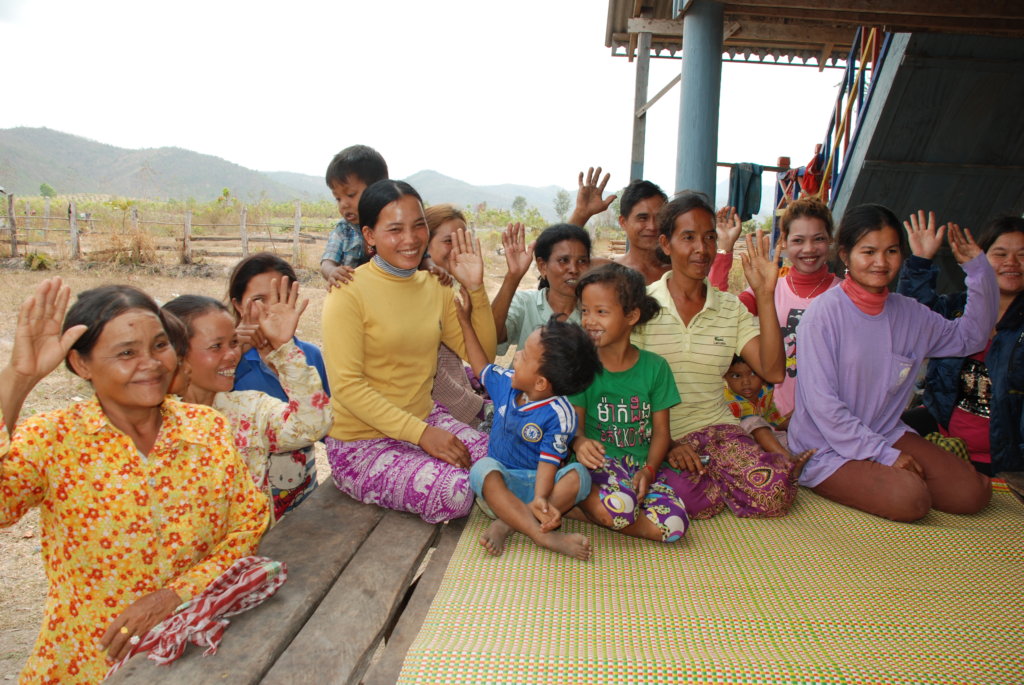
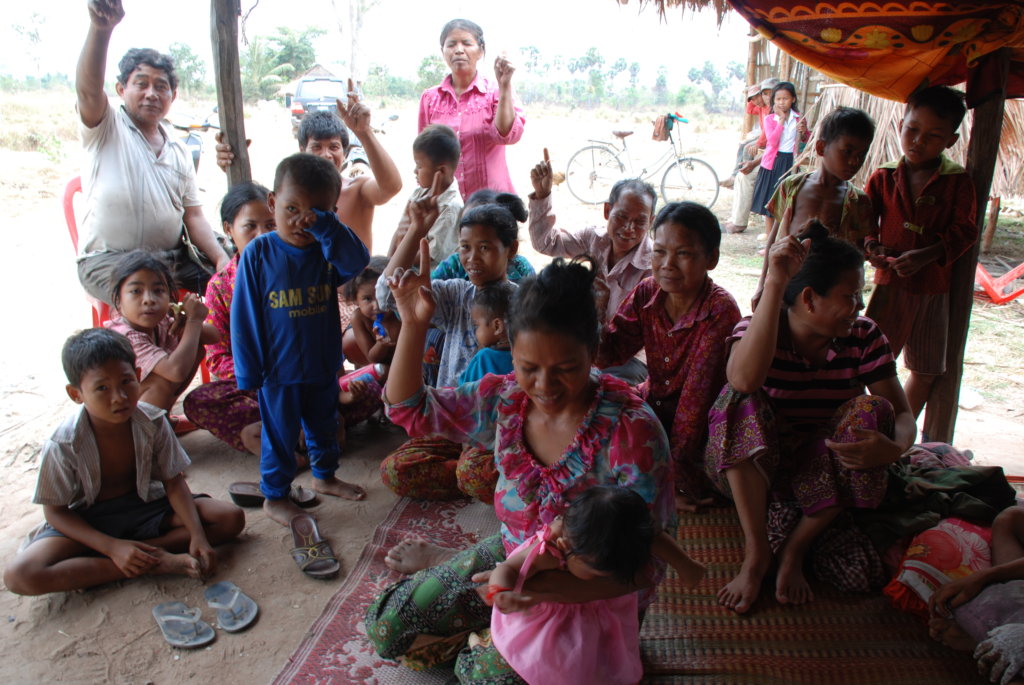
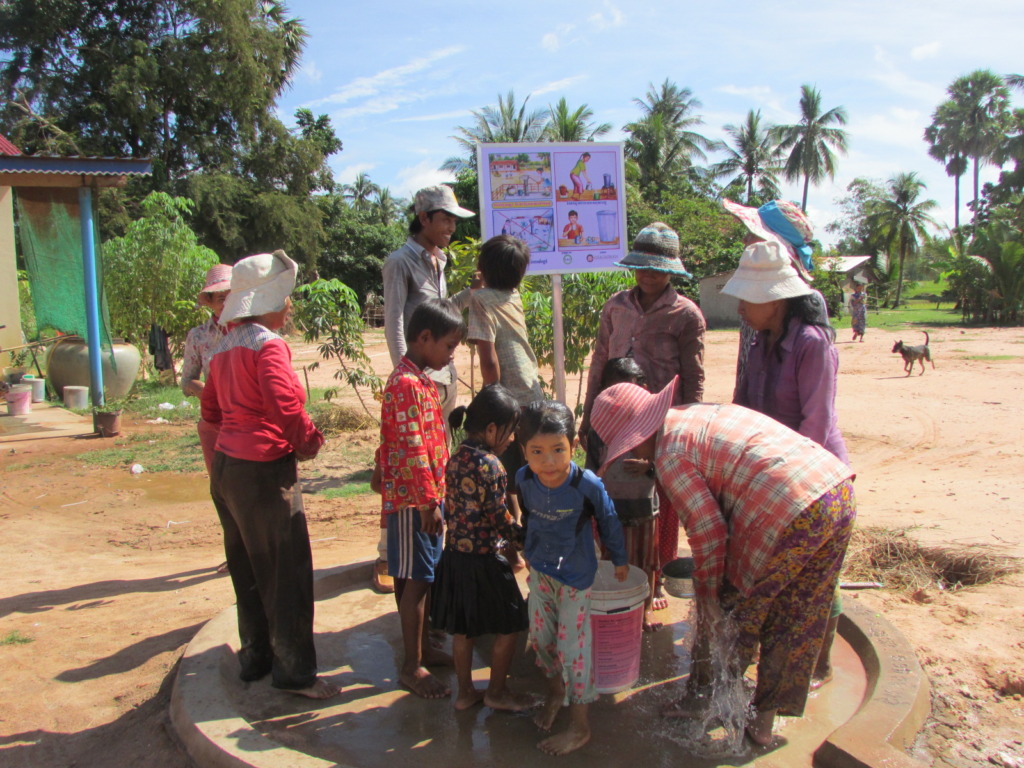
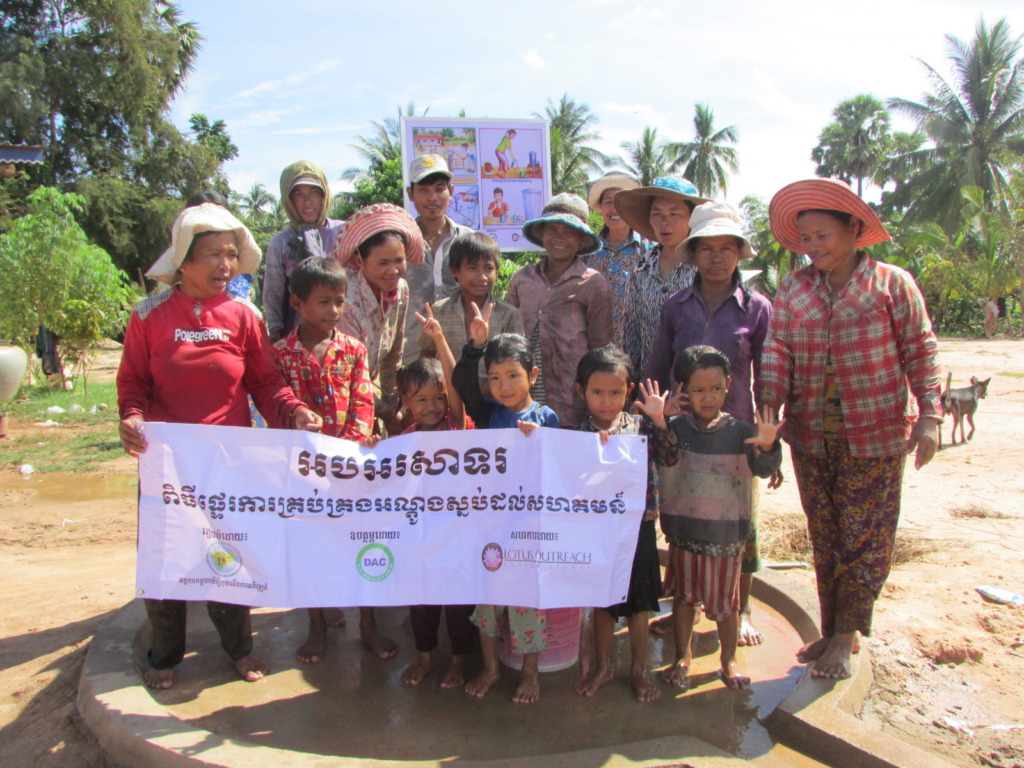
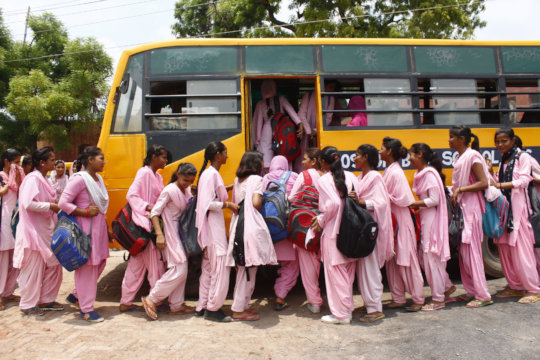
The village pictured above is called Kraing Sbov in Kraing Sbov commune of Kampot’s Chhuk district in the south-western province of Cambodia, close to the Vietnamese border. 278 households are living in the village, adding up to 1,045 people. The main income generating activity is paddy agriculture and small-scale farming, complemented by animal husbandry and horticulture.
Khan Phan, 41, and his wife Neak Theany, 38, have 3 children living in Kraing Sbov village. Phan’s family members and other members of the community (especially women and children) used to spend a long time carrying water from ponds located 1 to 3 kilometers away from their homes. Water sources during the dry season can be many miles away because many near by water sources dry up. While Phan went to work in Phnom Penh, Phan's wife and children frequently faced obstacles keeping them from bringing home clean and safe water. They were responsible for collecting all of the water needed by their family; therefore, they were often absent from school. Phan said, “We had no choice, we needed to enforce to use unclean water from pond or stream with far distance to collect water. My both children were absent from their school regularly because they were request to fetch water, meanwhile, I am working at Phnom Penh.”
Because of the families economic condition, they have never been able to afford clean water. Their solution? They used and drank unsafe water from the distant ponds and streams. As a result, Phan’s family members have been exposed to an array of water borne diseases. The little money that Phan received from Tuk Tuk driving was then needed to buy medicine and doctor visits. Sometimes, Phan even needed to borrow money from his neighbors. “I frequently sent some money to house to facilitate family needs, especially to buy medicine and to bring my children to visit doctor. Last year I borrowed $250 from my neighbors to bring my children to treat illness at Phnom Penh” Phan added.
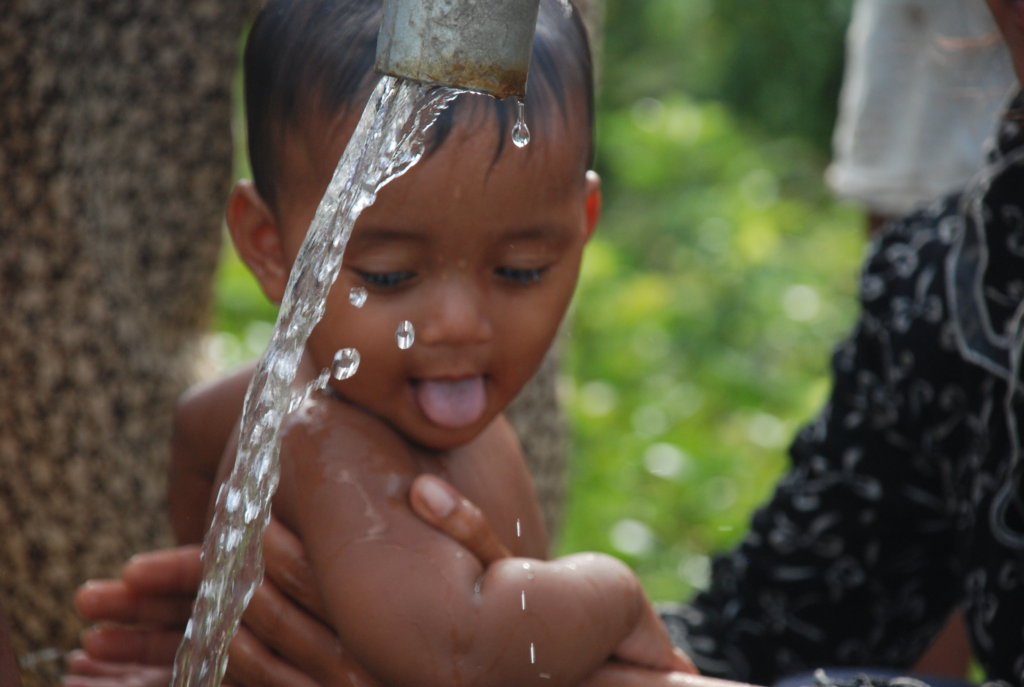
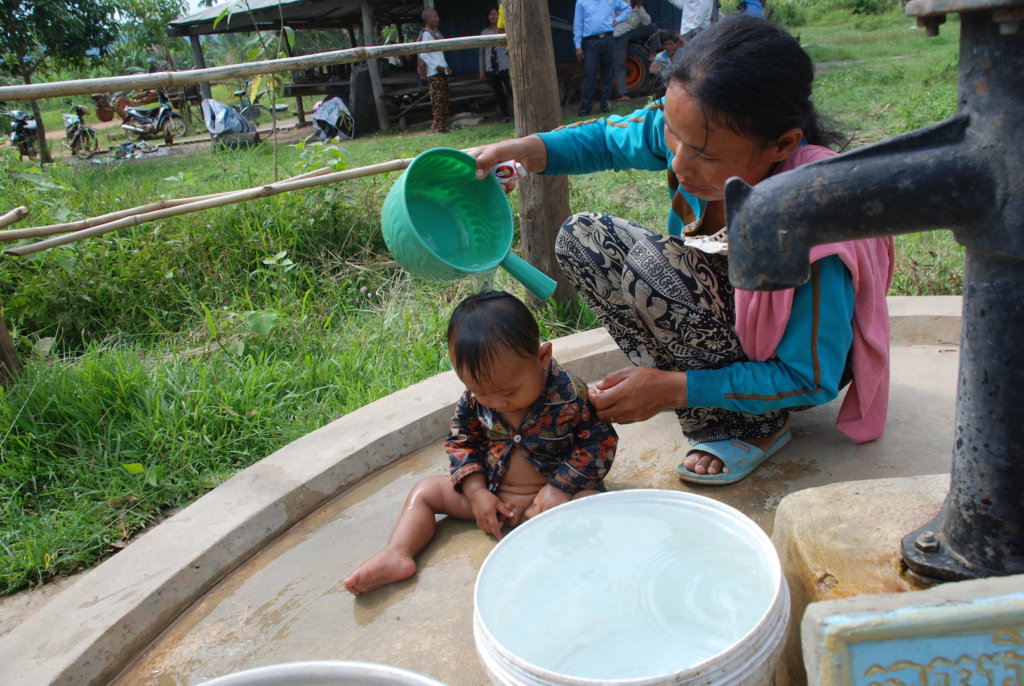
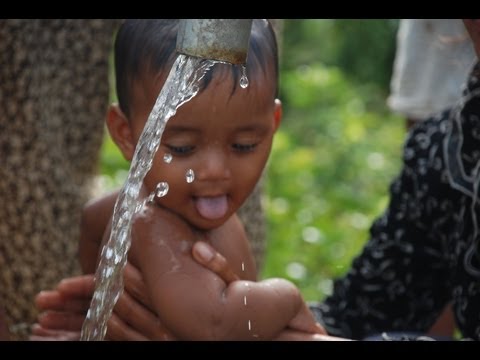
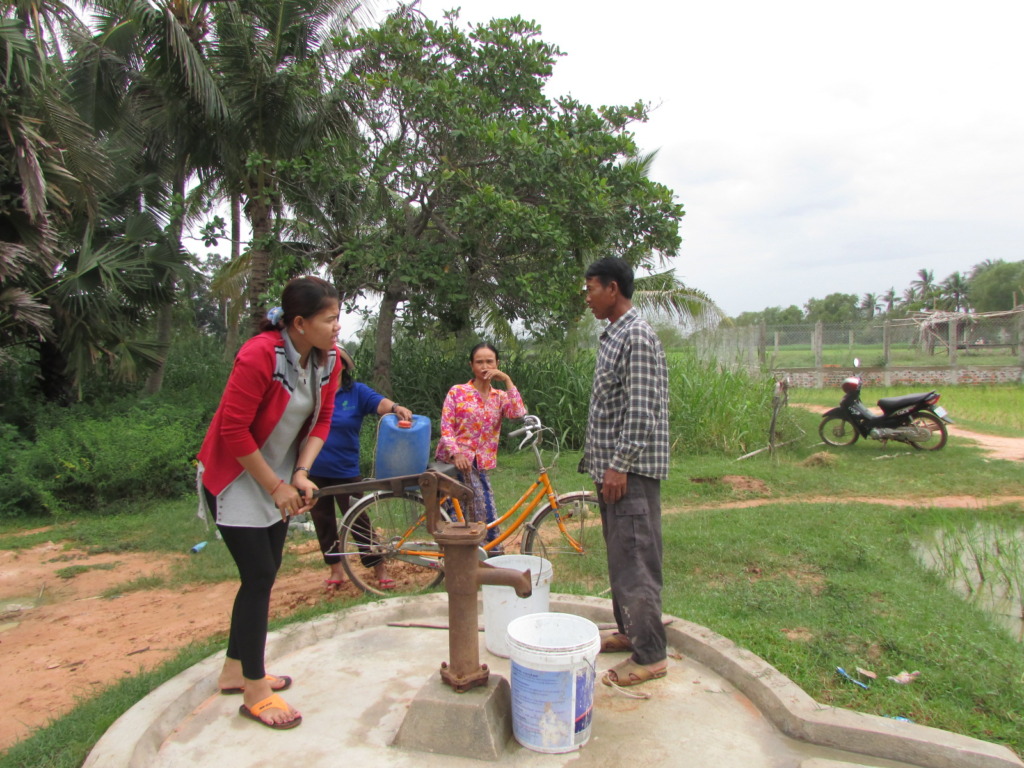
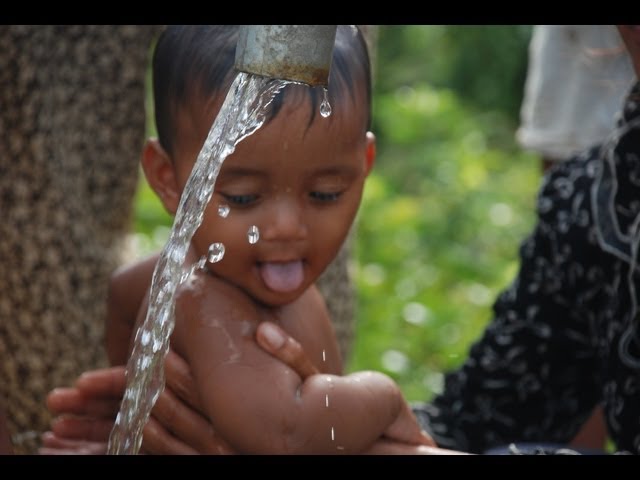
A new well pump was provided for Phan’s family and 14 other families in their commune. “My water well community contributed $37.5 and some wood to build the water well fence.” Phan stated. The difficulties of fetching water and getting unclean water are not present anymore for Phan’s community. Now they have access to a water well with an average distance of 20 meters from each house. Health condition have improved because of their lowered risk of waterborne diseases. The children of the community now go to school regularly and can concentrate on their school studies. Family expenditures have reduced as the need for clean drinking water, doctor visits, and medicine have declined immensely. Phan expressed “This new water well embeds deeply meaningful for my local community because it is providing many advantages to upgrade health, education and social economic conditions. We can use water all time we wish no need to fetch water more than 2 kilometers as previous time.”
Thank you for supporting these water wells. As you can see, they have an immense impact on the communities they are built in.
Project reports on GlobalGiving are posted directly to globalgiving.org by Project Leaders as they are completed, generally every 3-4 months. To protect the integrity of these documents, GlobalGiving does not alter them; therefore you may find some language or formatting issues.
If you donate to this project or have donated to this project, you can receive an email when this project posts a report. You can also subscribe for reports without donating.