By Alexandra Land | Communications Manager
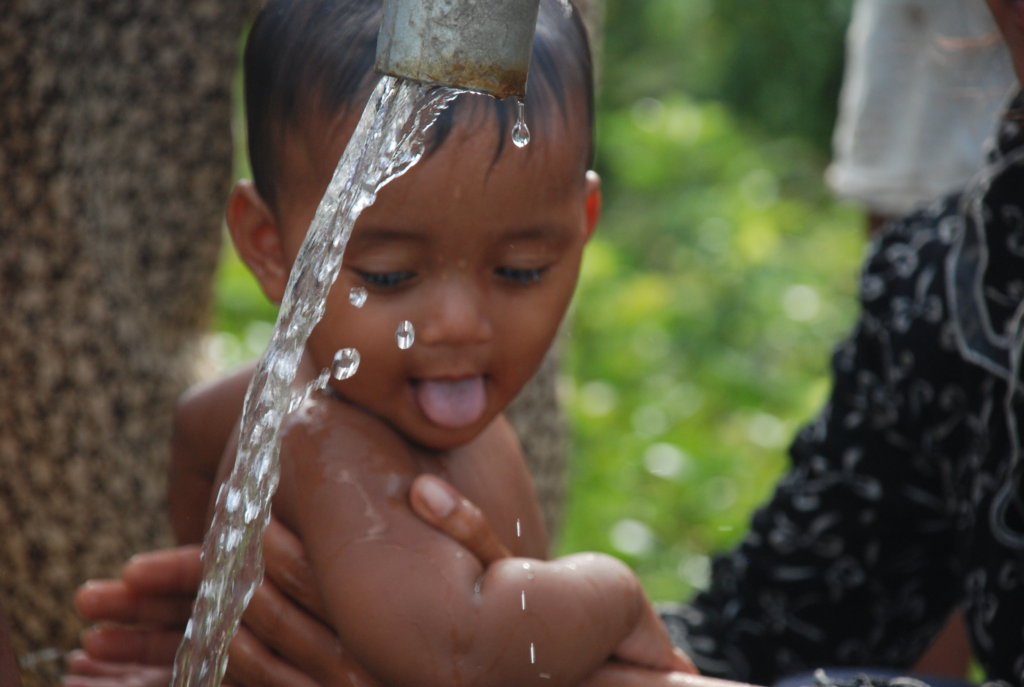
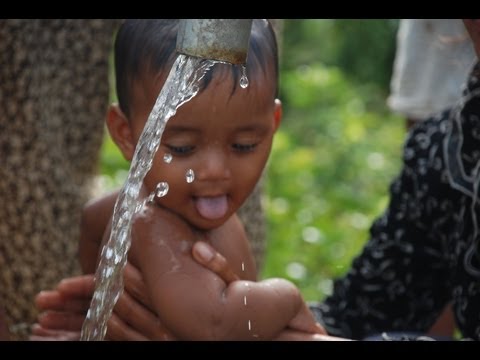
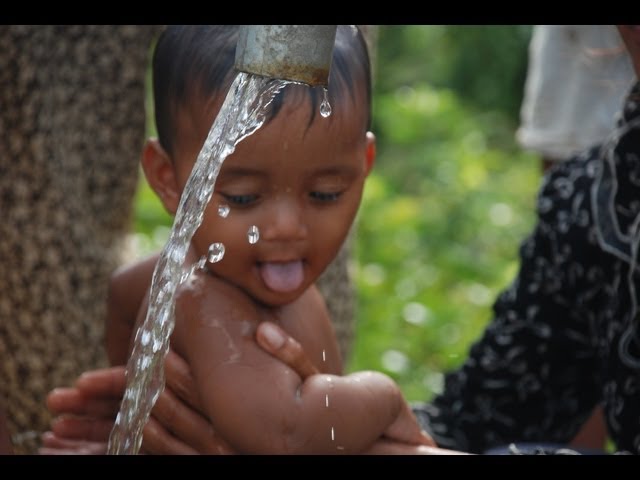
Lack of clean water places a huge burden on the drought prone regions of Cambodia. Unfortunately, most of the burden is placed on the women and children who spend hours fetching clean water. Additionally, populations in these remote villages are poorly educated and don’t have proper knowledge of safe hygiene and health. Water borne illnesses continues to be a looming threat. Unfortunately, this creates an unnecessary economic and health related hardship for these families which can be avoided with deep bore water wells.
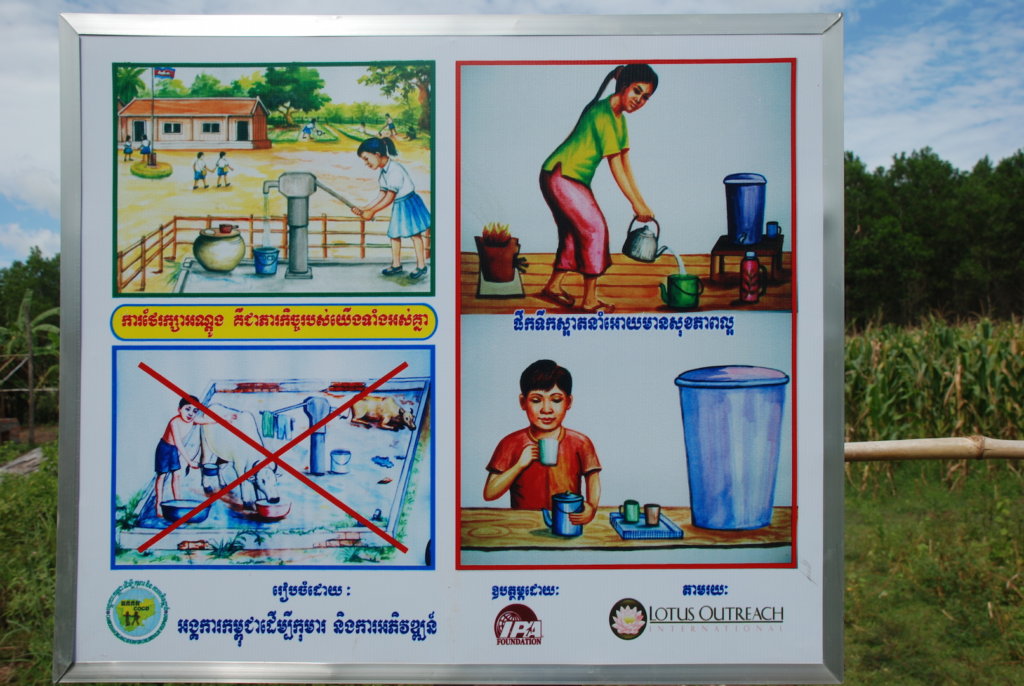
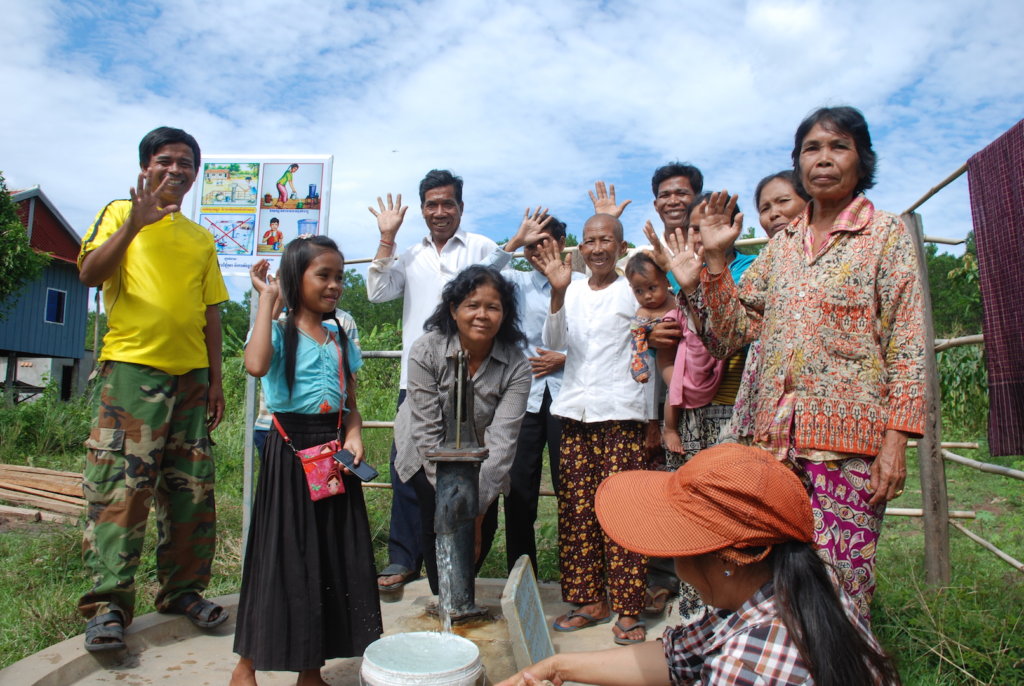
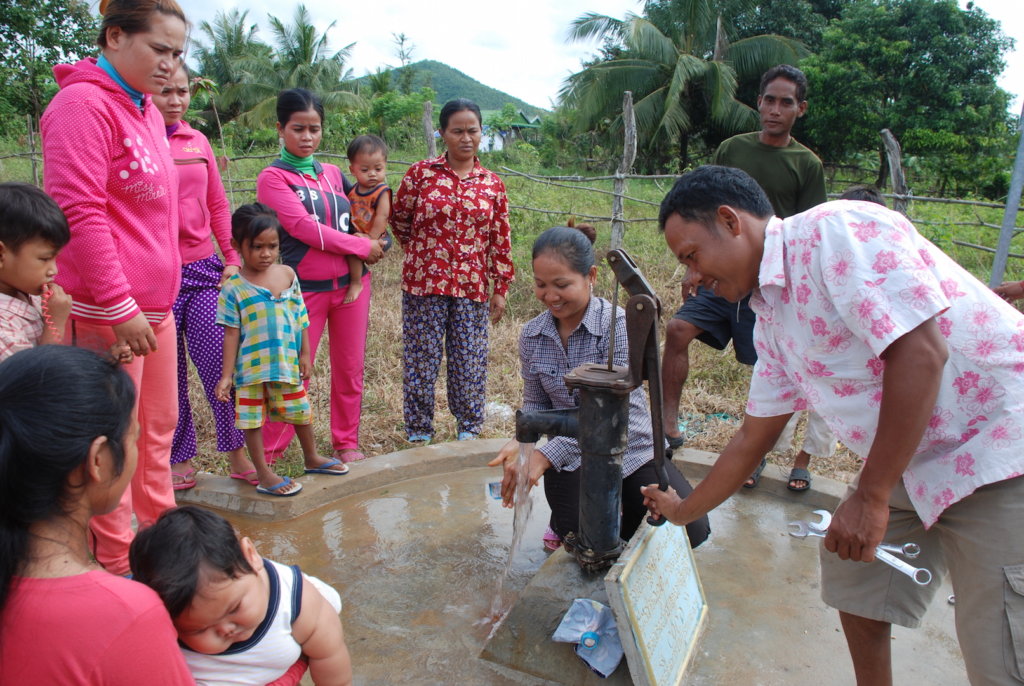
The selected villages that have been assessed as ‘drought prone’ and suffering from lack of clean, readily available, and potable water have received deep bore water wells in their communities. The program established six water well committees in which the committees have played a significant role in maintaining, promoting, and training their community in water well usage. Besides this, the well committees also attend a health and hygiene workshop so that they can be a source of knowledge for their families and communities.
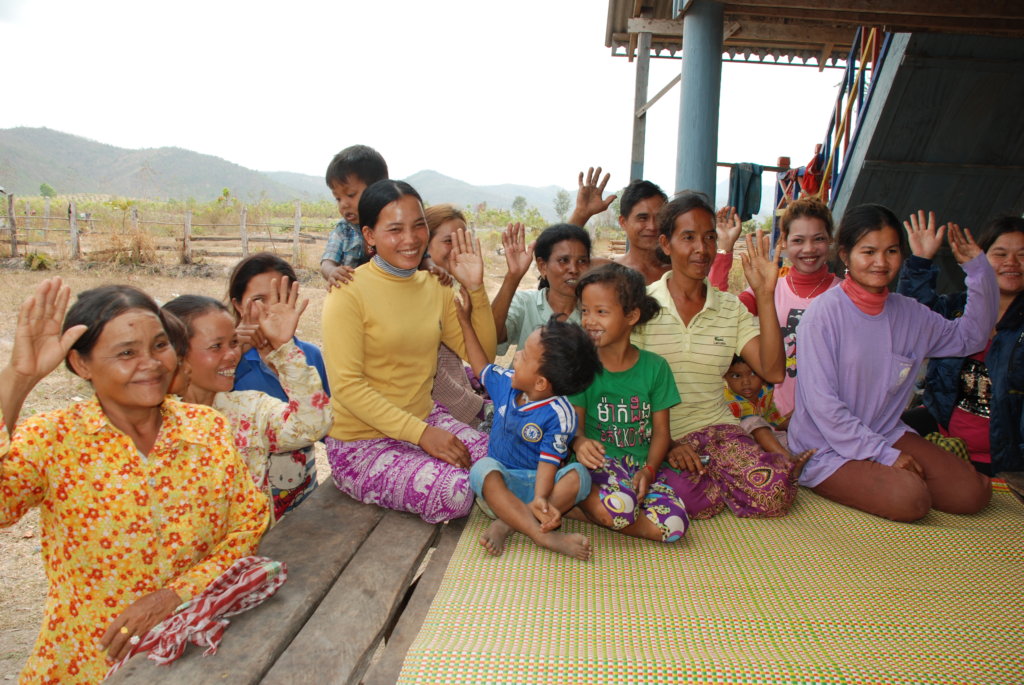
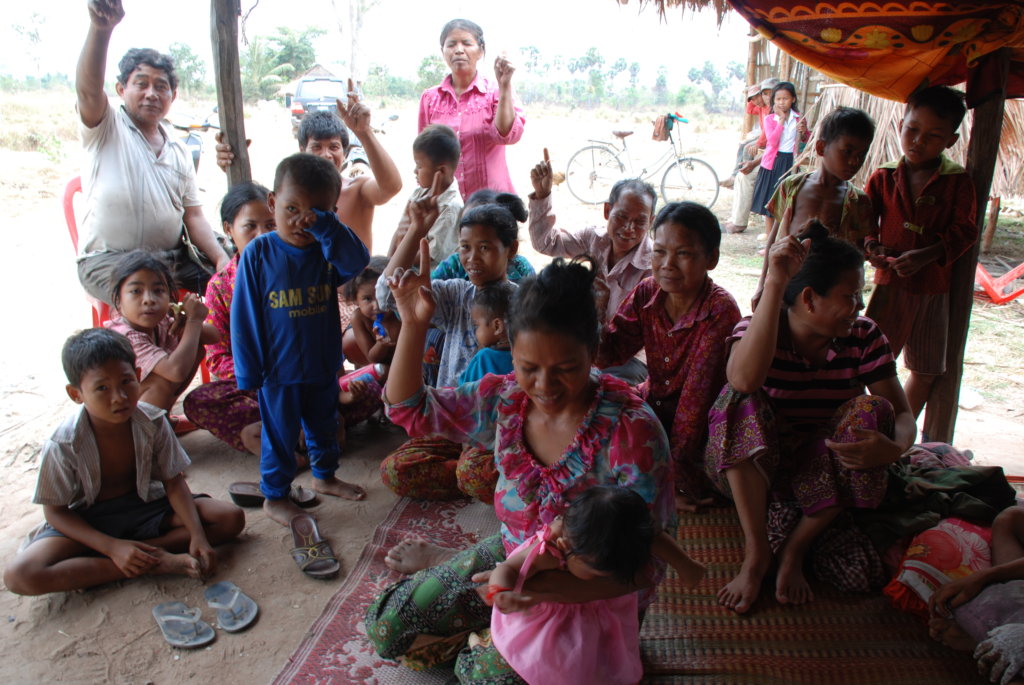
These six wells will serve 93 households consisting of 268 people). The project duration occurred between January 1st and April 30th , 2017. Below is a case study of the village of Khcheay Khang Choeung, one of the selected drought prone villages.
Mrs. Sary is 26-years-old living in Khcheay Khang Choeung, Khcheay Khang Tboung Commune, Dang Tong commune, Kampot province. Sary is a wife and a mother with two children, a boy (the oldest 10-year-old) and a daughter (7-years-old). Her husband Pov, 29, is the bread winner of the family but often can’t make ends meet. Their reliance on farming and animal raising for their income means that their income is very volatile.
A new well was placed in Sary’s community. Her family along with fifteen neighboring communities all received a joint water source. A well management committee was formed to maintain and manage the water well. Sary stated, “My husband is one among the well committee. Our well management committee was trained how to fix well, and we were trained in health and hygiene for drinking, eating and living.”
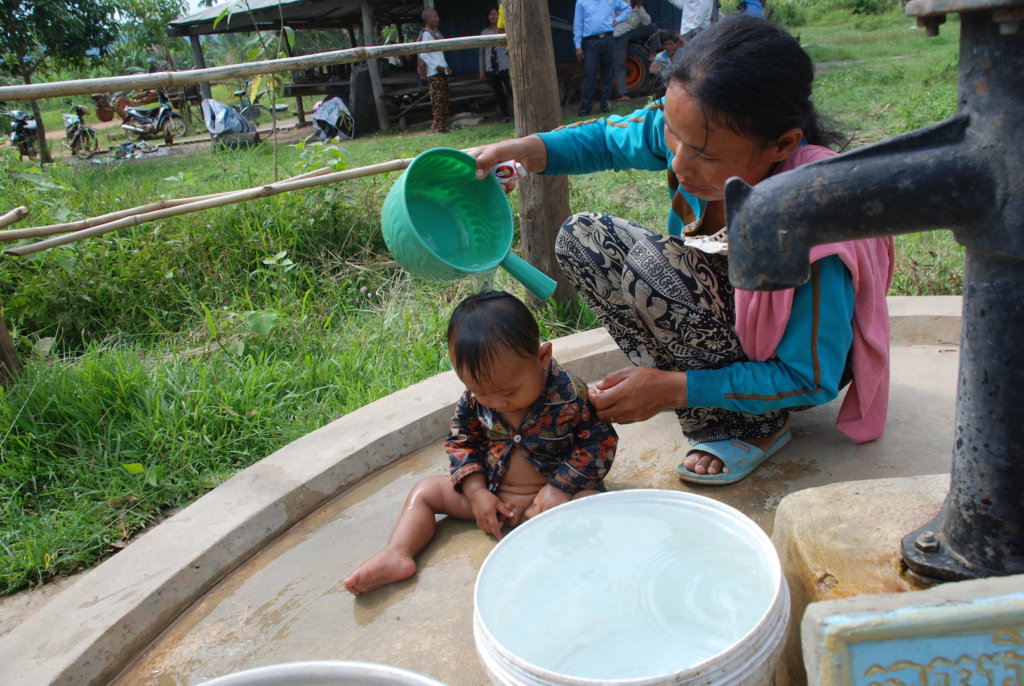
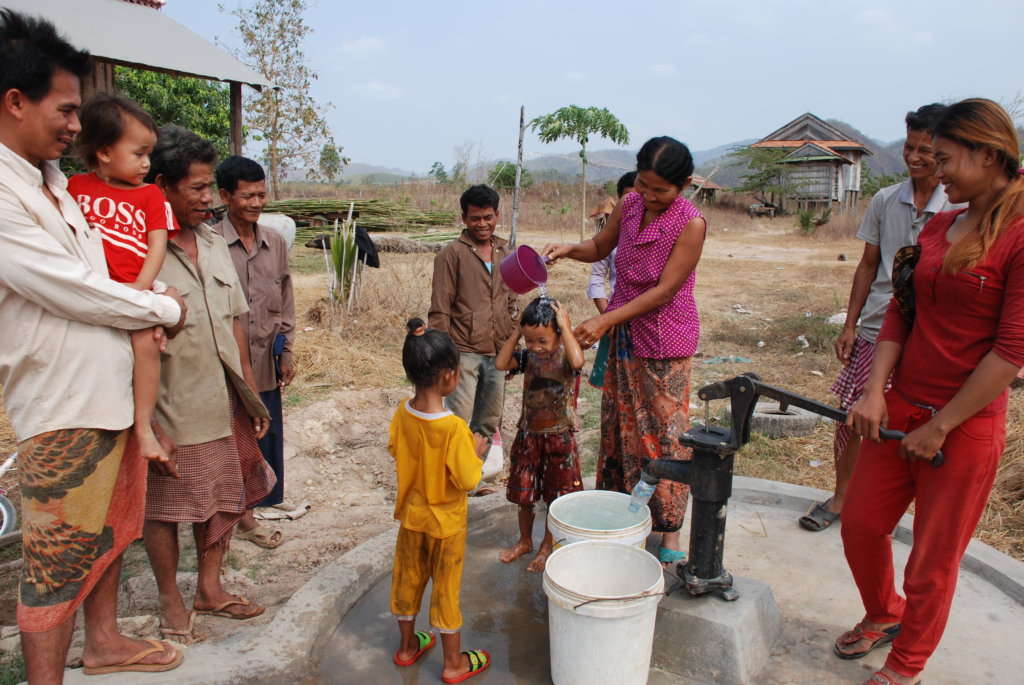
When asked about her children’s health and education situation Sary responded by saying, “Now my boy is not requested to collect water from distant water sources as previous. Now my husband and I ask him to go to school regularly and focus on his study, instead.” Sary then stated that her family has not had any health issues in recent months compared to the last few years.
“It is very convenient now because my family members and other well usage families have access clean water which takes less time. We can wash whenever we wish. My family and other families live close together, since the organization has provided a pump well, then our family is easier than before because we have well pretty close for daily use as well as her family life is better than before.” Sary said. Sary expressed that she plans to prepare a farm garden around her home since she can now use water from the well, especially during the dry season. Besides that, Sary’s family members have more time to do other jobs to generate income rather than spending countless hours shuffling water back and forth. Sary and the other families are committed to maintaining the water well and to keep up with their health and hygiene.
Thank you to the donors who make these great outcomes possible! Without your help, Sary and her community would still be facing the burden of water inequality.
Project reports on GlobalGiving are posted directly to globalgiving.org by Project Leaders as they are completed, generally every 3-4 months. To protect the integrity of these documents, GlobalGiving does not alter them; therefore you may find some language or formatting issues.
If you donate to this project or have donated to this project, you can receive an email when this project posts a report. You can also subscribe for reports without donating.