By Elizabeth Adu-Opoku | Women's Micro-Credit Program Officer
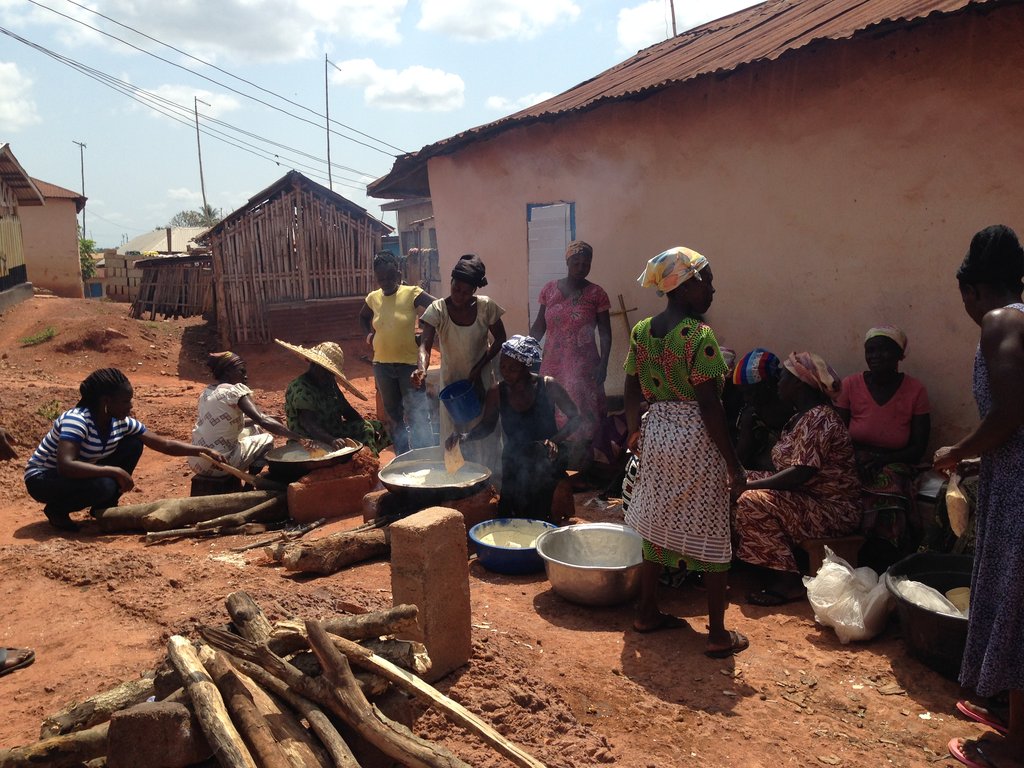
A few months ago, we hosted our first ever Leadership Summit to celebrate the strongest leaders in our micro-credit program. We expected that it would enable women to celebrate one another, make market linkages across the value chain, and exchange ideas - and it did! But it also highlighted a challenge for us: we realized that while we're meeting women where they're at, we're not preventing them from being in that situation.
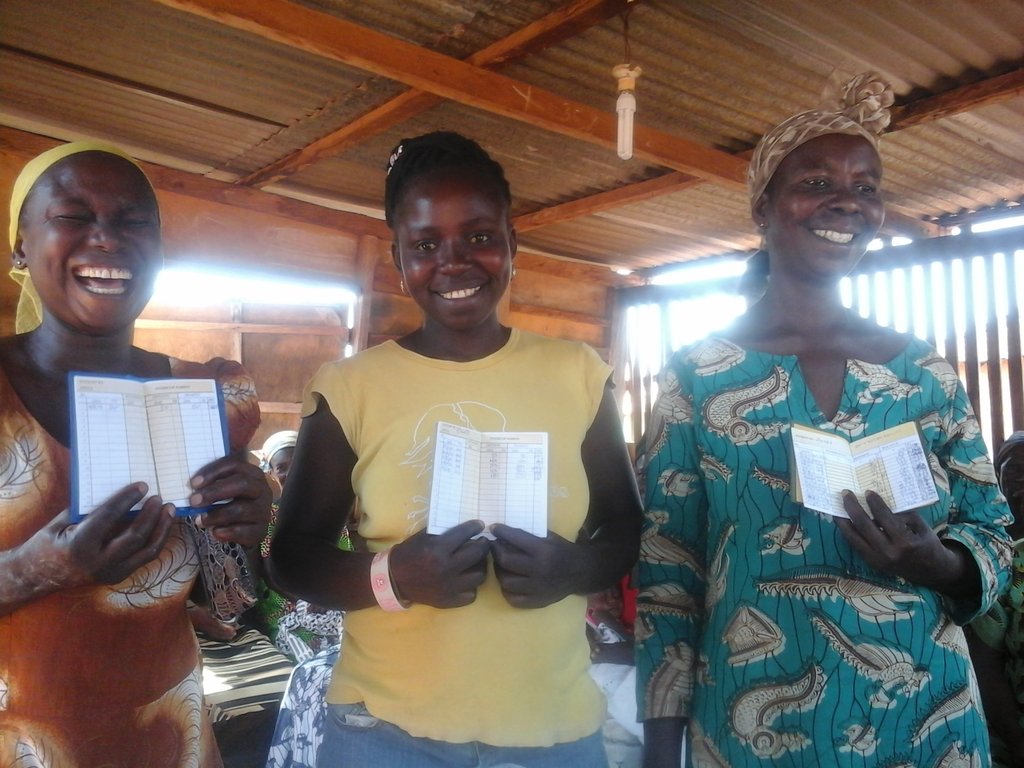
For the women we serve, they don't have access to any other banking or credit facilities, so we're providing an important service. Because of the training and micro-loans, they are able to afford the school fees to keep their children and grandchildren in school. Yet for many of the women, their daughters are already adults themselves, or have already dropped out of school.
It's not that their daughters don't want an education - they want one badly! But they face many challenges, even if they are among the lucky few whose parents or relatives are able to gather together sufficient funding to cover the school fees. For example, in the traditional Ghanaian home, girls perform most of the household chores while the boys are always idling about, making it difficult to keep pace with their male colleagues. This heavy chore load, such as fetching water, preparing meals, and caring for younger siblings drains girls’ energies, making their participation and contribution in class lower than that of their male counterparts. Girls go to school tired, doze off in class and become laughing stocks among their peers.
As girls enter puberty, insufficient knowledge about the changes the female body undergoes during adolescence is a major cause of teenage pregnancy. More than 13% of girls in Ghana give birth between the ages of 15 – 19 years old, a time when they should be completing junior or senior high school, but are instead dropping out to start a family. Most young girls do not fully understand that the new feelings and changes in their bodies are normal. Neither parents nor teachers spend time educating young girls about puberty, in part because the subject is not discussed and in part because they may not have ever learned about the biological changes at puberty either. Girls easily fall prey when any man gives them little attention or care in dealing with these changes.
Beginning menstruation adds to the challenges girls face in keeping up at school. It is common for girls to miss one week of school each month due to her period, because she lacks funds to buy sanitary towels to manage her menstrual flows. While girls are working on household chores without any form of allowance or compensation, young men have time to engage in income-generating activities to earn spending money for themselves. They in turn deceive young girls, giving the girls paltry sums of money to finance such needs as school supplies or sanitary supplies, and then take advantage of the girls, leading to teenage pregnancy.
On top of these challenges, some parents, especially fathers, believe that no matter how enlightened a woman is, she will be given in marriage to a man, breed children and that will be the end of her education, so there is no need to educate a girl child. Some marry off their female children at school-going age to rich men for money. Ironically, they justify the practice by saying that part of the money is used to educate their male children.
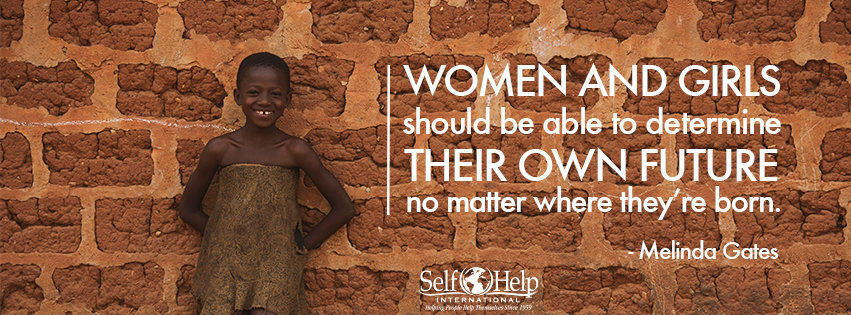
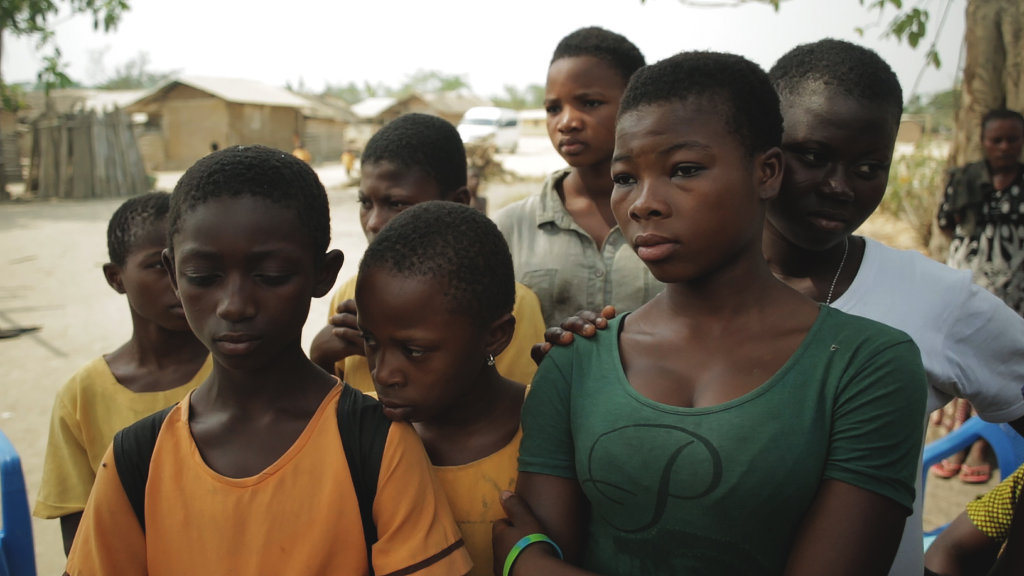
The situation calls for a concerted effort. For the past few months, we've been meeting with girls, mostly the daughters of women in our micro-credit program, to learn about the challenges they face to staying in school and help them craft solutions to address those challenges. They have shared with us the difficulties they go through such as inadequate parental guidance and support; parents’ refusal to provide school supplies; and lack of funds to buy to sanitary towels. So, we have begun mobilizing girls of school going age in rural Ghana into groups, and educating them to stay longer in school and away from situations that are likely to lead them to start a family before they are truly ready.
These girls and their parents, especially mothers, are very excited about the program. They tell us, “Our communities shall know what we stand for and the message we preach,” and that, “More of our girls can go to school: this alone will keep the trouble makers away.” We plan to officially launch the first girls health education workshops later this month and to distribute reusable sanitary kits to all girls present. With sufficient funding, we will continue to offer additional trainings to the girls in small income-generating activities so they don't have to depend on boyfriends for spending money, and perhaps even take them on college visits so they can be exposed to life outside of their rural villages, and the possibilities that their future could hold if they stay in school. Together, we can give a future to these young girls.
Join us in empowering young women in Ghana! Make a donation now, or mark your calendar to make a gift on Wednesday, September 21 during the GlobalGiving Match Day! Details on the matching funds are available here.
Project reports on GlobalGiving are posted directly to globalgiving.org by Project Leaders as they are completed, generally every 3-4 months. To protect the integrity of these documents, GlobalGiving does not alter them; therefore you may find some language or formatting issues.
If you donate to this project or have donated to this project, you can receive an email when this project posts a report. You can also subscribe for reports without donating.



Support this important cause by creating a personalized fundraising page.
Start a Fundraiser