By Nicole Wexler | Director of Development
Hello valued supporters!
We last reported to you on the excellent achievements of last year’s group. In this report, we would like to explain how students choose their research topics.
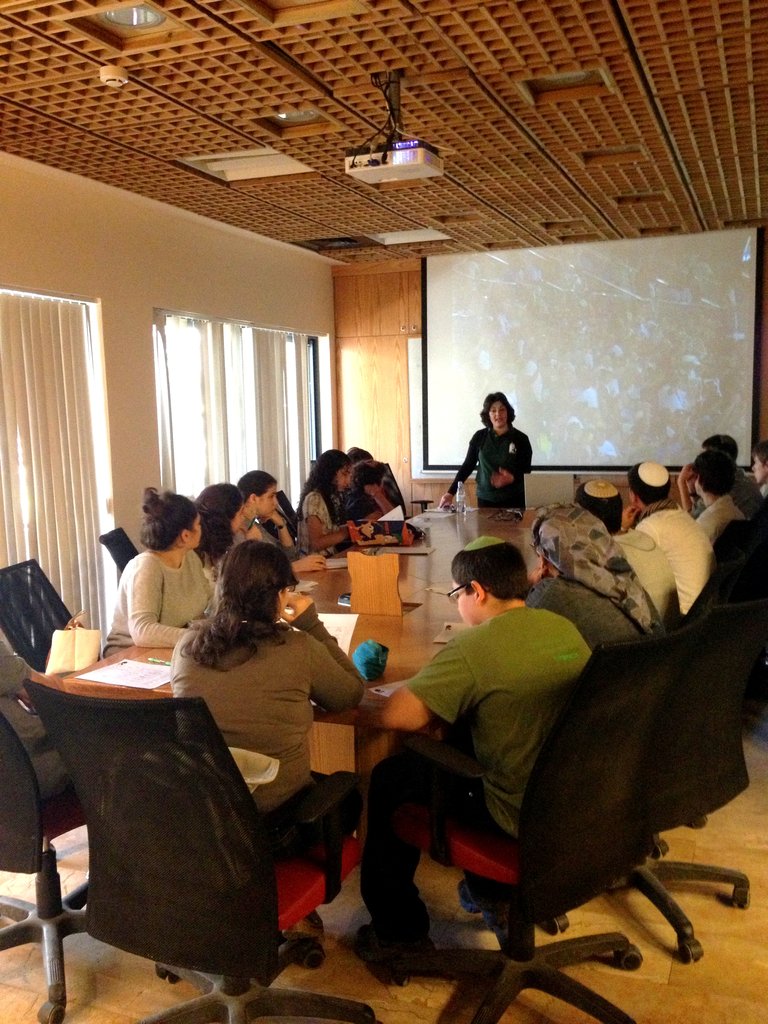
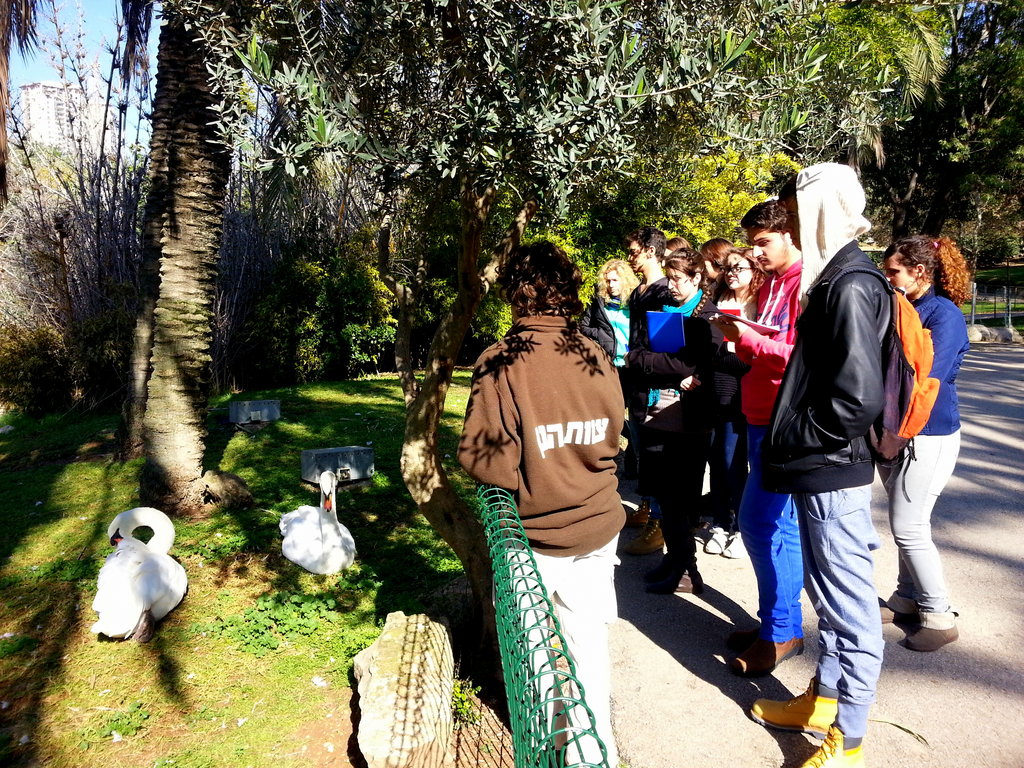
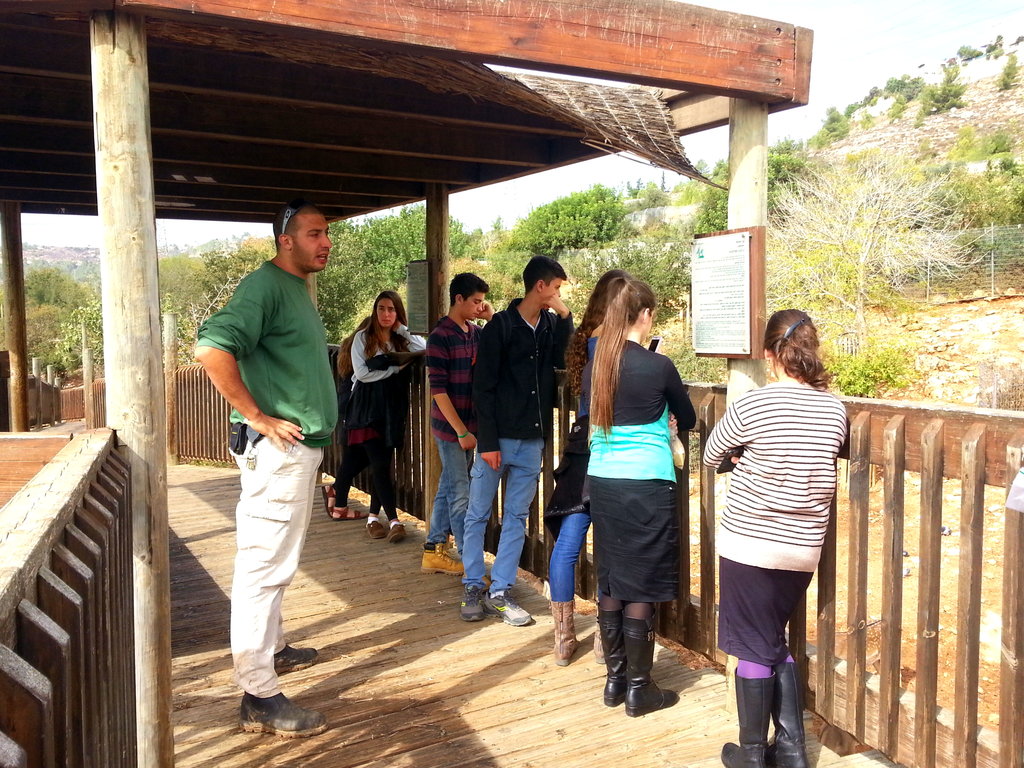
At the start of the academic year, students are introduced to the zoo by means of guided tours. Dates are then set for more in-depth behind-the-scenes visits with the managing keepers of each section to familiarize participants with the zoo and the possible research areas available.
Senior zoo staff members then identify a list of possible research topics that are of interest to the Zoo. Students do not have to choose one of these topics, however they are usually guided by the list as it represents current research areas relevant to zoos and wildlife conservation.
Potential research subjects for this academic year include:
1. Monitoring the hibernation behavior of Syrian brown bears during winter.
2. Behavioral monitoring of the introduction process for a pair of Sumatran tigers in the Biblical Zoo.
3. Examination of the social structure in the Peccary herd.
4. Examination of the effectiveness of initial diagnosis of injured wild animals brought to the zoo clinic using a thermal camera.
5. Influence of visitor visits during night tours on the behavior of herbivores in the open spaces of the zoo.
6. Dominance and hierarchy relationships in the Persian fallow deer herd.
7. Examination of stereotypical behavior in giraffes and other animals in the Biblical Zoo.
8. Monitoring the presence of pathology in the soles of the foot in Asian elephants and examining the effect of sleep duration on changes.
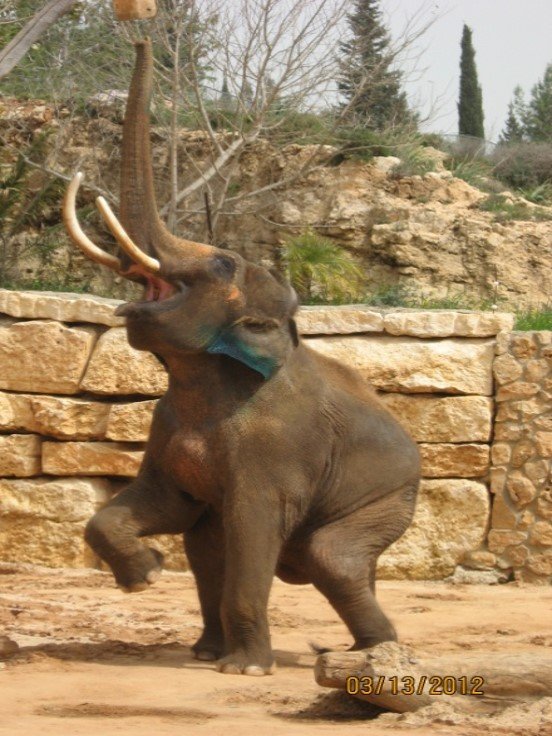
9. The effect of odor enrichment on the activity of Asian elephants.
10. Examining the possibilities of self-identification using the "mirror test" in different species in the zoo.
11. Behavioral surveillance of Asian elephant with vision problems and adaptation to changes in the exhibit.
12. Breeding in South African penguins - the process of choosing a partner, examining family relationships between breeding pairs, seasonality, etc.
13. Examining the development processes in vultures. Comparison between hand feeding and parental feeding within various parameters.
14. The effect of nutritional enrichment on herbivore activity
15. The effect of environmental conditions in the exhibit on the level of activity of Sudanese turtles and on the utilization of the exhibit area.
16. Grooming behavior patterns (fur combing) in Persian fallow deer.
17. Effects on individual behavior in koi fish.
Once each student chose his/her research topic, a zoo staff mentor is assigned to each student and a schedule of meetings was set up with the mentor, program coordinator and research supervisor for the year. Each mentor assists their students with setting up meetings with the keepers related to the zoo section in which they are conducting research so that they can coordinate their visits and data gathering.
This Program is truly a source of pride for the Jerusalem Zoo. We thank you for your support which allows young people to fulfil their potential in the field of scientific research.
We look forward on sharing more with you next time on the topics chosen by our students and on how their research is progressing.
With best wishes for 2018,
The Zoo Education Team
Project reports on GlobalGiving are posted directly to globalgiving.org by Project Leaders as they are completed, generally every 3-4 months. To protect the integrity of these documents, GlobalGiving does not alter them; therefore you may find some language or formatting issues.
If you donate to this project or have donated to this project, you can receive an email when this project posts a report. You can also subscribe for reports without donating.