By Katelyn Wigmore | United States Peace Corps Health Volunteer
Sanitary Pads and Health Talks Keep Ugandan Girls in School
By: Katelyn Wigmore
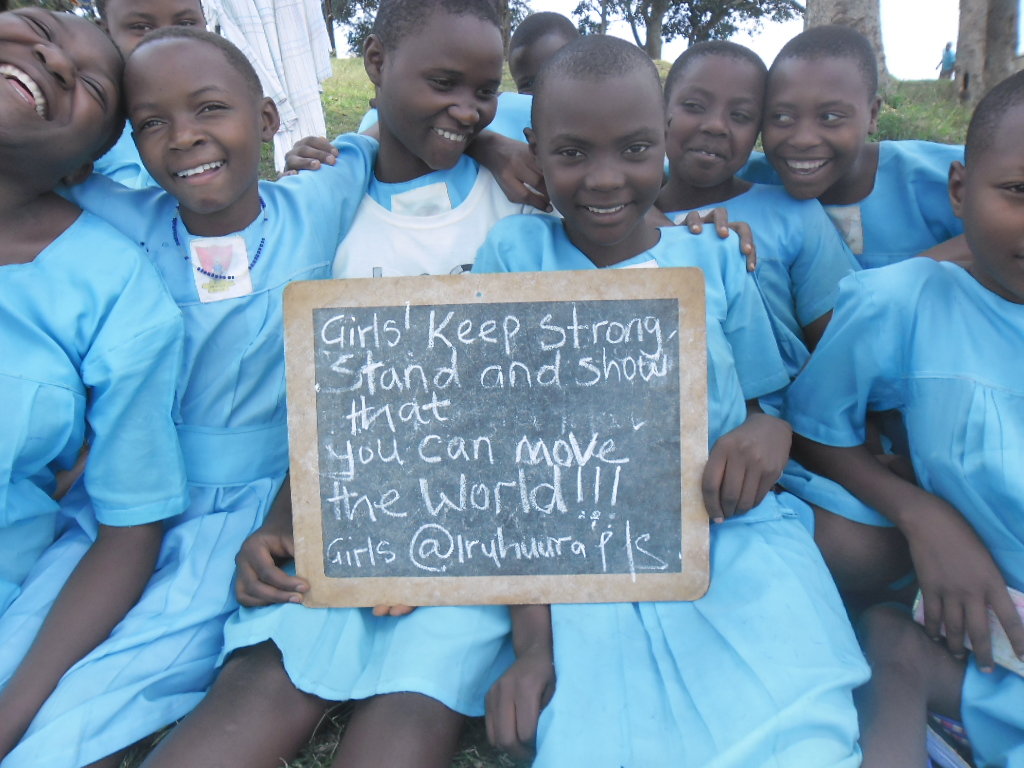
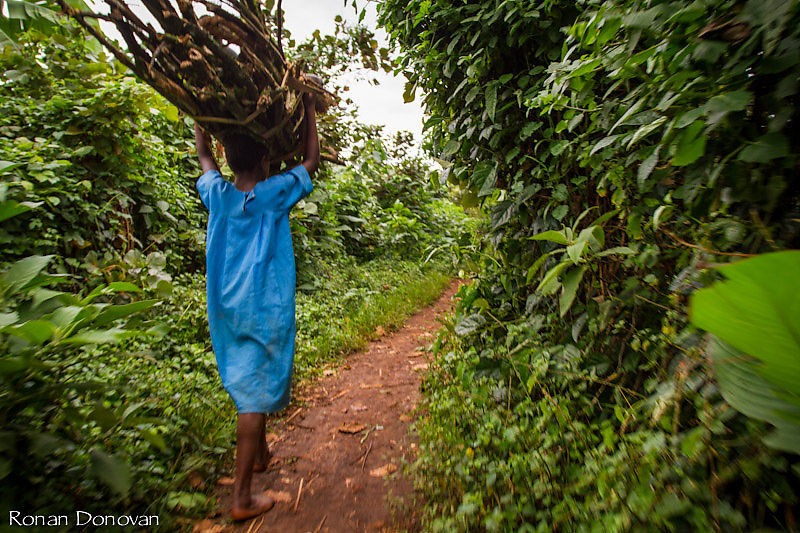
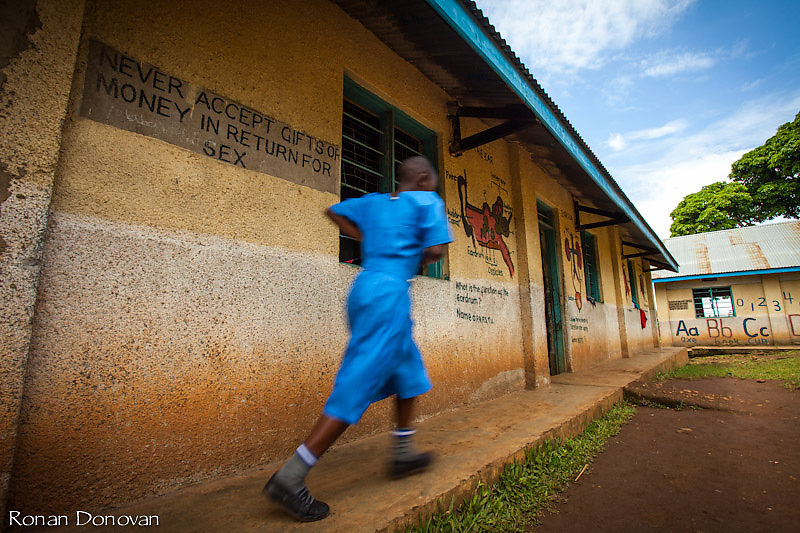
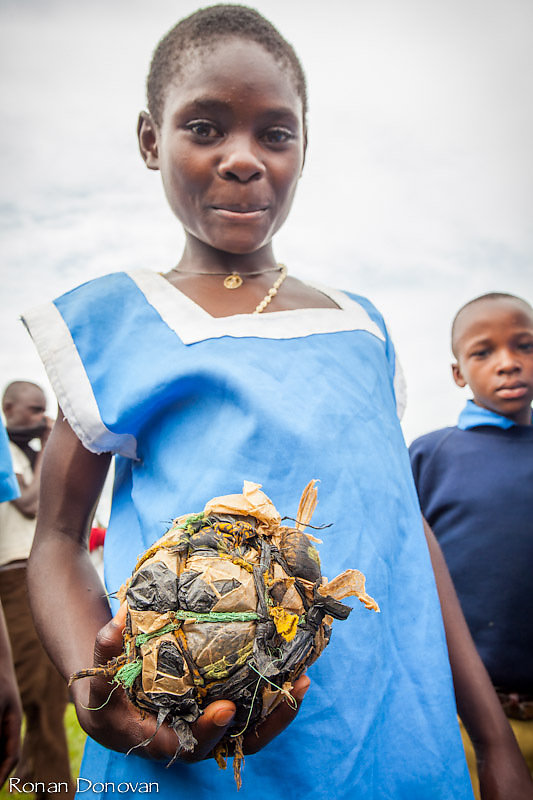
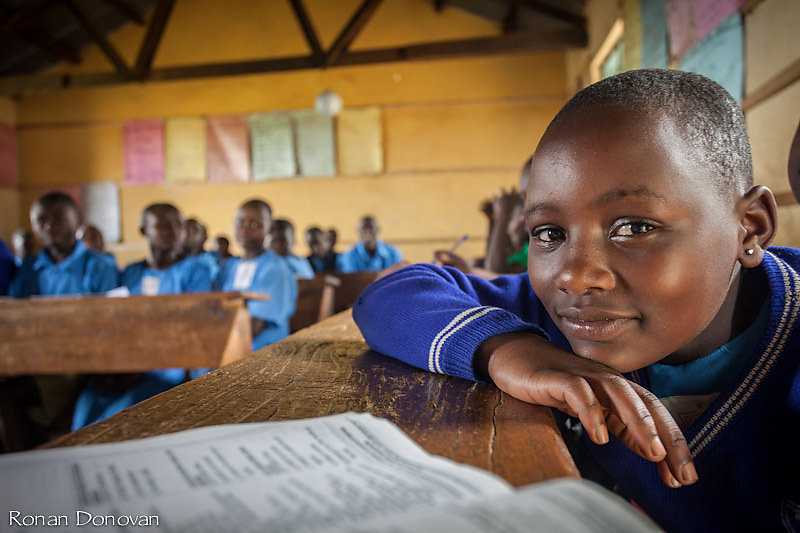
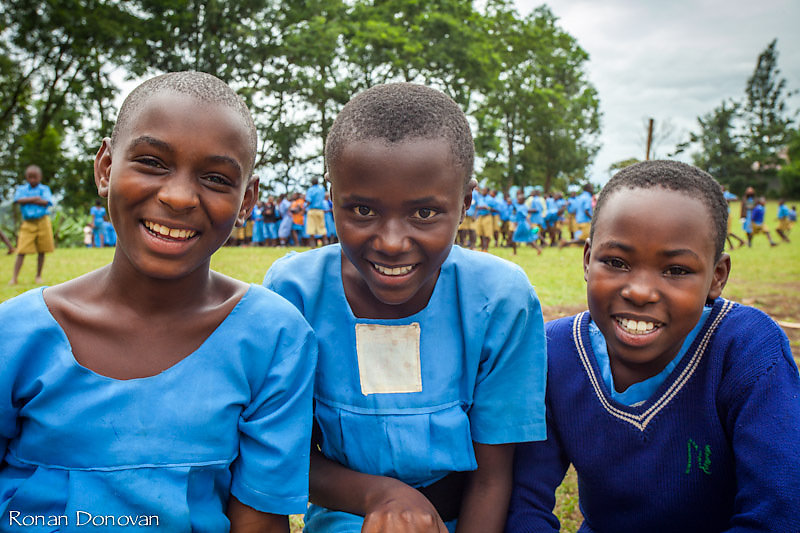
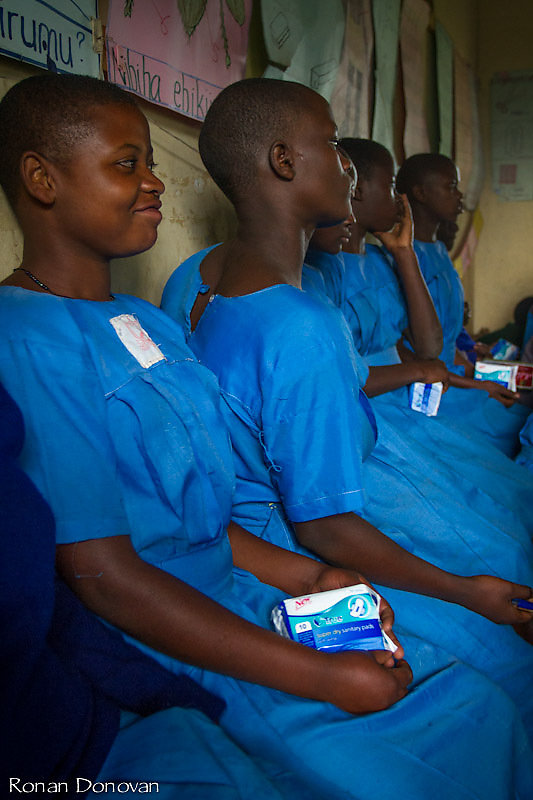
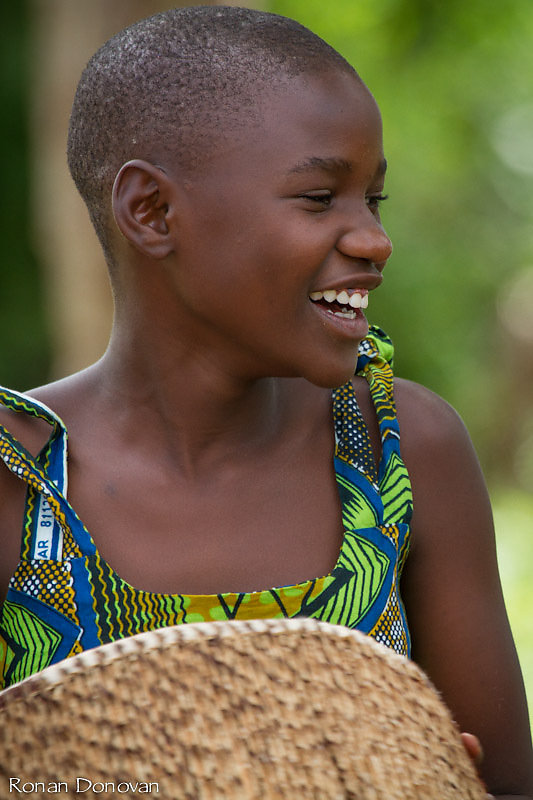
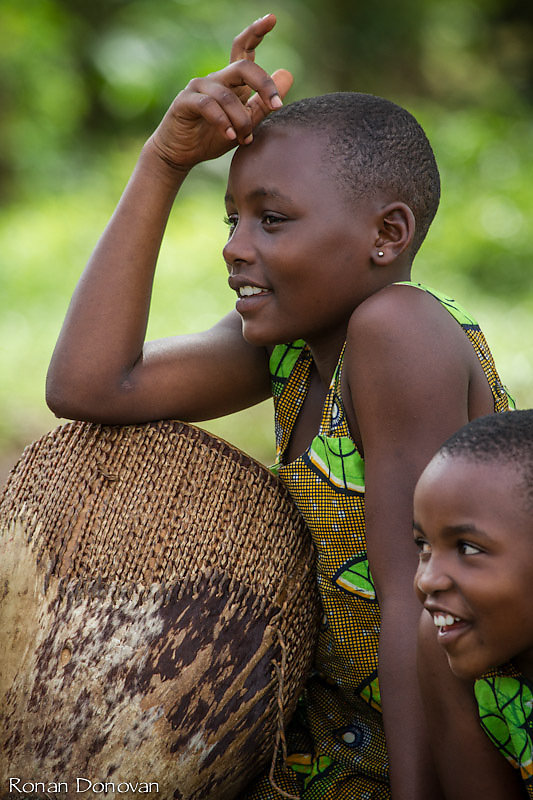
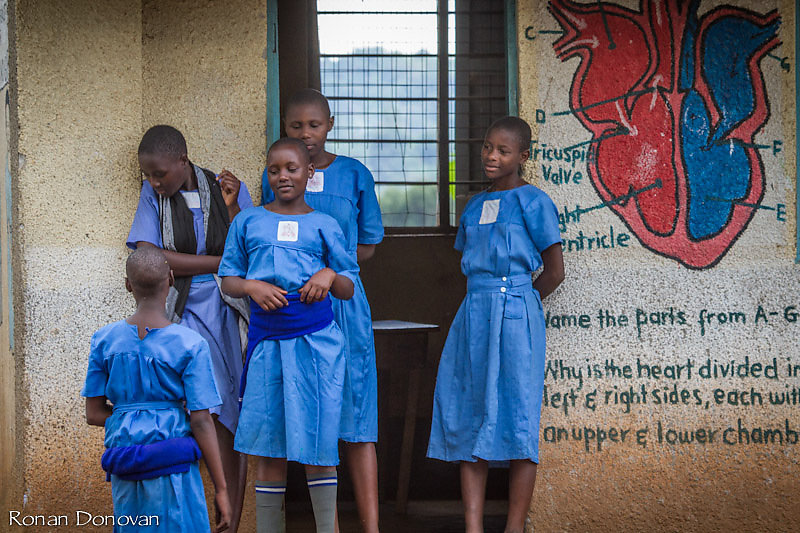
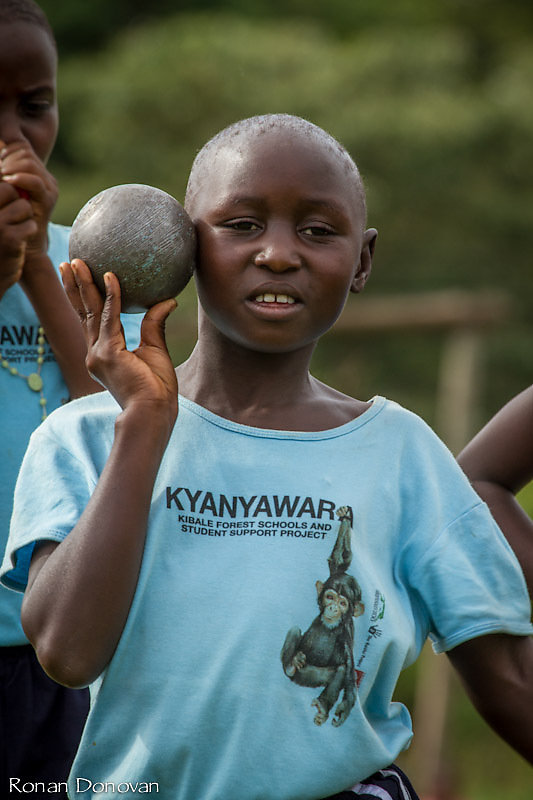
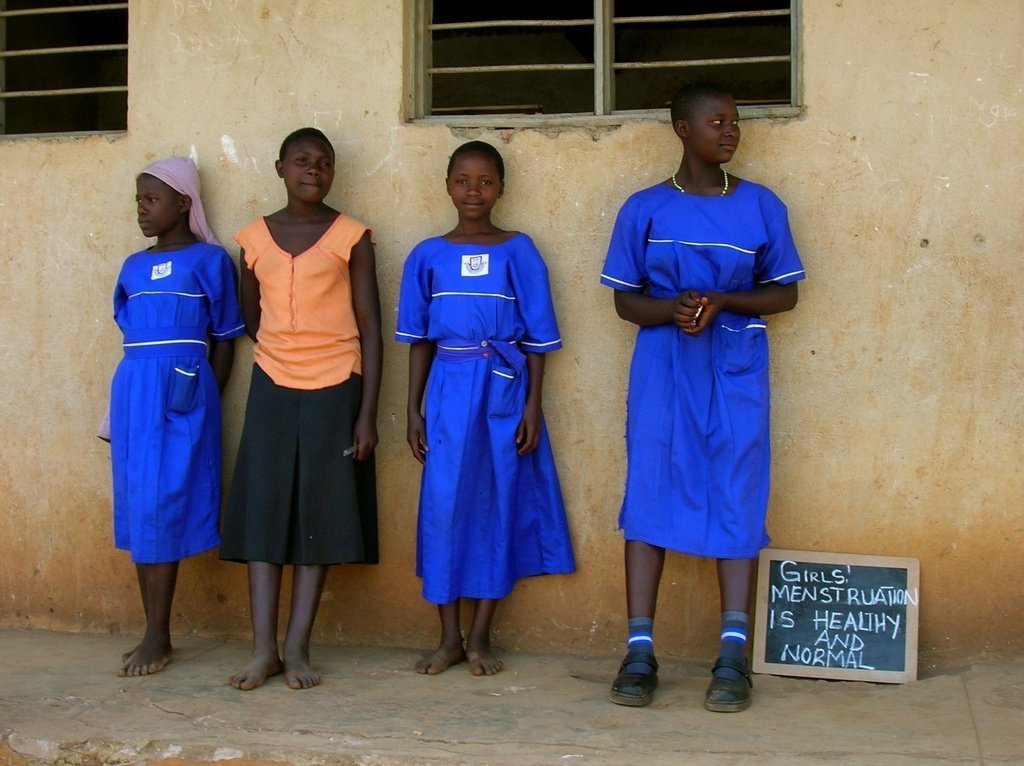
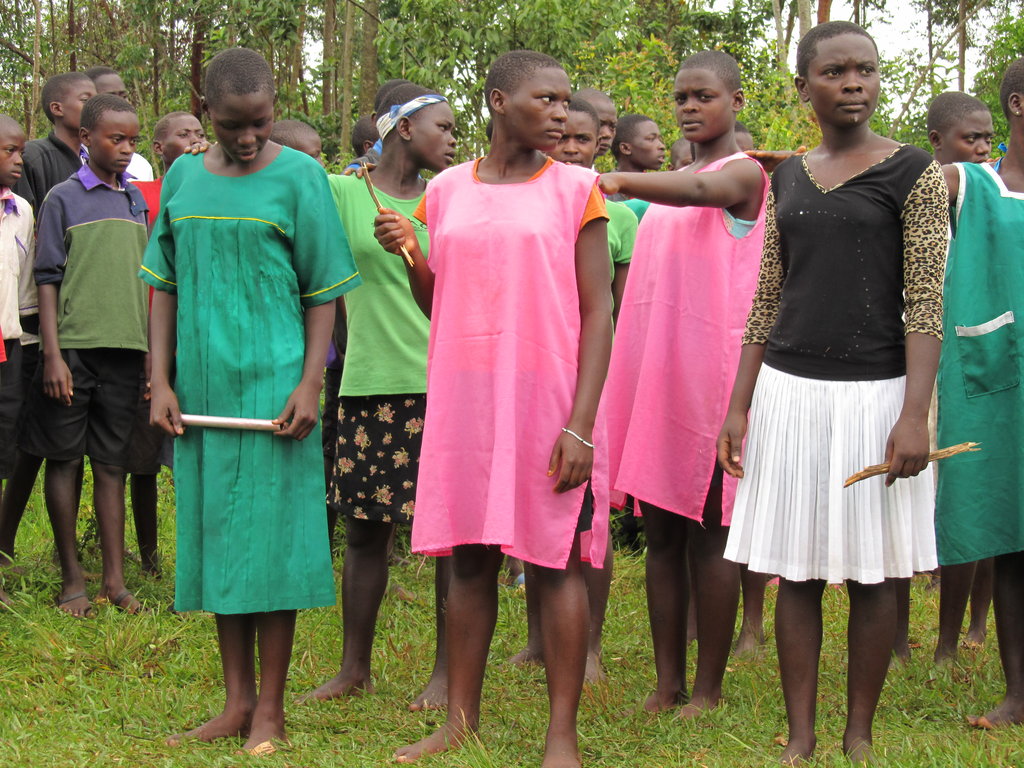
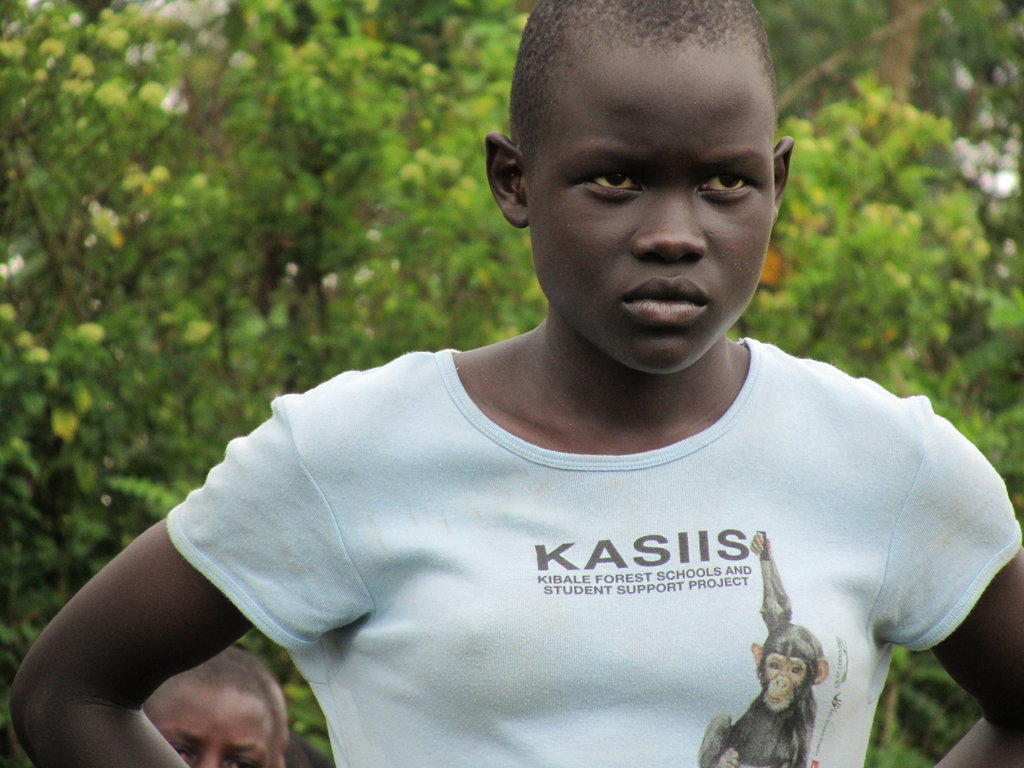
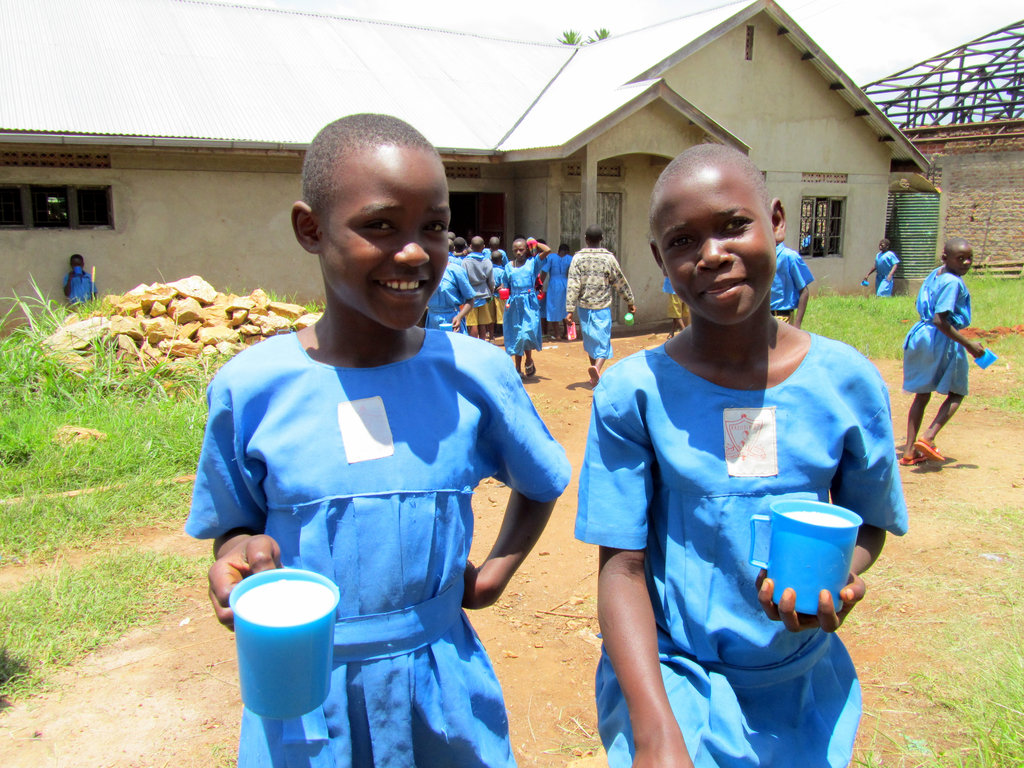
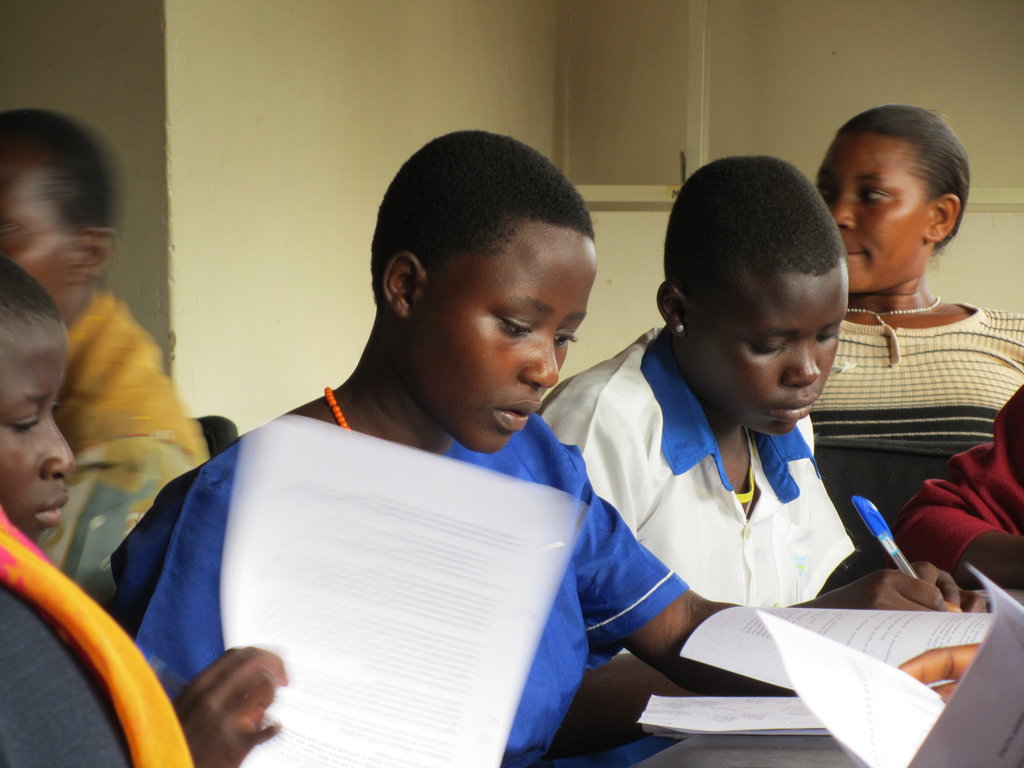
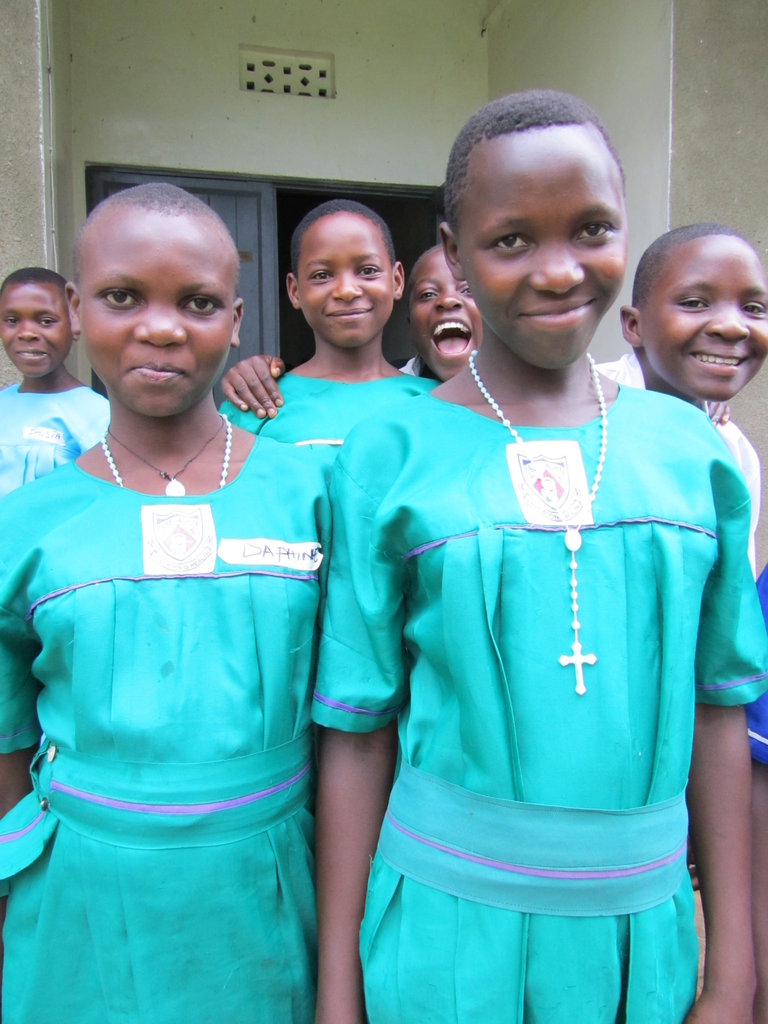
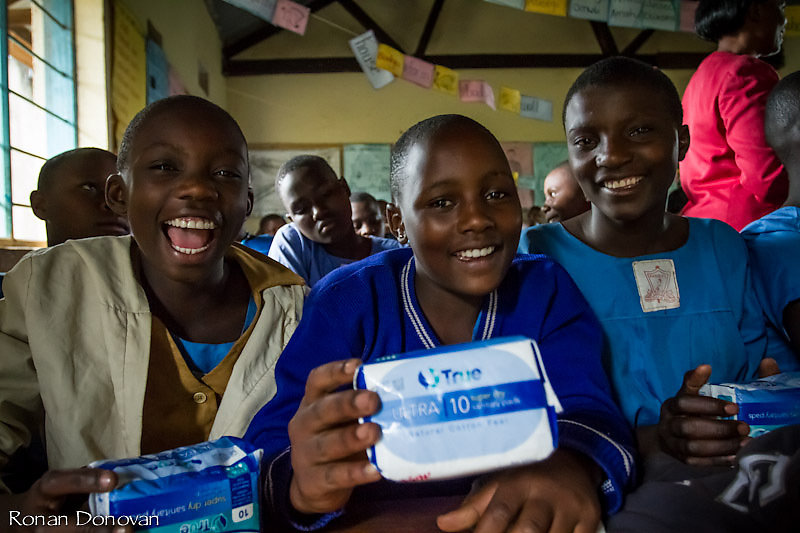
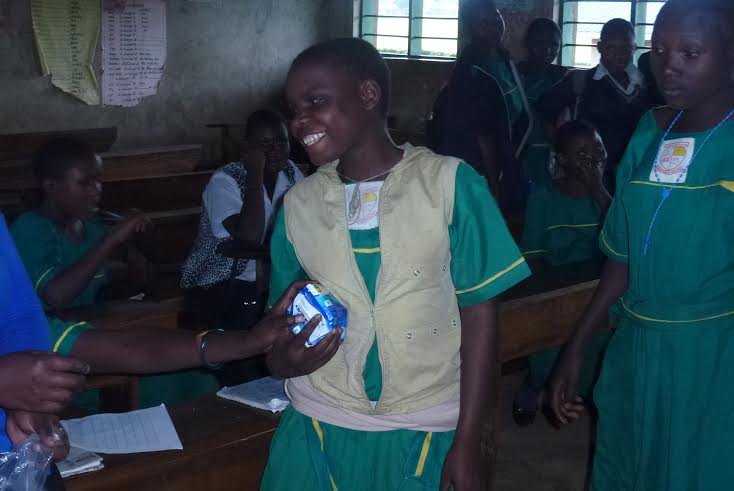
During the second week of each month, the Girls Peer Education program travels to five local primary schools in the Kibale Forest School District to distribute sanitary pads to girls in Primary 3 to Primary 7. These monthly distributions of sanitary pads help keep Ugandan girls in schools who might otherwise miss anywhere from three to seven days of school because of their monthly periods or the extreme but not unusual case of dropping out of school completely because of it. Kasiisi Primary School Headmistress Lydia Kasenene says “they stay at home because they are embarrassed and feel shame because of this very natural event. If their periods start during the school day, they may bleed through their dresses and won’t participate in class activities because they have to stand up and they may get made fun of.” The program distributes about 900 sanitary pads monthly to the five different primary schools. The pads give the girls confidence, independence, and the ability to be active all the time and participate fully in school just like the boys.
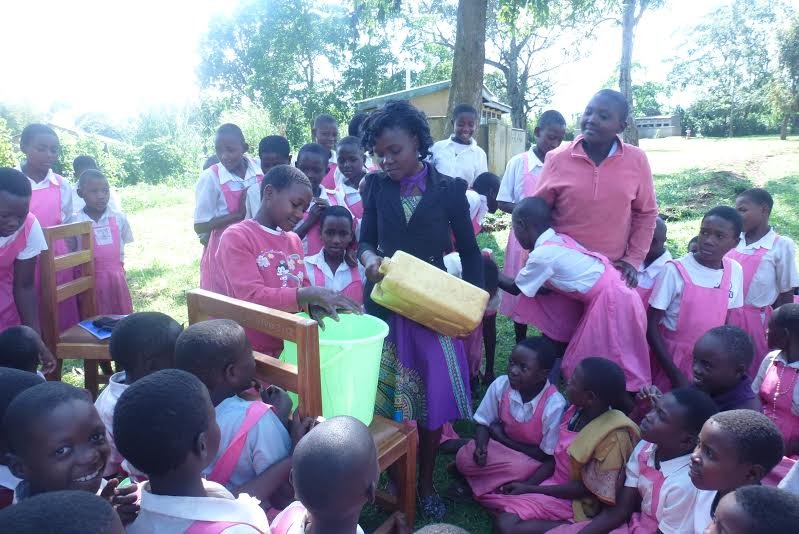
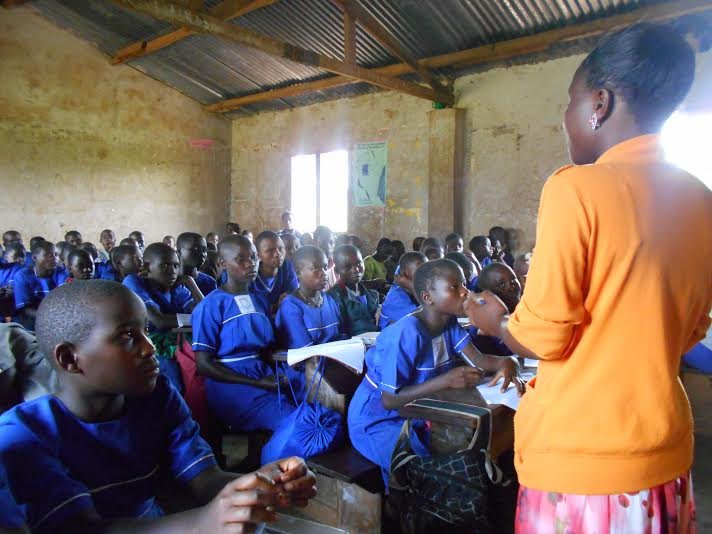
The monthly pad distribution also gives Kibale Forest Schools Program Nurse Eve Basemera and United States Peace Corps Health Volunteer Katelyn Wigmore, the opportunity to give health talks on various subjects from hygiene, menstruation, nutrition, early pregnancy, boy’s and girl’s development, abuse, marriage, and HIV/AIDS. The girls can ask questions and receive answers in a safe and learning environment. Many girls do not have an environment at home where they can ask questions and many times their mothers or relative or close friends do not know the answers to certain questions because they do not know either they never learned or were never told.
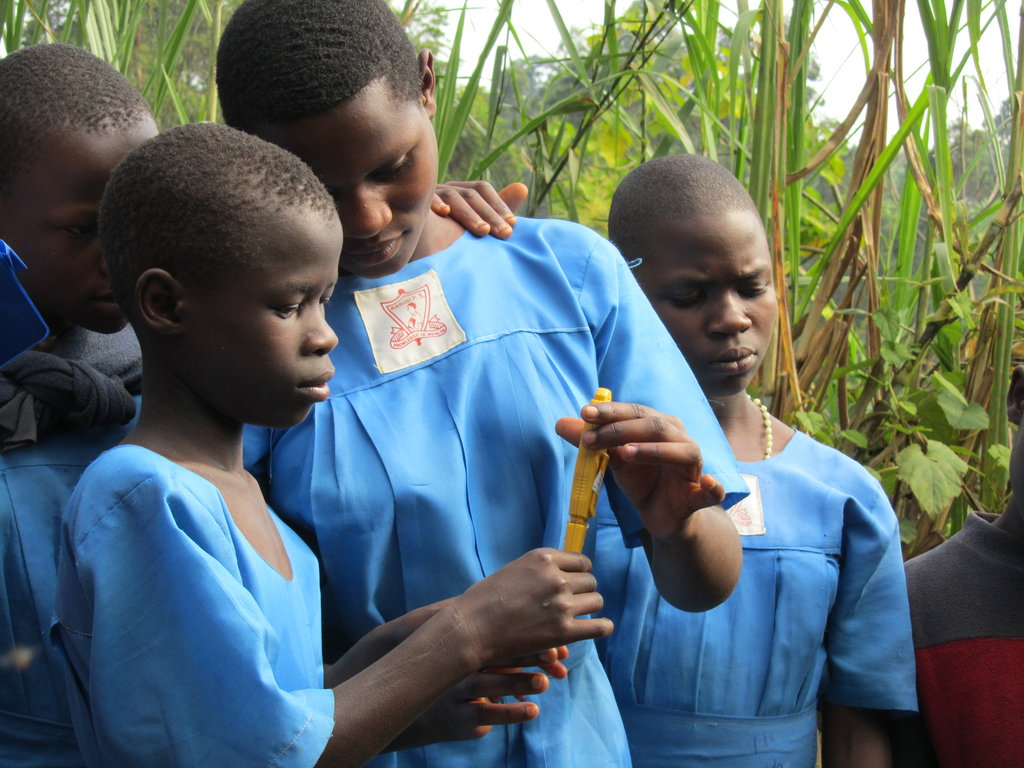
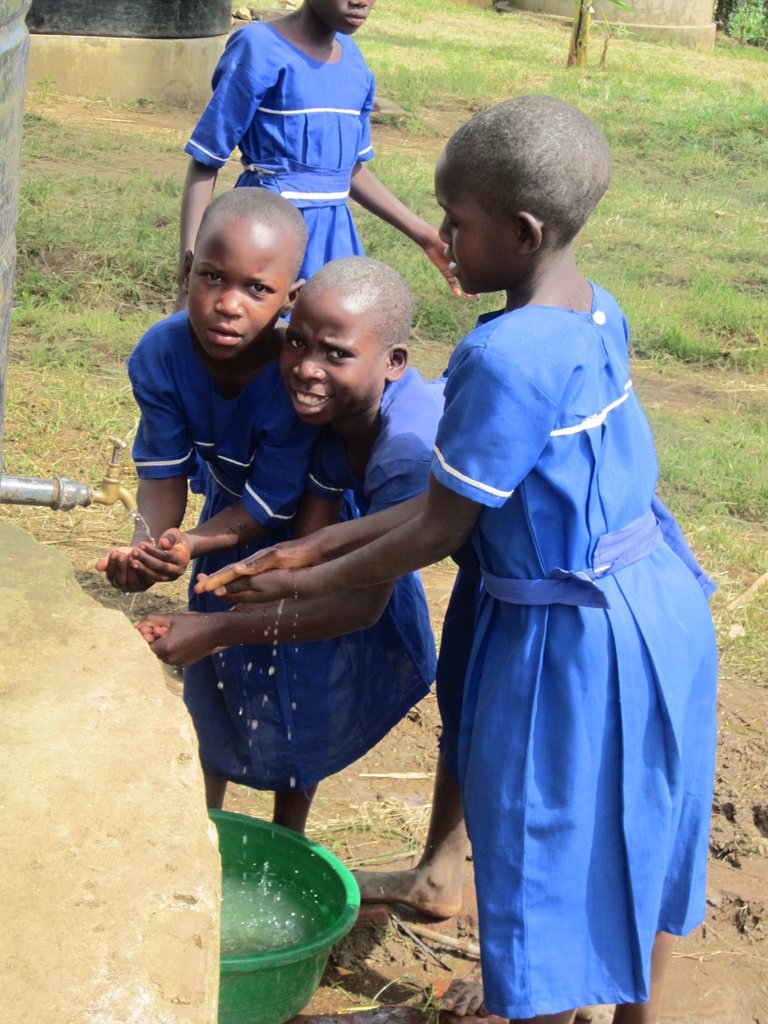
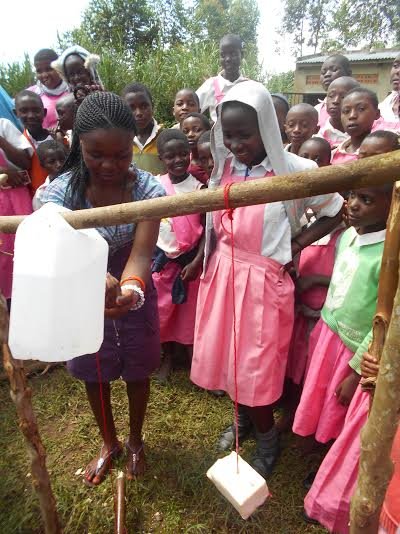
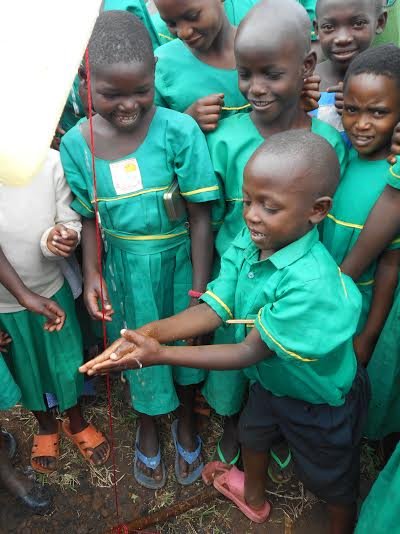
The distribution of pads and talks also gives the girls the chance to have hands on experience, such as learning how to use a sanitary pad, learning how to wash their hands with hand washing demonstrations and also learning to build tippy taps that are stationed outside their schools pit latrines to wash their hands. At each of the schools in November as the program focused on hygiene, they did an activity where after the tippy taps were built they brought a couple boys from the school to provide the girls with a teaching opportunity to teach the boys how to use the tippy tap and wash their hands. The girls are given skills that they can take back to share with their families and help create healthier environments at their homes, at school, or in the community. Girls gain confidence and information needed in their everyday lives. Kasenene puts it with a smile “they are becoming smarter than the boys.”
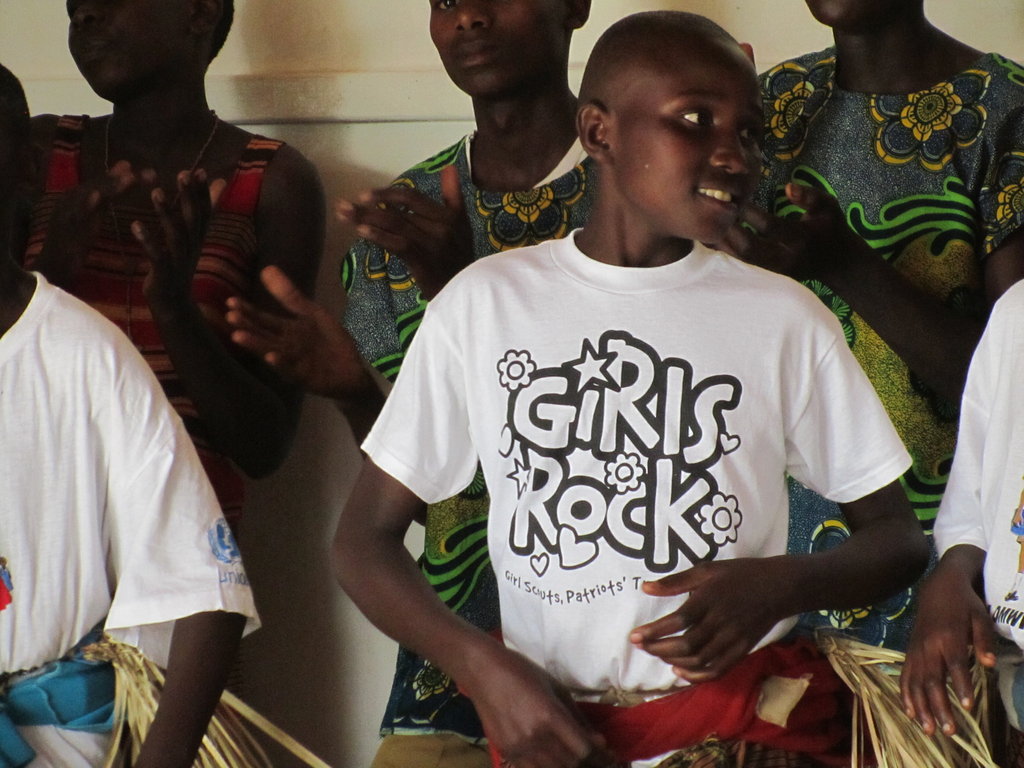
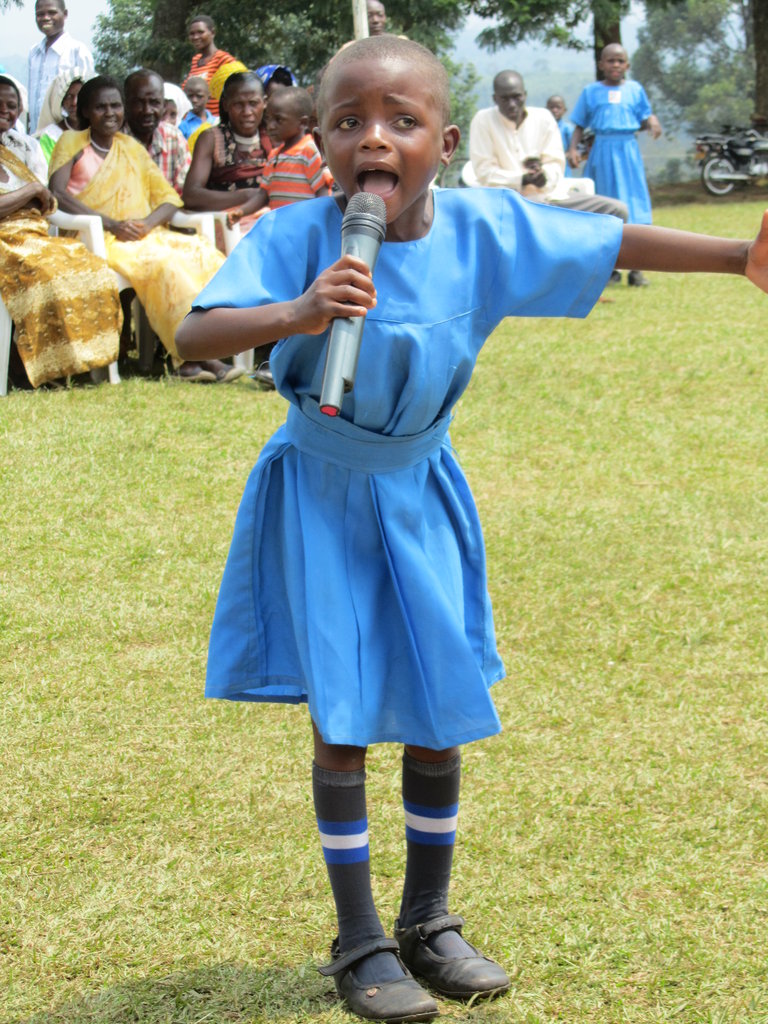
This coming year will focus on continuing to provide the girls with information on health topics to better their health, learn about Life Skills, and introduce different activities like Grassrootsoccer and peer education. The program hopes to combine with the Boys Peer Education program to do activities, also to help provide a better understanding of each other and hopefully will lead to more respect.
We would like to thank all the donors for their generosity as it helps change lives and when we can change one person we change a generation.
Links:
Project reports on GlobalGiving are posted directly to globalgiving.org by Project Leaders as they are completed, generally every 3-4 months. To protect the integrity of these documents, GlobalGiving does not alter them; therefore you may find some language or formatting issues.
If you donate to this project or have donated to this project, you can receive an email when this project posts a report. You can also subscribe for reports without donating.



Support this important cause by creating a personalized fundraising page.
Start a Fundraiser