Support4Reusable Sanitary, EmPower Girls Education

by Centre for Girls and Interaction (CEGI)
Support4Reusable Sanitary, EmPower Girls Education

Project Report | May 27, 2026
Project Report on Support4Reusable Sanitary Pads

By Chancy Simwela | Project Officer

Project Summary:
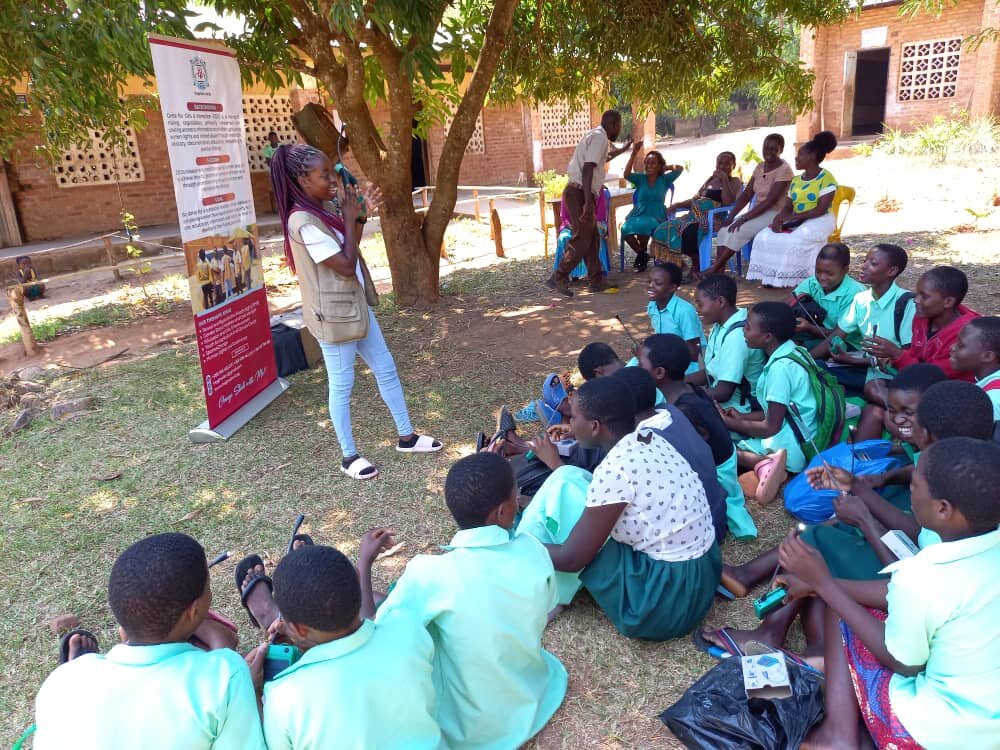
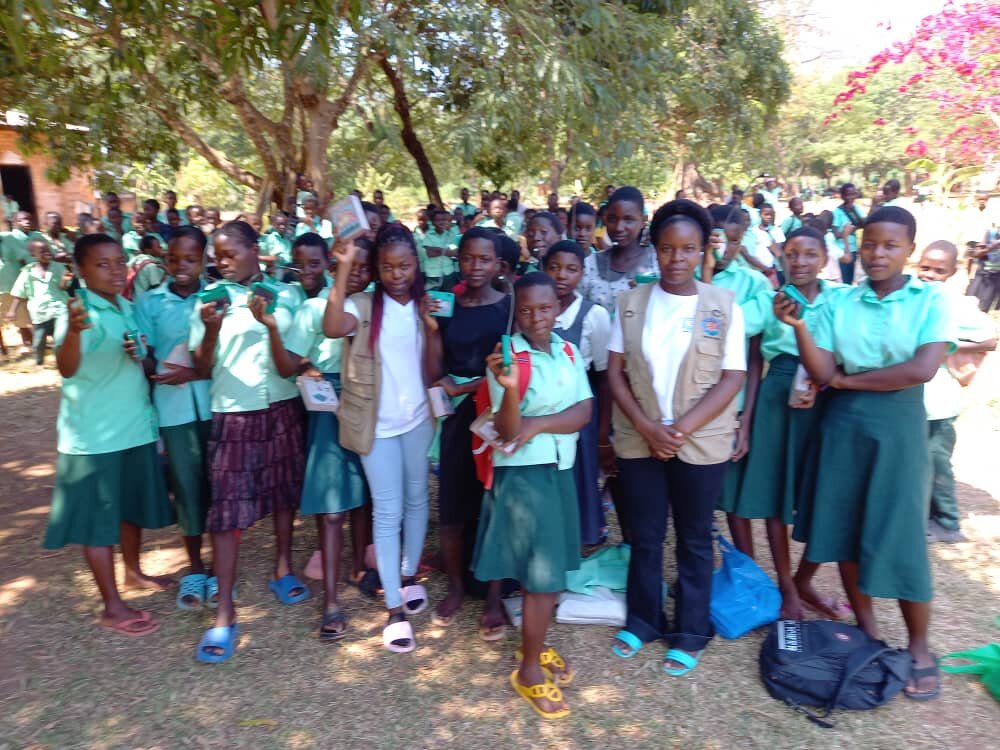
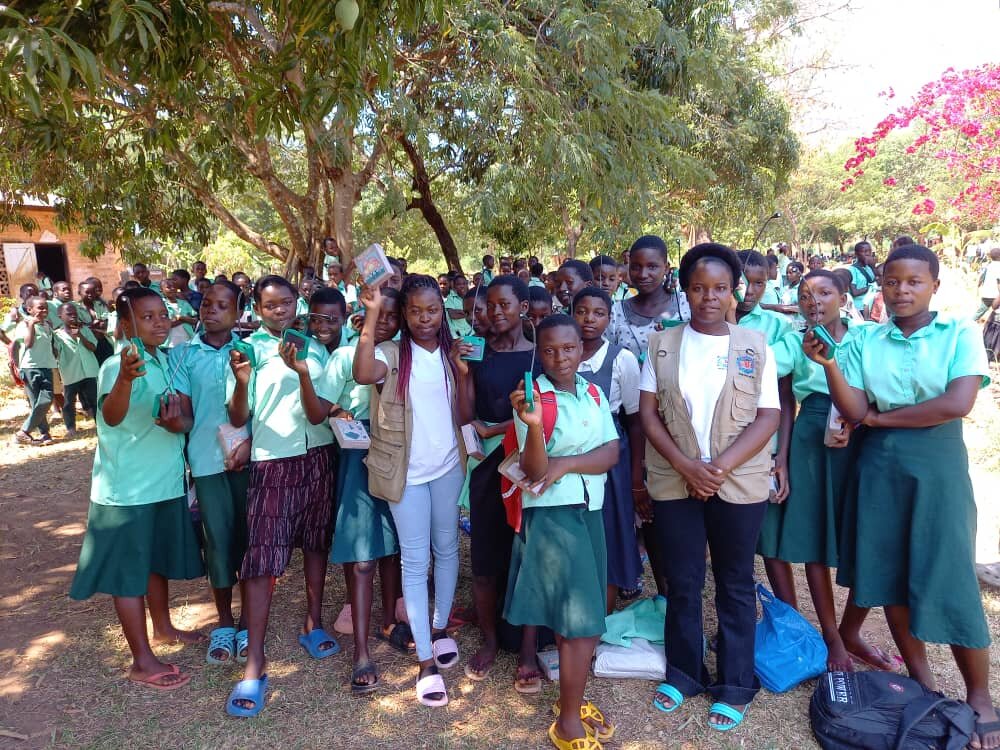
This project empowers girls through access to affordable, hygienic sanitary pads produced by CEGI volunteers both in schools and communities. By producing and distributing free pads to low-income girls and providing menstrual hygiene education in schools and communities, the project boosts confidence, improves hygiene, and enables girls to stay in school and thrive.

Without the capacity for reusable pads, women and girls often resort to using unhygienic, inconvenient and undignified methods of period care such as banana leaves and newspapers to manage their cycles. Furthermore, research has documented menstruating girls’ experiences of shame, fear and confusion across numerous country contexts. The challenges girls face attempting to manage their menstruation with insufficient information on their bodies, a lack of social support and ongoing social and hygiene taboos leads to a vicious cycle that reaffirms the statistics listed above.

To combat the issues stemming from lack of education on menstrual hygiene management (MHM) and cultural norms, CEGI seeks to create a comprehensive training program to offer with the sale of the reusable pads.

Key Achievements:

  • Increased and enrolled 68 AGYW (10-24 years) into the program at CEGI centre
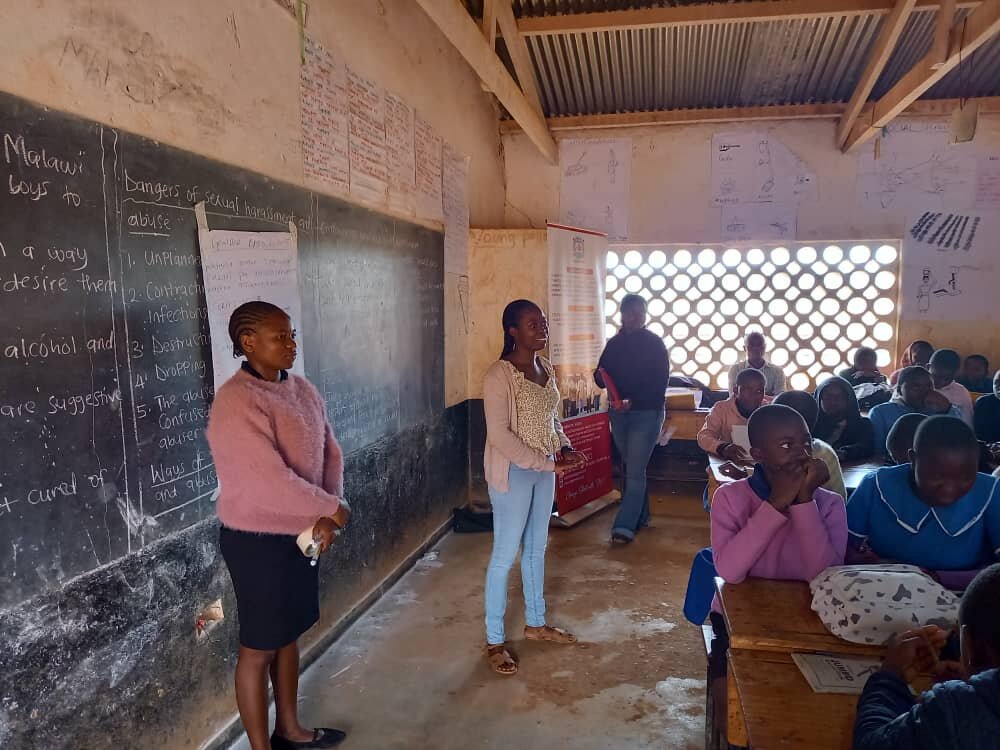
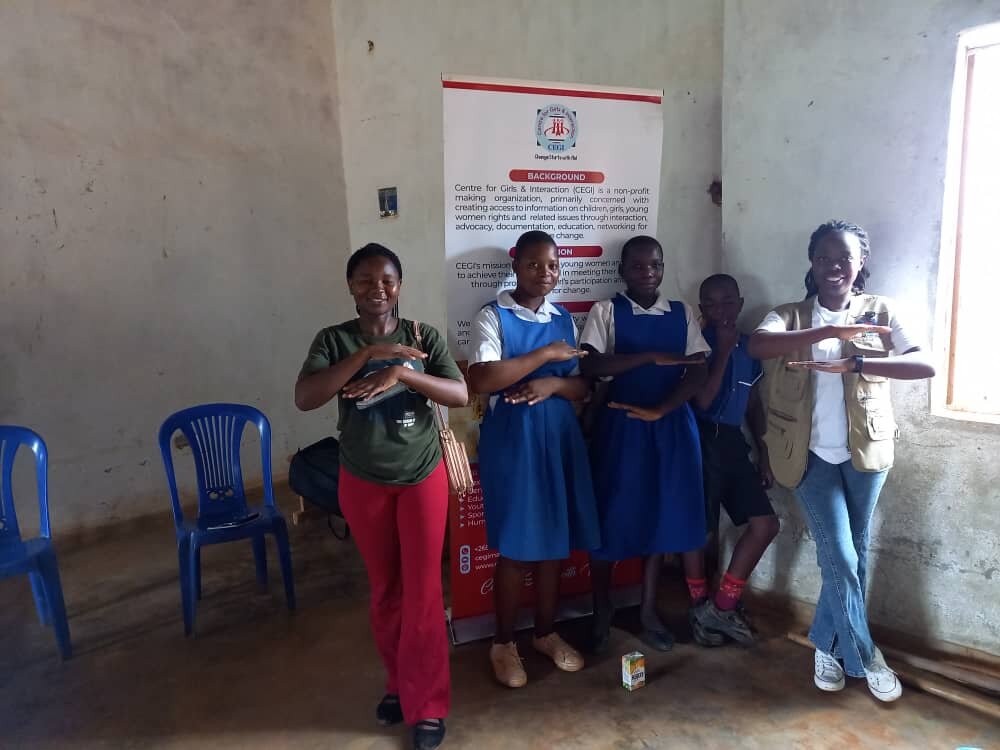
  • 20 community and school outreaches conducted with mother groups on menstrual hygiene and SRHR among youth
  • The stakeholders engaged to support MHM and SRHR program in schools and communities, including increasing access to health, and enhancing health education.

Challenges encountered:

  • Lack of continuity of support towards SRHR program for youth since some of activities were once off
  • Some community members expressed frustration with lack of support to support rural remote girls with sanitary pads especially the needs ones  
  • Compromised confidentiality and privacy.
  • Issues of accessibility especially for the special interest groups such as PWDs
  • Another problem was that most of the students lacked basic knowledge on sewing. As a result, we had to teach them these basics which also contributed to time consumption.

Lessons Learnt: 

Regular review of actions taken and follow-ups are very important so that commitments by stakeholders are accountable and ensuring that the health facilities are reported back any progress achieved to increase service uptake of SRHR and MHM among AGYW.

The presence of the mother groups ensured sustainability of the project as they were empowered to train the remaining girls and polishing them up.

As a result of increased community engagement and understanding of best practices for menstrual hygiene, this program can spur a cultural shift rooted in supporting school-aged girls throughout their menstruation cycles. This support will give them the confidence needed to seek further education and the management practices best suited to them as individuals.

Recommendations:

  • Developing contingency plans for managing pads stockouts and supply chain disruptions.
  • There is need to visit the school during the term to check on the girls progress in terms of hygiene and reduced level of absenteeism. These visits will also focus on the girl’s improvement in sewing reusable pads.
  • Train peer educators to provide SRHR education and support to young people.
  • Increase community outreaches and engagement to promote SRHR, HIV prevention services and encourage uptake.
  • Establish facility feedback mechanisms to ensure that community concerns and suggestions are heard and addressed e.g. suggestion boxes.
  • Conduct focused group discussions to ascertain members’ opinions.
Share on Twitter Share on Facebook

About Project Reports

Project reports on GlobalGiving are posted directly to globalgiving.org by Project Leaders as they are completed, generally every 3-4 months. To protect the integrity of these documents, GlobalGiving does not alter them; therefore you may find some language or formatting issues.

If you donate to this project or have donated to this project, you can receive an email when this project posts a report. You can also subscribe for reports without donating.


Sign up for updates

Organization Information

Centre for Girls and Interaction (CEGI)

Location: Mzuzu, Northern region - Malawi
Website:
Facebook: Facebook Page
Project Leader:
Pearson Malisau
Mzuzu , Northern region Malawi
$0 raised of $34,500 goal
 
1 donations
$34,500 to go
Donate Now
lock
Donating through GlobalGiving is safe, secure, and easy with many payment options to choose from. View other ways to donate

Centre for Girls and Interaction (CEGI) has earned this recognition on GlobalGiving:

Help raise money!

Support this important cause by creating a personalized fundraising page.

Start a Fundraiser

Learn more about GlobalGiving

Teenage Science Students
Vetting +
Due Diligence

Snorkeler
Our
Impact

Woman Holding a Gift Card
Give
Gift Cards

Young Girl with a Bicycle
GlobalGiving
Guarantee

Get incredible stories, promotions, and matching offers in your inbox

WARNING: Javascript is currently disabled or is not available in your browser. GlobalGiving makes extensive use of Javascript and will not function properly with Javascript disabled. Please enable Javascript and refresh this page.