Project Report
| Dec 11, 2008
Curriculum Training
By J. Jensen | Program Director
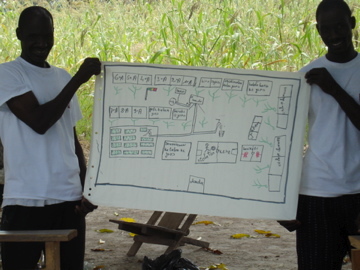
![villagers present their vision on an educated village]()
villagers present their vision on an educated village
In October, 2008, the Utah-based education committee traveled to the villages of Ouelessebougou to start a new initiative called the "Village Education Plan". Two villages were selected to pilot the project - Dialakoro Keleya and Bamakoni. Each village education council worked together to determine their personal aspirations for education in their village. I had the opportunity to watch the training in Dialakoro Keleya. With men and women participating as equals, we saw a beautiful vision come into existence. The villagers were taking control of their future, which is what we love to see.
Women in the villages feel empowered by these trainings. One villager stated, “When you teach to a woman, you teach to the family, and you make them ready for development.”
We want to thank our donors who have made these education programs possible. We couldn't do this without you! Thank you!!
Please leave comments if you have any questions or concerns.
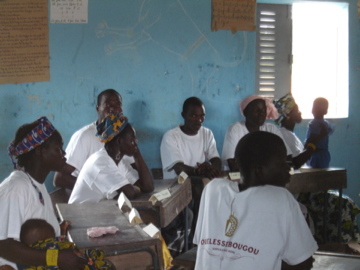
![Education Plan training moves inside during the rain.]()
Education Plan training moves inside during the rain.
![Share on Twitter]()
![Share on Facebook]()
Aug 13, 2008
200 new students to start school this year!
By Jodie Jensen | Program Director
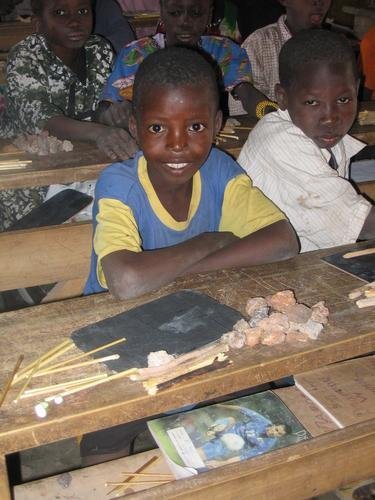
When I heard from our field staff that we need 50 new benches for our schools, I was discouraged, thinking that our benches were falling apart. When they told me that it is because we have up to 200 new students entering our classrooms in the fall, I was overjoyed! More students means more supplies, more teachers and more training needed. We're excited for this new challenge because we can see the profound impact it will have on these 200 students.
![Share on Twitter]()
![Share on Facebook]()
Jan 4, 2008
Village education update!
By J. Beckstead | Executive Director
![]()
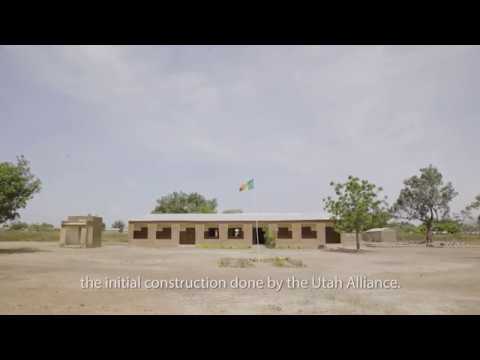
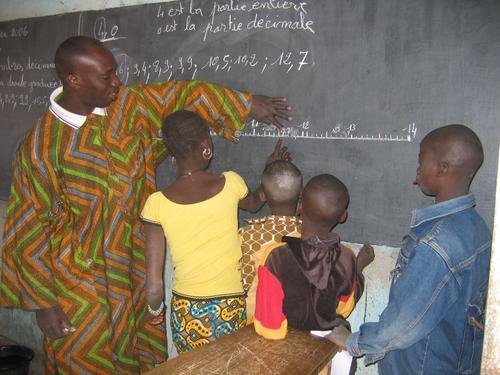
I recently had the opportunity to travel to Ouelessebougou and was fortunate to spend quite a bit of time visiting with the teachers and students in several elementary schools. As I visited with these remarkable people, I was reminded of the educational challenges they have faced and improvements they have made over the years. I was reminded of the low literacy rate that continues to impact the entire nation of Mali. Only 12% of women and 27% of men are able to read or write. This statistic was very troublesome to me, but as I looked around at the schools that have been constructed and the number of students attending them, I felt an extreme amount of hope.
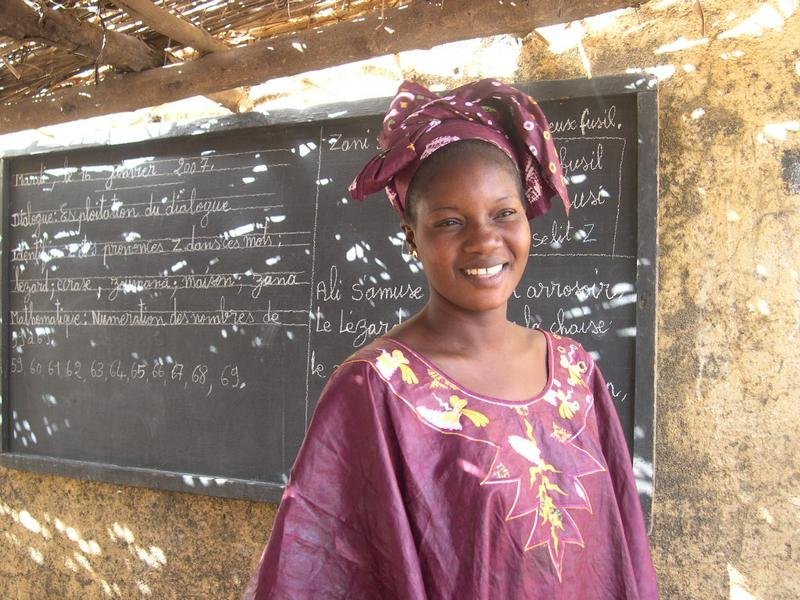
During my visit to the village of Dialakoro Keleya, I was able to meet with a teacher by the name of Salif. He mentioned several educational improvements that have occurred since he attended school as a young boy many years ago. The two improvements that he emphasized the most were that 1) teaching is much more interactive now and corporal punishment is no longer the acceptable way to teach and 2) girls are now attending school—an opportunity their mothers never had!
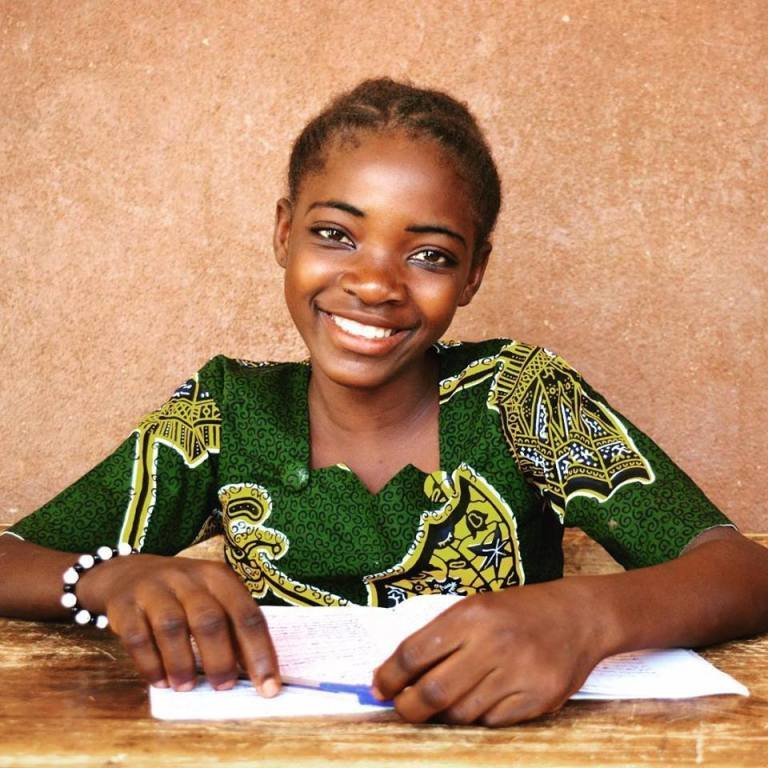
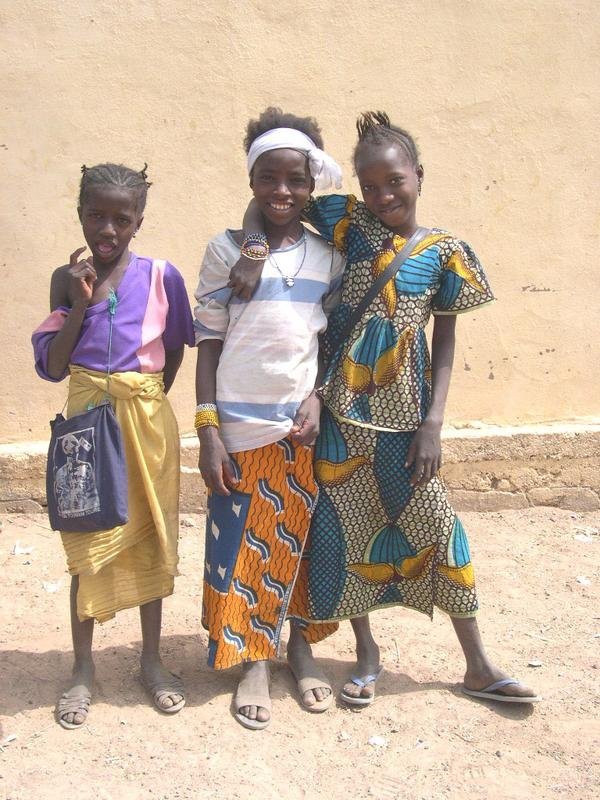
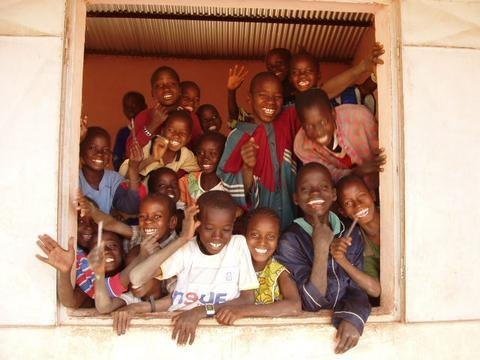
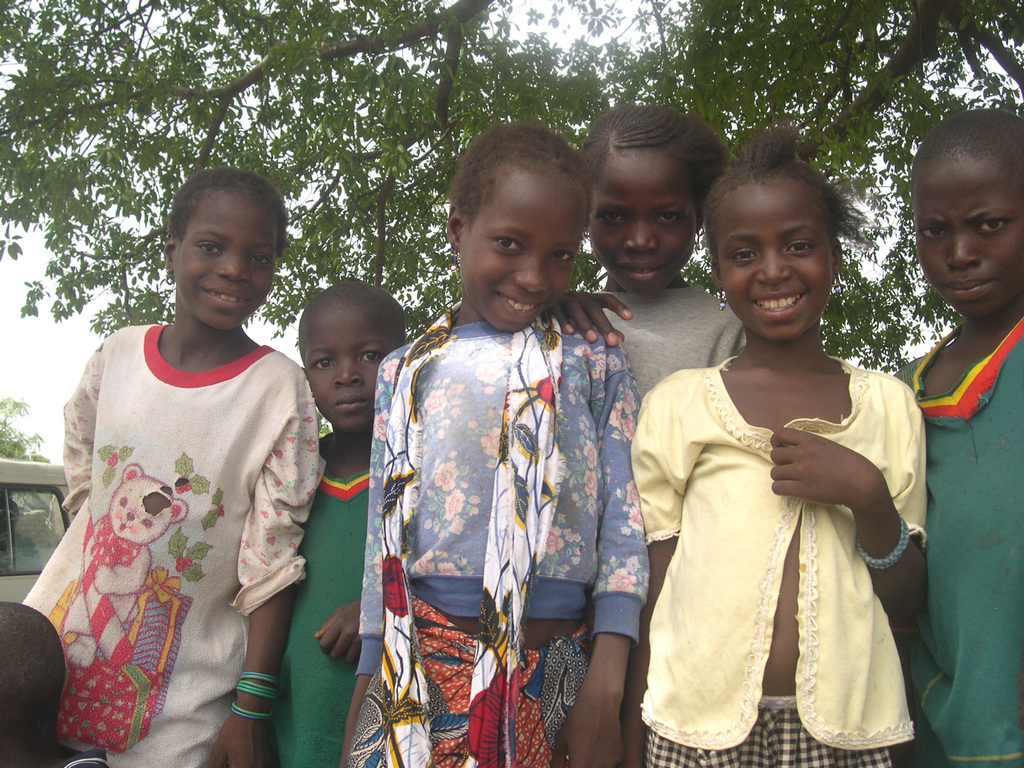
Education is becoming a higher priority throughout Mali and the Alliance is thrilled to be a part of this progress! 64% of Malian children are now attending schools and many of them are girls! Historically Malian girls have not been allowed to attend school; however, parents are really beginning to see the importance of an education for their daughters. 500 girls are currently attending the Alliance’s 12 elementary schools! I believe that this generation of children will have many more opportunities in the future because of the education they are receiving. Your support of the Alliance’s education program will truly make a lasting impact for generations to come!
![Share on Twitter]()
![Share on Facebook]()