By Marie-Claude Pelchat | Project Leader
Every year, millions of people around the world suffer burns and scald injuries, many of which could have been avoided.
Burns are often dismissed as a "personal accident," but in fact they are a "global health issue." Burns do not only occur in certain countries or specific groups of people, but can occur anywhere, at any time, and to anyone. Every year, millions of people suffer from burns in Taiwan and around the world. This includes not only industrial or household accidents, but even some basic daily behaviors can cause serious burns and scalds: hot soup placed on an unstable table, gas stove that was not turned off properly, an electrical extension cord that is overloaded...
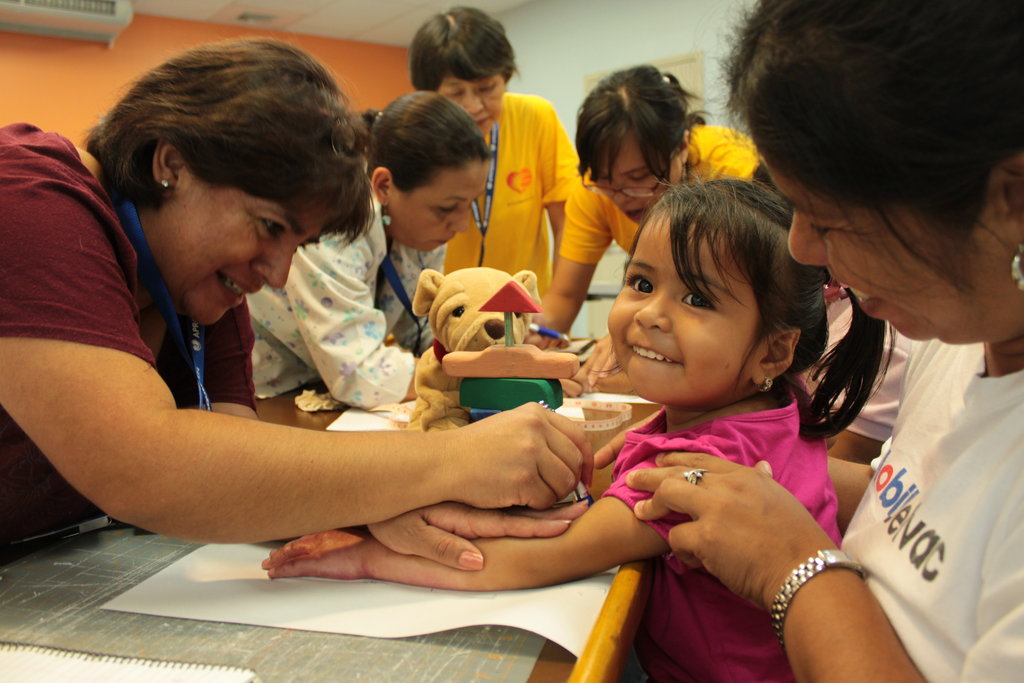
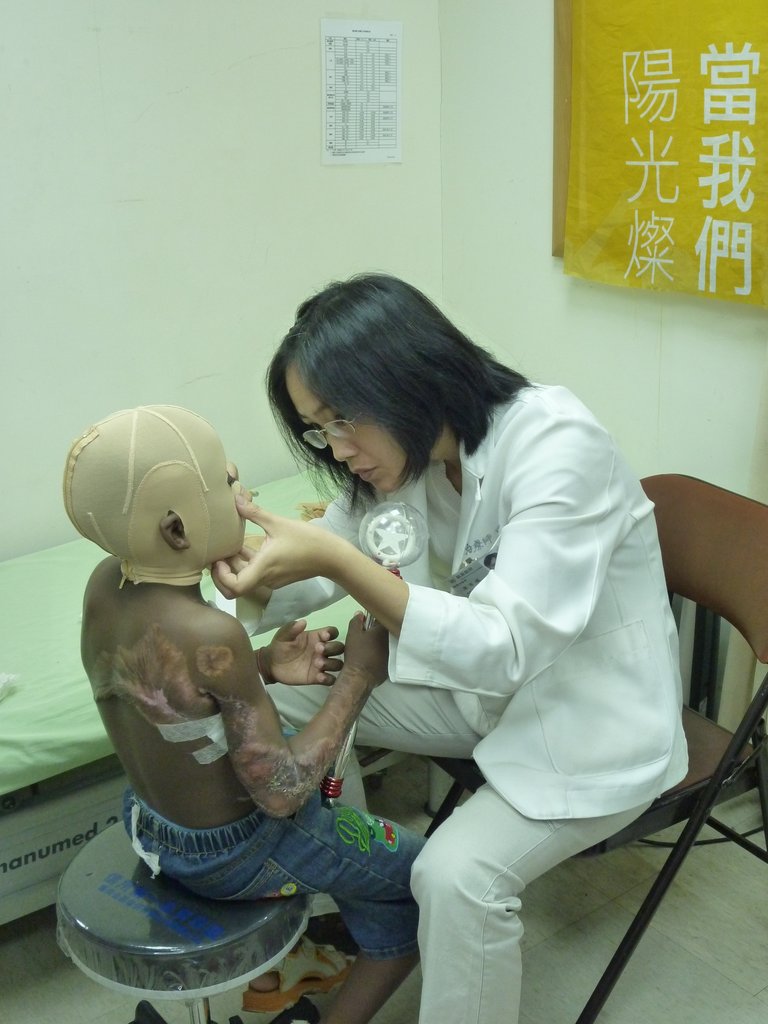
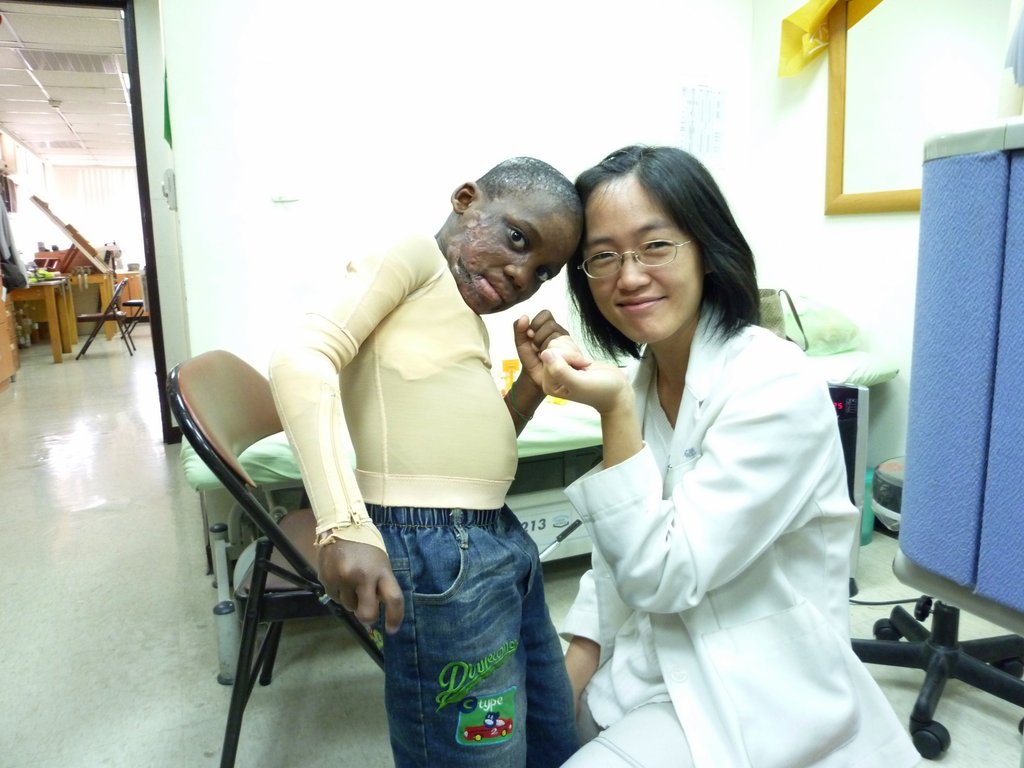
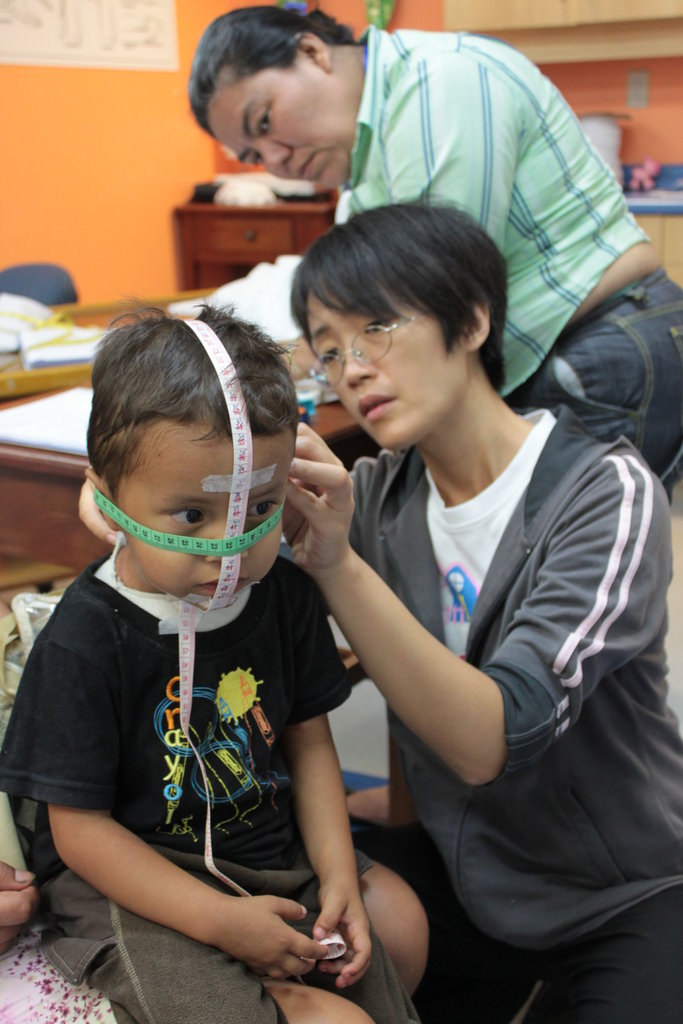
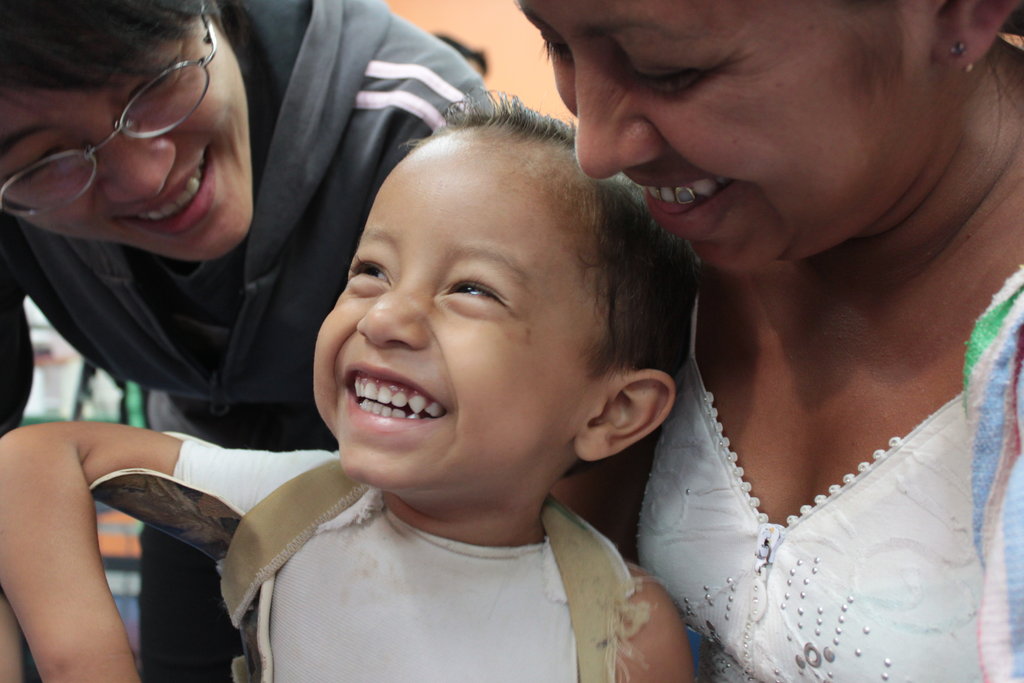
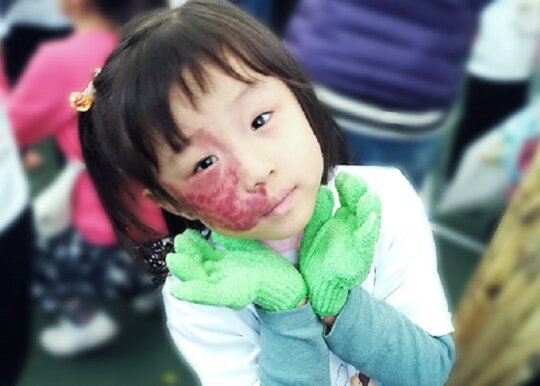
Burns have a huge impact on a person's life. However, depending on where in the world burns occur, this can lead to very different outcomes, and the impact of these changes on people's lives is uneven. Due to the economic development and improvement of living conditions in Taiwan, as well as the promotion of burn prevention, awareness of safe first aid is more common. In addition, Taiwan's medical system provides high-quality treatment and national health insurance. This and the work of organizations like the Sunshine Foundation that specialize in serving burn survivors ensures that once a burn accident occurs, not only can it be dealt with immediately, but follow-up burn rehabilitation treatment is available, so that the burn survivor can recover and return to society as soon as possible.
But the international problem of burns is even more serious. In low- and middle-income countries, poverty leaves many people living in unsafe environments and dangerous living conditions. Once an accident occurs, many people are unable to receive timely and effective treatment for burns and scalds, resulting in a high mortality rate. Even if they successfully seek medical treatment, low- and middle-income countries have difficulty providing patients with the physiological and psychological reconstruction services for burns and scalds that they most need after accidental emergency treatment. As a result, burn survivors not only face the loss of physiological functions, but also their opportunities to return to society are severely limited. This puts many families in greater financial straits and leaves burn survivors facing a longer and more difficult road to recovery.
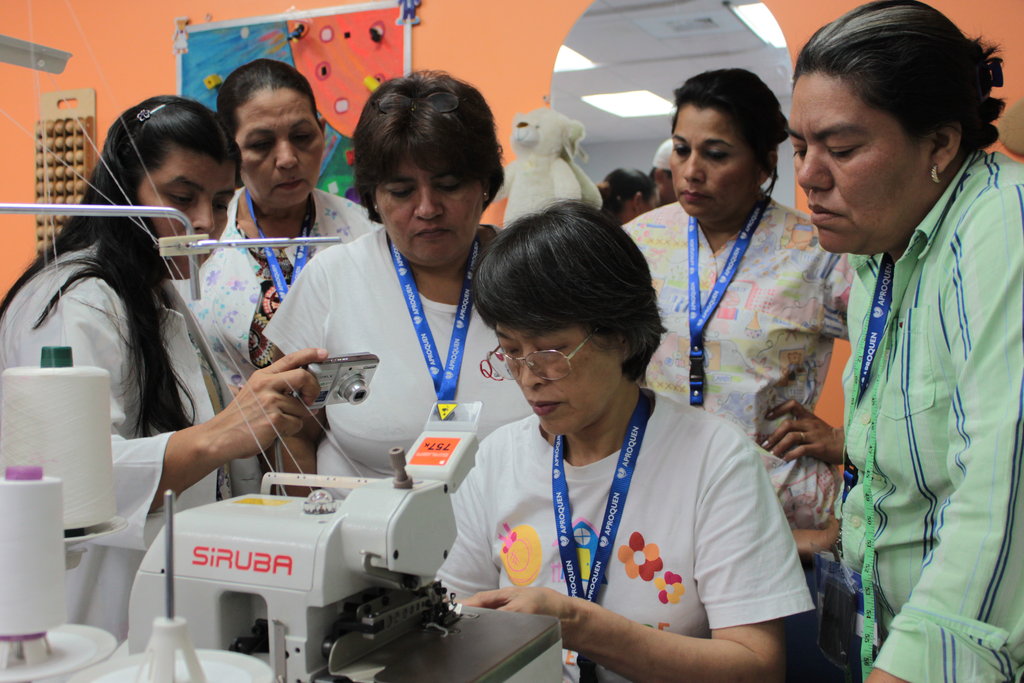
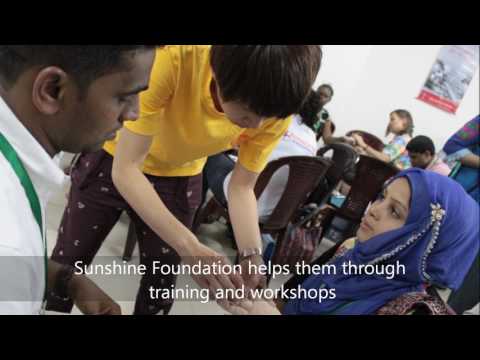
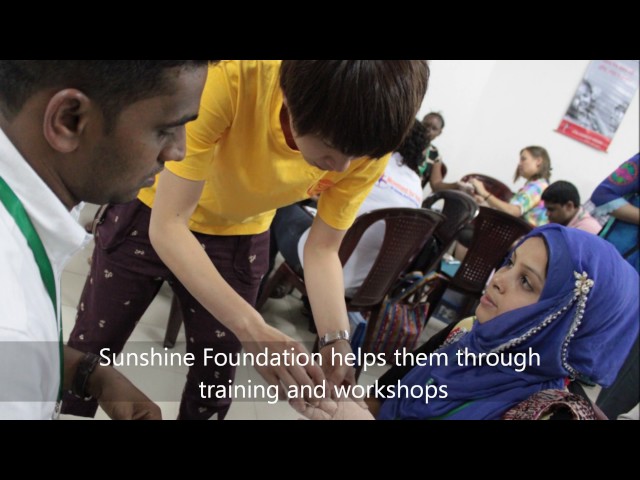
Through its international capacity building training projects, Sunshine Foundation hopes to empower burn professionals in other countries with the knowledge and skills to tackle the challenges of burns. This is also why Sunshine Foundation has joined forces with international burn organizations to hold the first "World Burns Week" from November 4 to 10, 2024 to enhance awareness of burns as a global health issue and promote extensive cooperation to reduce the global burden of burns and improve the quality of life of burns patients around the world.
Each of us can be part of the change: whether it’s sharing information about burns and burns, supporting organizations, or learning how to prevent burns and burns, everyone can play a role in this global effort.
We invite you to:
Project reports on GlobalGiving are posted directly to globalgiving.org by Project Leaders as they are completed, generally every 3-4 months. To protect the integrity of these documents, GlobalGiving does not alter them; therefore you may find some language or formatting issues.
If you donate to this project or have donated to this project, you can receive an email when this project posts a report. You can also subscribe for reports without donating.