By Hannah O'Riordan | Project Leader
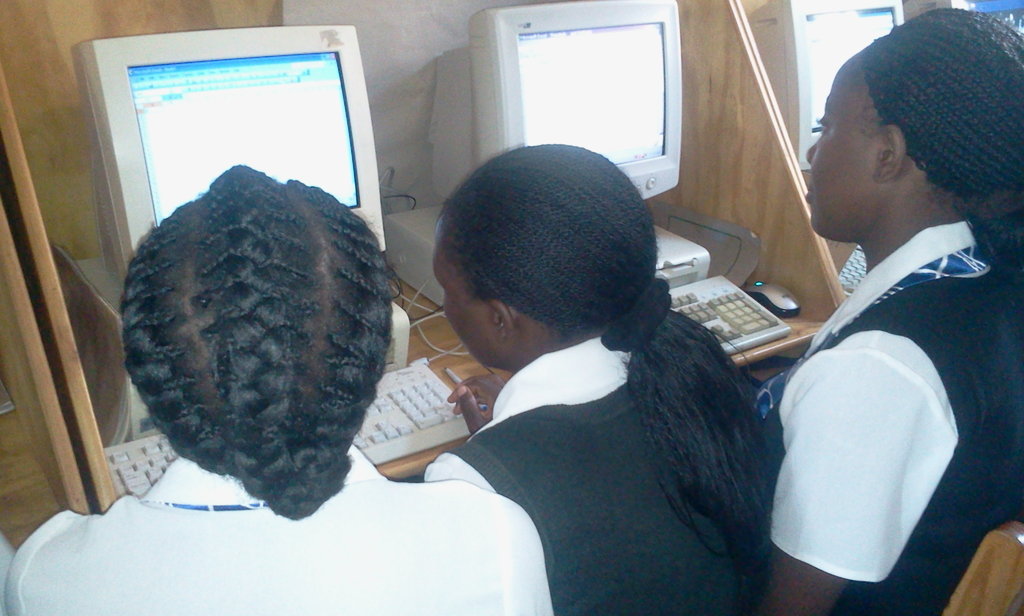
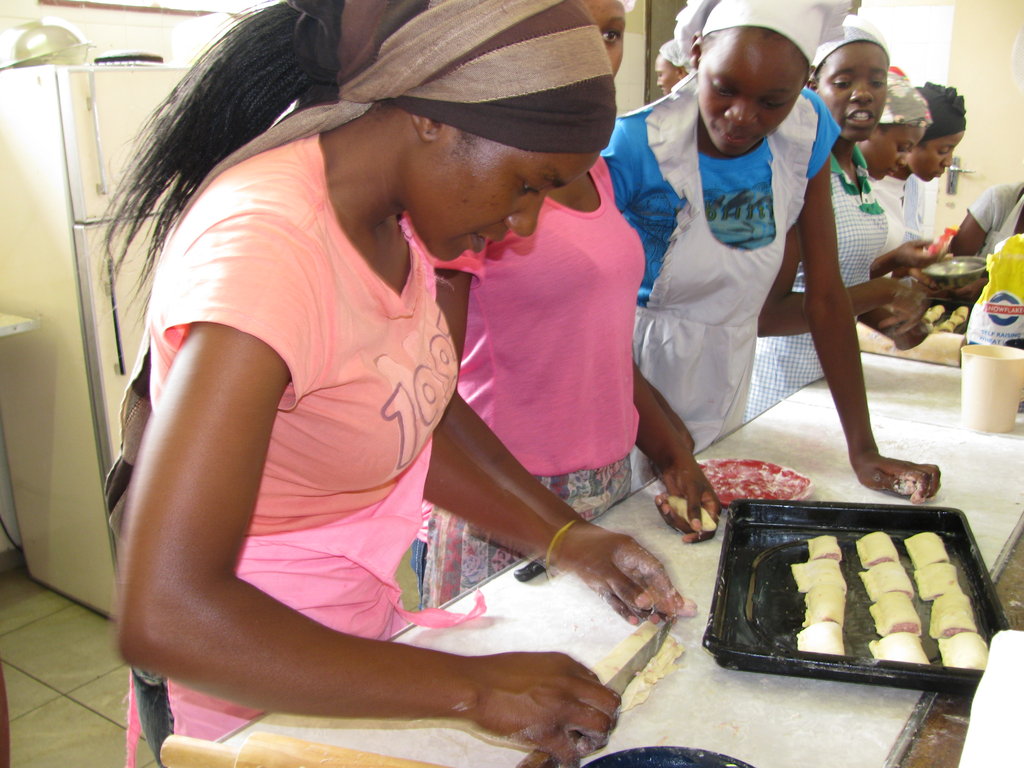
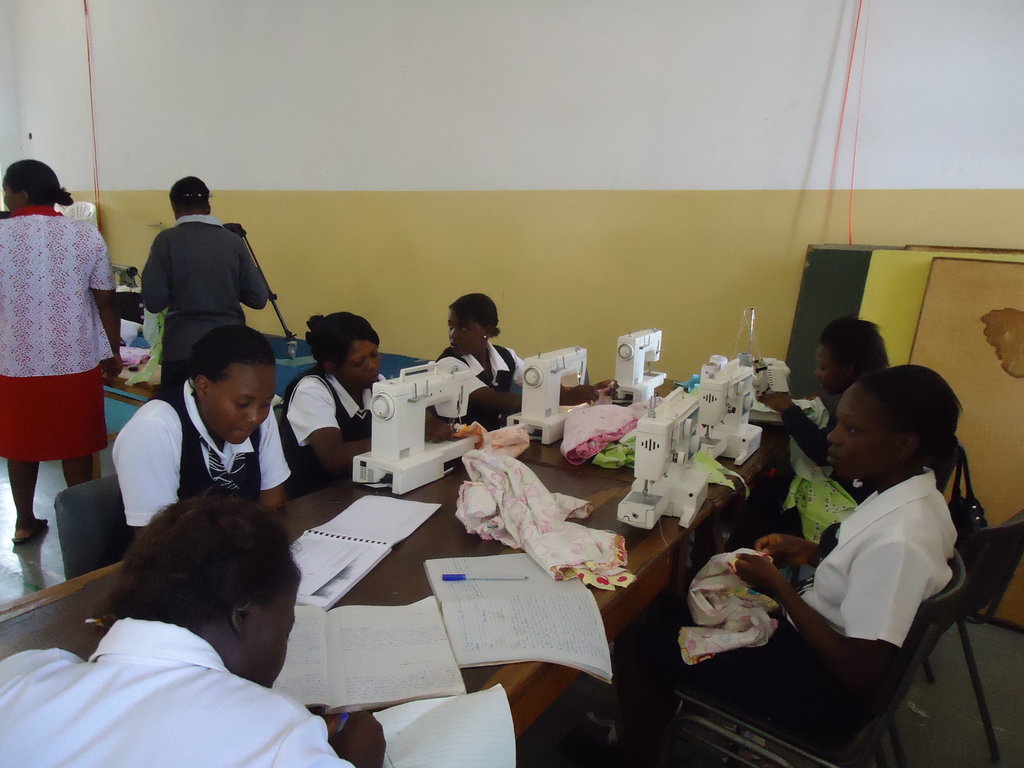
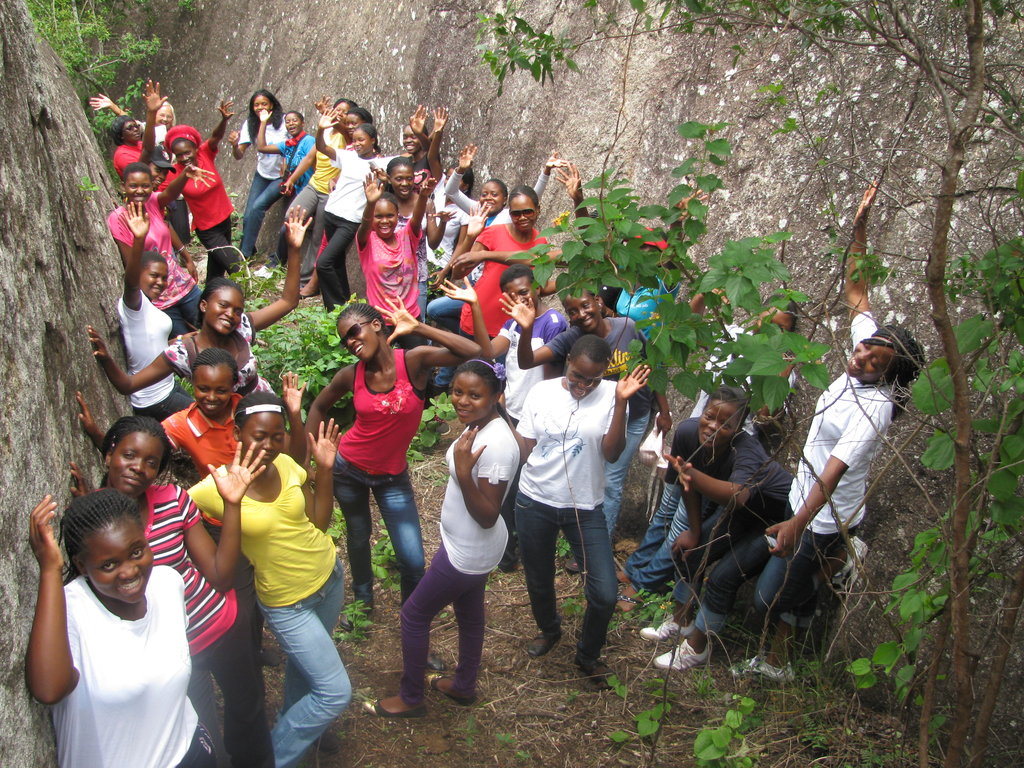
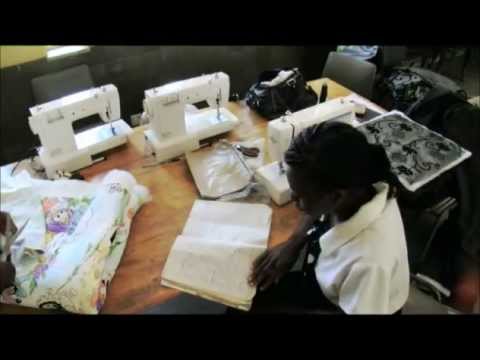
Rafiki Girls Centre has had an exciting quarter, seeing the start of their expansion. Alongside this, the current students have been excelling and Rafiki has been contributing to the ongoing national dialogue surrounding HIV/AIDS. The July intake from 2017 continue to excel in their studies, with 5 training in nursing, 4 in preschool teaching, 13 in design, 10 in hospitality. Rafiki were particularly pleased for the pre-school students, who have been moved to a new primary school, where their course not only offers them a diploma qualification in Early Child Development, but the opportunity to continue onto degree level.
Although the July 2017 intake is still three months away from completing training each one of them is already beginning to show the transformation that Rafiki training is having on their lives; the major transformation being their mindsets, increasingly seeing themselves as powerful, valuable and capable. Rafiki’s work in the initial parts of the course, to boost their life skills and self-confidence, have clearly taken root and all of the girls have expressed their sincerest gratitude for this opportunity for a better future.
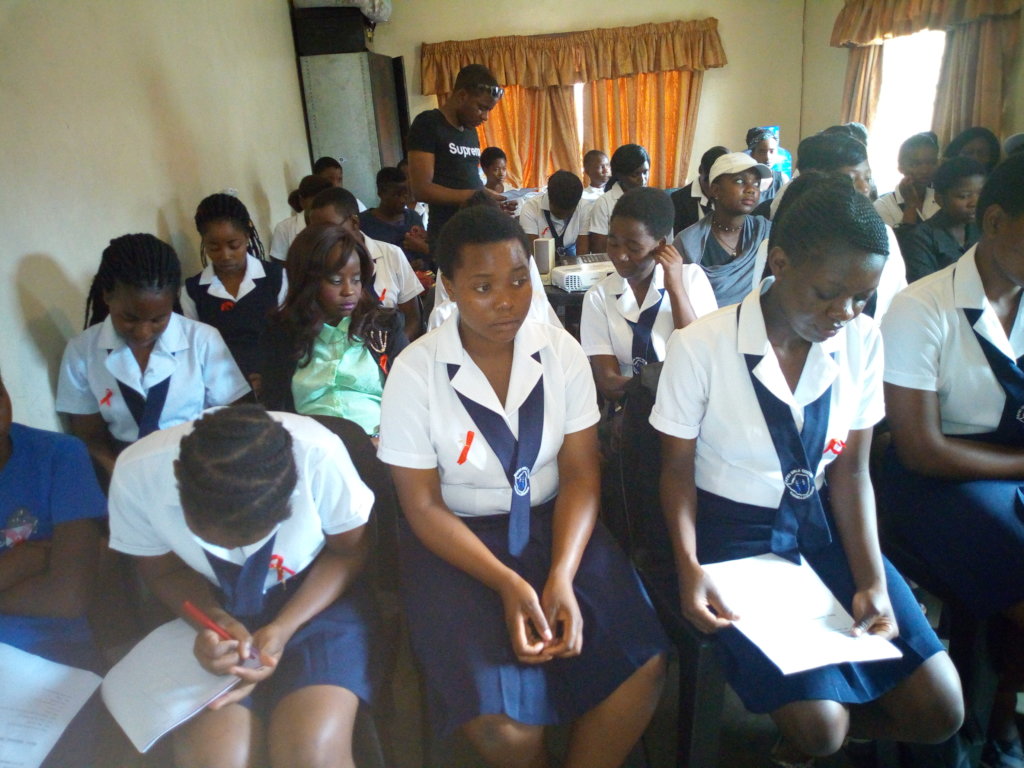
This quarter, the key extra-curricular events tied into the World AIDS campaign across Zimbabwe, with Rafiki running voluntary HIV testing (which all students took the opportunity of, and fortunately no new cases of HIV were discovered) and counselling, which encourages and supports students to accept their HIV status and manage it effectively. On top of this, Rafiki ran an HIV/AIDS workshop, attended by 100 women. The focus this year, as it is across the national campaign, was preventing new infections and increasing awareness on this. Participants were involved in talks, videos, dramatic pieces and games which was an educational and engaging way to handle the topic, and the information was received positively.
Despite the considerable success of each of the student trainees, and Rafiki’s extra-curricular activities, the centre did face challenges in recent months. They have noticed increasingly that because their mission is to accept the most vulnerable and disadvantaged girls, the vast majority of students have not completed O Levels and some cannot read and write at all. This makes it very challenging as they first need to be educated to a standard where they can read and write course materials, before excelling in their vocational training. In addition to this, economic difficulties in the country have regularly ground Rafiki’s work to a standstill, as the centre is unable to withdraw its money from the bank due to cash shortages and so cannot buy resources. Both of these issues are beyond Rafiki’s control, but being aware of these issues has enabled Rafiki staff to re-plan their time and resources for 2018 to minimize these barriers.
Recruitment was under way this quarter for a new intake in January, where 40 new students were taken on board. This is 10 more students than normal, although still less than half of the 102 students who applied. Rafiki made the decision last quarter that due to demand, it would have to double its capacity to take on many more students. They are now embarking on that mission with this first intake, and hoping to bring in a new member of staff in March to manage this change in operations. However, funding for the new staff and students remained limited, and to provide the service that is so urgently needed, Rafiki desperately needs increased donations.
Project reports on GlobalGiving are posted directly to globalgiving.org by Project Leaders as they are completed, generally every 3-4 months. To protect the integrity of these documents, GlobalGiving does not alter them; therefore you may find some language or formatting issues.
If you donate to this project or have donated to this project, you can receive an email when this project posts a report. You can also subscribe for reports without donating.



Support this important cause by creating a personalized fundraising page.
Start a Fundraiser