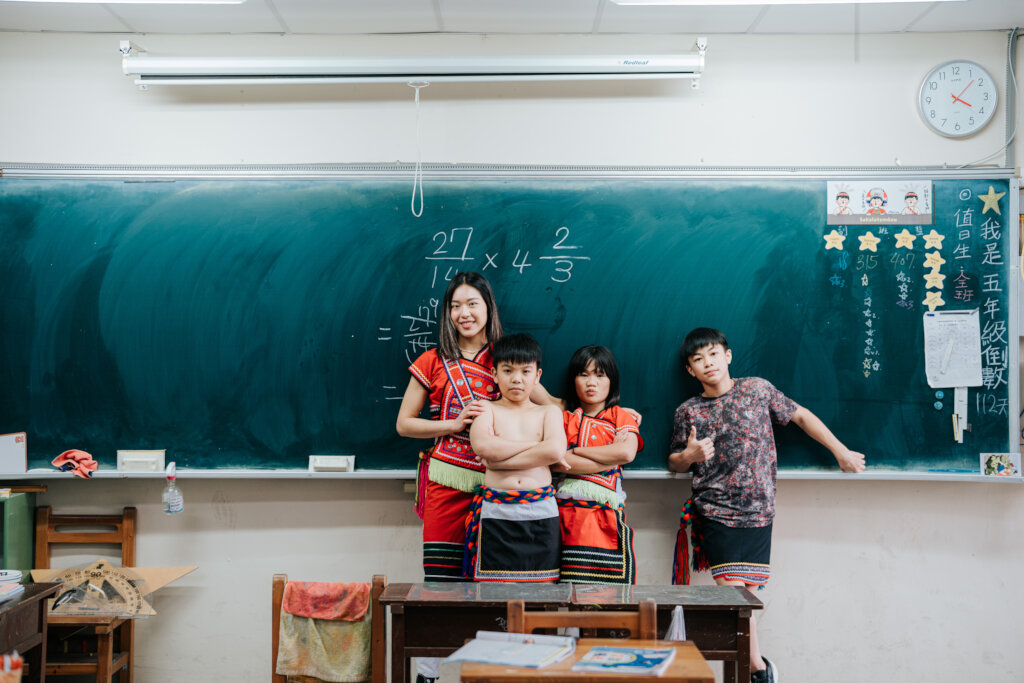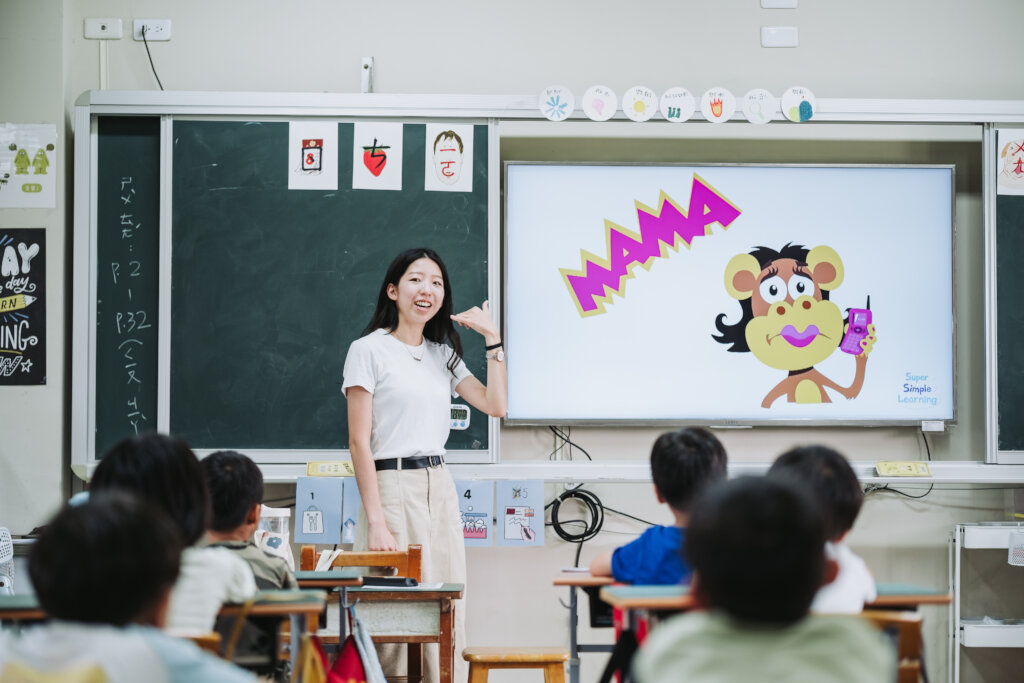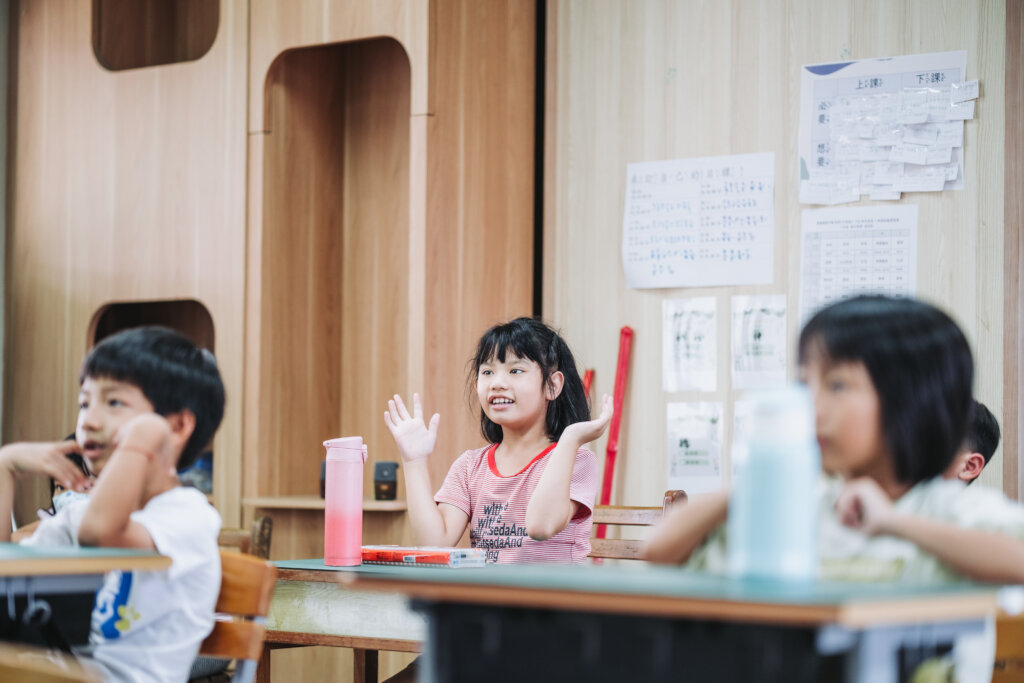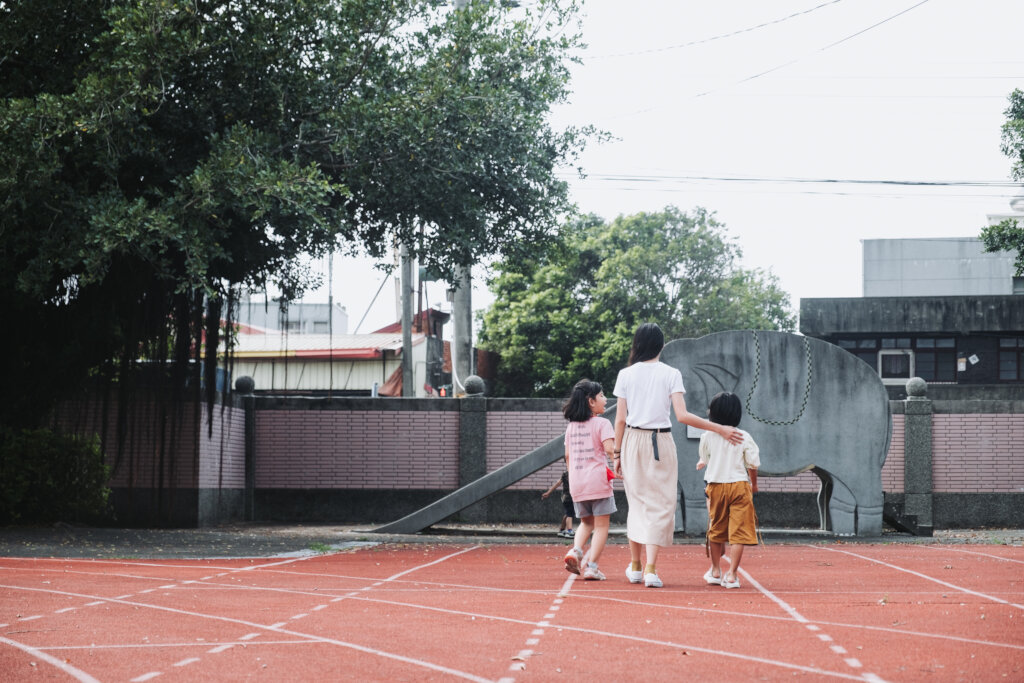
By Lu Yue | TFT ER Team
Have you ever worried that a noisy classroom means something is wrong—when it might actually mean children feel safe enough to be real?
-----------------------------------------------------------------------------------------------------
Why Is My Class Always the Loudest?
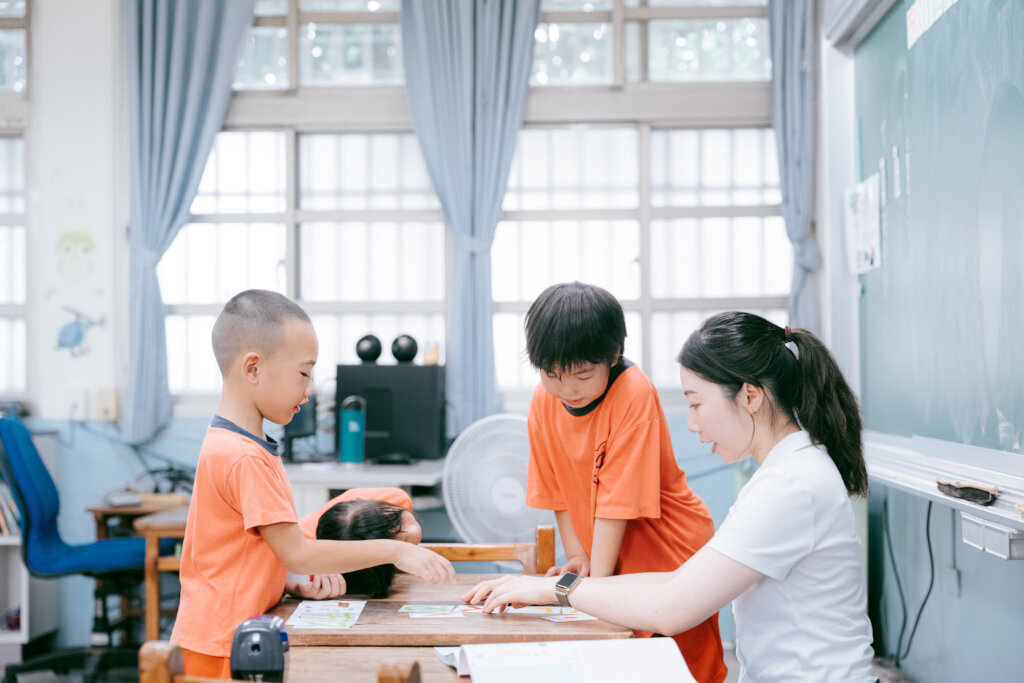
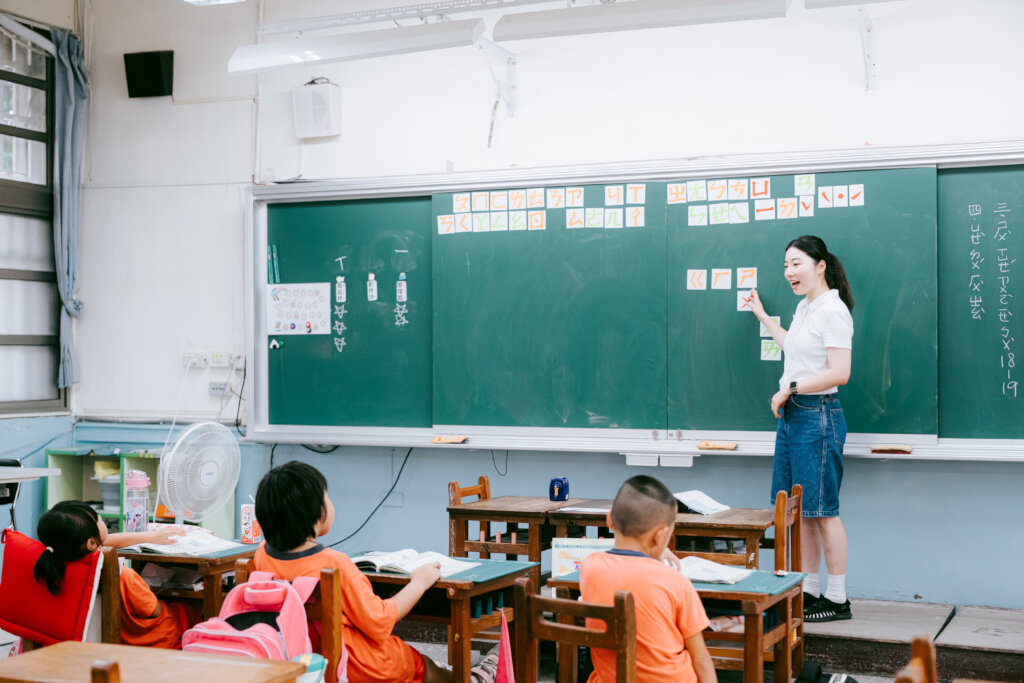
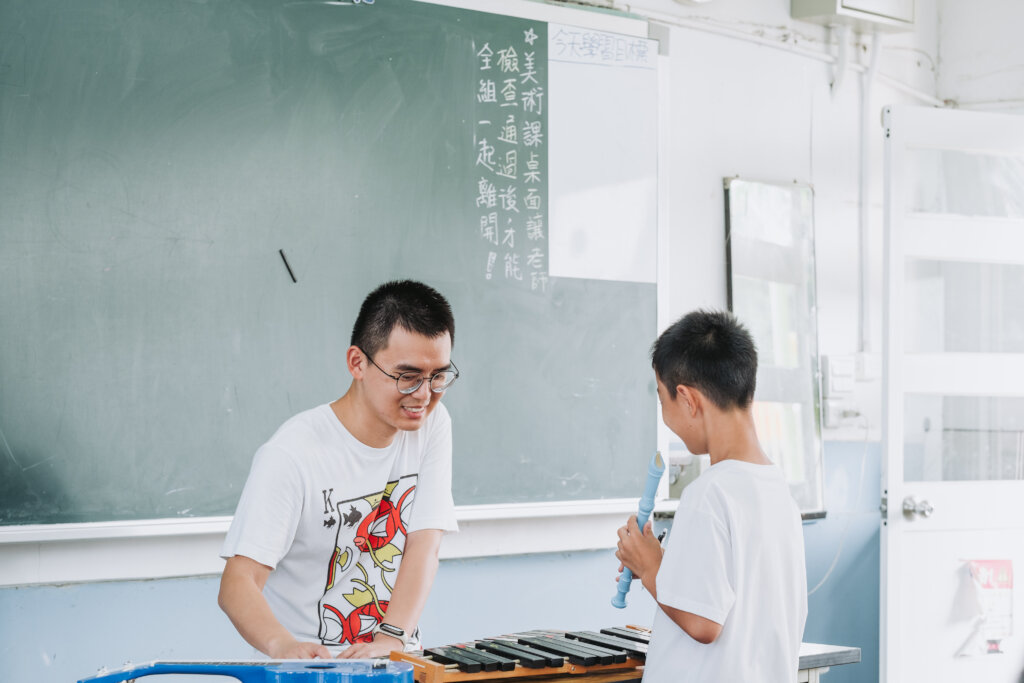
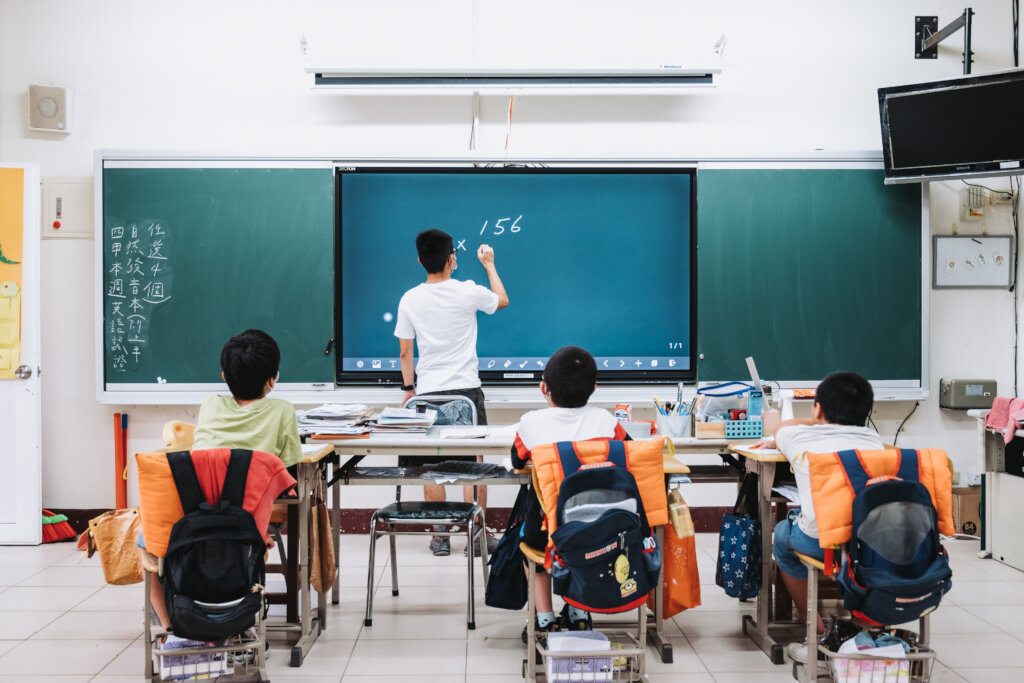
For two years, I taught across grade levels and subjects. Yet whenever it was my lesson—especially when other teachers weren’t around—the classroom volume always seemed to rise.
I blamed myself at first: Was I failing at discipline? Was I not “good enough” as a teacher?
-----------------------------------------------------------------------------------------------------
The Moments Only I Got to See
What if the noise wasn’t disrespect—but trust?
One younger student often got into conflicts, even during my lessons. Yet after a month of regular one-on-one talks, his homeroom teacher told me he had become noticeably more stable.
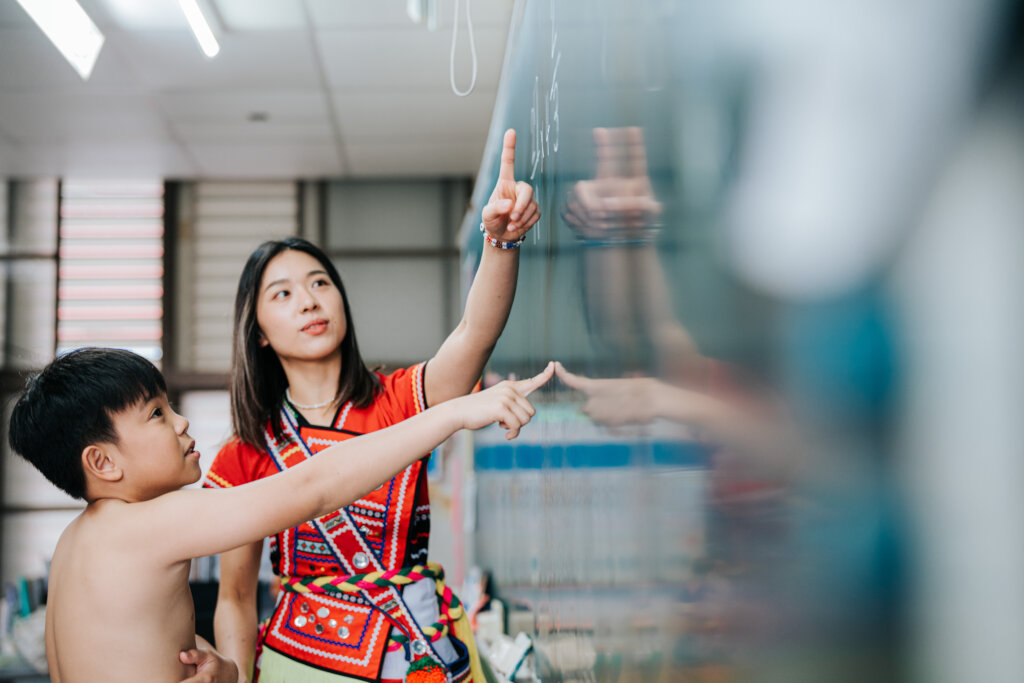
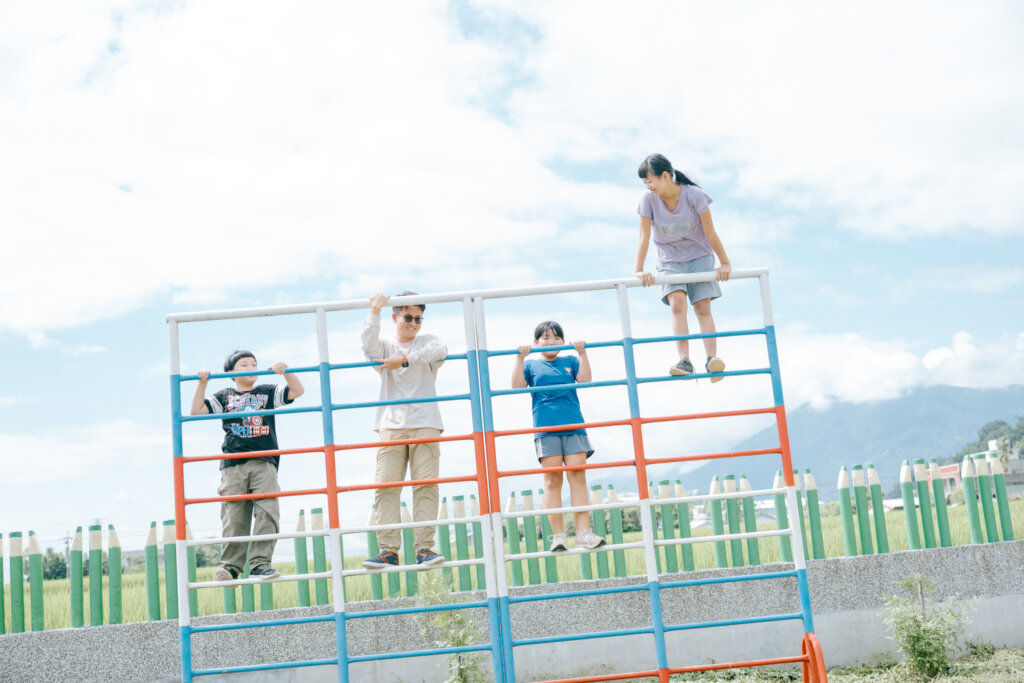
A middle-grade student who always shouted in my class surprised me on a field trip. At every new spot, he ran back to grab my hand and say, “Teacher, come here!”
Later I asked, “Do you do that with your homeroom teacher?”
“Of course not!” he said.
“Why me, then?”
“I don’t know!” he answered—almost as if the closeness didn’t need an explanation.
The older girls who loved whispering in class made me the first teacher to hear their love stories.
(When I asked why, they said it was because I “liked gossip.” Thanks… I guess.)
One confident girl still burst into tears the moment her feelings were exposed—because being seen can be brave and scary at the same time.
And one older boy, always chatting in my lessons, shared questions about relationships and sex education. When I asked why he could talk to me about it, he said:
“I wouldn’t talk to a teacher about this… but you’re more like a sister.”
-----------------------------------------------------------------------------------------------------
When Noise Becomes a Voice
I used to believe the “best” classroom was a quiet one.
That respect meant sitting still, listening carefully, and never breaking the rhythm.
But now, I see it differently.
The liveliness in my class wasn’t a lack of discipline—it was closeness.
The loud voices weren’t chaos—they were participation.
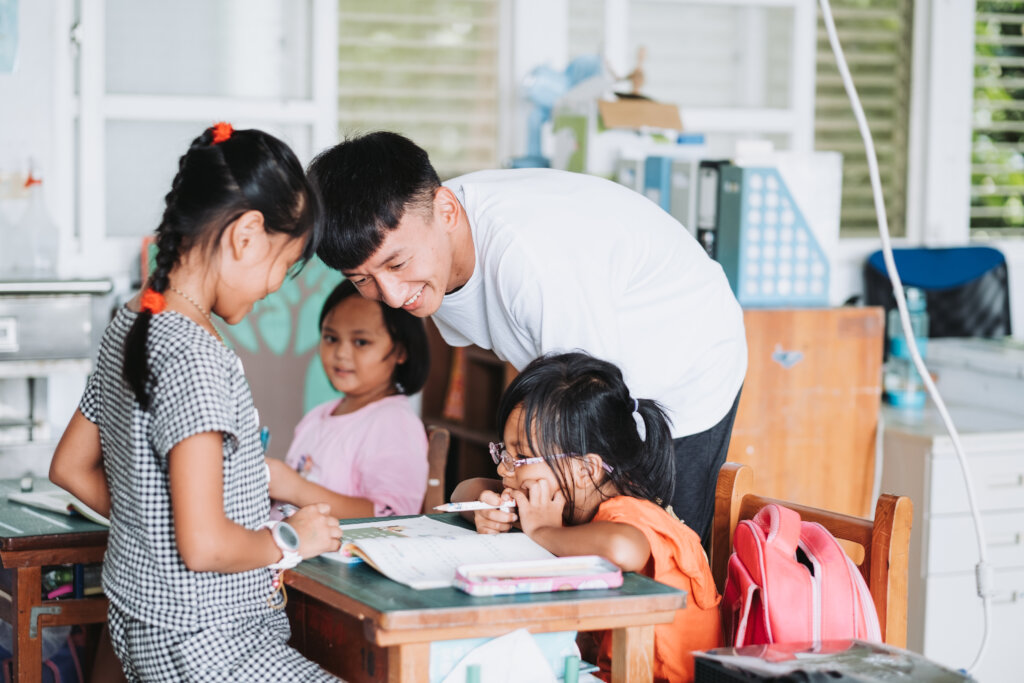
The relaxed, unguarded conversations weren’t “too much”—they were proof that children felt safe enough to be real.
A teacher-student relationship doesn’t have to be distant or rigid.
If children can speak freely, laugh openly, and share what’s on their mind—then maybe a little extra noise is worth it.
Because hidden inside that “noise” is something shining:
their curiosity, their trust, their growing sense of self.
I was willing to trade a little loudness—
for a child who finally felt real.
-----------------------------------------------------------------------------------------------------
Thank You for Making This Possible
Your support helps create classrooms where children are not only taught, but truly seen.
And for Teach For Taiwan, recurring monthly giving matters deeply. It provides the steady foundation we need to keep supporting teachers and students over time—so trust can grow, voices can emerge, and change can last.
Thank you for walking with us. To stay connected, please follow Teach For Taiwan on our website, Instagram, and Facebook—and keep learning with us, one classroom moment at a time.
Links:
Project reports on GlobalGiving are posted directly to globalgiving.org by Project Leaders as they are completed, generally every 3-4 months. To protect the integrity of these documents, GlobalGiving does not alter them; therefore you may find some language or formatting issues.
If you donate to this project or have donated to this project, you can receive an email when this project posts a report. You can also subscribe for reports without donating.



Support this important cause by creating a personalized fundraising page.
Start a Fundraiser