By Jenni Cowlishaw | Senior Fundraiser
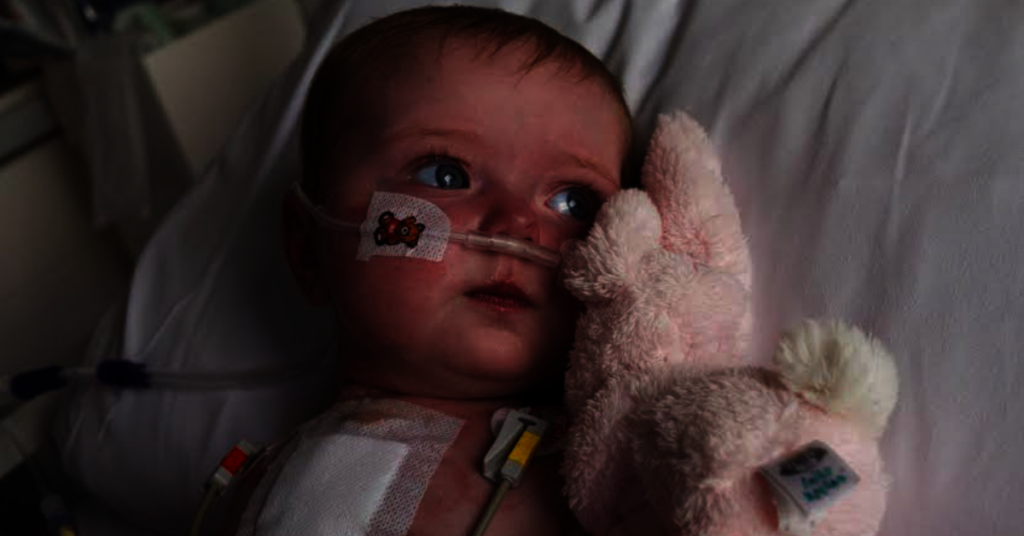
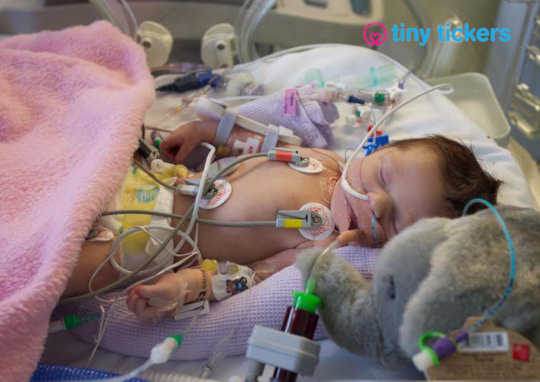
A baby is born with a serious heart condition every two hours in the UK and despite congenital heart disease being one of the biggest killers of infants in the UK, less than half of congenital heart defects are picked up during routine prenatal scanning.It is absolutely vital that we provide a safety net for the 1,000 babies each year that leave hospital with their heart defect undetected.We want to increase early detection rates of cardiac conditions thus improving a baby’s chances of survival and long-term quality of life.
Babies with undetected heart defects will often fall into the early stages of heart failure – significantly impacting their long-term quality of life. Some will die before anyone realises they have a poorly heart, or before getting the surgery that would save them. Early detection means that parents-to-be receive immediate support and reduces the wider impact on critical services and their families lives - fewer dangerous and costly emergency admissions to hospital, and fewer cancelled elective operations because of these admissions.
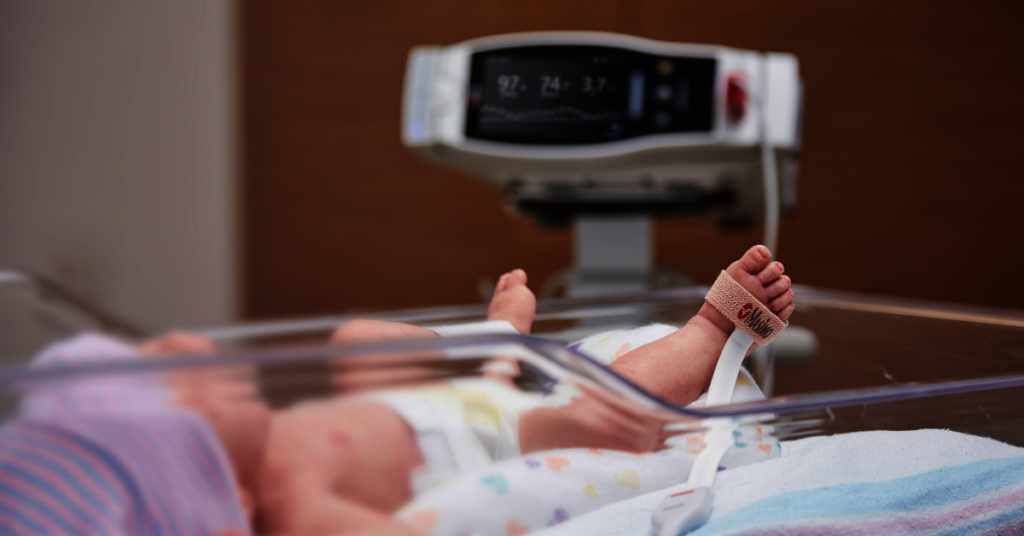
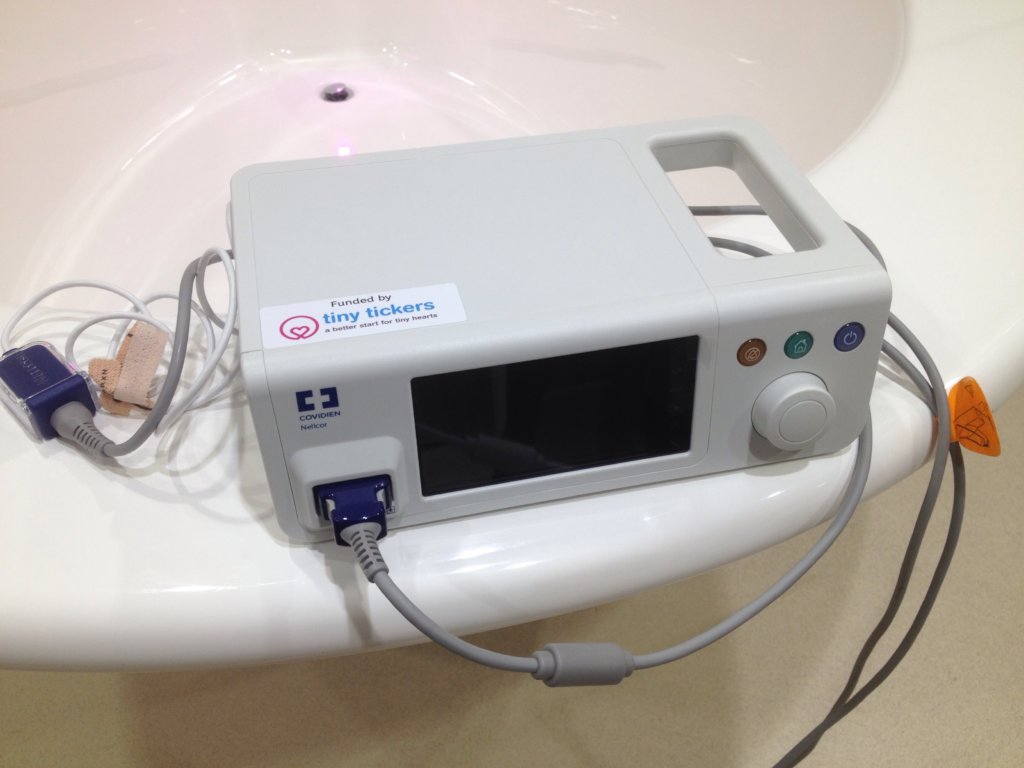
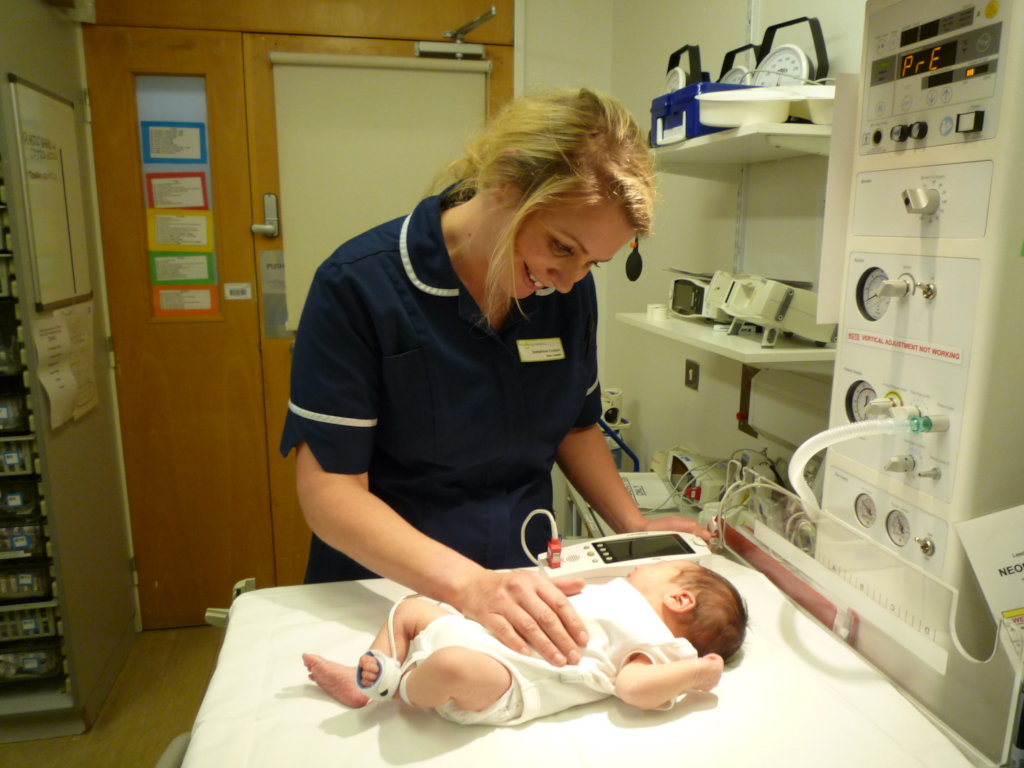
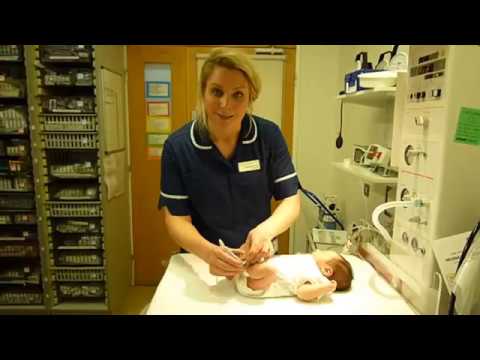
Pulse Oximetry testing helps to detect heart defects by measuring oxygen levels (oxygen saturation) in the blood. It uses a light sensor to assess the level of oxygen in the baby’s blood and takes a few minutes at no discomfort to the baby.
Research has shown that this simple, additional newborn test could help identify cases of heart problems that would otherwise go undetected. A group of neonatologists and paediatric cardiologists, including Presidents of leading European Neonatal Scientific Societies, published a consensus statement in November 2017 recommending screening with pulse oximetry for all babies across Europe.
Dr Elspeth Brown, Lead Clinician, Yorkshire and Humber Congenital Heart Disease Network, says: “Despite advances in fetal diagnosis of congenital heart disease there are still a significant number of babies with severe problems which are not detected before delivery. Checking oxygen saturations in newborns not only offers another opportunity to identify these babies before they become seriously unwell but has also been shown to detect other problems such as infections which can therefore be treated more successfully. We really welcome this initiative from Tiny Tickers which will undoubtedly save lives.”
At present, pulse oximetry testing is not a mandatory newborn test within NHS hospitals, and many maternity units do not have the means to introduce these life-saving machines. For these reasons, Tiny Tickers is hoping to provide Pulse Oximetry Testing kits in maternity units across the UK which can then be used as part of standard newborn tests.
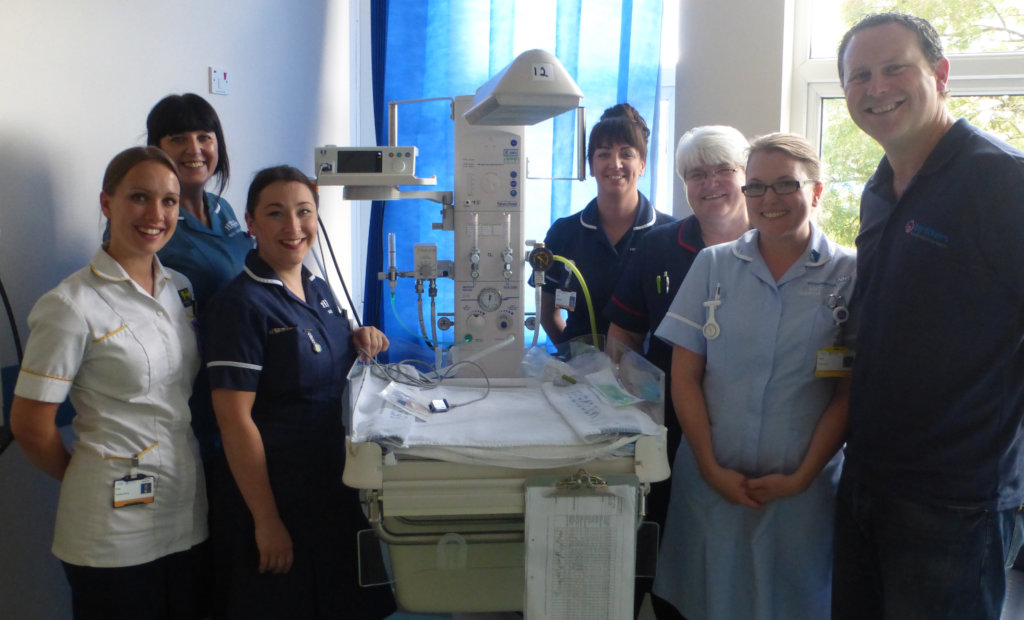
We aim to place as many machines as possible over the next two years. Based on our Yorkshire pilot project in 2017/18, where we placed 30 machines, we estimate that approximately 330 machines will fulfil the initial demand from maternity hospitals across the UK. The full cost for providing and placing each machine is £725 - with the full project expected to cost £239,540.Our ambition is that we will have offered machines to every NHS Trust in the UK by 2021.
Project reports on GlobalGiving are posted directly to globalgiving.org by Project Leaders as they are completed, generally every 3-4 months. To protect the integrity of these documents, GlobalGiving does not alter them; therefore you may find some language or formatting issues.
If you donate to this project or have donated to this project, you can receive an email when this project posts a report. You can also subscribe for reports without donating.