By Katie Lawson | Head of Fundraising & Comms
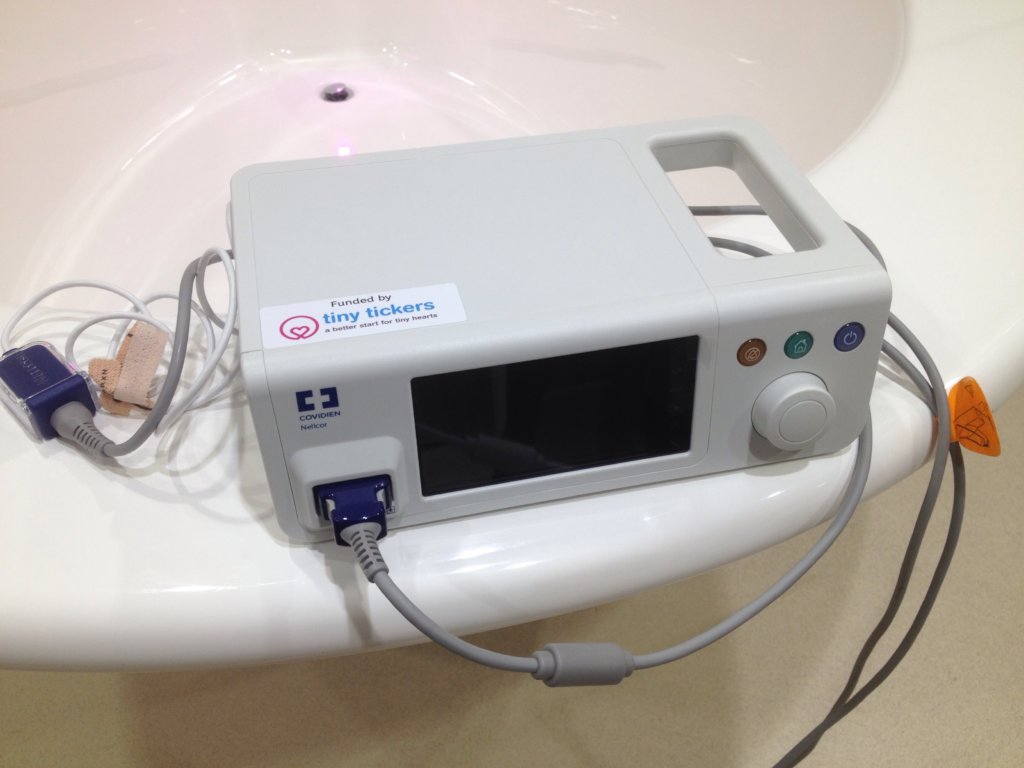
When we placed our first pulse oximetry machine in 2017 at Good Hope Hospital, Birmingham, we set a target of placing 330 machines nationwide by April 2022.
At the time, we anticipated that 330 pulse oximetry machines would fulfil the initial demand from maternity hospitals across the UK. We’re delighted to report that we have now surpassed this target and, as of March 2022, we have placed 346 machines.
Why are we placing pulse oximetry machines?
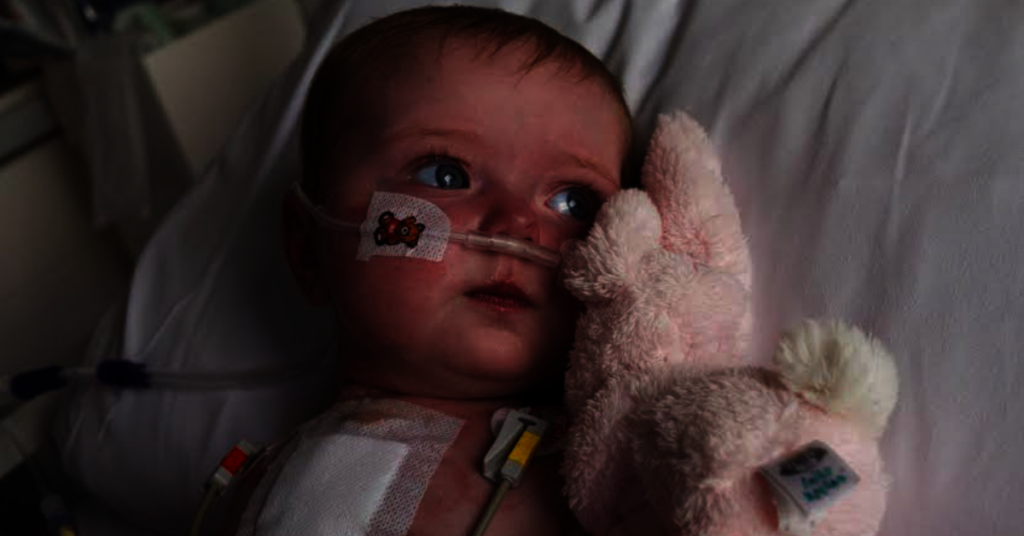
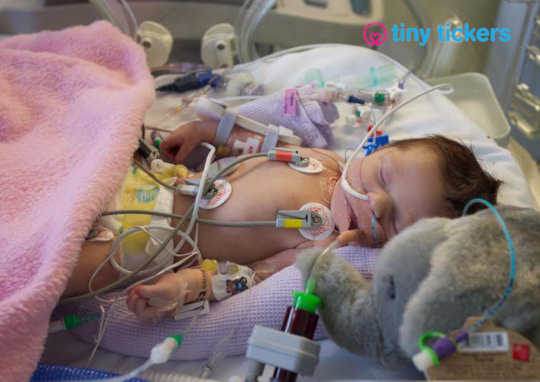
Babies with undetected heart defects will often fall into the early stages of heart failure – significantly impacting their long-term quality of life. Some will die before anyone realises they have a poorly heart, or before getting the surgery that would save them. Early detection means that parents-to-be receive immediate support and reduces the wider impact on critical services and their families lives – fewer dangerous and costly emergency admissions to hospital, and fewer cancelled elective operations because of these admissions.
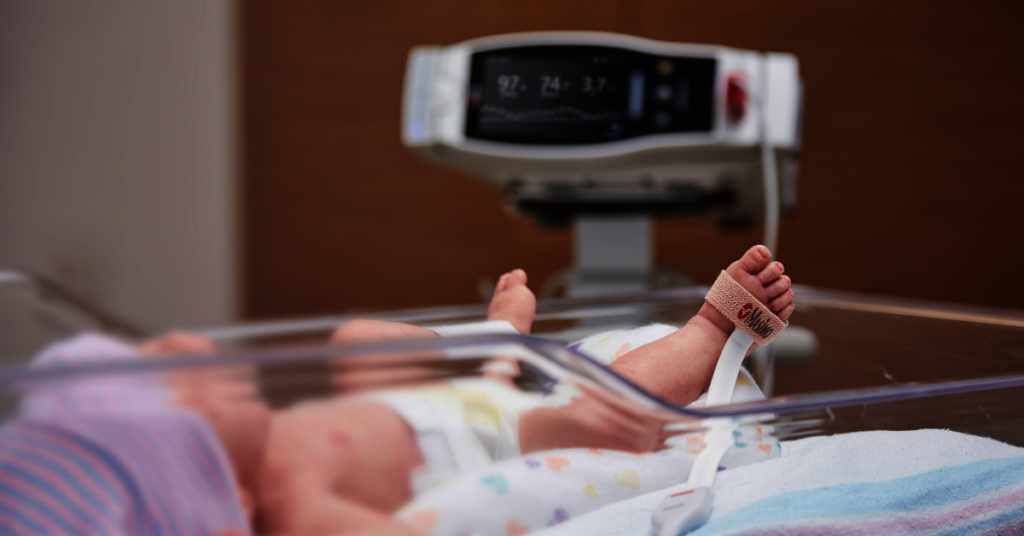
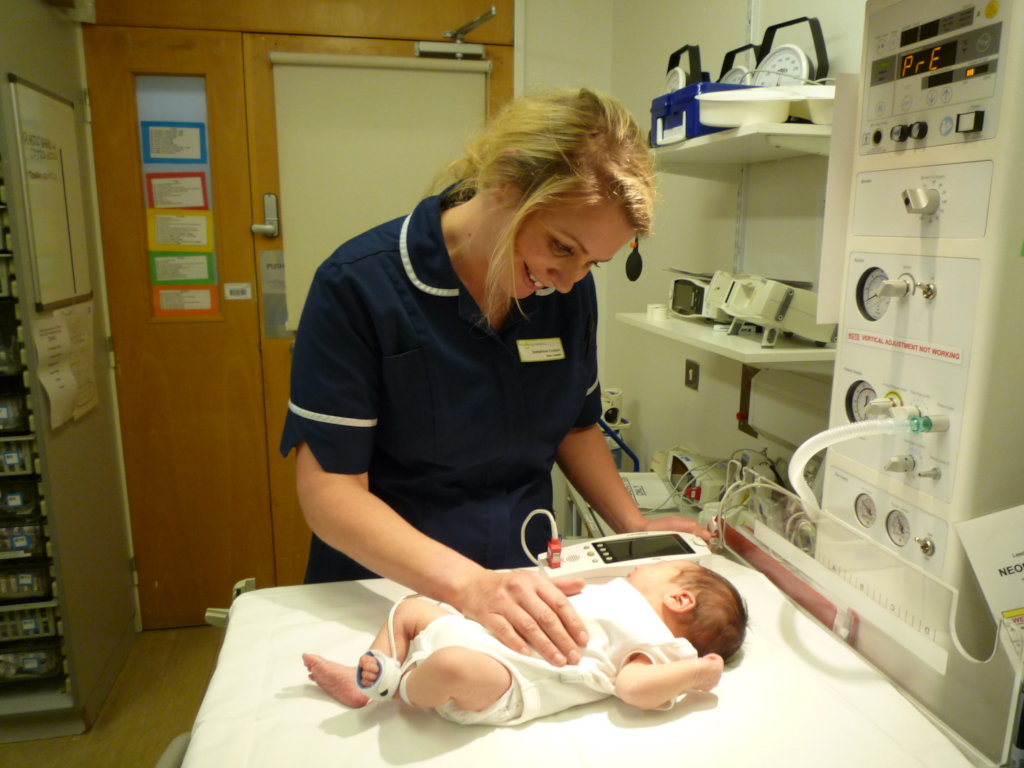
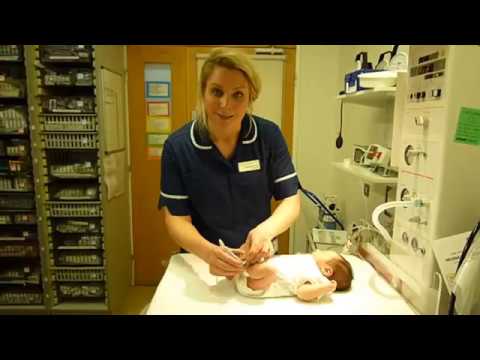
Pulse oximetry testing helps to detect heart defects by measuring oxygen levels (oxygen saturation) in the blood. Low oxygen levels can be a key sign that a baby could have a critical heart defect. At present, pulse oximetry testing is not a mandatory newborn test within NHS hospitals, and many maternity units do not have the means to introduce these life-saving machines. For these reasons, we decided to place these machines in maternity units across the UK.
Regional roll-out and Test for Tommy
Taking a regional approach, we started this project in 2017, in Yorkshire, before moving on to the East and West Midlands in 2018. After launching our Test for Tommy Appeal in November 2018, we began receiving applications from hospitals all over the UK. And many of our supporters got on board too, fundraising to place machines in their local areas.
We were delighted as the number of pulse oximetry machines we placed increased into double, and then triple, figures. But when the pandemic hit in 2020 we had to pause the project while the NHS put all its resources into dealing with the crisis.
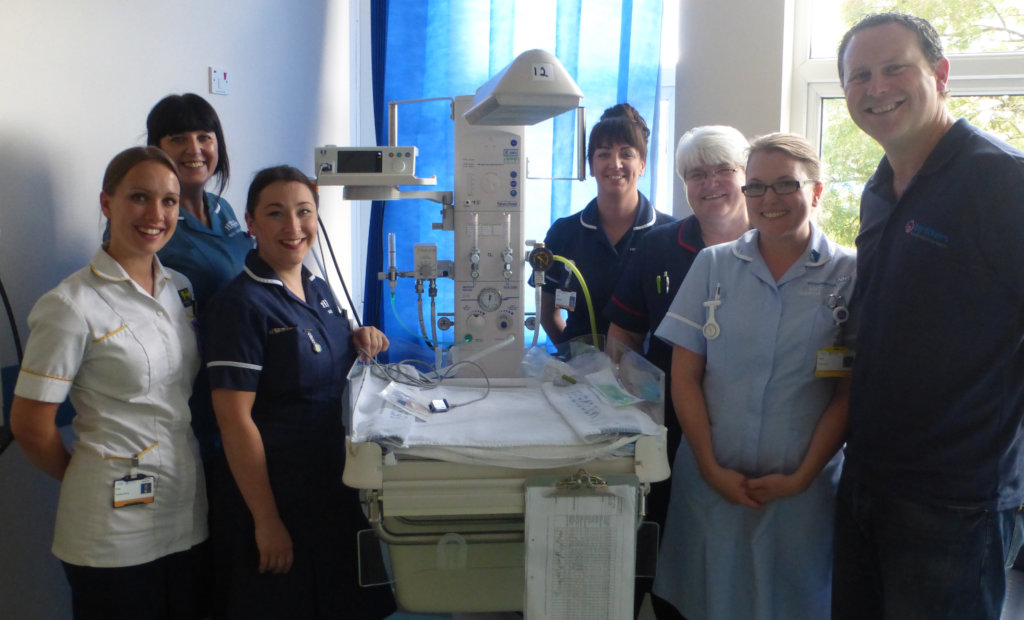
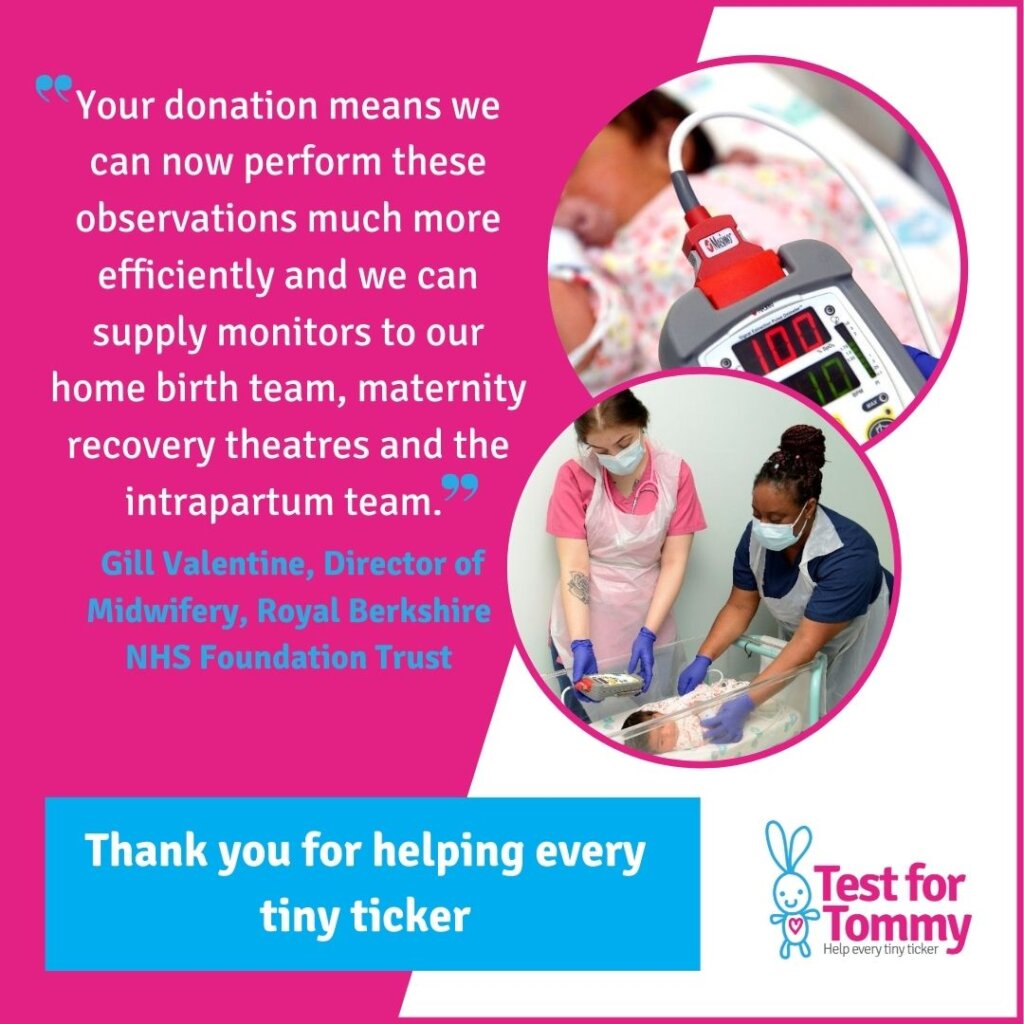
Thankfully, we were able to resume placement of machines again in 2021 and, in April, we hit a significant milestone, placing our 200th machines at the Royal Berkshire Hospital in Reading. The 346 Tiny Tickers funded machines are now being used in hospital wards throughout the UK - from Southampton to Shetland and Ysbyty Gwynedd to York. Parents and health professionals constantly tell us how grateful they are, and we have heard of many instances of babies' lives being saved after receiving a pulse oximetry test on a Tiny Tickers funded machine.
The future
We owe the success of this project to so many people: our incredible staff team, who work tirelessly to ensure machines are funded and placed; the individuals and organisations who fund the machines; the inspirational McKellar family, who so bravely shared their devastating loss of baby Tommy in order to prevent further deaths; all the health professionals involved in introducing pulse oximetry testing to their departments and Professor Andrew Ewer, Professor of Neonatal Medicine at Birmingham and advocate for pulse oximetry screening, who has supported us from the very beginning.
We may have smashed our initial target, but we have no intention of slowing down or stopping. Quite the opposite – more and more hospitals are applying for machines and we intend to keep fulfilling these orders, until the postcode lottery is over and every newborn baby receives the test that could help save their life.
Thank you for supporting Tommy's legacy.
NHS Trusts can apply for pulse oximetry machines here.
Links:
Project reports on GlobalGiving are posted directly to globalgiving.org by Project Leaders as they are completed, generally every 3-4 months. To protect the integrity of these documents, GlobalGiving does not alter them; therefore you may find some language or formatting issues.
If you donate to this project or have donated to this project, you can receive an email when this project posts a report. You can also subscribe for reports without donating.