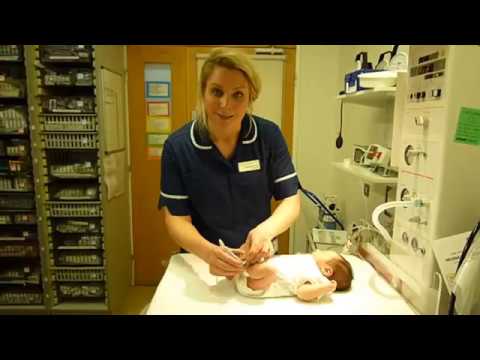
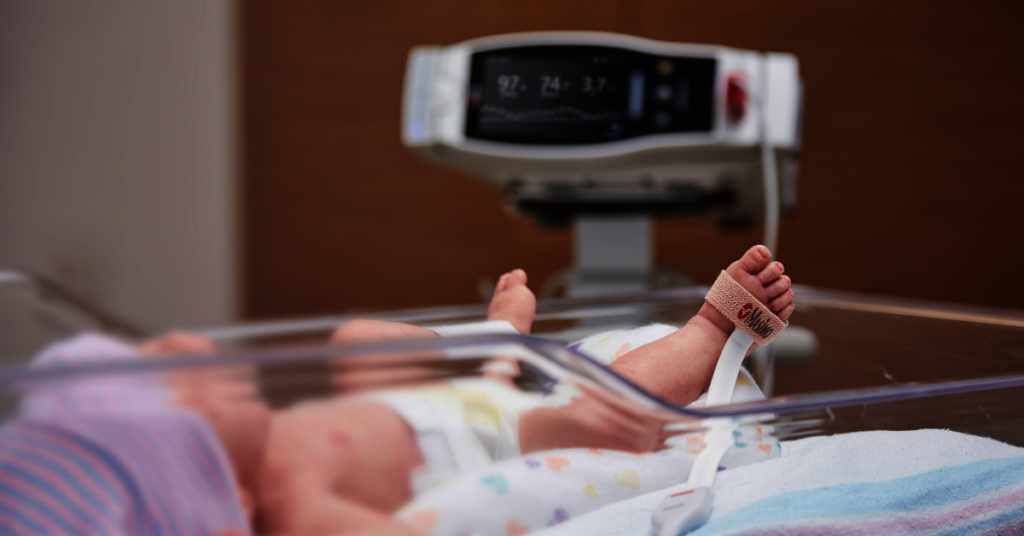
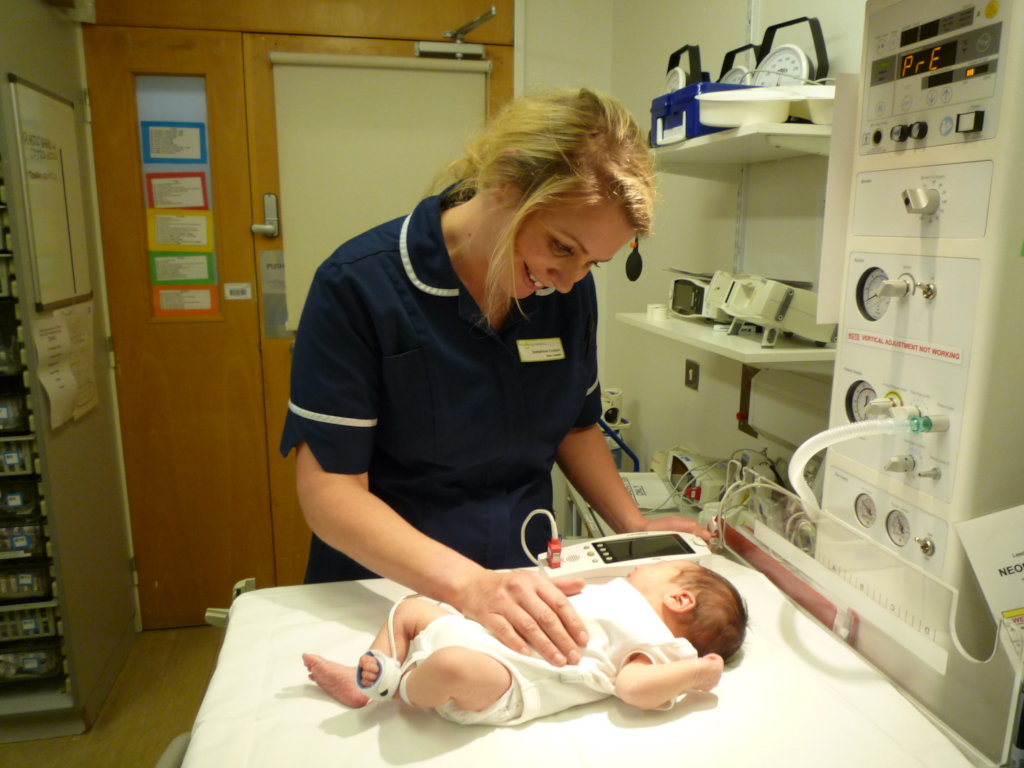
Ada was born full-term, by emergency c-section, after a failed induction. She was a seemingly healthy newborn, weighing just over 4kg. I had an infection during labour and Ada needed a cannula for antibiotics as a precaution, which felt like the worst thing in the world. My husband went home that evening to sleep and my mum stayed with me to help with Ada as I was still very uncomfortable after having had a c-section. At some point during the night, a nurse came and completed some newborn checks, including oxygen saturations. Ada’s were sitting in the 80s and she wanted them above 94.
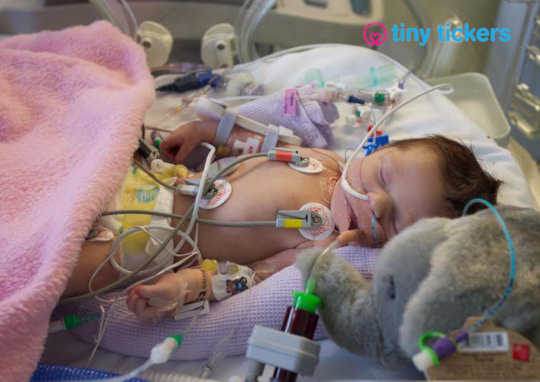
After trying hands and feet, and even a different machine, Ada was taken to the NICU with my mum, where they tried to get to the bottom of why this was happening. Shortly after, they phoned another hospital for advice and I was wheeled around to be with her. They suspected transposition of the great arteries (TGA) and administered prostin to keep the valve open and her blood mixing.
My husband came back to the hospital and, by 9am, she was in an ambulance with him heading to another hospital.
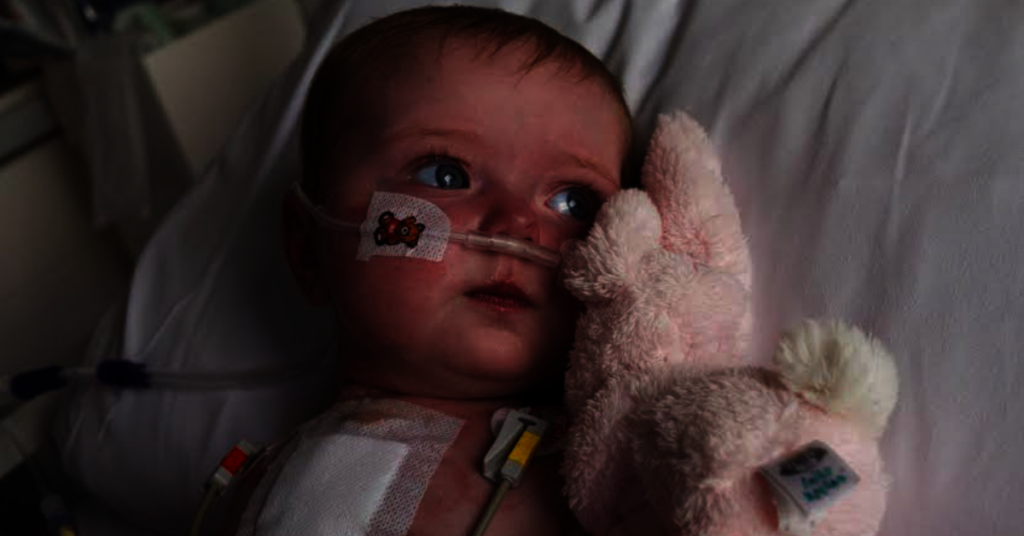
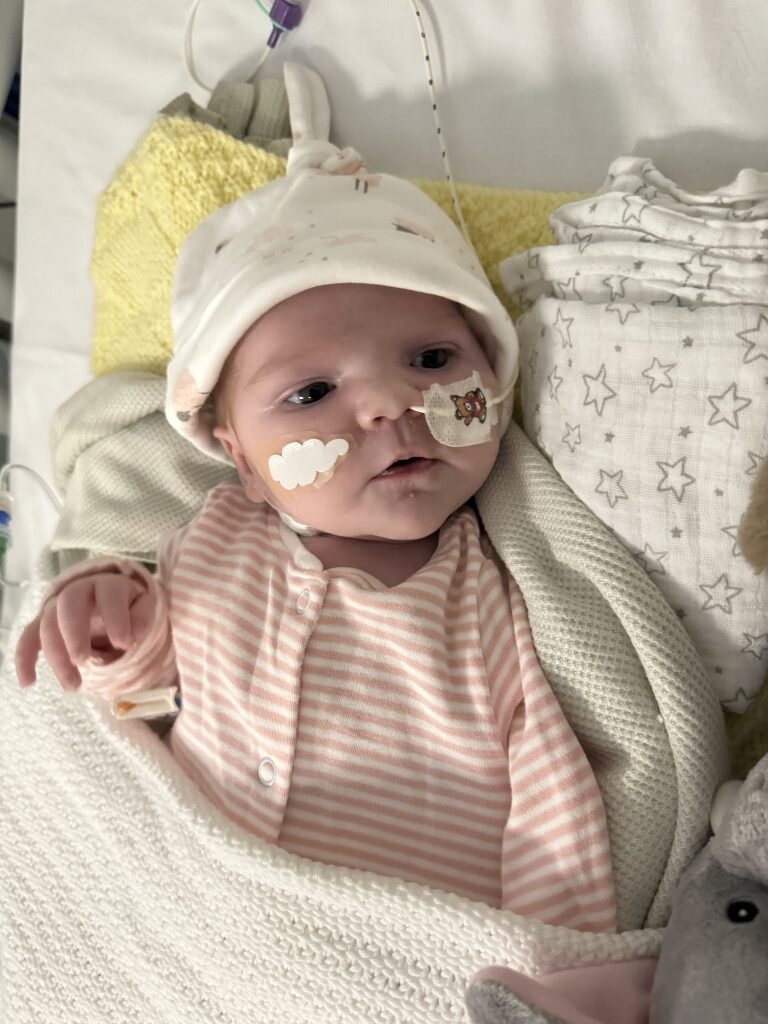
Shortly after arriving and multiple tests later, doctors confirmed that Ada had TGA, ASD (hole in the heart) and dextropositon. We spent just under two weeks waiting for a bed for her at the heart centre for the switch surgery. This felt like torture because our lives were in limbo. She spent five days in PICU, where we had some of the most amazing nurses caring for her.
We spent just under two weeks in hospital after her surgery, but then were able to take her home. The scariest drive ever!
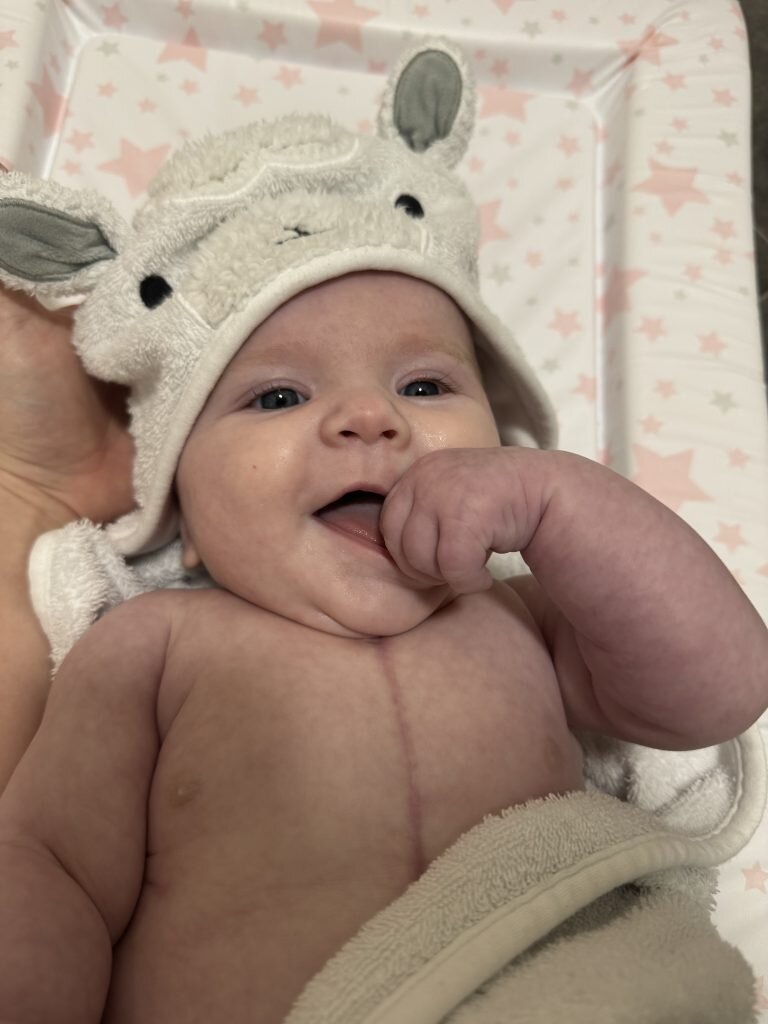
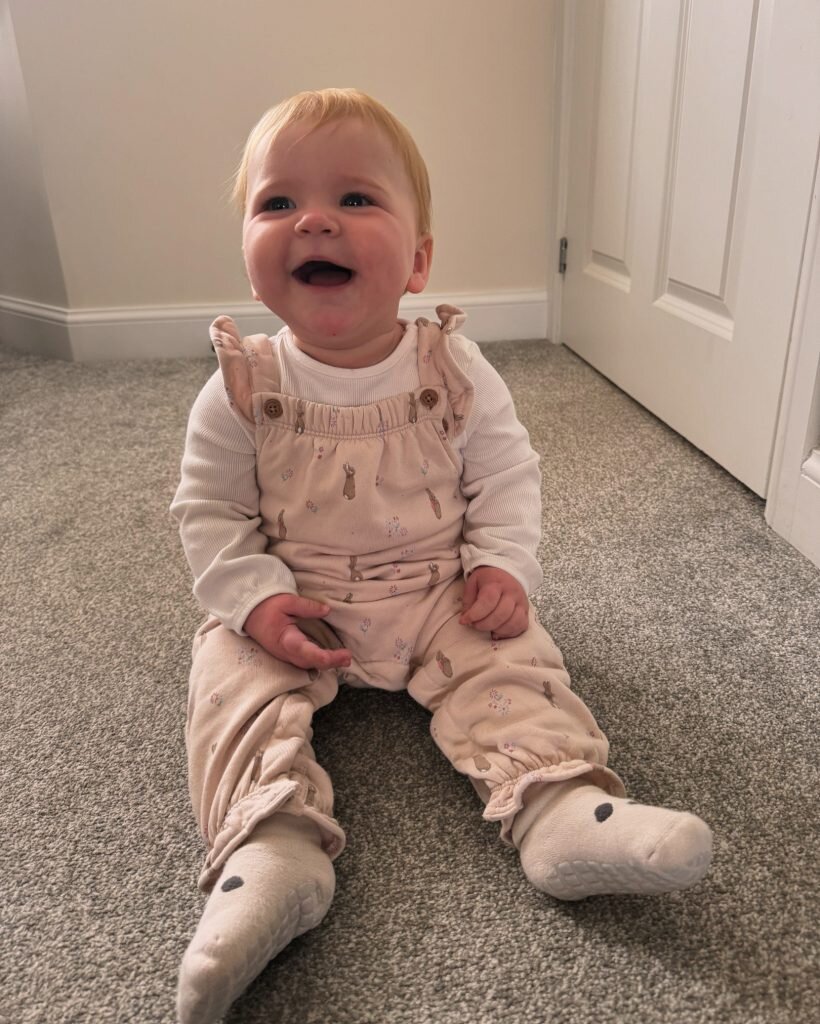
Reading other people’s stories through Tiny Tickers really helped me during this time, and I hope that by sharing our story, I can help someone else. Ada is now nearly one and she’s doing really well, hitting all her milestones. She’s full of personality, and other than a wonder line on her chest, you wouldn’t know.
We are grateful for Tiny Tickers and everything they do. Early detection would have allowed us to prepare ourselves better mentally and hopefully would have meant I wouldn’t have been separated from Ada for so long.
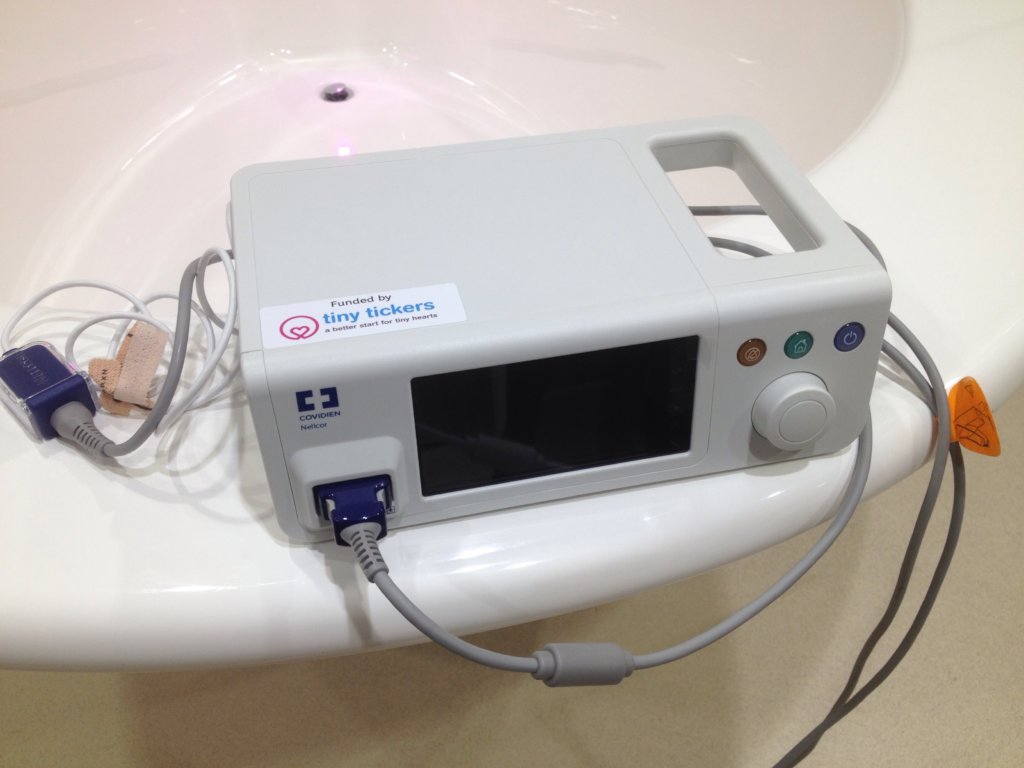
Find out more about pulse oximetry testing, and why it’s so important for all newborns to be screened,
here.