By Antony Kingsley | Chief Executive Officer
Mogbencha village continues to demonstrate strong signs of progress and sustainability, more than three years since the official conclusion of our integrated WASH and livelihoods project in 2021. The community remains an encouraging example of what is possible when local ownership, gender inclusion, and long-term support come together.
Women’s Empowerment and Economic Participation
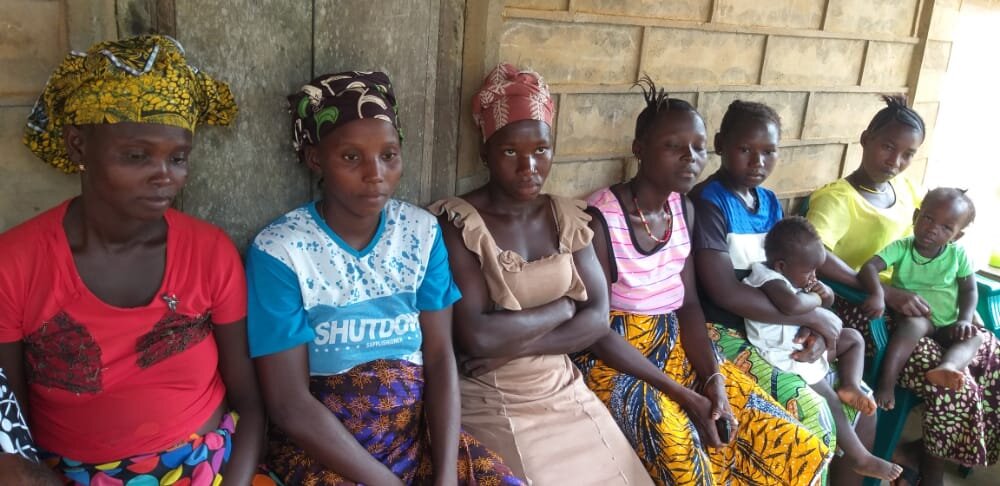
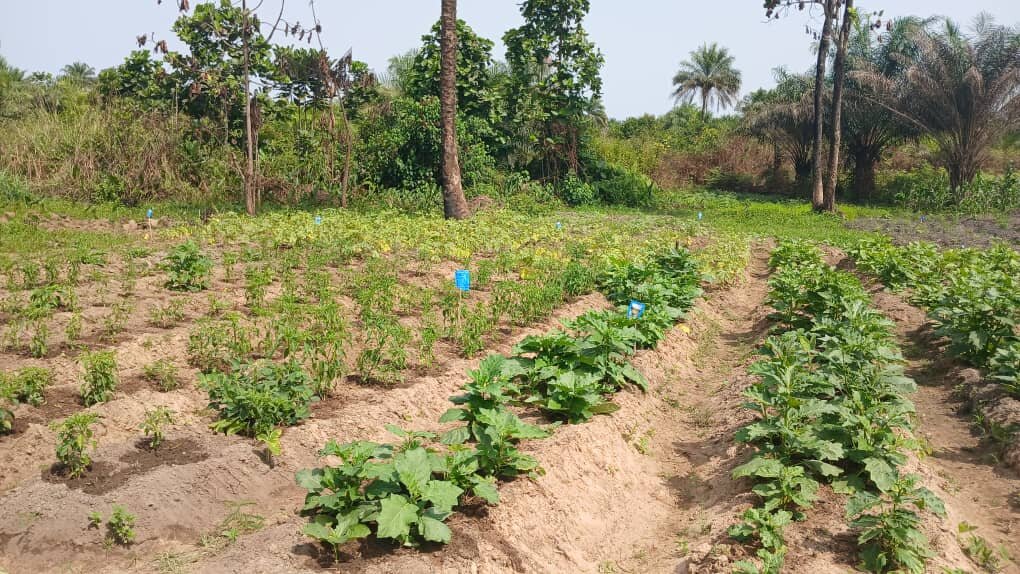
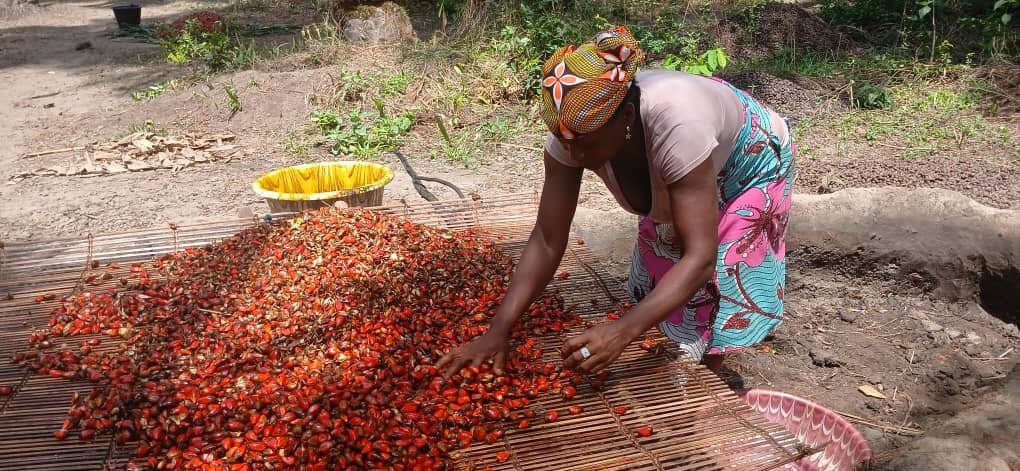
One of the most notable outcomes has been the rise in women’s leadership and economic empowerment. The women’s market gardens, established during the project, are not only still operational but have expanded in scope and scale. Women’s groups have taken full ownership of land preparation, seed selection, compost production, and crop rotation planning. Through peer training and shared labour, they have become more confident and capable in managing both production and local sales.
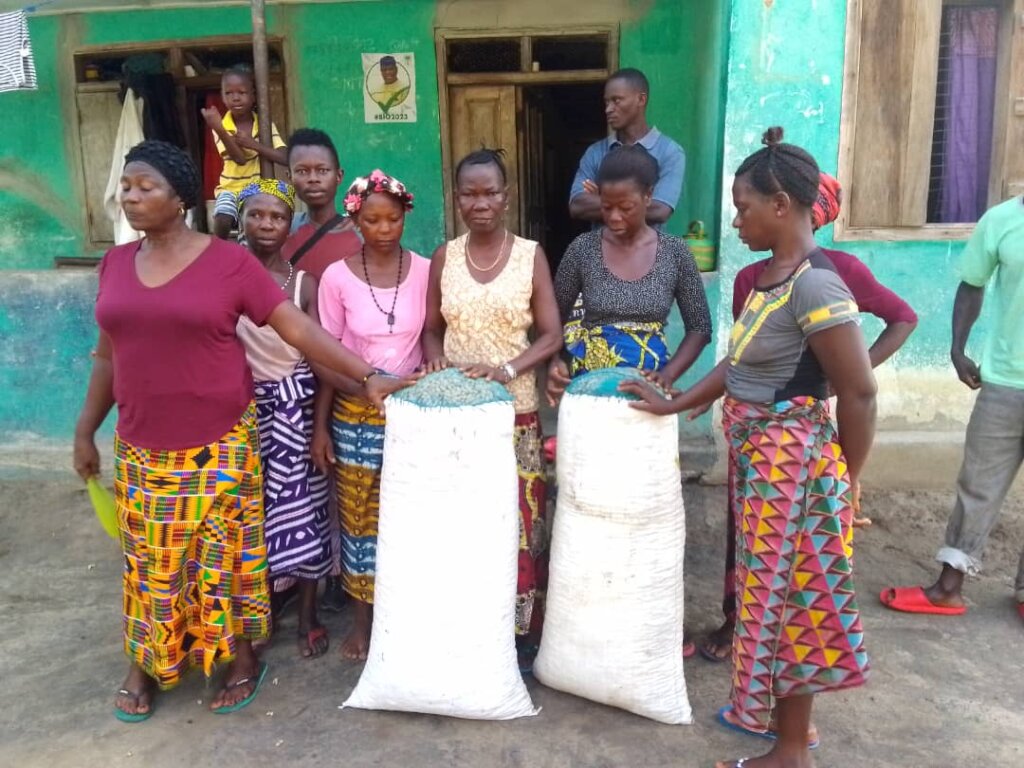
Some women have formed small cooperatives to pool resources and access better prices for bulk seeds and tools. This collaborative model has led to an increase in household incomes and has helped many women contribute to school fees and family medical expenses—contributions that, in earlier years, were often dependent on male relatives.
Water Access and Maintenance
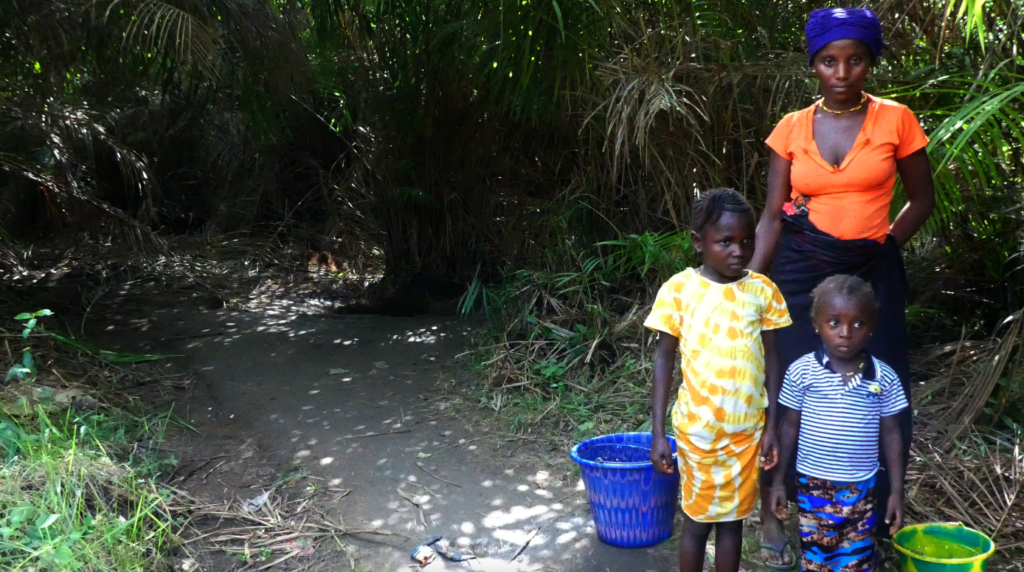
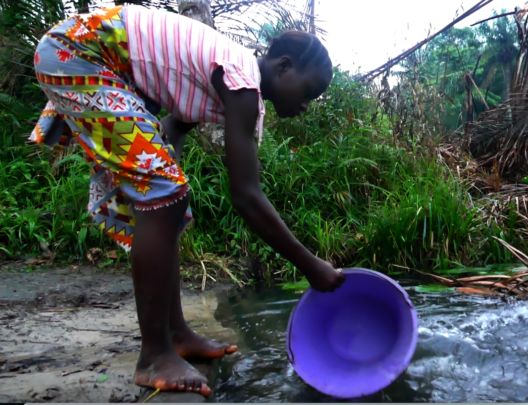
The village continues to benefit from reliable access to clean water, thanks to the well constructed in 2021. The Water Management Committee, formed during the original project, remains active and effective. They have successfully maintained the water point through regular fee collection and minor repairs. Community members report fewer cases of waterborne illnesses, and the availability of clean water has significantly improved hygiene and sanitation practices—especially among children and women working in the gardens.
Education and Child Development
Educational progress in Mogbencha has been steady. A higher proportion of children are now transitioning to upper primary and junior secondary schools. Teachers in the area have commented on improved attendance and performance, particularly among girls. This shift is closely linked to improved household stability and support from empowered mothers who now prioritize education.
The school itself has benefited indirectly from the community’s renewed focus on development. Parent-Teacher Associations (PTAs), supported in part by the women’s income from gardens, have been able to fund basic classroom improvements and contribute to teacher support.
Sustainability and Community Care
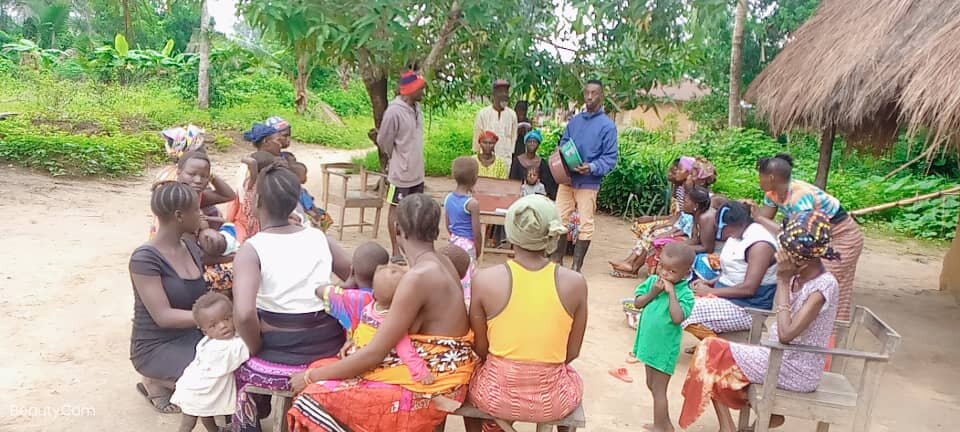
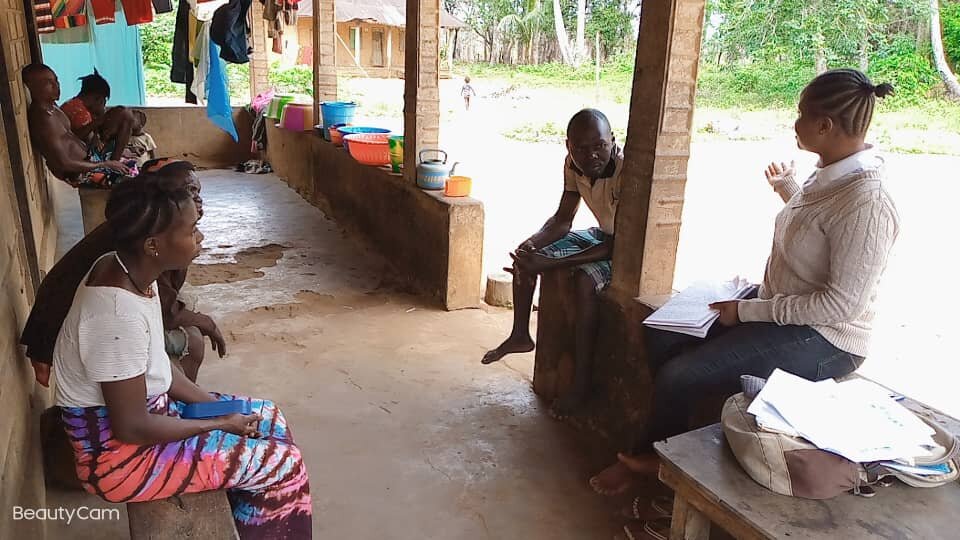
What sets Mogbencha apart is the continued sense of collective responsibility. Even after external funding ceased in 2021, the structures set up have been maintained and adapted by the community. The Village Development Committee (VDC) meets regularly to monitor health, education, and agricultural needs, and to resolve issues collaboratively.
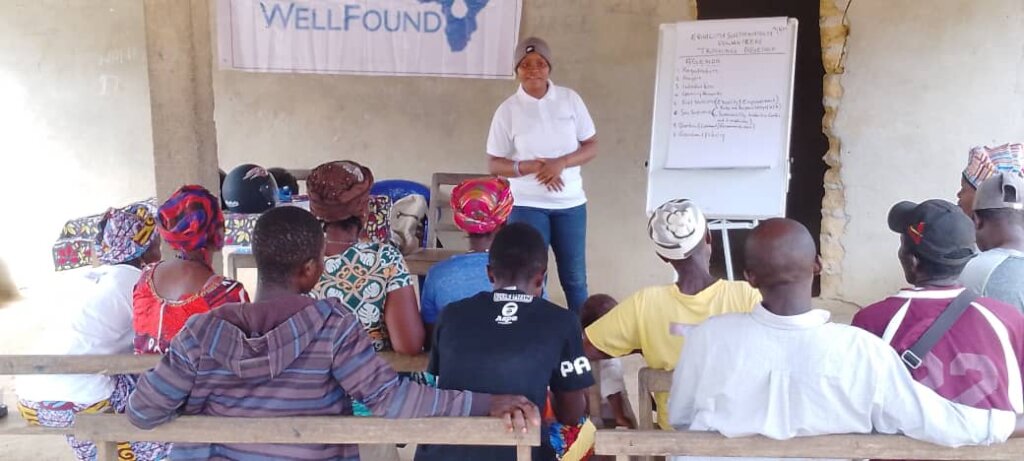
Training provided during the project on governance, maintenance, and gender roles continues to have a lasting impact. New initiatives—including a community seed bank and plans for poultry farming—are emerging as the village builds on its foundation of sustainability and cooperation.
Mogbencha stands as a powerful example of post-project resilience. Women are driving development, children are thriving in education, and access to water remains stable—all made possible by a community that believes in its own future. We remain in light-touch contact and will continue to support with occasional technical advice and linkages to government and NGO partners.
Project reports on GlobalGiving are posted directly to globalgiving.org by Project Leaders as they are completed, generally every 3-4 months. To protect the integrity of these documents, GlobalGiving does not alter them; therefore you may find some language or formatting issues.
If you donate to this project or have donated to this project, you can receive an email when this project posts a report. You can also subscribe for reports without donating.