By Jason Graber | Resource Development Officer
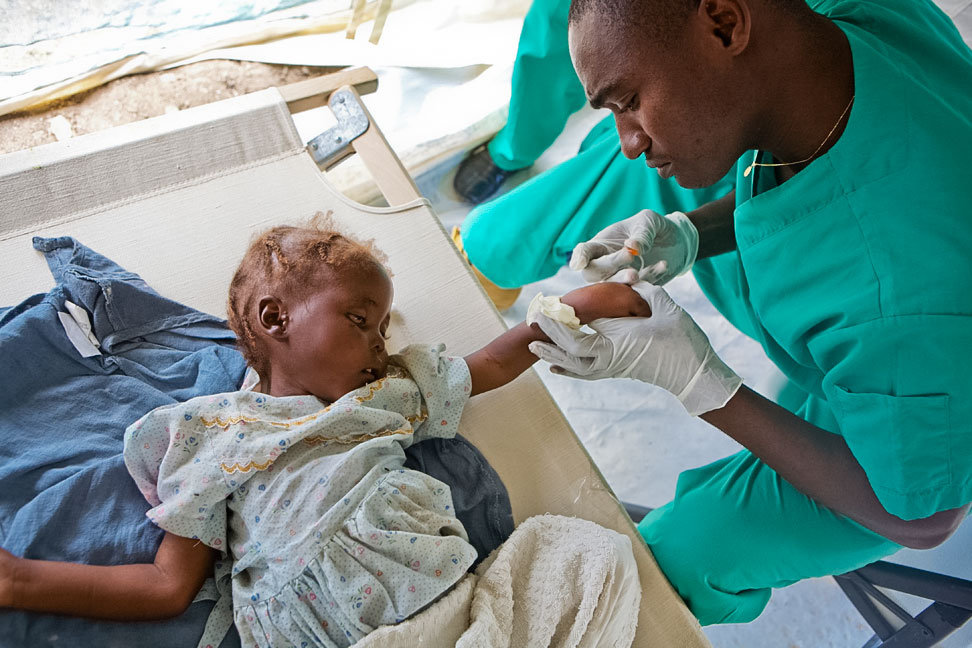
During 2013, International Medical Corps’ efforts in Haiti focused on cholera prevention for vulnerable populations in the north of Haiti, indirectly benefitting more than 125,000 people. According to the Haitian Ministry of Health (MSPP), reports related to new cholera infections started to increase in those communities during the month of June. In response, International Medical Corps conducted weekly visits in Haiti’s Grand North District to confirm and evaluate the situation within targeted health facilities and to assess the condition of the cholera patients. During the visits, several problems were identified by International Medical Corps health professionals, including, among others, a (lack of medical supplies to treat patients infected by cholera and a low awareness of cholera among the at-risk population, to which may be attributed to shortages in available trained health staff and volunteers in the community to conduct Cholera awareness and prevention activities.
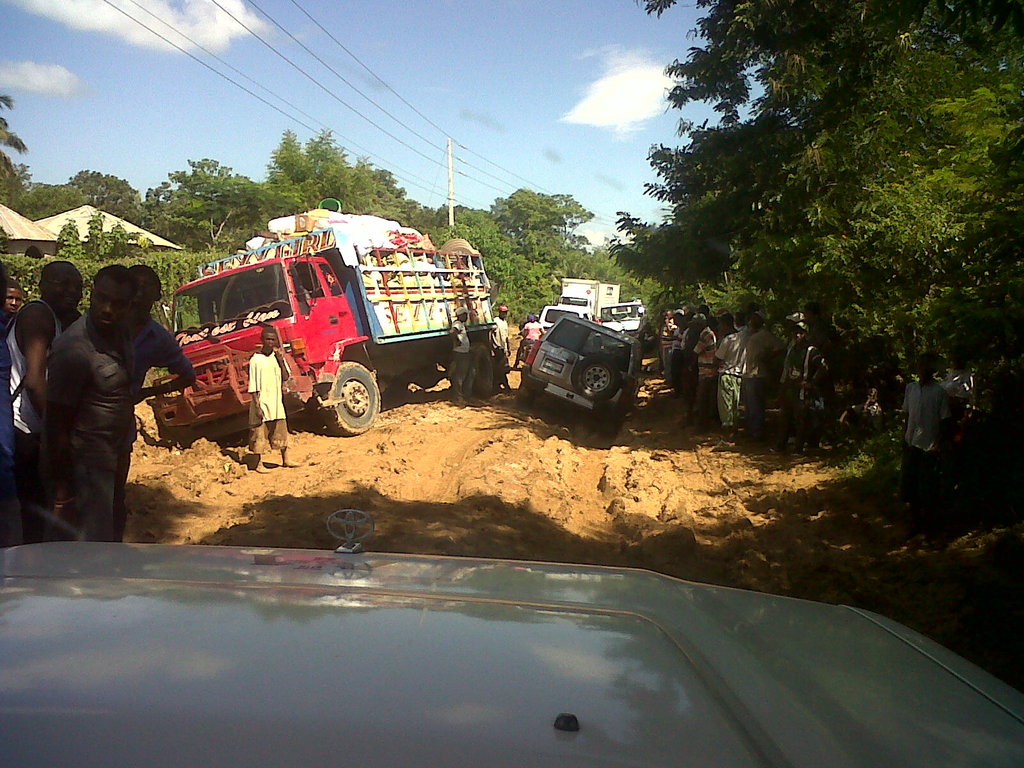
International Medical Corps assessed the situation and designed an intervention that would reinforce the capacity of the selected health facilities to response to cholera outbreaks and increase the awareness of the community to avoid the spread of cholera to the remote and underserved areas during the rainy/hurricane season. During the rainy season, flooding from strong tropical storms and hurricanes can contaminate water sources in remote areas and cause waterborne diseases to spread. These storms also damage the already poor road infrastructure, which can lead to medicine shortages and prevent patients with severe cases of cholera from being able to reach major health centers for treatment.
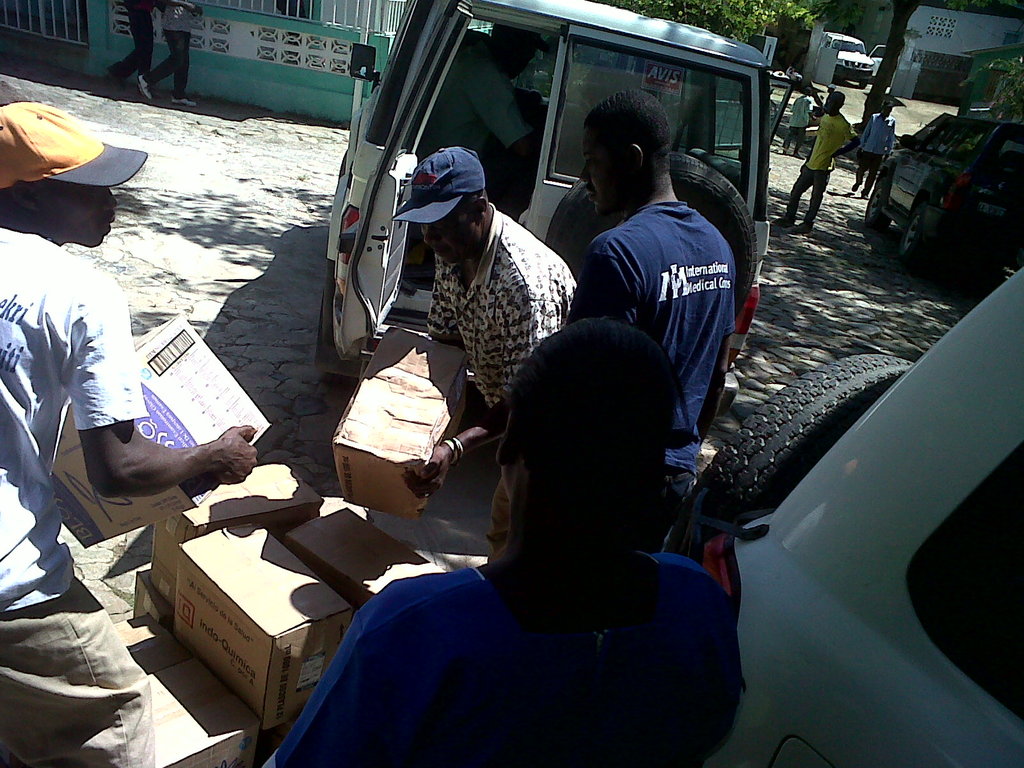
International Medical Corps assessed the needs of several remote communities in the North and North-East Districts and focused its support on re-supply of the area’s health centers with general use and cholera medicines while also delivering education campaigns to help local residents prevent the spread of cholera. Based on the distance and needs of each community and considering the generally poor road infrastructure of the region, four underserved communities and their respective health facilities were selected for this effort. These health centers were serviced in the following order: (1) Hôpital de l’Espérance de Pilate, (2) Centre de Santé de Dondon, (3) Centre de Santé de Ferrier and (4) Centre de santé de Sainte Suzanne. These four health centers serve a combined population of 125,326 people.
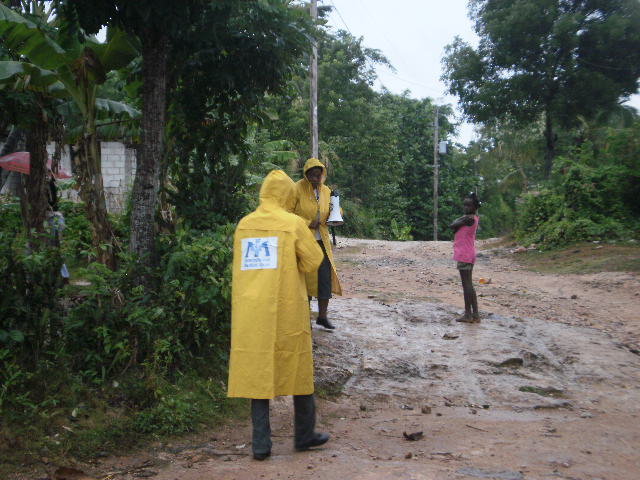
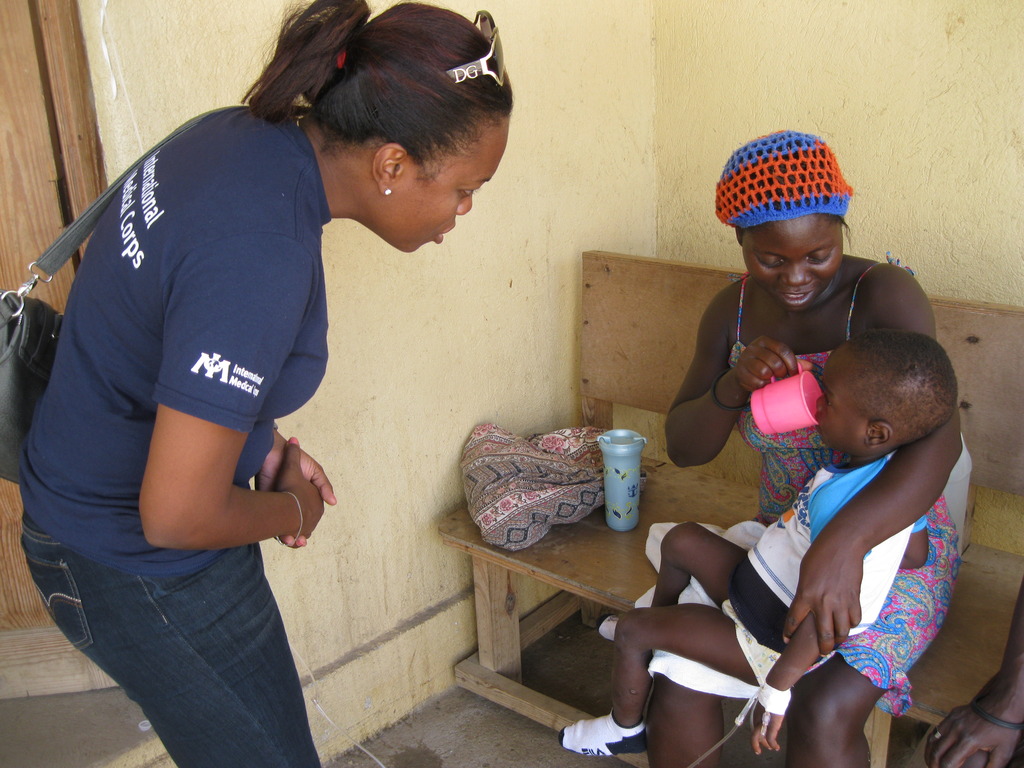
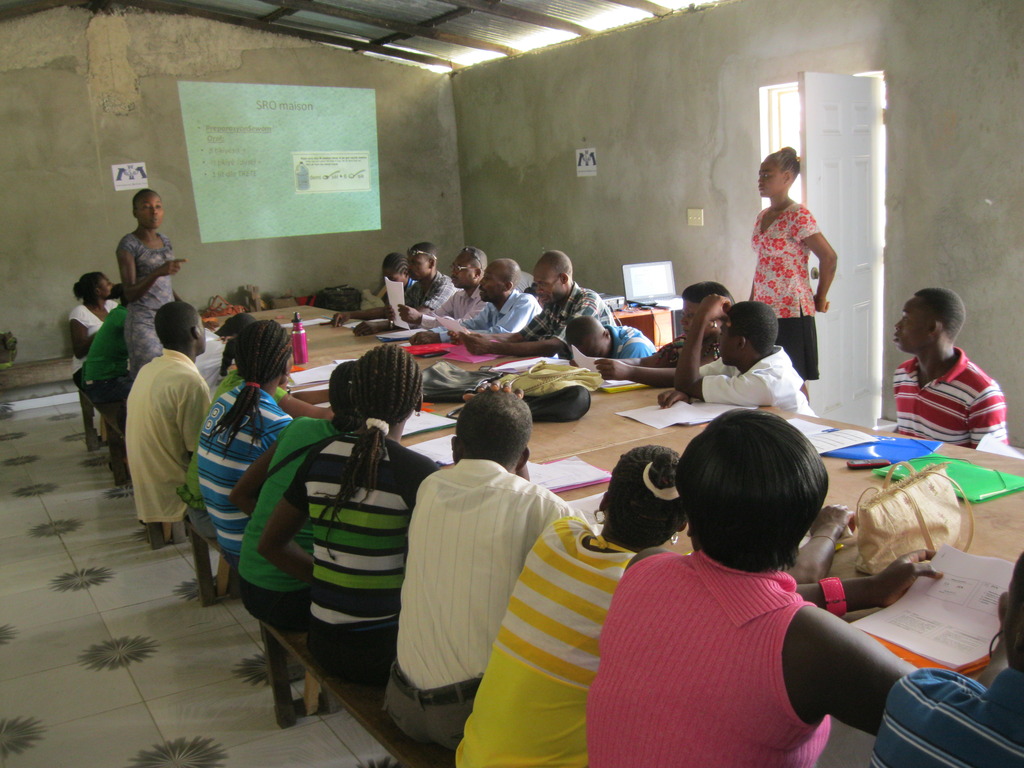
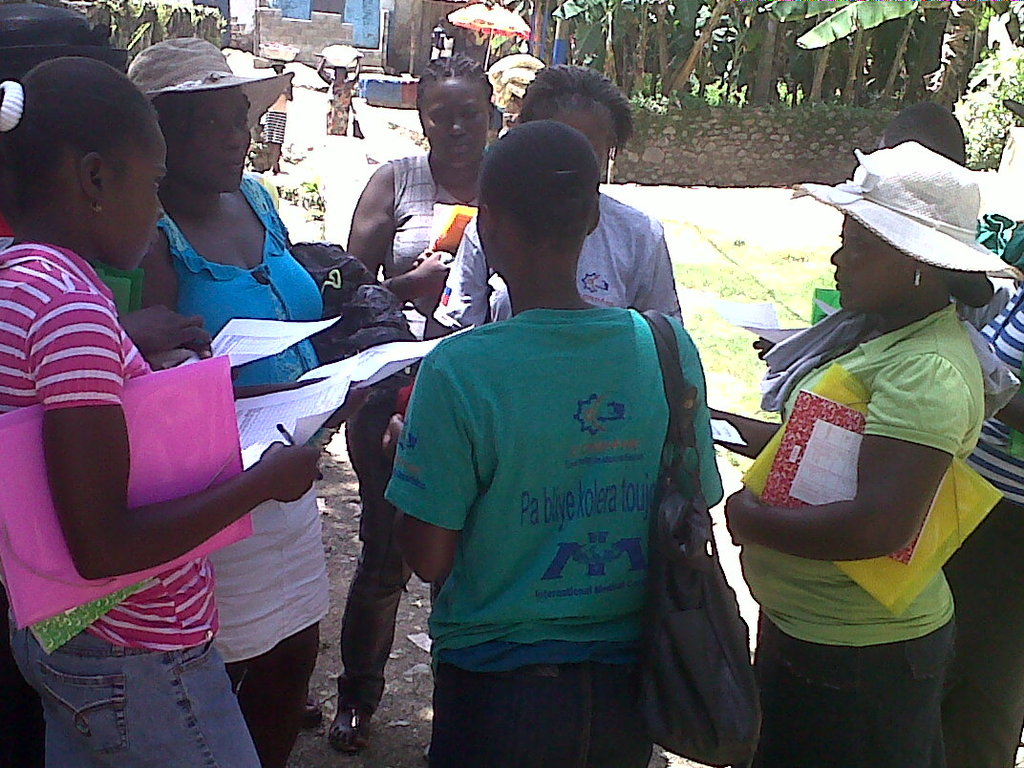
International Medical Corps provided a several month supply of medicines to the health centers and deployed community volunteers through local community based organizations for one month. Awareness training needed to be conducted to help the vulnerable communities recognize the ever present existence of cholera and that they needed to continue using good hygiene practice in order to avoid further cholera contamination. International Medical Corps, in partnership with the Council of Haitian Non-State Players (CONHANE) and the MSPP, worked with four community based organizations in the selected communities to conduct cholera prevention awareness activities through house-to-house visits and hygiene awareness sessions in churches and schools. During the awareness campaigns, the volunteers reminded the population that cholera is still present in their community and that they need to apply good hygiene practice to avoid the spread of cholera.
Thanks to the generosity of Global Giving and other generous donors, the intervention has completed all the planned activities and all result has been positive. International Medical Corps, along with CONHANE, was able to deploy 40 volunteers and two zones coordinators, reaching two communities in the North and two communities in North-East. Over 34,000 people in 4,839 households have been sensitized to the importance of proper hygiene practices to prevent the spread of cholera, and also received Aquatabs and oral rehydration salts (ORS) to treat the disease. Further, all 40 volunteers are available to continue the campaign which will ensure that an even larger number of people can be reached with critical hygiene education in the near future. Additionally, 100,000 water purification tablets (Aquatabs) and 5,000 ORS sachets have been distributed to prevent cholera in the community. While the project has been successful, it is important to remember that cholera is still present in Haiti. Prevention efforts must continue to stop the spread of cholera, particularly in vulnerable communities.
Project reports on GlobalGiving are posted directly to globalgiving.org by Project Leaders as they are completed, generally every 3-4 months. To protect the integrity of these documents, GlobalGiving does not alter them; therefore you may find some language or formatting issues.
If you donate to this project or have donated to this project, you can receive an email when this project posts a report. You can also subscribe for reports without donating.