By Jason Graber | Resource Development Officer
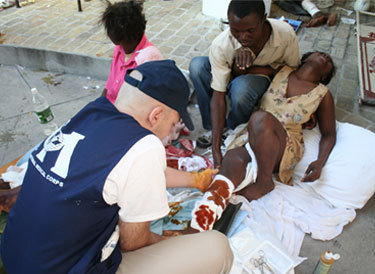
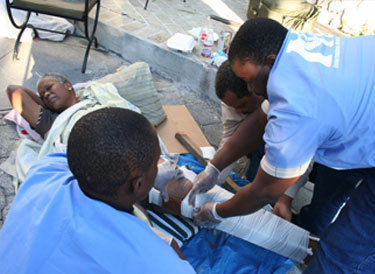
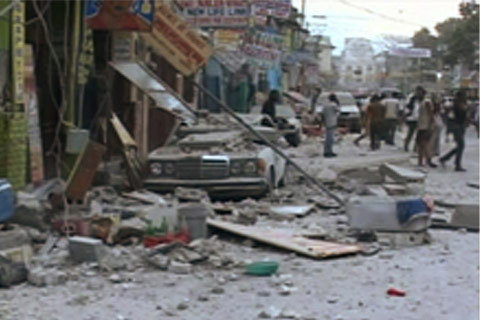
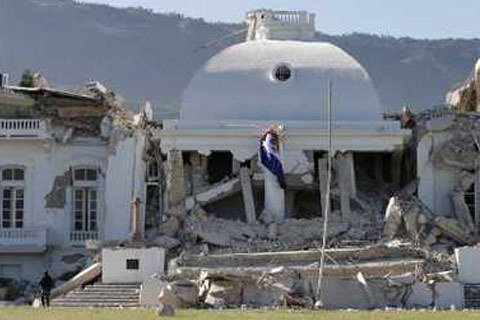
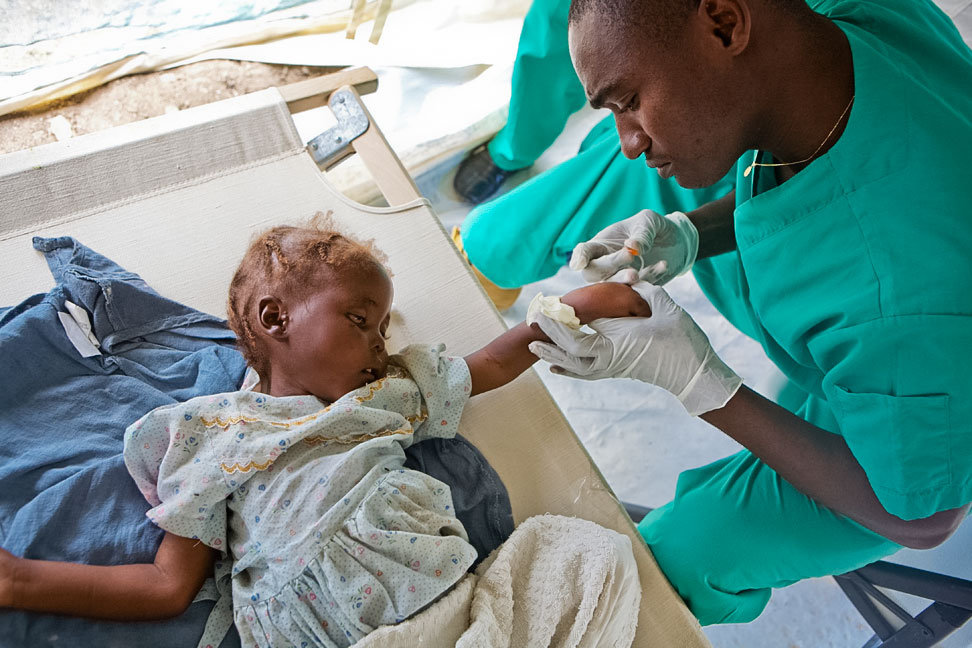
International Medical Corps was on the ground in Haiti 22 hours after the devastating January 2010 7.0 earthquake that took over 200,000 lives and displaced hundreds of thousands more. Tragically, the earthquake was not the only disaster to strike Haiti that year. In late October 2010, cholera broke out in Artibonite, a rural region north of Port-au-Prince. International Medical Corps was one of the very first organizations to respond, and had medical staff on the ground in Artibonite days before the outbreak was even confirmed to be cholera. International Medical Corps’ teams aggressively rolled out a network of cholera treatment centers (CTCs) and mobile medical units in Haiti’s most remote and affected areas, in order to provide care for more than 39,700 cholera patients.
Because cholera was a new disease in Haiti, most of the country’s health workers had no experience identifying or treating the disease before the outbreak. International Medical Corps collaborated with the Ministry of Health, engaging, training and employing ministry staff, as well as, local doctors, nurses, and community health workers, in cholera response and treatment techniques. Overall, International Medical Corps trained and mentored more than 1,200 doctors, nurses, and community health workers. As a result, the network of CTCs were staffed largely by local health professionals and were handed over to the national health system – creating sustainability, building self-reliance and helping to ensure that cholera prevention and treatment would be part of the country’s long-term healthcare infrastructure.
At the height of the outbreak in the South Department, 14% of cholera cases resulted in death. In response, International Medical Corps provided surge support, capacity building and training for local staff in the area’s two largest treatment centers. Just one month later, the fatality rate fell to 2.5%, and two months later, it was less than 1%. This success is largely due to the fact that International Medical Corps trained local health professionals to prevent and treat cholera and then mobilized entire communities - from mayor to mom - in the fight against cholera, reaching over 2 million people with cholera education, awareness and prevention messages.
Since that time, International Medical Corps has continued to build the capacity of local staff and communities to respond to spikes in cholera and prevent cholera from taking hold - including after Hurricane Sandy that wreaked havoc on the country’s fragile infrastructure in October 2012 - and remains one of the few organizations focused on cholera prevention for vulnerable families in the under-resourced northern region of the country.
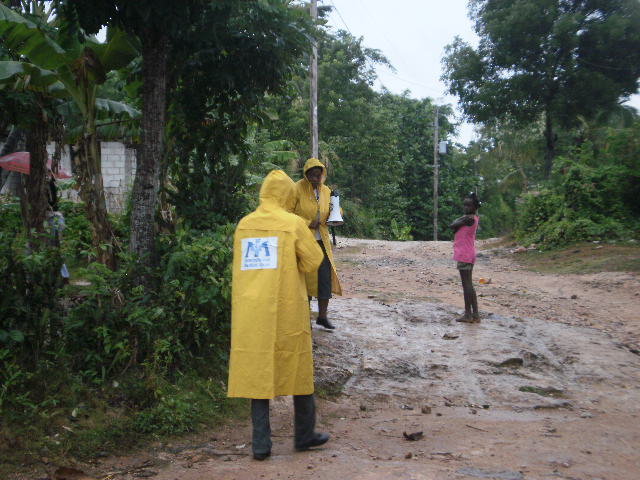
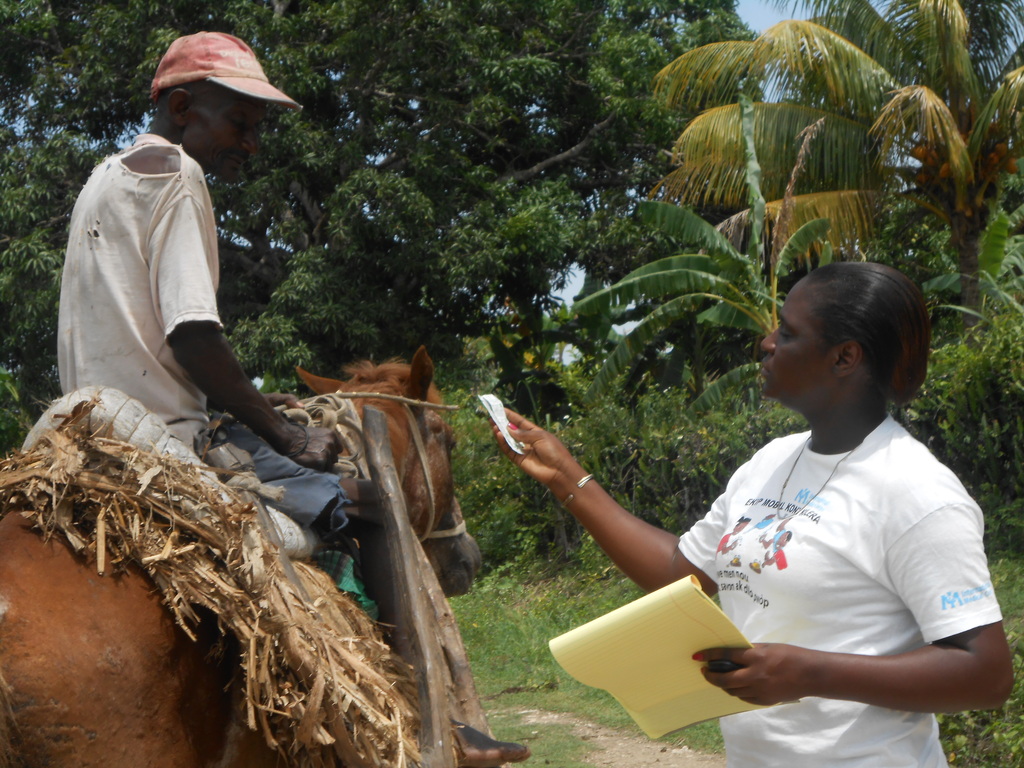
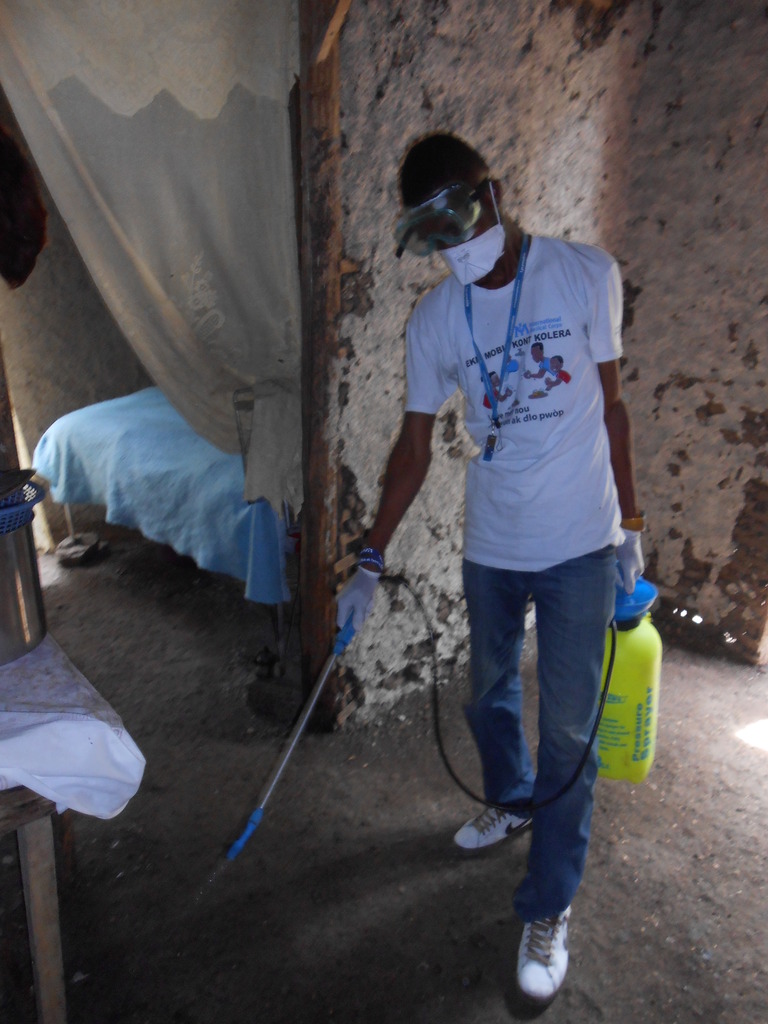
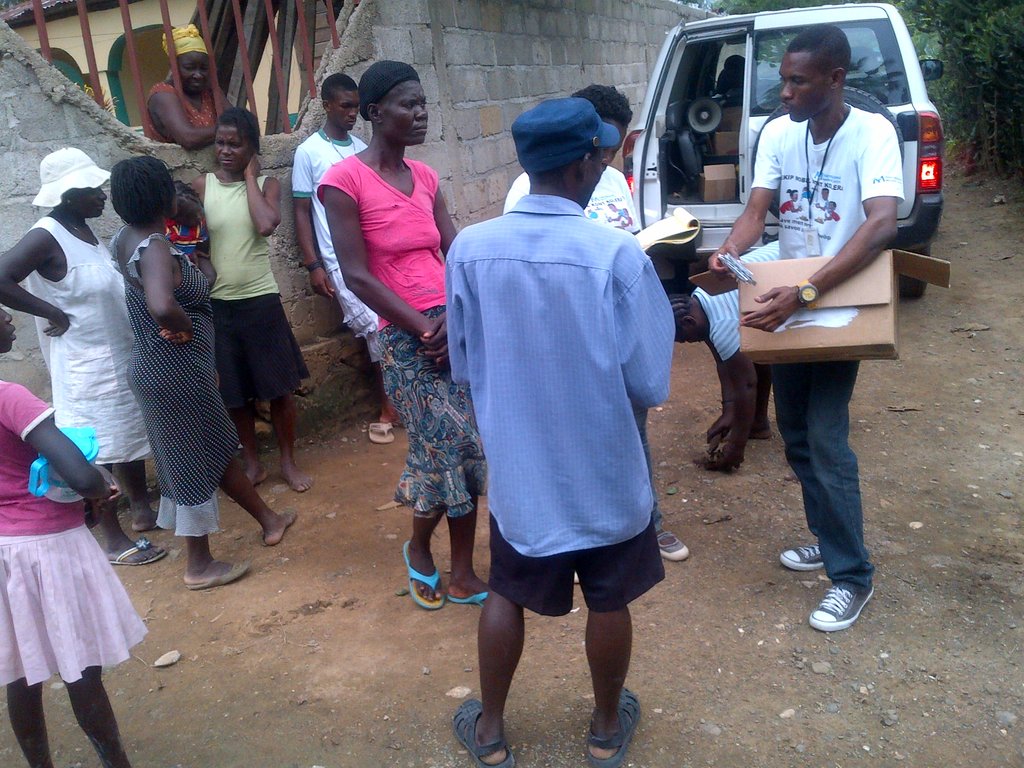
Over the last year, International Medical Corps responded to an increase in cholera cases that began in June 2013 in the North and North-East Districts. International Medical Corps’ "Cholera Response and Prevention Teams", staffed by local doctors, nurses, and hygiene specialists, visited communities in each district at least once each month, and up to several times a month for the more vulnerable communities. Teams worked directly with health clinics, and spread hygiene and cholera prevention messages to families to thwart the spread of the disease. In total, teams supported 33 ministry facilities; stocked local clinics with rehydration salts, the primary medication used in cholera treatment; provided medication, education, outreach and treatment benefitting 1.5 million people; distributed more than 300,000 water purifying tablets to families; disinfected latrines and households; and distributed additional hygiene items, including soap and detergents. These efforts contributed to a marked decrease in cholera cases; reported cholera cases fell in the first six months of 2014 by 80% in the North Department and 93% in the North-East Department.
International Medical Corps’ cholera treatment and prevention projects have been largely successful, however, cholera is still present in many parts of Haiti. During the hurricane season, when storms can wreak havoc on infrastructure, it remains critical that communities are ready to prepare for increases in cholera cases. Preparation includes the distribution of chlorination tabs; buckets; and water filters, so that families can ensure that their water is clean. The generous support from Global Giving and other donors continues to help International Medical Corps deliver these critical and effective cholera treatment and prevention programs and bring clean water to communities in rural Haiti.
Project reports on GlobalGiving are posted directly to globalgiving.org by Project Leaders as they are completed, generally every 3-4 months. To protect the integrity of these documents, GlobalGiving does not alter them; therefore you may find some language or formatting issues.
If you donate to this project or have donated to this project, you can receive an email when this project posts a report. You can also subscribe for reports without donating.