By Robert Rutherford | Resource Development Officer
Currently, International Medical Corps is operational in the North of Haiti. Our main office is in Cap Haitien and we have a sub-office in Fort Liberté, allowing us to work in two of the three departments in the North of Haiti.
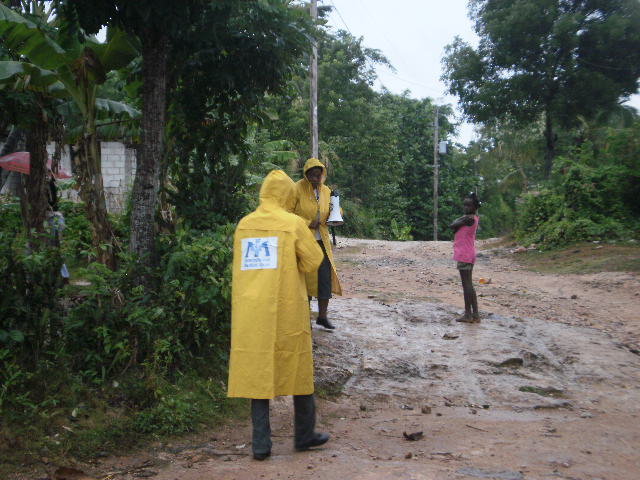
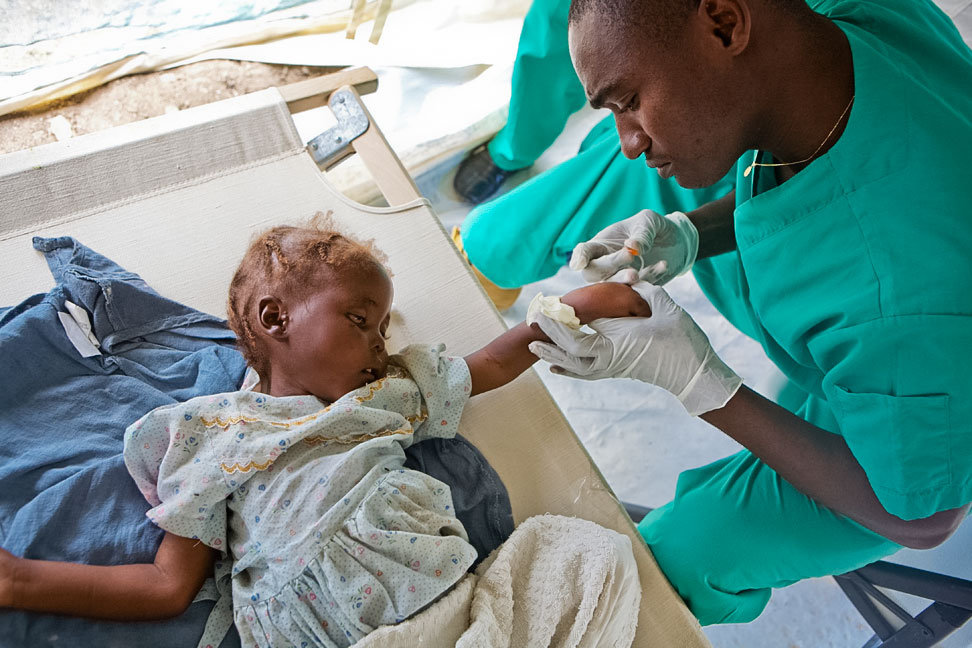
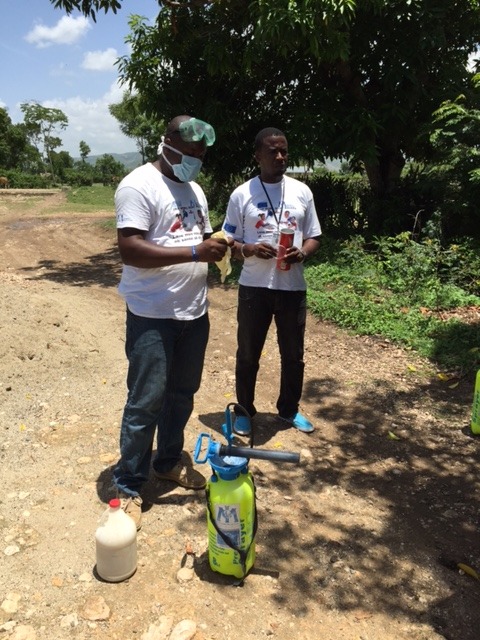
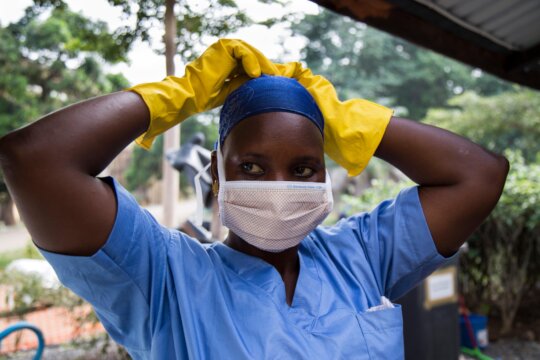
June and July 2015 have been very rewarding months for International Medical Corps’ two programs in northern Haiti. First, we are fighting cholera outbreaks, an ongoing problem that first emerged a few months after the 2010 earthquake. According to the World Health Organization, cholera can kill within hours if left untreated, but with proper care the mortality is under 1%. International Medical Corps staff therefore recently trained 90 health professionals on cholera case management. In addition, when a cholera victim is identified, we disinfect homes and provide education for remote affected communities on prevention. As cholera is caused by contaminated water, we reduce its risk by building sanitary infrastructure, including clean water sources, latrines, showers, foot baths and hand-washing stations, as well as building kitchens with clean water in local schools.
International Medical Corps has also repaired and built new cholera beds, and has been advocating for infant cholera beds. These are specifically designed to accommodate the needs of cholera patients. They are typically easy to maintain, promoting hygiene and allowing for ease of access to bed pans. International Medical Corps’ approach to cholera case management is therefore holistic and very well known in the North and North East Departments of Haiti. Fighting cholera in Haiti is as critical as ever as during the first four months of 2015, the number of reported cholera cases was nearly 400% higher than what was reported during the same period in 2014.
We have recently kicked off our new cervical cancer program, one of the few cancers that can be prevented if caught early. International Medical Corps trained and equipped 22 doctors and nurses so they can screen for early cervical cancer by using a low-cost and effective screening technique known as Visual Inspection with Acetic Acid (VIA). Women who test positive receive cryotherapy treatment on the spot using the “see and treat” method recommended by the World Health Organization. We have also trained community health workers to educate local women on the benefits of the screening. During the summer of 2015, International Medical Corps will screen 1,800 women in 11 government-supported health facilities and provide the training curriculum to local nursing schools.
International Medical Corps’ critically needed work in the affected communities of Northern Haiti has been possible thanks to the support of GlobalGiving and other donors. It is truly making a difference in the lives of those who need it most.
Project reports on GlobalGiving are posted directly to globalgiving.org by Project Leaders as they are completed, generally every 3-4 months. To protect the integrity of these documents, GlobalGiving does not alter them; therefore you may find some language or formatting issues.
If you donate to this project or have donated to this project, you can receive an email when this project posts a report. You can also subscribe for reports without donating.