By Lori Brister | Resource Development Officer
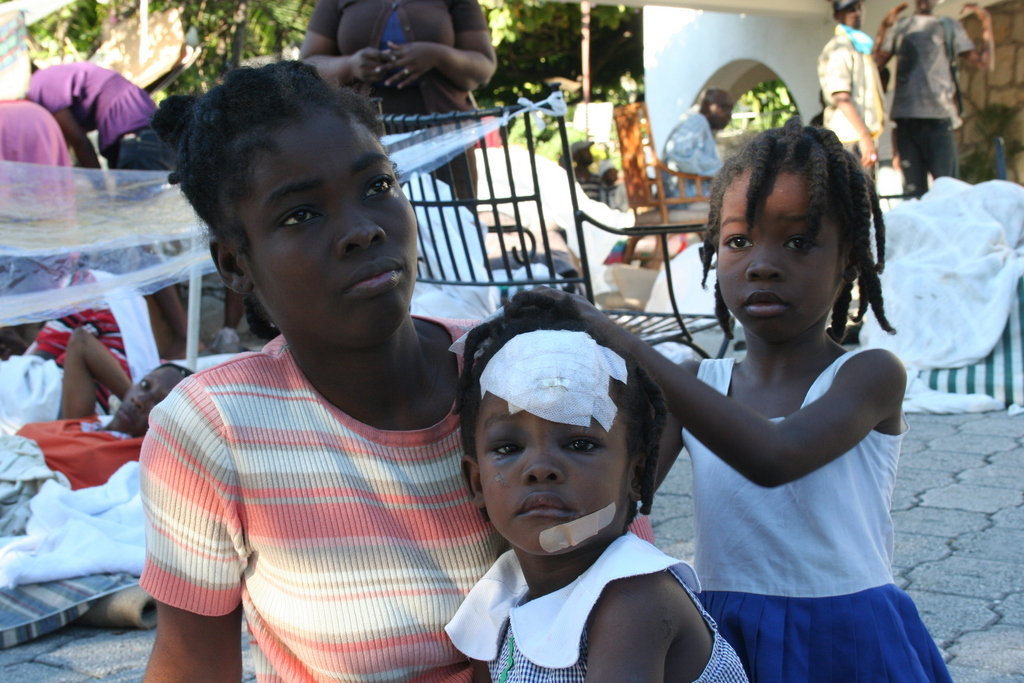
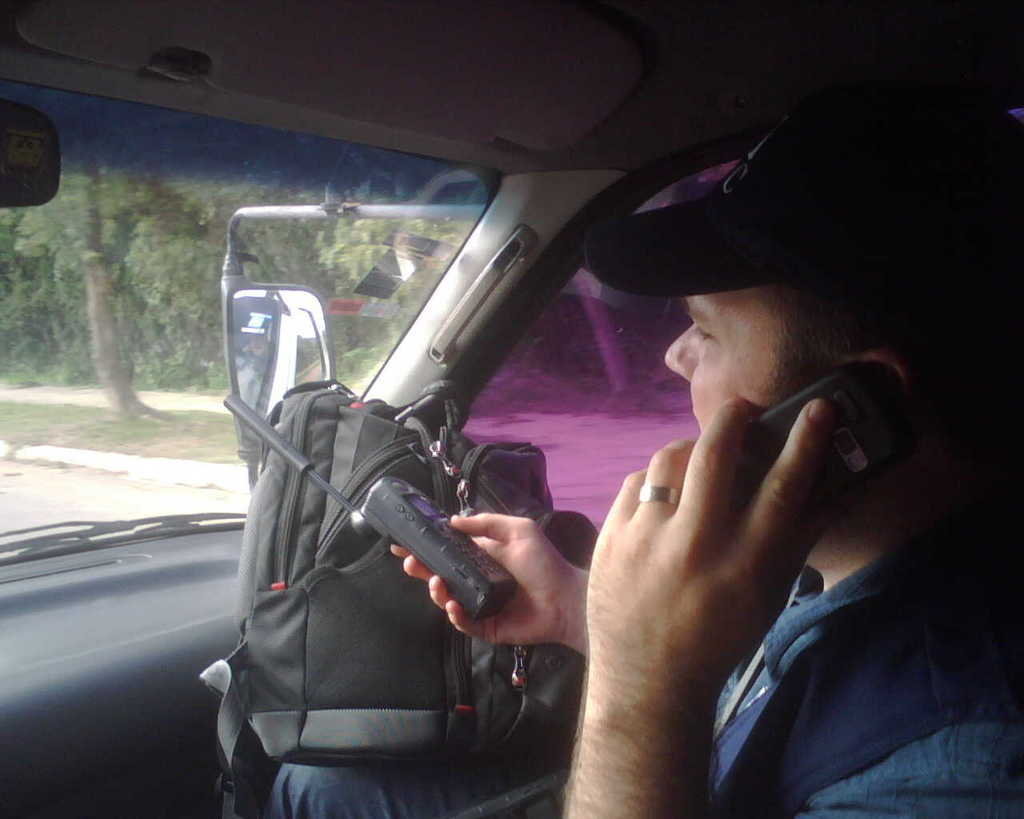
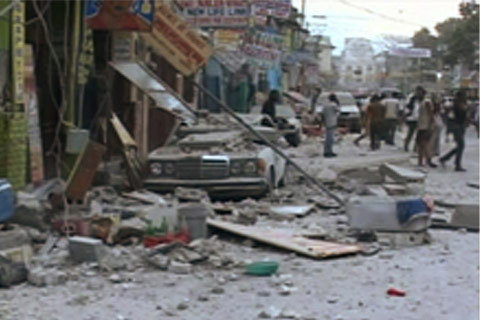
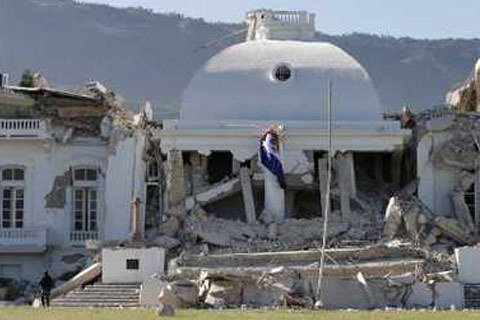
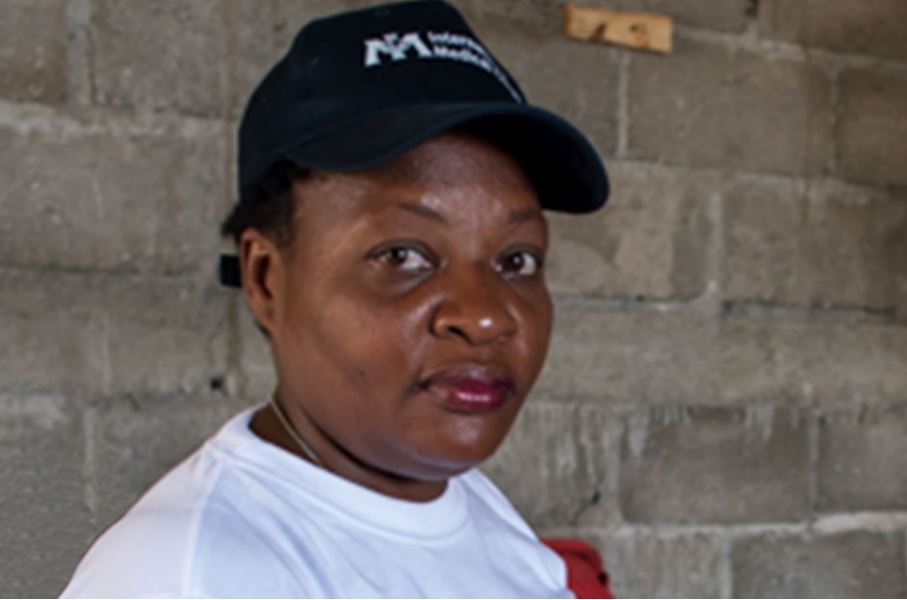
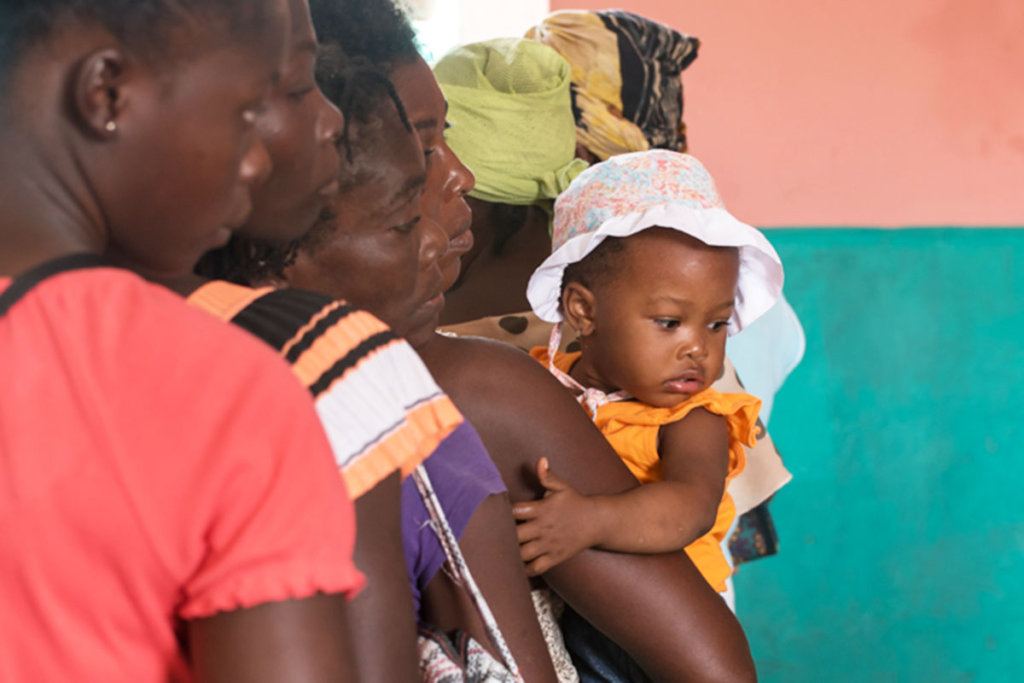
When the devastating earthquake struck Haiti in 2010, it was immediately followed by another disaster—a deadly outbreak of cholera. Christine was already an experienced nurse when she joined the International Medical Corps team. “I was especially shocked at the number of child victims,” she said. For Christine, it was a deeply personal cause—she lost her seven-year-old child in the earthquake, and she refused to watch more children perish from a preventable and treatable disease.
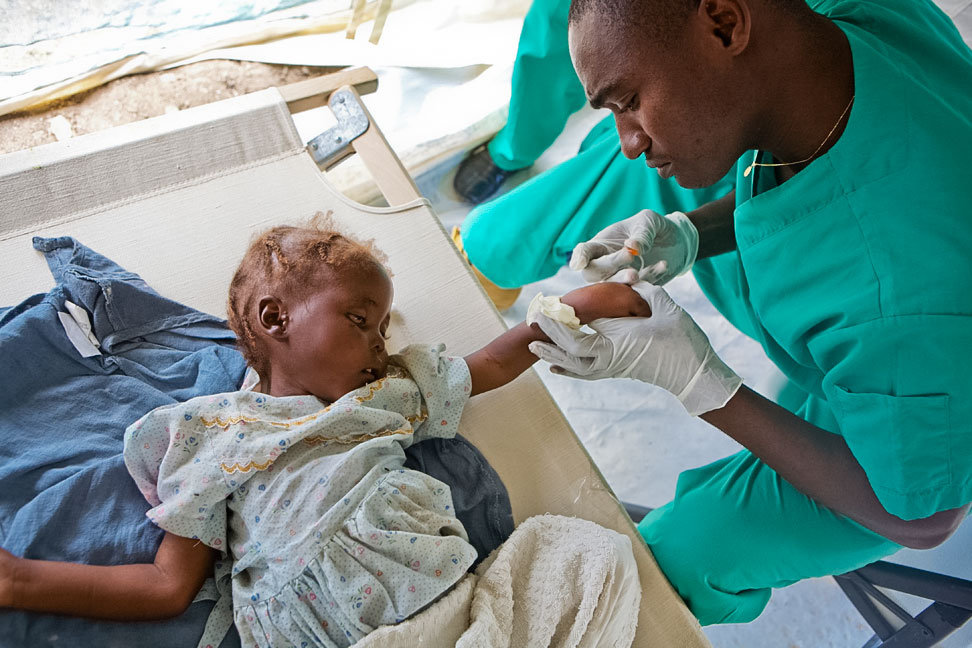
Cholera is an acute diarrheal disease and, if left untreated, can kill within a matter of hours. Following the 2010 earthquake, some 9,000 people died from cholera. Between 2015 and 2016 there was an increase in the number of suspected cholera cases, especially in the north, which has shown the highest vulnerability to cholera since the outbreak in 2010. When Hurricane Matthew hit Haiti in October, massive flooding and widespread damage to infrastructure caused another outbreak across the Sud and Grand’Anse departments. Today, some 8,900 new cases of cholera are suspected across the country.
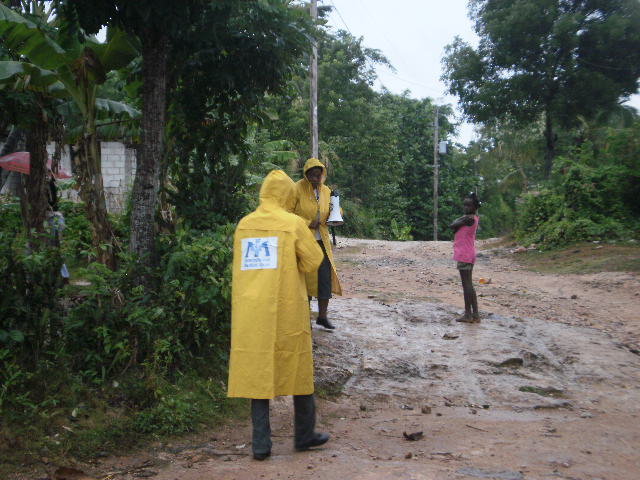
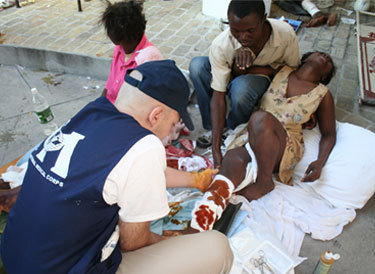
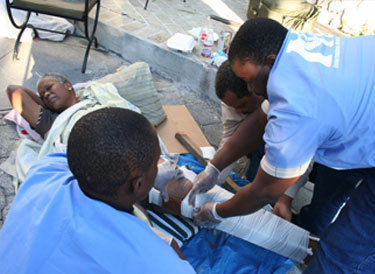
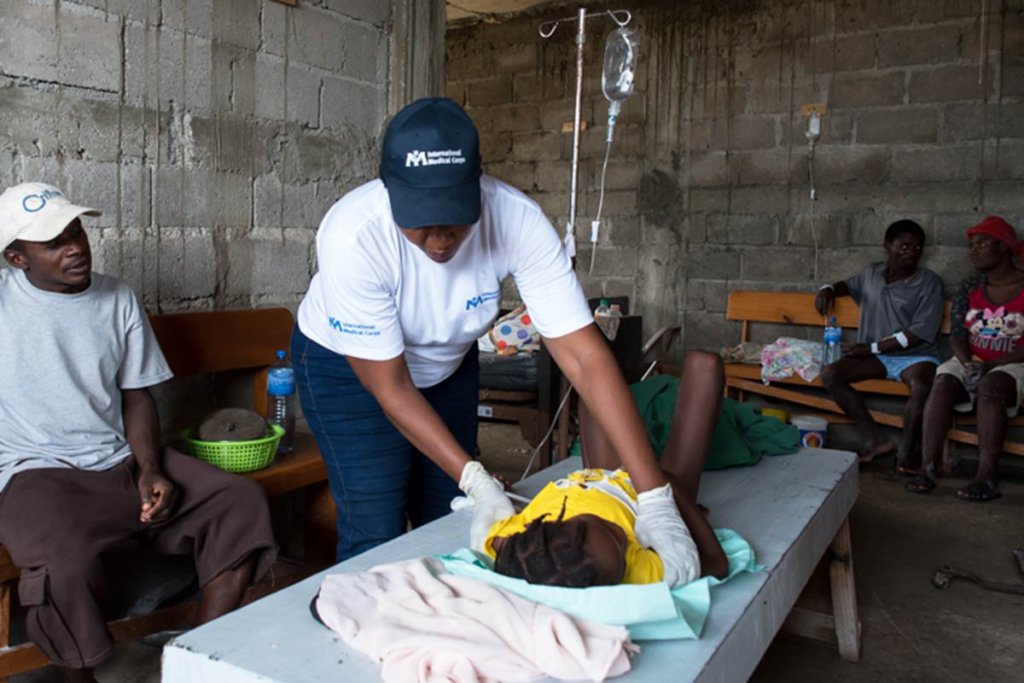
International Medical Corps has been working in Haiti since the earthquake in 2010, responding to ongoing medical needs, including cholera treatment and prevention. In the Nord and Nord-Est departments in the north, our team of nurses and hygiene experts supports health facilities during cholera outbreaks and operates three mobile medical units equipped with essential cholera medicines, and sanitation and hygiene items, such as soap and toothpaste. We have also significantly contributed to the improvement of cholera surveillance systems by early reporting and tracking of data on suspected cases, as well as case management to ensure patients get the follow-up care they need. Our teams also visit the patient’s home, apply chlorine treatments and provide education on sanitary conditions.
Following Hurricane Matthew, our teams deployed seven mobile medical teams to provide primary care to the hardest hit areas of the Sud and Grand’Anse departments. We are also providing clean water and sanitation support so that shelters and health facilities can remain open. Our teams established oral rehydration points to save the lives of those who are suffering from aggressive cholera symptoms, such as diarrhea and vomiting. Finally, to prevent the further spread of disease, we are supporting vaccination implementation and promoting clean water, sanitation and hygiene.
After the cholera epidemic of 2010, Christine was exhausted, both physically and psychologically, and stepped away from her role as a first responder with International Medical Corps, though she continued to work in health care and trained other nurses. When Hurricane Matthew struck, she rejoined our response team, saying, “In particular, I like the way International Medical Corps works on the ground. Their teams are really dedicated and take special care of children and patients.” Since then, she has treated dozens of suspected cholera patients, from as young as 3 years old up to 84 years old. She added, “Cholera excludes no one, but it is the poor and the vulnerable who suffer the most.”
We want to thank the GlobalGiving community for your support as we continue to provide life-saving cholera prevention and treatment to the people of Haiti.
Project reports on GlobalGiving are posted directly to globalgiving.org by Project Leaders as they are completed, generally every 3-4 months. To protect the integrity of these documents, GlobalGiving does not alter them; therefore you may find some language or formatting issues.
If you donate to this project or have donated to this project, you can receive an email when this project posts a report. You can also subscribe for reports without donating.