By Anna Roesinger | Project Manager
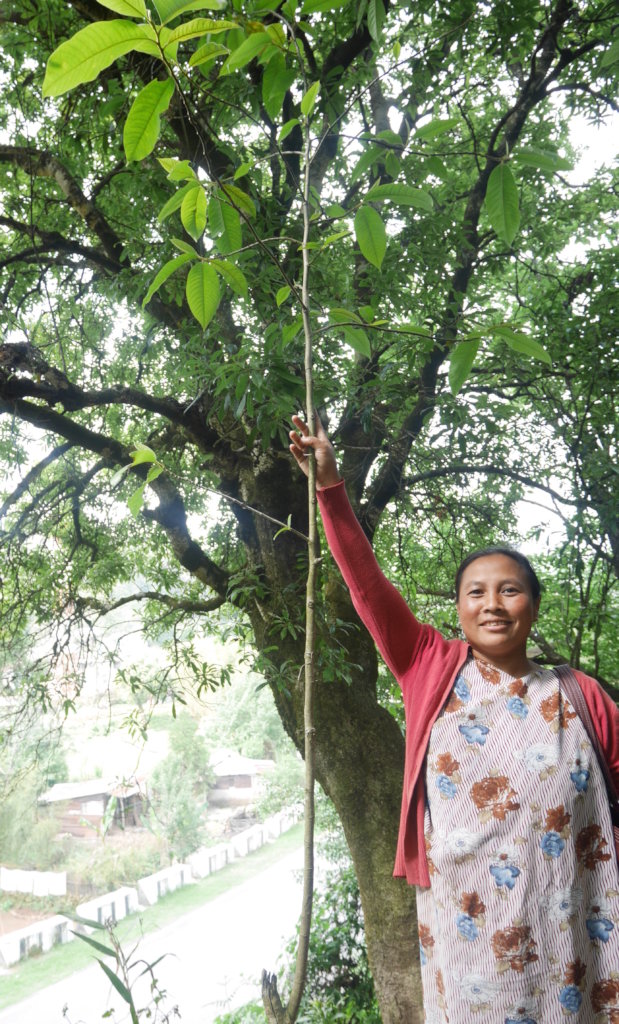
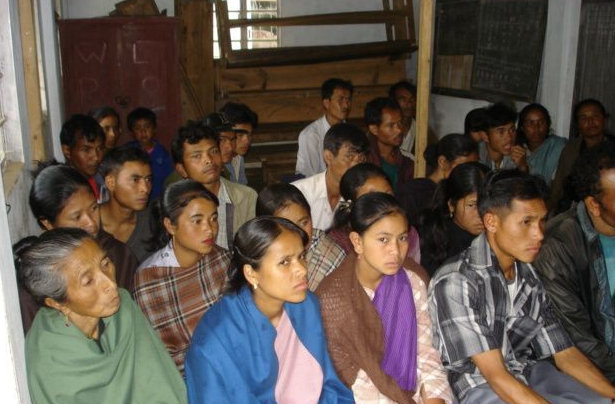
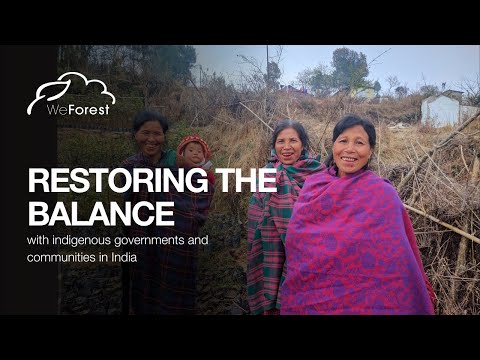
In April 2017, WeForest collaborated with the United Nations FAO’s Forest and Water Programme and the KSKHAWUM Welfare Society on carrying out a capacity building workshop on forests and water. The local community was getting concerned about two issues: increasing water scarcity and contamination of springs.
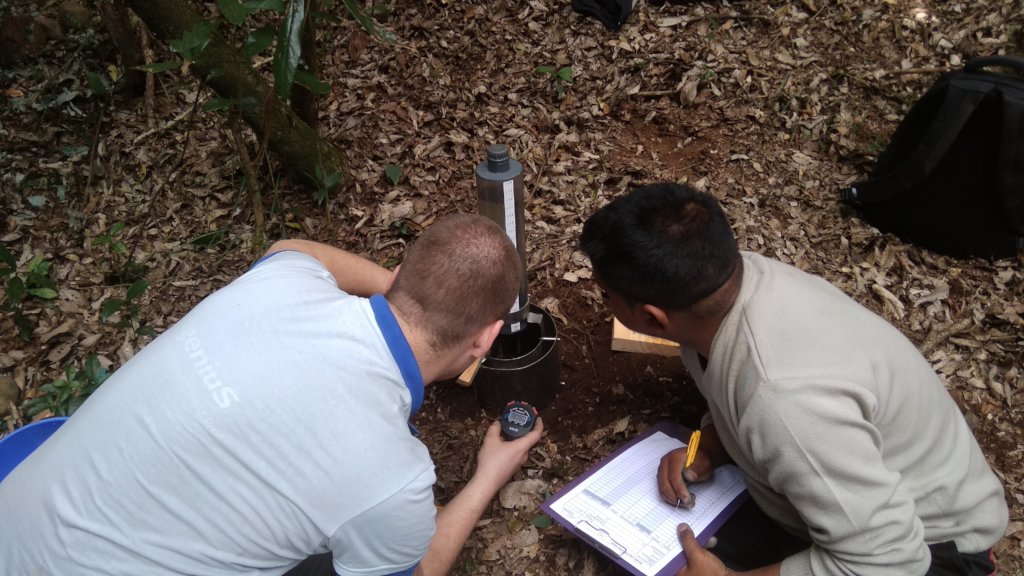
The workshop was held over 5 days and attended by 18 representatives of the East Khasi Hills forest restoration project’s technical and community team, government forestry officers and university staff. They were trained in data collection and recording, and four permanent stations for measuring rainfall were placed in the project area.
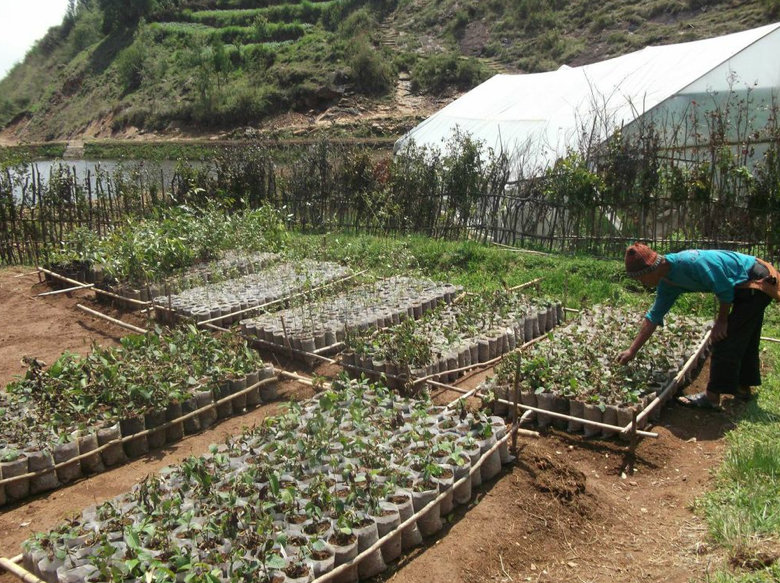
As a result of the workshop, the Federation of 10 indigenous governments of East Khasi Hills adopted a forest-water agenda and a monitoring plan. The main objective of the agenda is to increase water availability by using forest restoration methods that improve infiltration of water into the soil, and consequently, groundwater recharge.
In February 2018, WeForest contracted forest hydrologist Dr. Chandra Ghimire to conduct a follow-up on the 2017 capacity building workshop, and to record and analyse data on soil hydrology.
The forest-water agenda and related research findings will inform our project management practices. For example, we will be able to assess how and where to prioritise forest restoration for water availability. That way, our work will benefit climate, people and planet. Thank you for making it possible!
Project reports on GlobalGiving are posted directly to globalgiving.org by Project Leaders as they are completed, generally every 3-4 months. To protect the integrity of these documents, GlobalGiving does not alter them; therefore you may find some language or formatting issues.
If you donate to this project or have donated to this project, you can receive an email when this project posts a report. You can also subscribe for reports without donating.