By Manon Koningstein | Chief Marketing & Communications Officer
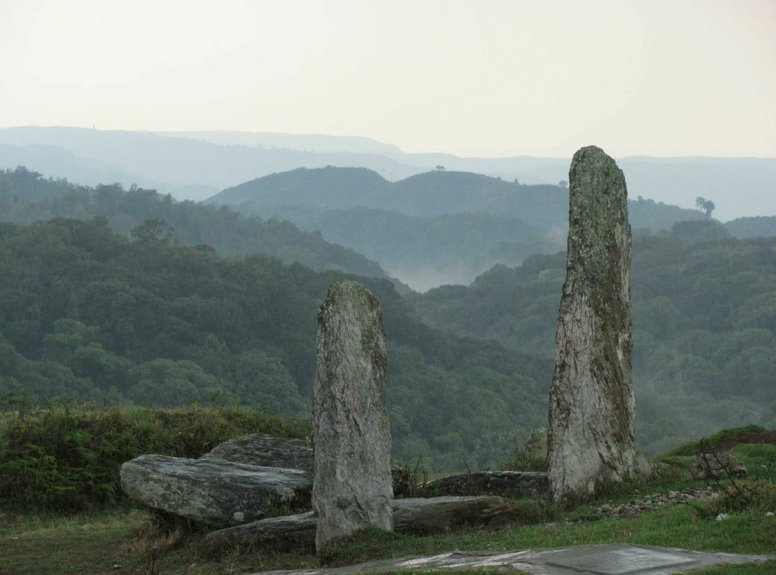
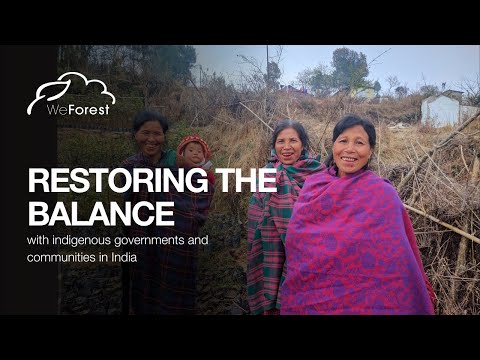
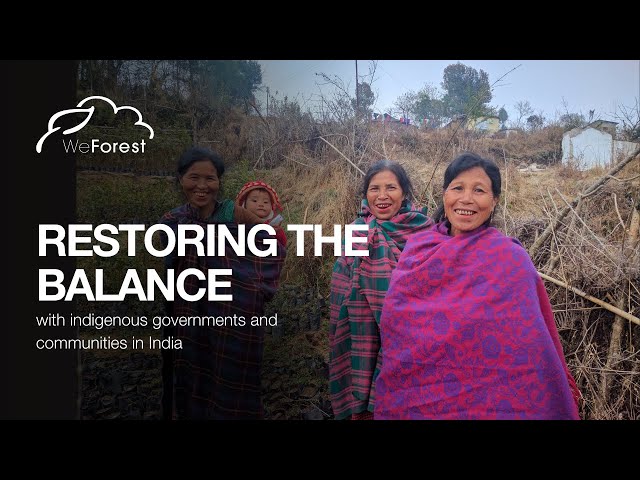
For many indigenous communities in the world, forests are much more than just trees: they store souls and spirits and are of great cultural and religious value. In India there are over 100.000 of these sacred forests, mostly existing of forest fragments in agricultural landscapes, where community members are actively involved in their protection and management, providing important refuges for conservation of biological diversity, including medicinal plants.
A great example is our project in the Khasi Hills, where the Lyngdoh clan has been responsible for the guardianship of this sacred grove for centuries. They believe the forest belongs to the local deity Labasa, who protects this forest and their community from anything bad happening to them. It is therefore entirely forbidden to hunt, cut trees or take anything from out of the forest.
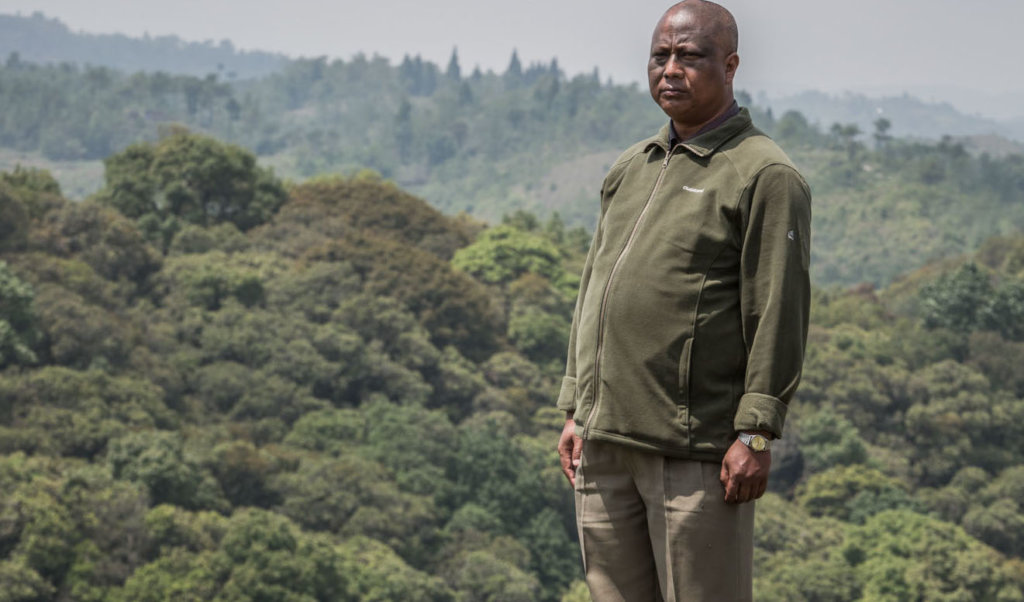
Tambor Lyngdoh, who is head of the federation and project partner to WeForest, feels proud of his role. "Traditionally, our ancestors preserved the forest, because the forest gave our people everything. But in recent times, we started to take only from the forest and stopped taking care of it. But now it is time to restore the balance".
Read more about how we work with Sacred Groves in India in this story.
And last but not least: thanks a million for your support!
Project reports on GlobalGiving are posted directly to globalgiving.org by Project Leaders as they are completed, generally every 3-4 months. To protect the integrity of these documents, GlobalGiving does not alter them; therefore you may find some language or formatting issues.
If you donate to this project or have donated to this project, you can receive an email when this project posts a report. You can also subscribe for reports without donating.