By Manon Koningstein | Chief Marketing and Communications Officer
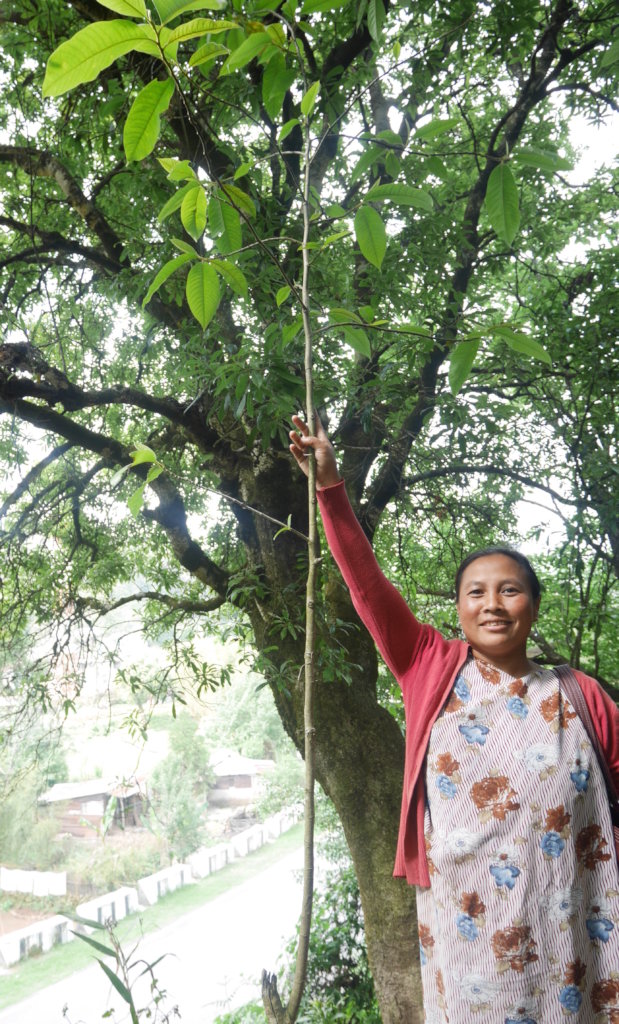
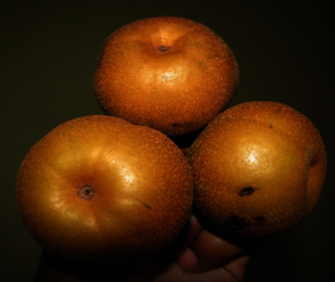
The native species of Soh Shur (Pyrus pashia), or the Wild Himalayan pear, grows on a tall, thorny, open-headed tree, up to 10 meters tall, with hard, dark brown to black bark. The wild trees generally live for about 20 years and their white-colored flowers have 1-7 cm-long petals with oval-shaped fruit.
Not only is the Wild Himalayan pear smaller and more brownish of color than cultivated pear varieties, it actually tastes quite sour. It is therefore that in northeastern India they are used to make pickles. Lately, they are becoming more popular to use as a rootstock to graft other tree varieties.
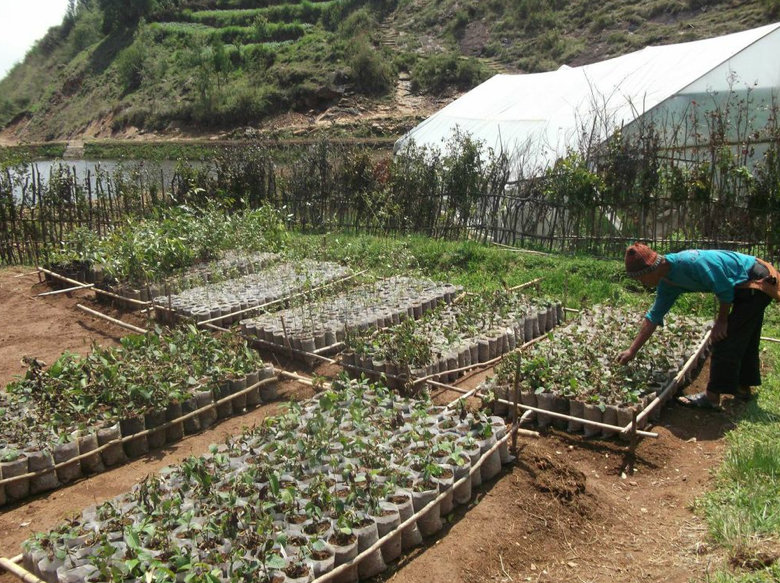
In the past, Soh Shur was found in abundance in the forests, but the introduction of grafting techniques means that this tree has become overexploited for use as a rootstock in grafting more productive, commercial fruit varieties.
With overharvesting of young trees for this purpose, the wild pears have become rarer, and there are fewer trees reaching maturity for fruit production and reproductive purposes. If the Soh Shur is lost, transformed products made from the fruit, such as the locally made pickles, will be lost as well.
Links:
Project reports on GlobalGiving are posted directly to globalgiving.org by Project Leaders as they are completed, generally every 3-4 months. To protect the integrity of these documents, GlobalGiving does not alter them; therefore you may find some language or formatting issues.
If you donate to this project or have donated to this project, you can receive an email when this project posts a report. You can also subscribe for reports without donating.