By Anna Roesinger | Project Manager India
Your support is key to operate our Hima Mawbeh nursery
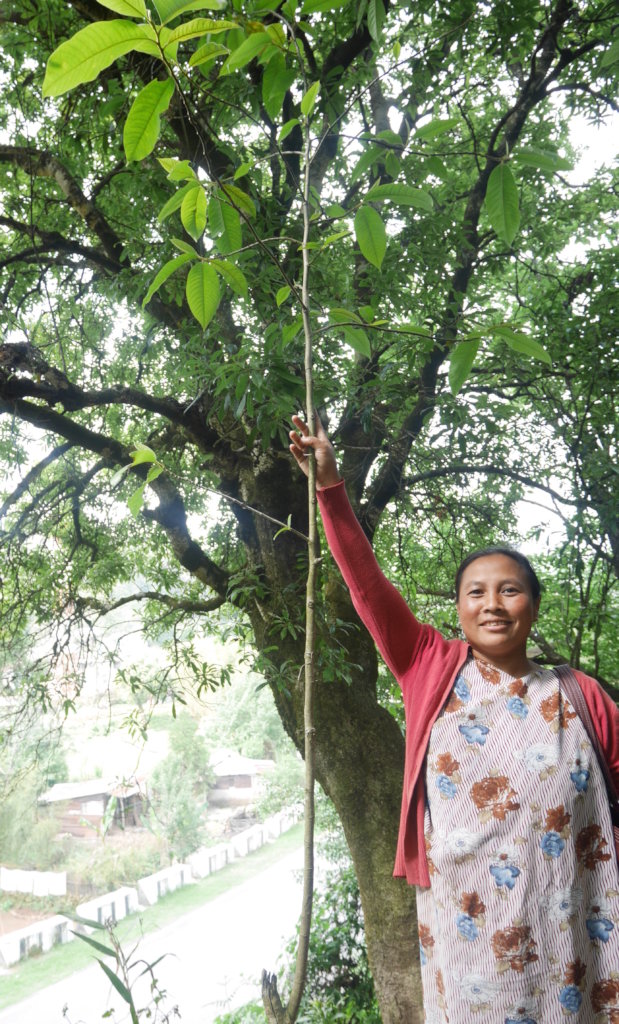
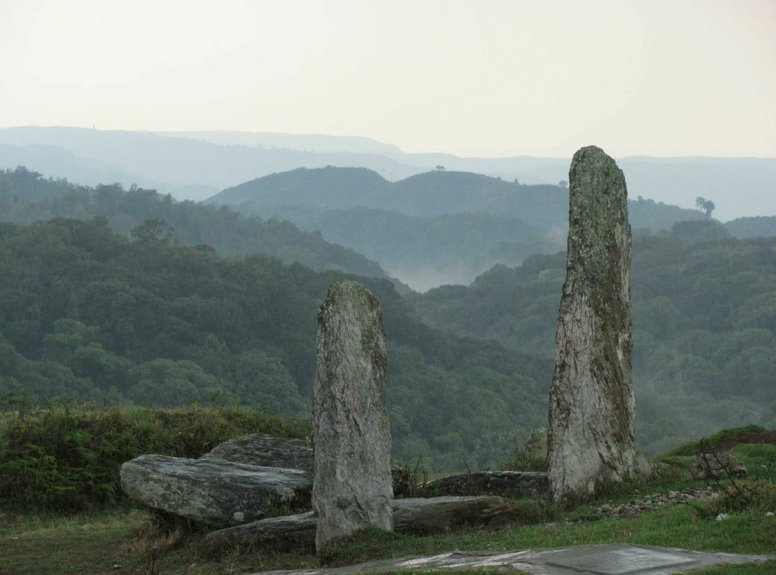
GlobalGiving supports the restoration of the WeForest proejct in the East Khasi Hills, India. All your trees are growing around Mawbeh, Meghalaya province. This Hima is one of 10 indigenous regional governments which includes 62 villages in total.
2 methods are used
The restoration method we chose in these project sites is called Assisted Natural Regeneration (ANR), which includes weeding, thinning and carefully cutting of trees to create fire lines and facilitate the growth of existing trees. Besides ANR, our method also includes growing trees in nurseries to fill forest gaps.
Small is beautiful
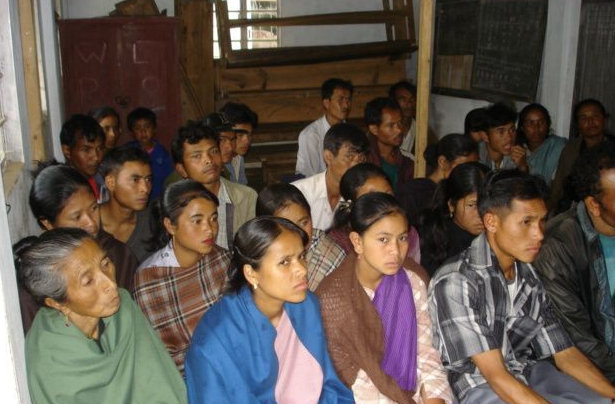
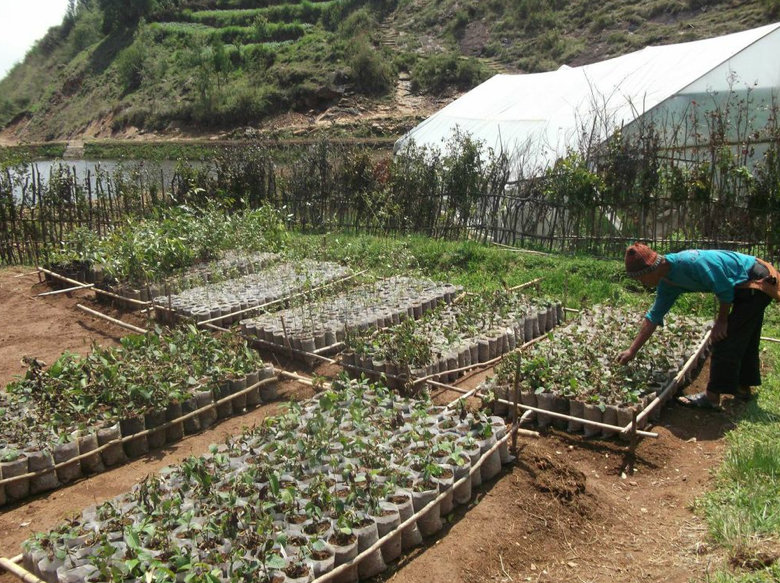
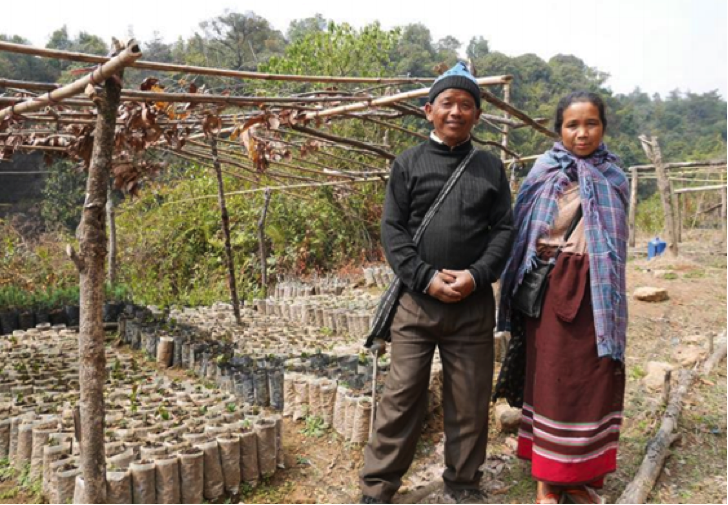
Tanbor and his wife are running one of the smallest nurseries in the area. Small (2,400 trees per annum) yet important, since his particular nursery is a model for the other ones. Active for already 3 years, their nursery is currently expanding. He grows 4 different species of trees and searches for the Exbluckandia Populnea, Shima Khasiana, Khasi Pine and cherry seeds in the nearby forest. Once they grow in the nursery for 1 year, the trees are planted in the nearby degraded areas. The optimal time for the planting is the beginning of the rainy season in May. Some of the 62 youth volunteers support them in planting this year.
Water and compost for healthy saplings
Access to water and compost is important for the survival of the trees. Although part of the Khasi Hills belongs to the rainiest places in the world, the area is prone to drought and forest fires in summer time. A lack of irrigation can therefore have an adverse effect for the growth of the trees. In this nursery, cow dung is used to fertilize the trees and the nearby creek provides enough water for the saplings.
Every additional income helps
The local project association, the Ka Synjuk Ki Hima Arliang Wah Umiam Mawphlang Welfare Society (KSKHAWUMWS) buys the trees for 3 rupees from this nursery. Tanbor and his wife earn an average of 7,200 rupees (110 USD) annually through the sale.
Project reports on GlobalGiving are posted directly to globalgiving.org by Project Leaders as they are completed, generally every 3-4 months. To protect the integrity of these documents, GlobalGiving does not alter them; therefore you may find some language or formatting issues.
If you donate to this project or have donated to this project, you can receive an email when this project posts a report. You can also subscribe for reports without donating.