By Anna Roesinger | Project Manager
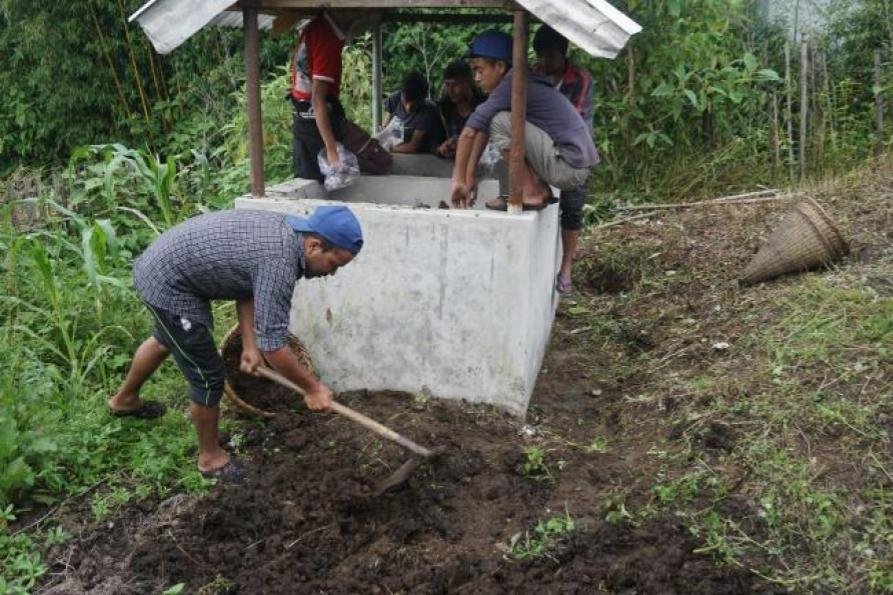
The top soil in the Khasi Hills is very shallow and lacking in nutrients. A natural way to condition and fertilize soil is to add compost to the vital humus layer. It may be surprising but the foundation to a healthier cloud forest is laid by worms and kitchen scraps.
Worms are the ultimate recyclers. They eat the compost ingredients, pass them through their body, absorb a small amount of nutrients and discharge the rest of the materials as broken down organic matter. Vermicompost takes very little maintenance and, with the right conditions, worms can turn kitchen scraps into nutrient-rich compost in approximately 60 days.
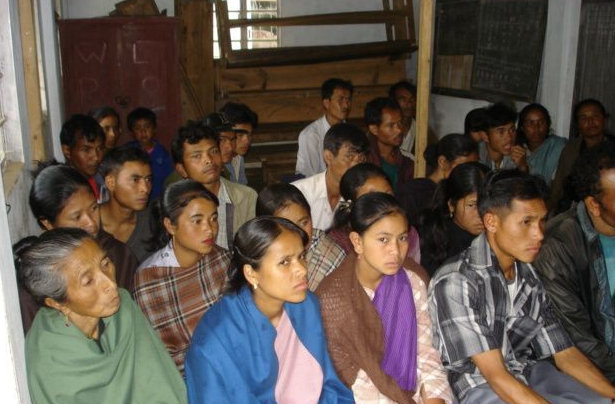
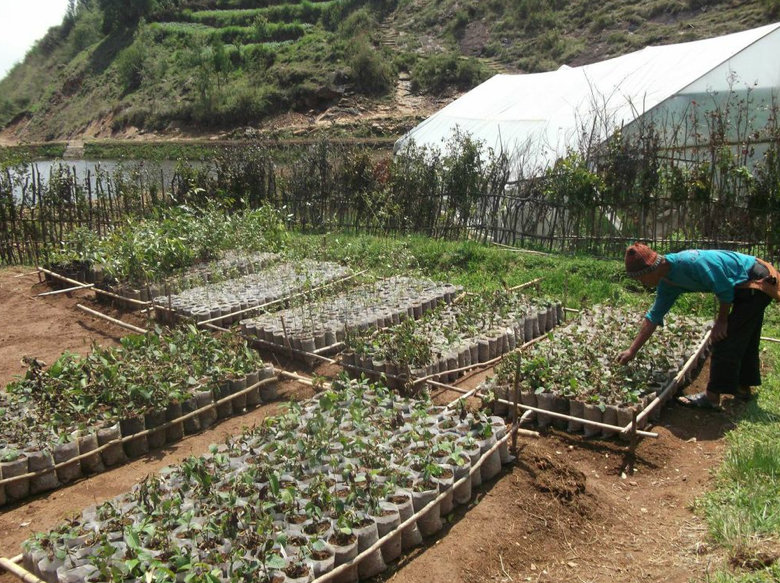
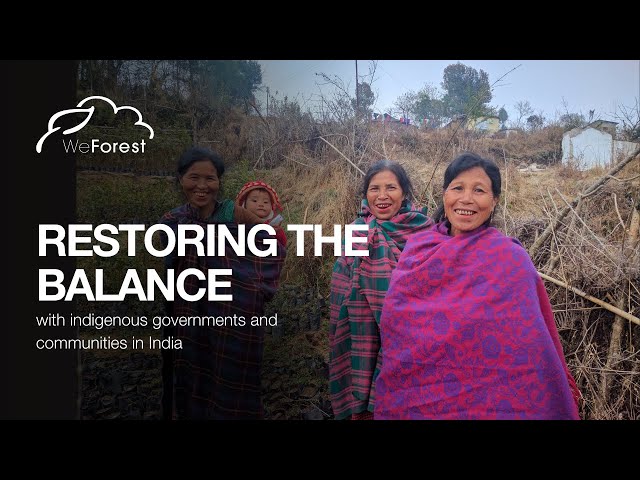
In July, the project management team of the Khasi Hills forest restoration project collected 2,000 vermicompost worms from the Rural Resource Training Centre in the Umran of Ri Bhoi District. Once the worms are multiplied, they will be distributed to women Self-Help Groups. Vermicompost will improve the quality of soil in their tree nurseries and vegetable gardens, impacting positively not only tree planting activities but also livelihoods of the Self-Help Group members.
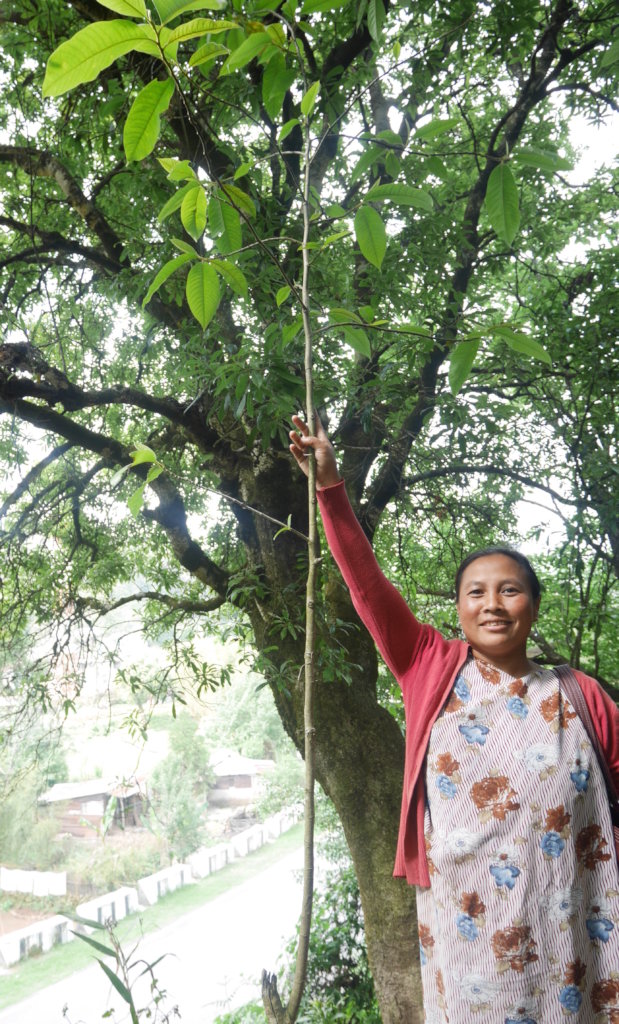
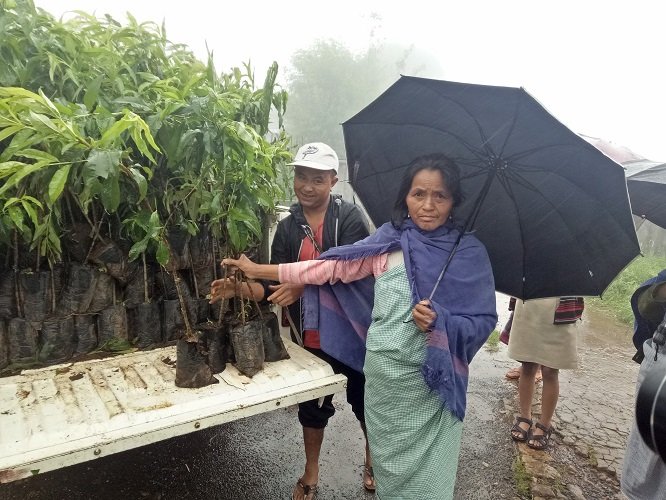
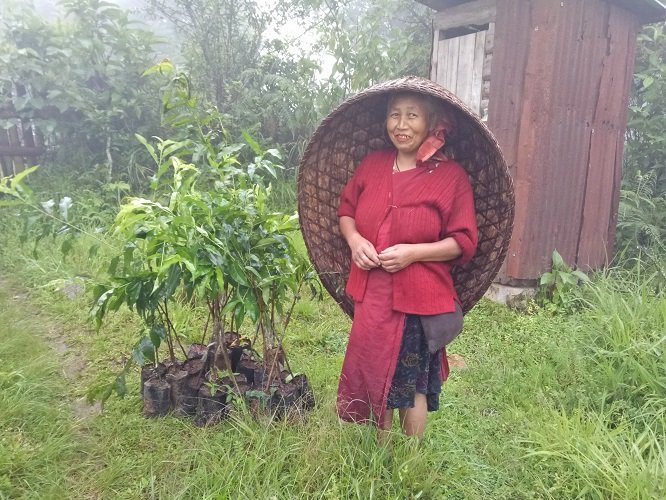
Another important contribution to Self-Help Group members’ livelihoods is income diversification. The project management team distributed to members saplings of peach trees at a discounted price. With one basket of peaches worth 300 INR, nearly an equivalent of one day’s wage, the sale of peaches will provide the members with a valuable source of additional income.
Project reports on GlobalGiving are posted directly to globalgiving.org by Project Leaders as they are completed, generally every 3-4 months. To protect the integrity of these documents, GlobalGiving does not alter them; therefore you may find some language or formatting issues.
If you donate to this project or have donated to this project, you can receive an email when this project posts a report. You can also subscribe for reports without donating.