By Kim & Austin Bowden-Kerby | Corals Expert & Permaculture Sustainable Farmer
The Saga of the Corn:
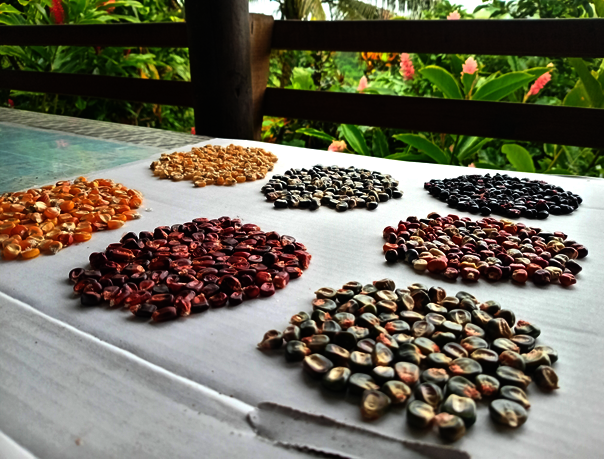
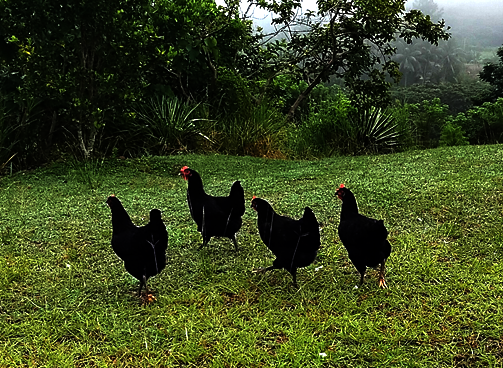
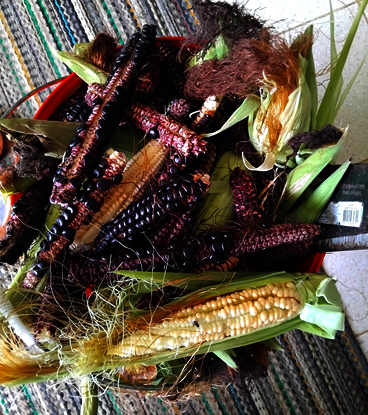
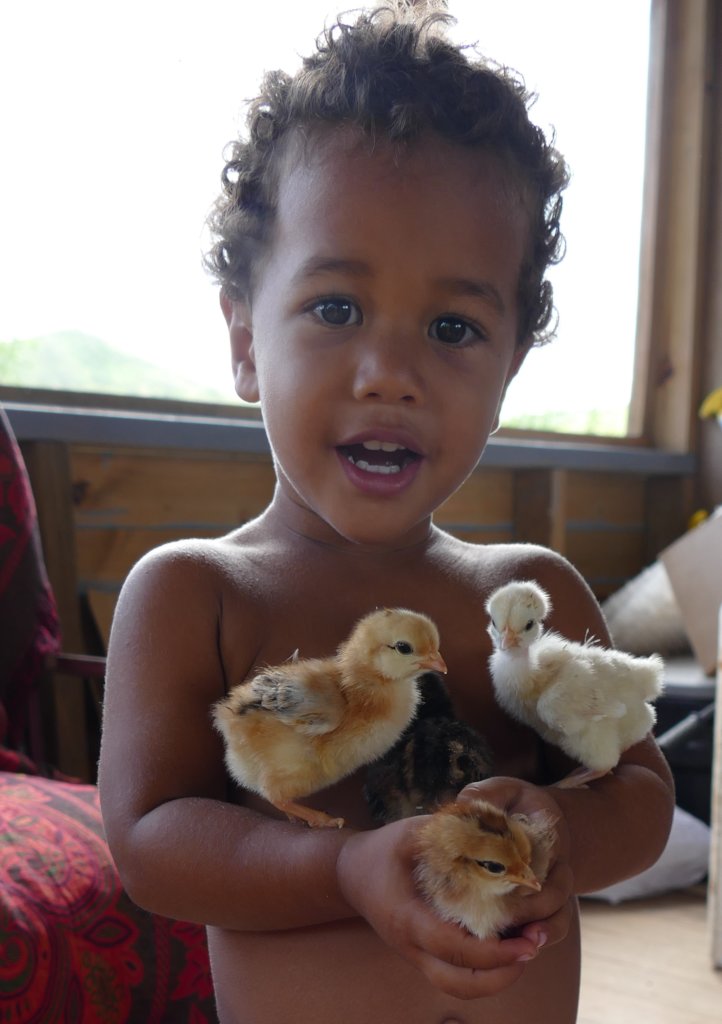
Corn is an excllent chicken feed, especially when fed together with coconut, which is abundant in most Fijian villages. Plus corn can be intercropped with cassava, a main staple root crop in the rural areas. Only one variety of open pollinated (true to seed) corn can be found in Fiji, and it is not drought tolerant. Thus last July, we ordered several hundred dollars worth of six varieties of multi-colored open pollinated heritage corn seed from the USA to test which varieties would be suitable for the dry season of Fiji. Although we did have the proper import permit, we didn't have a "phytosanitary certificate" from USDA (that had not been mentioned before) – and all the corn seed was SEIZED AND DESTROYED.
Not giving up, we re-ordered the corn and paid for a proper USDA inspections and the seeds were hand-carried in from Hawaii. The fields were plowed and ready, and as it was the hot and wet season, only half of the seeds were planted. Half of the seeds were saved for planting in late April or early May, when the cyclone season has passed and the six month dry season begins.
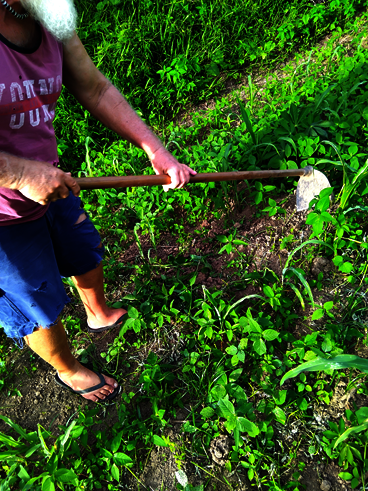
The digger had to clear giant elephant grass and wild guava trees which had taken over two acres of the land. We thinned out the coconut trees growing in east-west lines between the fields, which had been planted 15 years back and now were too close together for good production.
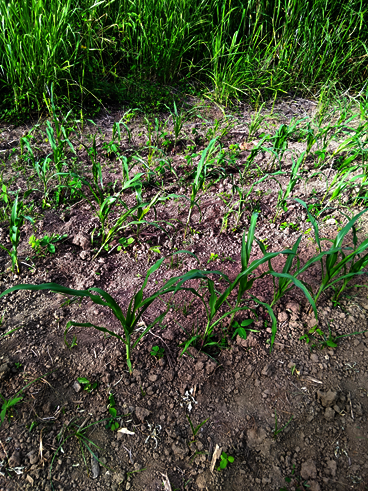
We only had enough seeds to plant a quarter acre or so, and in January we did a test planting between the varieties, hoping that no cyclone would flatten the crop. No cyclone hit us until after the harvest in March, and the result is that two varieties did magnificently. the red and the green varieties, while the others performed poorly. But importantly, we now have more than doubled the seeds that we can plant in the dry season.
The entire field is being re-plowed and made ready to plant with the new corn varieties. We will space the plantings and stagger the plantings 3 weeks apart to prevent cross breeding to retain the pure varieties, and we will also intentionally cross the corn in some plots.
With the present fuel crisis, we are quite concerned that shipping costs will soon increase greatly, and the ships may not even come if they can not refuel with diesel at the port. So Fiji could be facing a food crisis in a worst-case scenario. We plan to make a short video on how to intercrop corn with cassava. Also planned is packaging the seeds from the upcoming crop and making them available to farmers in the market at a low cost. Here in Fiji it is expected that at the very least, the cost of feed will skyrocket!

Project reports on GlobalGiving are posted directly to globalgiving.org by Project Leaders as they are completed, generally every 3-4 months. To protect the integrity of these documents, GlobalGiving does not alter them; therefore you may find some language or formatting issues.
If you donate to this project or have donated to this project, you can receive an email when this project posts a report. You can also subscribe for reports without donating.



Support this important cause by creating a personalized fundraising page.
Start a Fundraiser