By Yolanda Paredes-Gaitan | Executive Director
Dear Supporters – Many of you may or may not be aware of the tense and dangerous situation facing Nicaragua over the past months, which has escalated into the worst civil crisis in the country since the 1980s. Below is an overview of the situation written by Clinica Verde’s Executive Director, Yolanda Paredes-Gaitan. We ask that you continue to pray for the Clinica Verde team and beautiful Nicaragua as this devastating situation continues.
Dear Clinica Verde Friends,
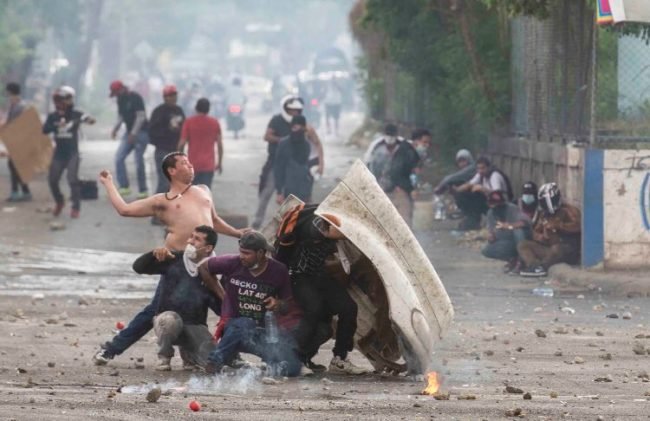
This week, Nicaragua completed 50 days of civil unrest and violence following the government’s response to peaceful protests and demands for change.
The situation began on April 19, when university students protested social security reforms that would increase taxes and decrease benefits. This was the trigger, but the government’s violent repression of these protests unleashed a response from citizenry that has been building over the past decade as President Ortega and the Administration has concentrated power and instituted constitutional changes that threaten democracy and freedom (Amnesty International Report). It is the worst crisis faced by the country since the civil wars of the 1980s. Efforts by the Catholic Church and civil society to create dialogue with the government have failed.
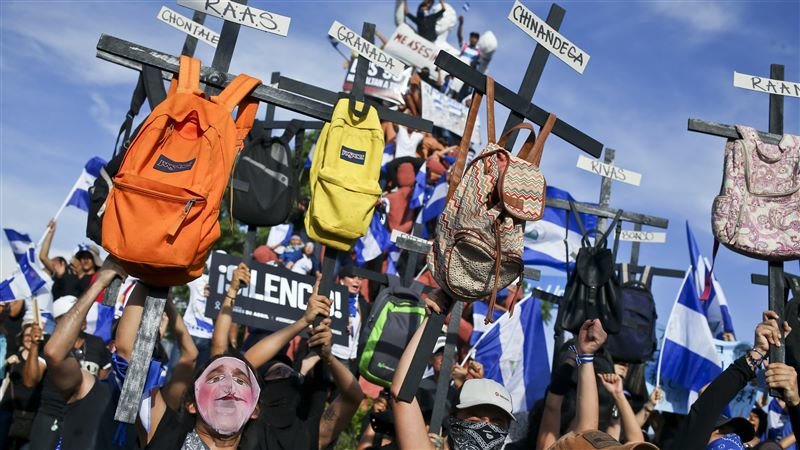
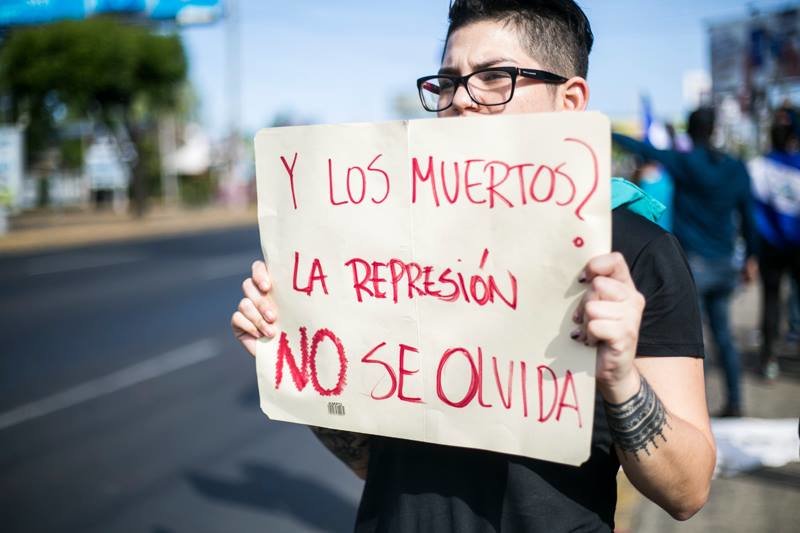
According to the InterAmerican Commission on Human Rights (IACHR), a total of 127 people have been killed, over 1,000 have been wounded, and hundreds have disappeared. These acts of repression continue in the country at the time of writing this report. Any act of social protest or challenge makes citizens a target.
The government acknowledges the deaths of only 10 people. Said the country’s Vice President, Rosario Murillo: “Imagine how low they can stoop ... inventing deaths! That's like making up illnesses, inventing suffering. … They are like vampires, demanding blood to feed their political agendas, to feed themselves, because vampires feed on blood and believe that with it they can advance their political agendas. False news, false people, false beings, false consciences, false propositions.”
In Nicaragua, most of the media (TV channels and radio stations) belong to the government. Those channels are being used to increase negative messages against the student protesters and other actors. Mainly, the government-controlled media plays music and ignores the massacre and the situation taking place in the country.
On April 19, all news channels ceased broadcasting by an order of the Telecommunications Institute. A radio station in León, Radio Darío, was set on fire on April 20. Its owner indicated that government supporters were responsible for the fire.
It has been reported that in some of the protests the police had a direct order to shoot to kill. The report of Amnesty International indicates that between April 19 and May 12 people were arbitrarily deprived of life during the protests through the excessive use of force. This behavior continues. Further, Amnesty International reports that, based on the pattern identified, a considerable number of the causalities could be considered extrajudicial executions, noting that the type of weapons used, and the place and trajectory of the bullets suggests the presence of professional snipers.
Said Nicaraguan journalist Ileana Lacayo: "Most of the deaths that occurred in the country ... are the same. These are carefully aimed shots. A single shot fired with precision at the head or jugular or chest. They are shots that aim to kill, and they are fired by professionals. Not ordinary people; ordinary people don't have weapons. … These were murders. And the pattern was the same all over the country."
Reports indicate that the government has created a pro-government paramilitary who are empowered to shoot at any threat or challenge to government rule. In addition, these groups are destroying and stealing private property with the tacit approval of police, who do not enforce civil law and order.
The state of the health care system is in tatters, and public hospitals are turning away injured protesters. Reports support the claim that the Ministry of Health issued an order to its institutions to not treat people coming from the protests. Several testimonies were given to international human rights actors about the denial of medical attention. One of the most high-profile cases of this behavior was the story of Álvaro Conrado, a 15-year-old youth who, according to the testimony of family and medical staff, was refused treatment at Cruz Azul Hospital. Alvaro died on April 20. Alvaro was shot in the neck for bringing water to student protesters. On April 25, the police tried to prevent Alvaro’s family from filing a complaint for the murder of their son at the CENIDH (Nicaraguan Center for Human Rights) and hours later his uncle's mobile food stall was destroyed. Álvaro’s parents believe these actions were a threat in retaliation for their persistent complaints, which were publicized in the media. Said Edwin Roman, a priest from Masaya, Nicaragua: “We are treating injured people here in the church because we can't take them to the public hospitals anymore.”
Some protesters have been arrested and taken to jail. Hundreds have been unlawfully detained, released days later with bruises and tales of cruelty behind bars.
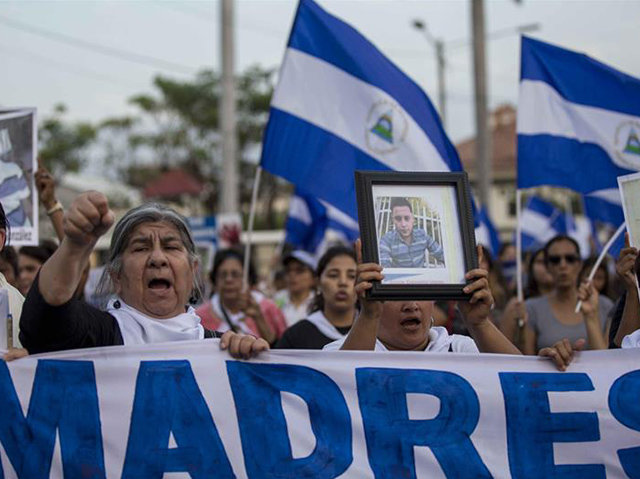
The ugliest day so far was May 30, Mother’s Day in Nicaragua, when AK-47–toting police indiscriminately opened fire on a peaceful march to honor the dead. It was reported that almost 500,000 people participated in the march, including seniors, children and relatives of the victims plus citizens demanding justice and the cessation of the violence. As police sprayed the crowd with bullets, government sharpshooters positioned on the roof of the national baseball stadium fired with sniper rifles. Before the sun rose, 16 more Nicaraguans were dead, and another 88 were injured.
The government denies all responsibility for the violence and for the existence of the para-police. President Ortega has blamed the bloodshed on foreign agitators, gangs, organized crime, and drug cartels. The Inter-American Commission on Human Rights has called on the Nicaraguan government “to immediately end the repression” and “urgently adopt adequate measures to end the violence,” including the dismantling of all para-police groups.
Nighttime is hell. In some cities, frightened citizens lie in bed or on the floor in fear of stray bullets, listening to the fighting and chaos in the street and praying it won’t come through their front door. I am one of those.
Now, the economy is crumbling, with total losses estimated somewhere north of $600 million, according to the country’s council of business chambers (COSEP). Nicaragua’s economic tailspin is hurting small businesses the most. Looters have ransacked more than 200 small businesses across the country during the past seven weeks, punishing the struggling working class. Meanwhile, roadblocks have paralyzed commerce and transit throughout the country, restaurants are shuttering, and tourists have fled. The most recent calculations of the Nicaraguan Foundation for Economic and Social Development (FUNIDES) are discouraging: FUNIDES estimates that 150,000 jobs could be lost in a country where formal sector employees are estimated at 900,000. Tourism has been one of the hardest hit sectors, followed by commerce and construction.
On June 6, a representative group of bishops of the Catholic Church had a meeting with President Ortega and his wife, Vice President Rosario Murillo. The meeting’s results were very negative. The church gave the President 48 hours to analyze the civil society document suggesting the next steps, providing answers in writing. President Ortega continues to resist the request for change by civil society and church leaders.
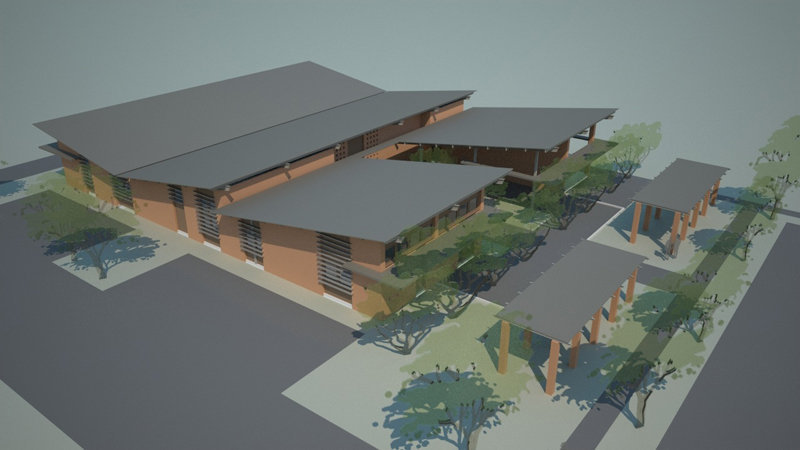
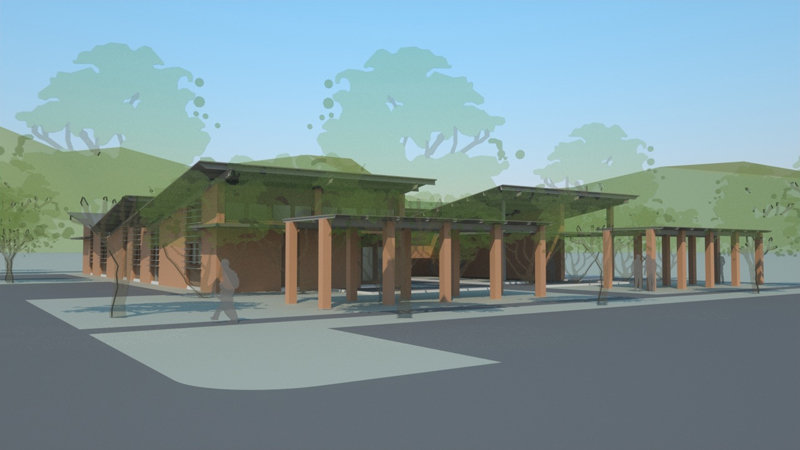
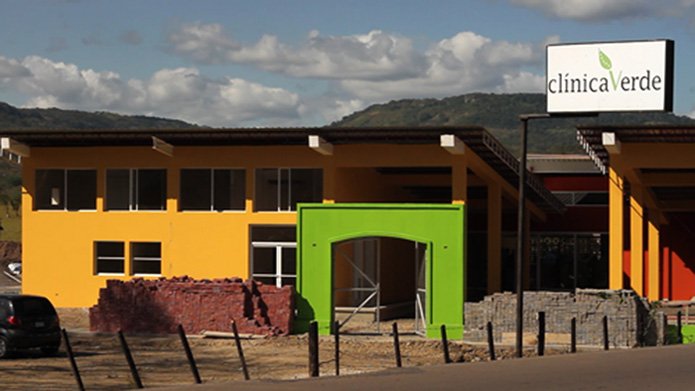
Clinica Verde
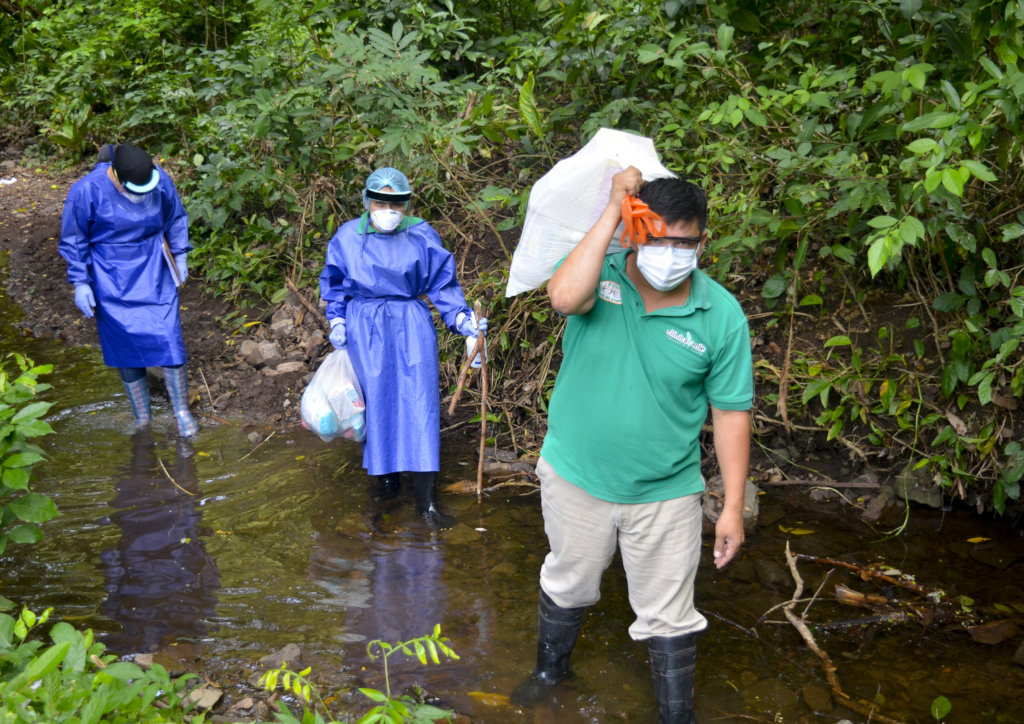
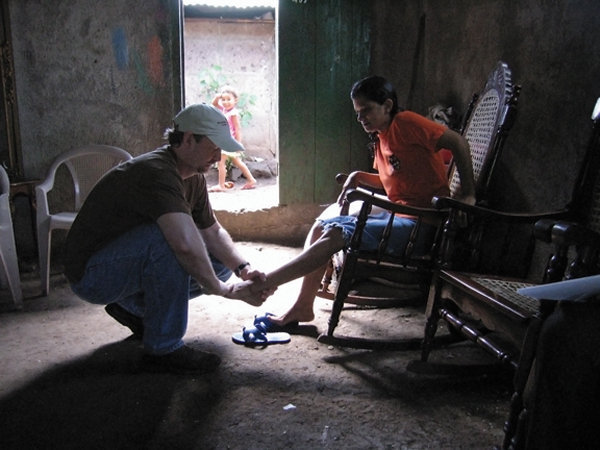
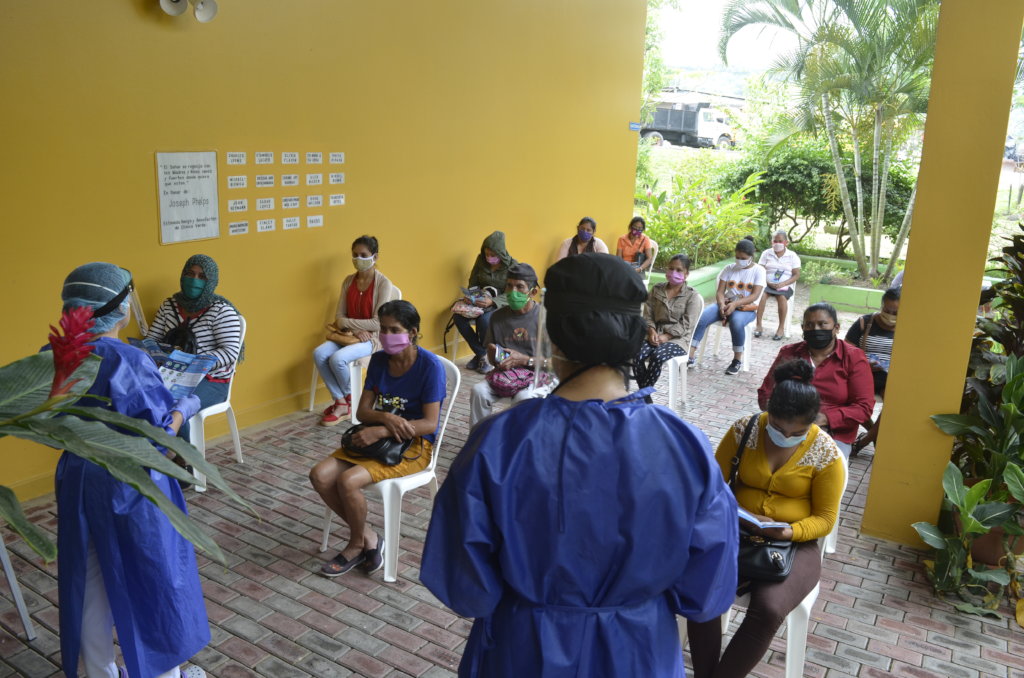
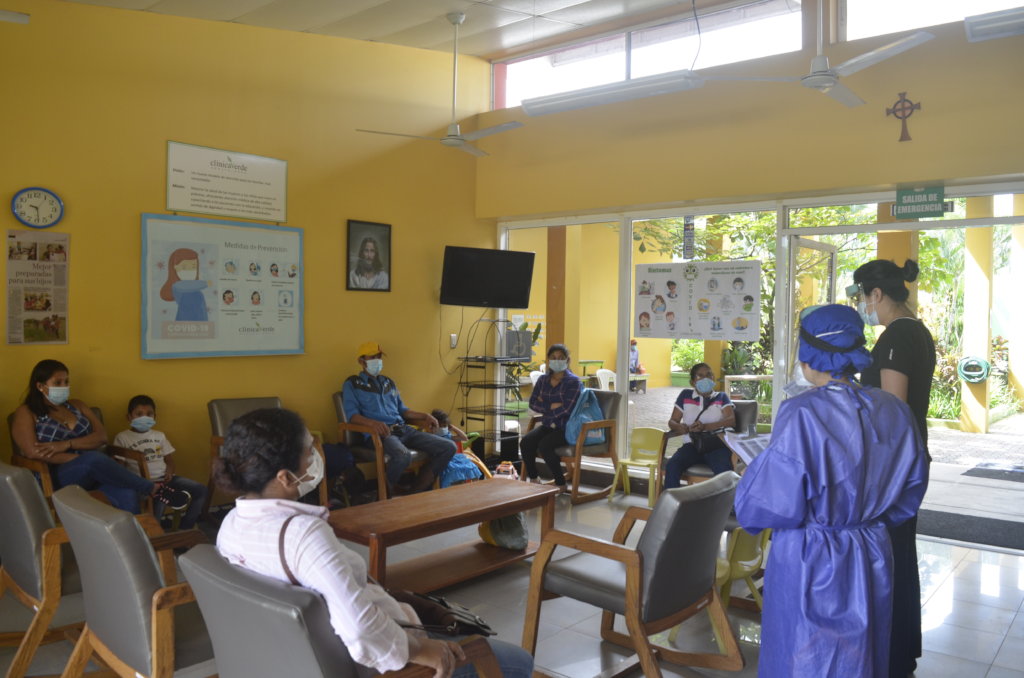
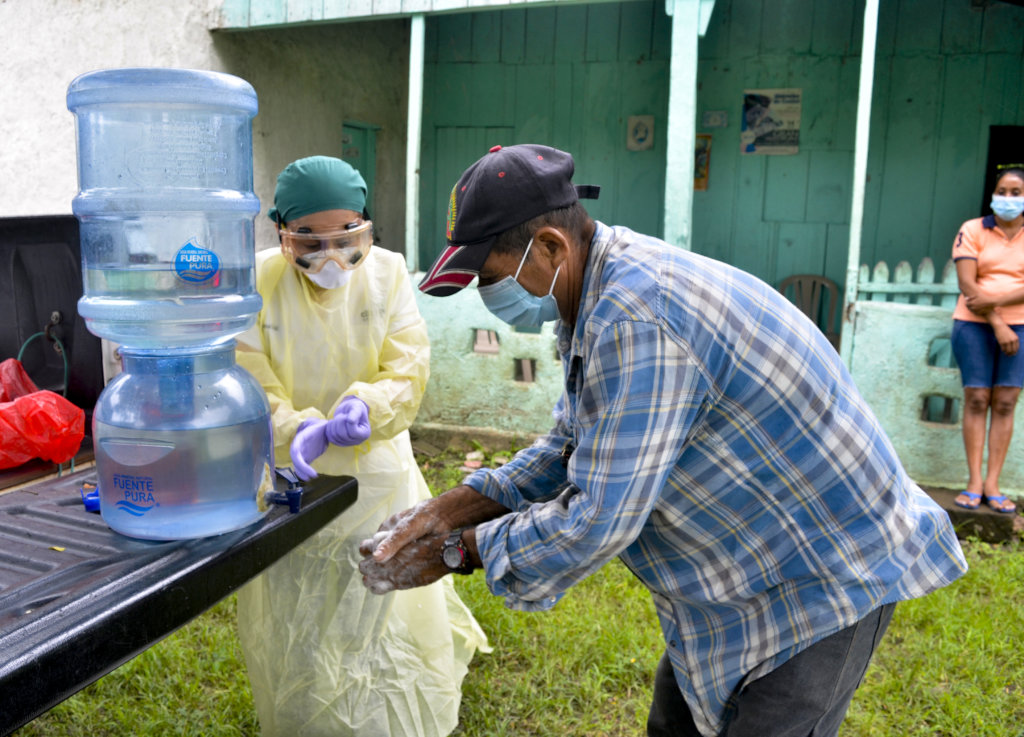
The Clinica Verde team continues to provide health services and support to our patients in the clinic. Our community outreach services – which have represented the largest volume of care and activity in the past few years – have been canceled due to the insecurity in the region.
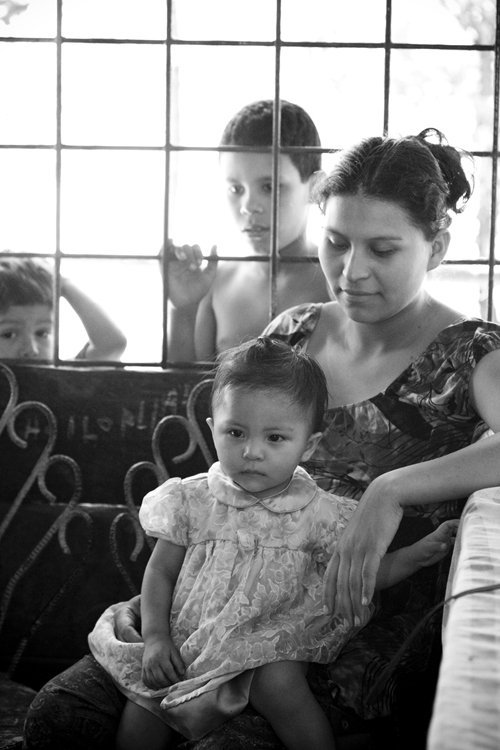
Our Prenatal Nutrition program still provides the space for education and support of our pregnant woman, although assistance has decreased due to difficulties of access due to closed roads and a climate of fear. We continue to provide whatever outreach and education possible for our patients.
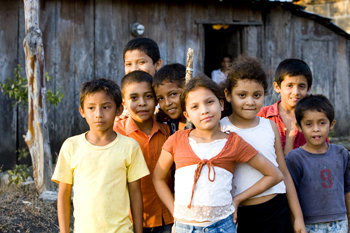
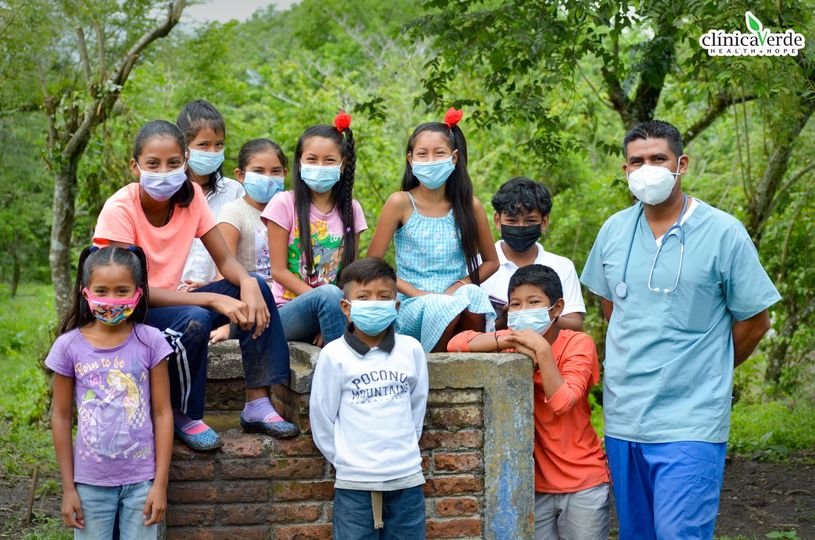
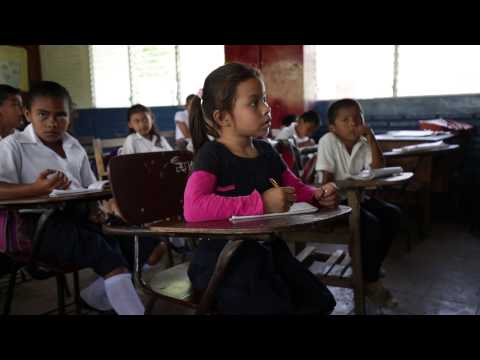
Our teen program is on standby. Parents are afraid for their children to travel to the clinic or engage in public activities. As stated above, youth are targets for the para-police groups and for terror groups that are mobilizing at any time of the day, randomly shooting.
The Clinica Verde team also decided to volunteer in case of an armed conflict. We recognize that we cannot provide emergency services, but at least we can provide first aid and support to the wounded until they can be referred.
Our team has organized a plan with equipment and supplies waiting for the worst scenario. On May 25 Boaco, where Clinica Verde is located, had an armed confrontation in an area called “El Quebracho.” The government organized a women’s march of workers from the different health centers in Boaco, considered a strategy to provoke the group that was blocking that area. During this situation several people were wounded, including a couple belonging to the Youth Sandinistas, who play a role as a confrontation group. The armed men (pro-government members) mistakenly shot the members of this group, as well as citizen protesters.
At Clinica Verde we received two wounded patients that were treated, with minor injuries. Following that, members of our staff started receiving frightening calls threatening Clinica Verde if they continued to treat the wounded. As the Director, I received a call from the local hospital asking for the identification of the patients (information that by law we are obligated to provide).
After the May 25 event, the Clinica Verde team realized that we are very vulnerable due to our rural location. In addition, serving the wounded could be interpreted like an emergency service that our current license does not allow. We made a team decision to stop providing emergency service but to set up a system to help during armed confrontation. The team decided to activate our Code Red in case a confrontation leads to the collapse of the local hospital. The intention is that we share with local authorities our readiness to serve without discrimination in case of need.
The situation is very tense. Our main concern is our patients and our ability to continue providing services to those in need without being accused of being part of the political opposition.
In this time of crisis, uncertainty and fear, we are even more strongly committed to the mission of Clinica Verde. Not only for the poverty that looms in our communities, but also for the injustices created in this crisis, where the public health institutions have express orders to serve only those who represent a specific political party.
Clinica Verde also has a commitment to our extraordinary team. Their dedication and willingness to help is something that has always characterized our team, and now more than ever we remain committed to this service despite the risks and the emotional stress that persist in our country.
Our Clinica Verde team believes in a new Nicaragua with social justice. They believe this nightmare will end soon. They believe that there is a God who can see all, that He is in charge, and that, God willing, the crisis will soon end.
We are very grateful for your continued support and prayers. Thank you for supporting Clinica Verde, our team, our families, and our country.
Abrazo fuerte,
Yolanda Paredes-Gaitan
Executive Director
Clinica Verde
Project reports on GlobalGiving are posted directly to globalgiving.org by Project Leaders as they are completed, generally every 3-4 months. To protect the integrity of these documents, GlobalGiving does not alter them; therefore you may find some language or formatting issues.
If you donate to this project or have donated to this project, you can receive an email when this project posts a report. You can also subscribe for reports without donating.