By Yolanda Paredes-Gaitan | Clinic Director
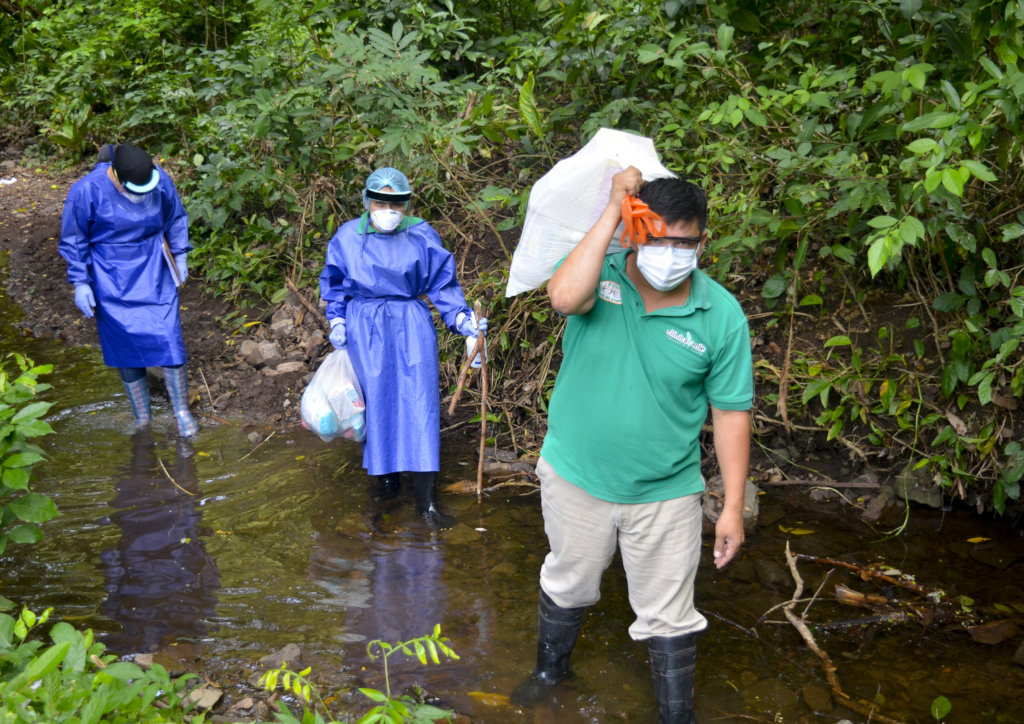
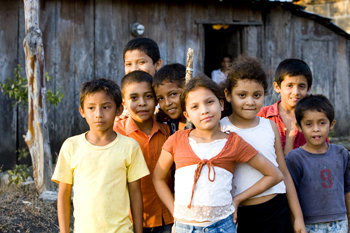
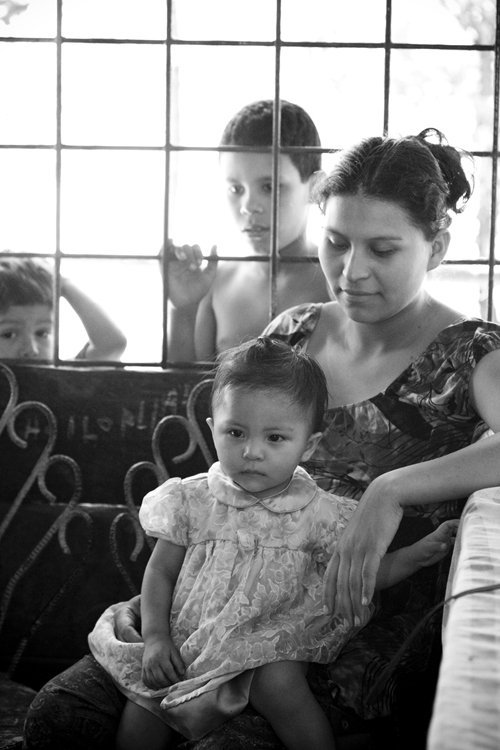
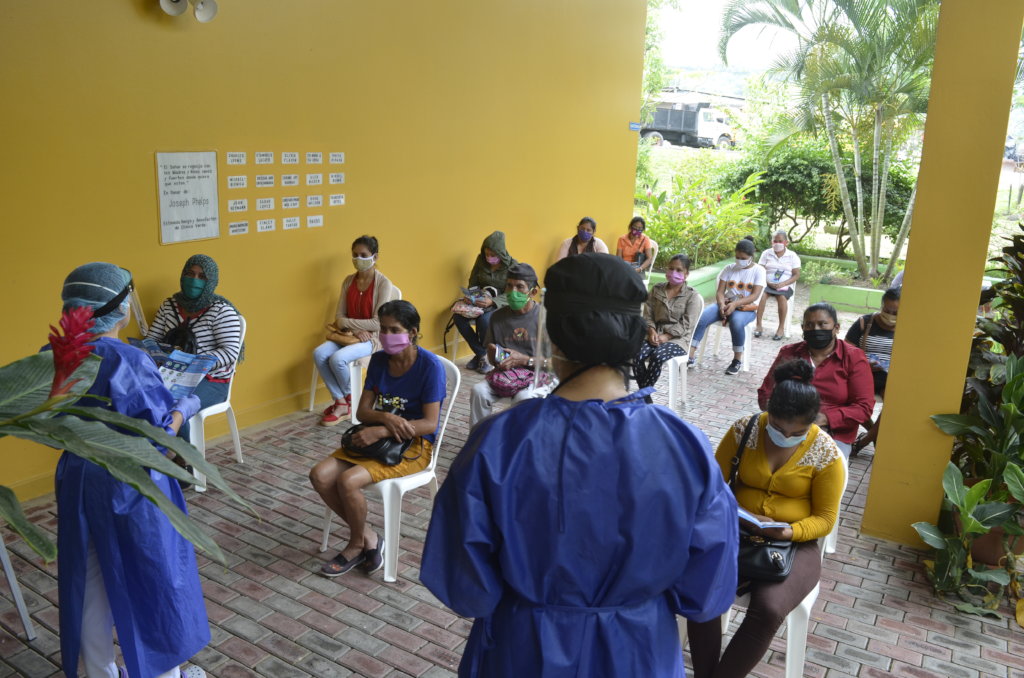
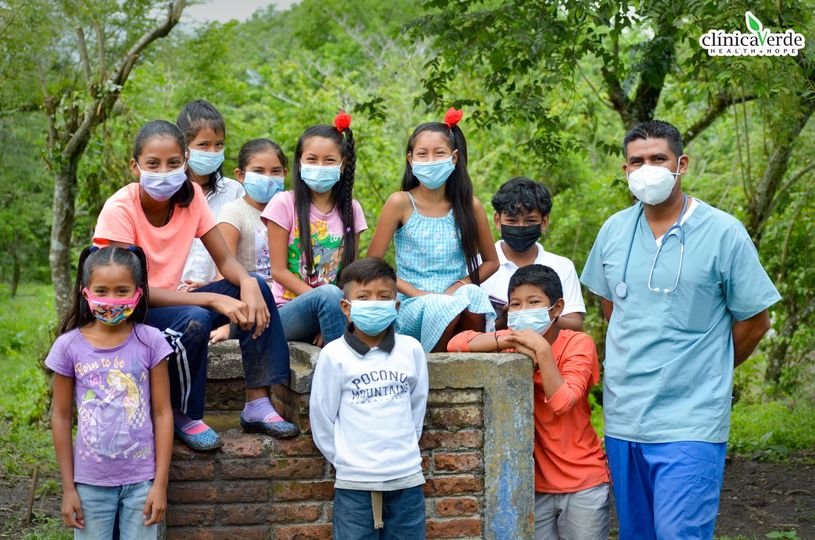
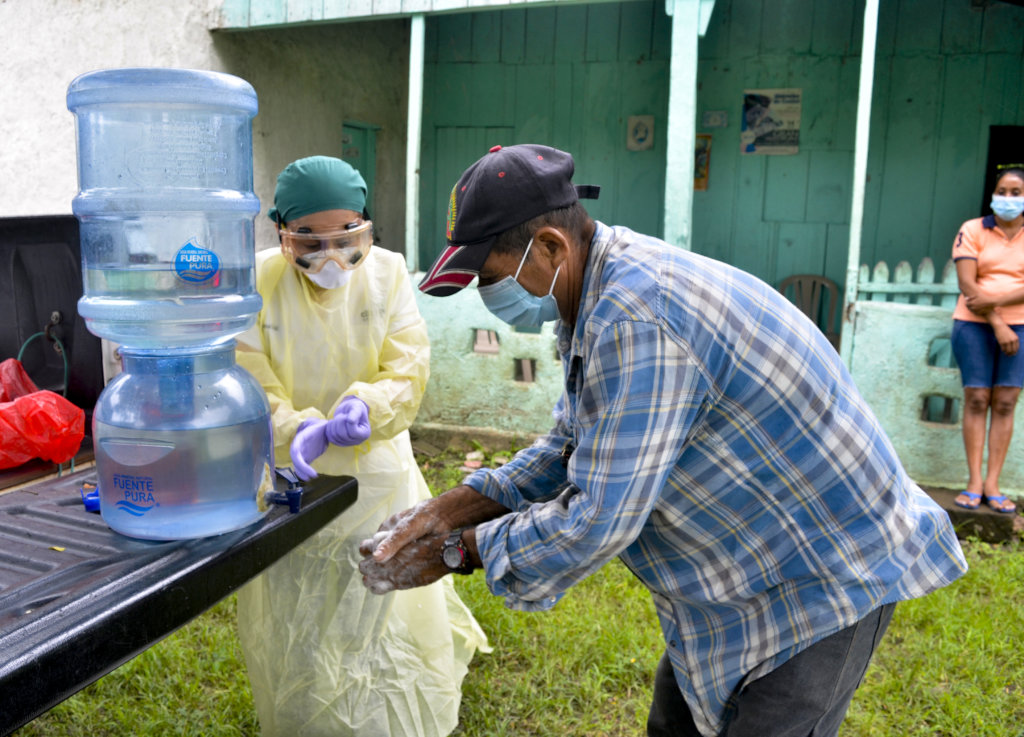
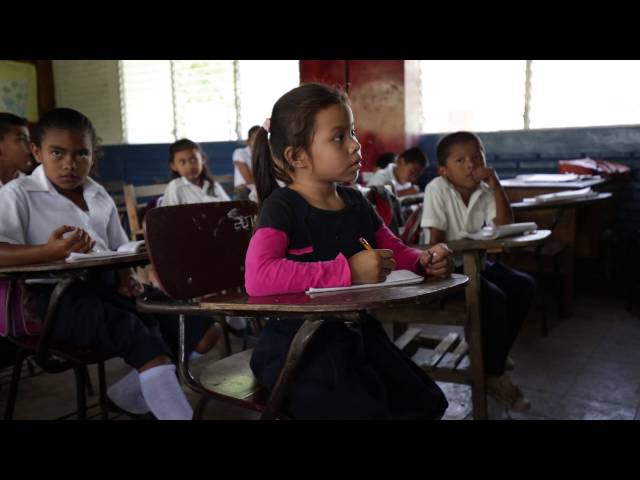
This month, the Clinica Verde team visited the community of Las Cañitas, where optometry, general medicine and nursing care was provided to both adults and youth belonging to our Teen Program for sexual reproductive health. Las Cañitas is far away and very difficult to access – reachable only with 4-wheel drive vehicles and expert drivers of rough terrain.
Our community visits take place weekly and are directed toward rural communities where health services are non-existent or very rare. Even when health service is present, it is severely limited with nowhere near the range of services Clinica Verde provides during our community consultations.
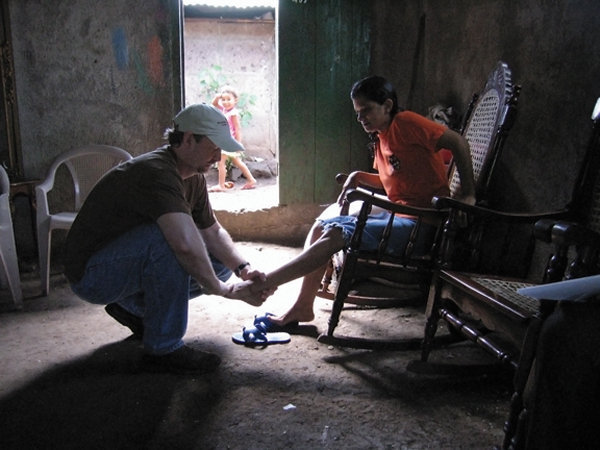
When our team was in Las Cañitas this month, a woman arrived asking if it was possible to go to the home of some women who, because of their poor health, could not make it to the site of our community consultations. Without hesitation the CV team agreed to go to the home. This, despite the fatigue following more than 8 hours of work under temperatures between 93 to 100 degrees F, and under the threat of leaving the community at nightfall, which today is a risk in Nicaragua. The team did not doubt or question the decision to assist these women in need.
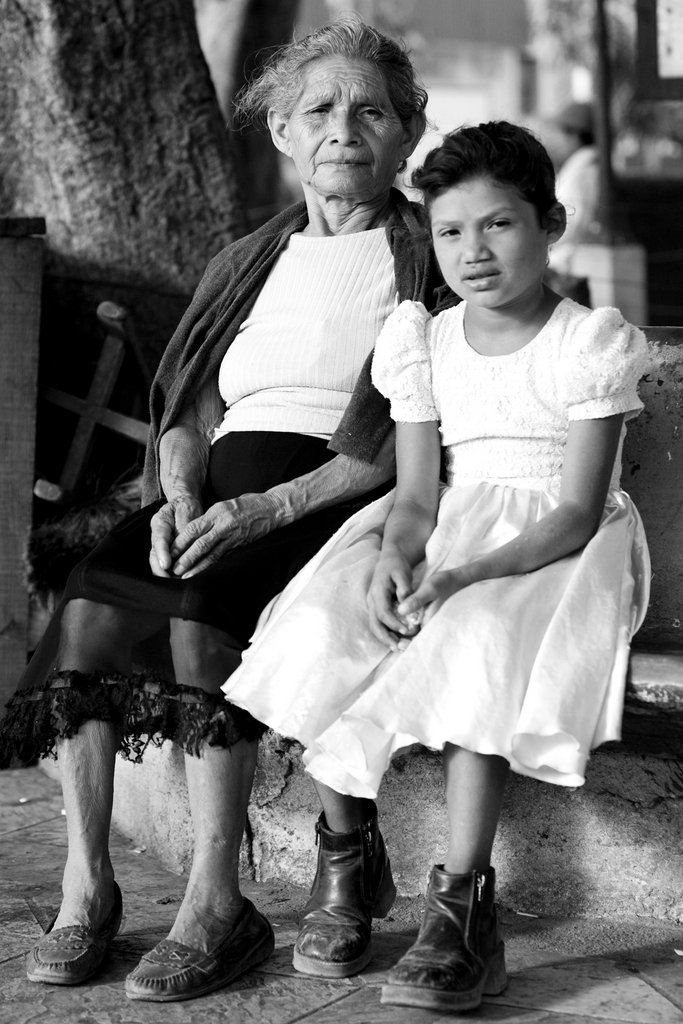
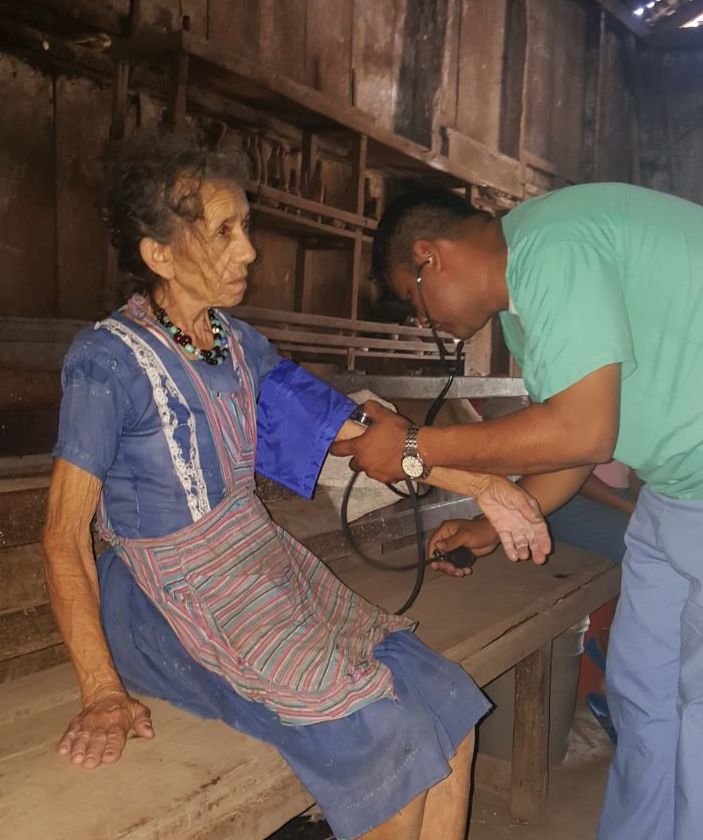
That decision quickly proved to be an important one, as the team arrived to see the living conditions of these women. In a very humble home lived three elderly sisters with no access to medical care.
The Clinica Verde team provided general check-up of these sisters, including vital signs, weight, and eye examinations. It was determined that one of the women had very high blood pressure which, in such an isolated community, could have resulted in a stroke, disability, or even death if left untreated. She was given anti-hypertensive medicine, vitamins and minerals because her nutritional status was deplorable, as was another of her sisters who was diagnosed with severe anemia. The third sister was diagnosed with scoliosis of the spine and prescribed analgesics and vitamins to address her undernourishment and malnourishment.
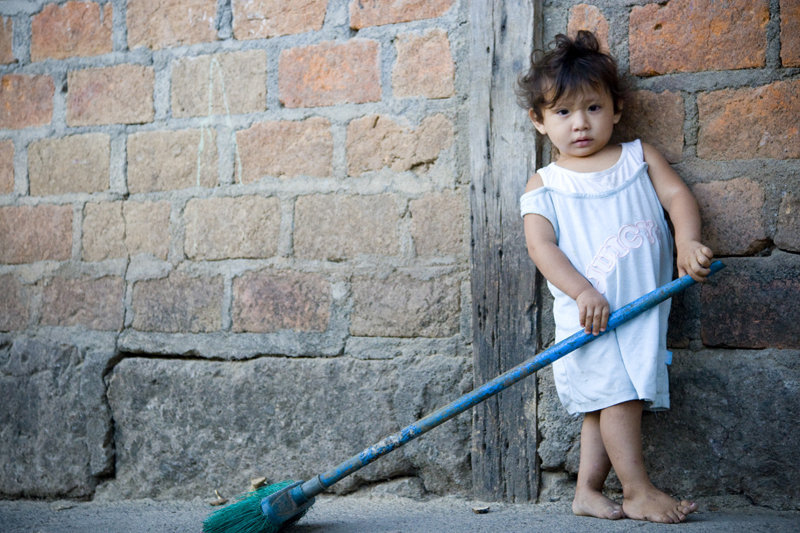
The case was a stark reminder of the conditions of poverty aggravated by the current civil crisis in the country. Older adults live in total neglect by the public health system. Together with young, rural children they are among the most vulnerable.
We are grateful to have been able to provide medical care to these beautiful women. Thanks to you for helping to make this work possible.
Project reports on GlobalGiving are posted directly to globalgiving.org by Project Leaders as they are completed, generally every 3-4 months. To protect the integrity of these documents, GlobalGiving does not alter them; therefore you may find some language or formatting issues.
If you donate to this project or have donated to this project, you can receive an email when this project posts a report. You can also subscribe for reports without donating.