By Noah Ssempijja | Program Director
“I will never regret the days I spent under the hot sun at the demonstration center learning about regenerative agriculture. Those lessons truly changed my life. Today, my children eat well, and I am earning a steady income from my small garden. I can see the difference in my soil, my harvest, and in my home.” Francoise, 35.
Francoise (Fran), has live in Nakivale since 2017, with her family of 7 members. She lost her husband in the war in Congo, before she fled to Uganda. She stays in Juru, one of the zones our project targeted.
In October 2024, Fran and several other community members were mobilized by a community volunteer to form a group and join the Re-Farm project. At the time, Fran depended on a small garden that produced very little. No matter how hard she worked, the harvest was never enough to feed her family. Most days, her household survived on just one simple meal, often eaten plain and taken with water because there was nothing else to accompany it.
Her weekly income was small and unpredictable, leaving her constantly worried about how to meet her family’s basic needs. Saving for emergencies felt impossible, and each day was a struggle to make ends meet.
“The food I would get would only last three days – and I could only get cassava or sweet potatoes. I used to earn 15,000 weekly from washing clothes” Fran recalled.
Fran struggled to attend all the initial training sessions, as she often had to leave home to work in exchange for food to support her family. Despite missing several sessions, she remained determined to learn. Whenever she was unable to attend, she sought out fellow participants to walk her through what had been covered, ensuring she did not fall behind.
“At first, I wasn’t sure she would adopt the practices we were teaching because she missed several sessions,”recalls the YICE trainer. “But whenever she was present, she was fully engaged and one of the most active participants in the group.”
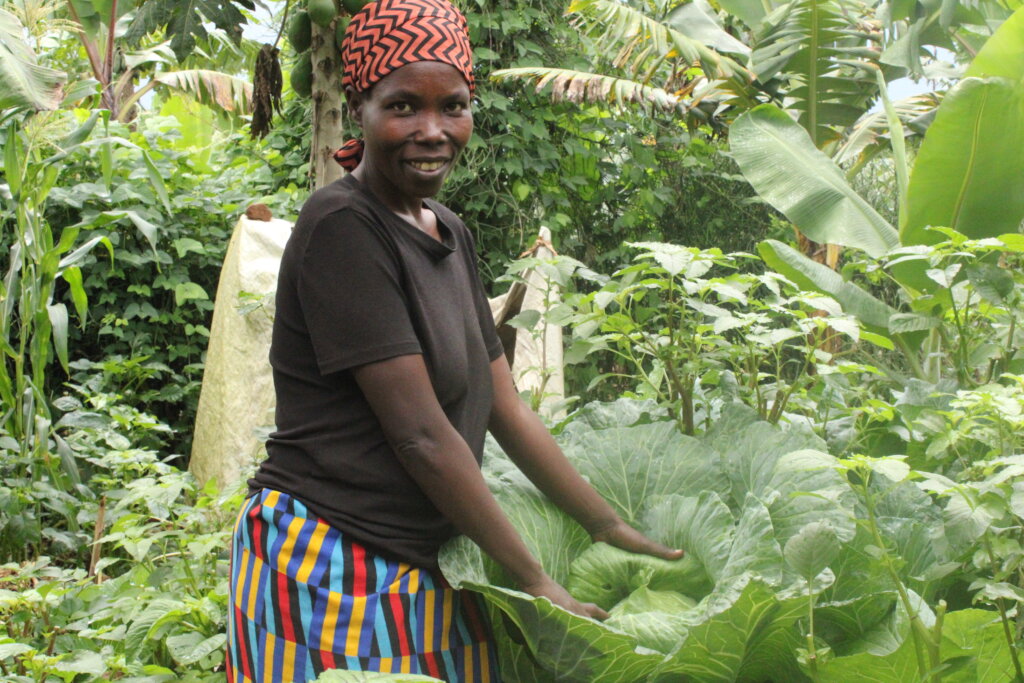
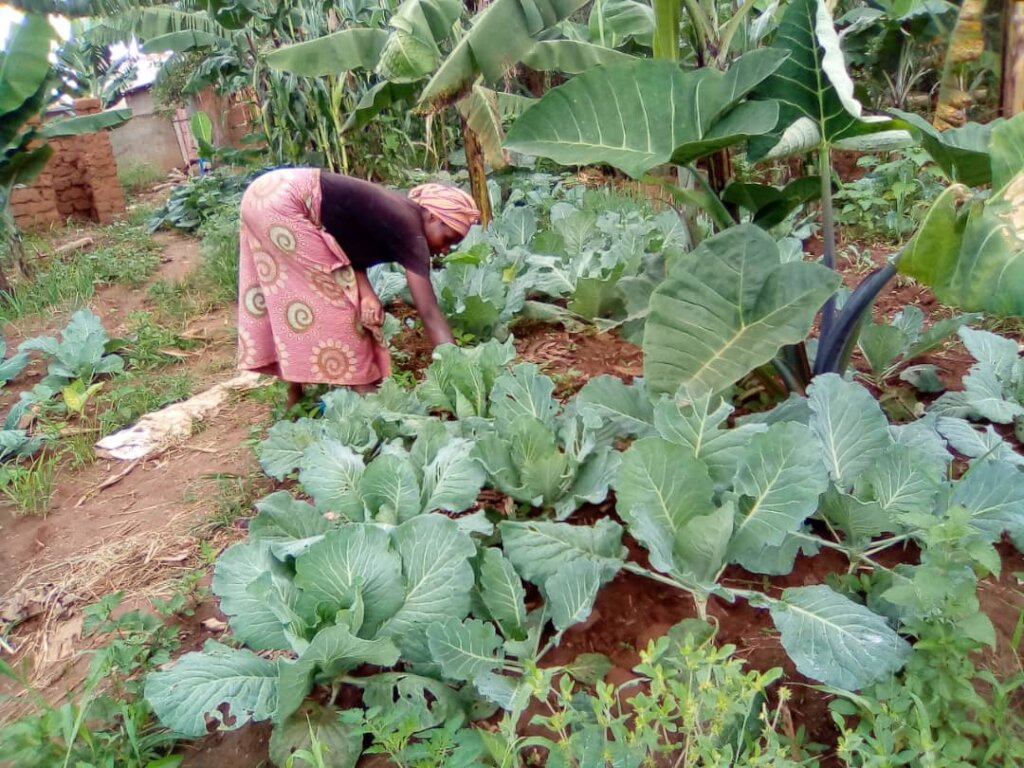
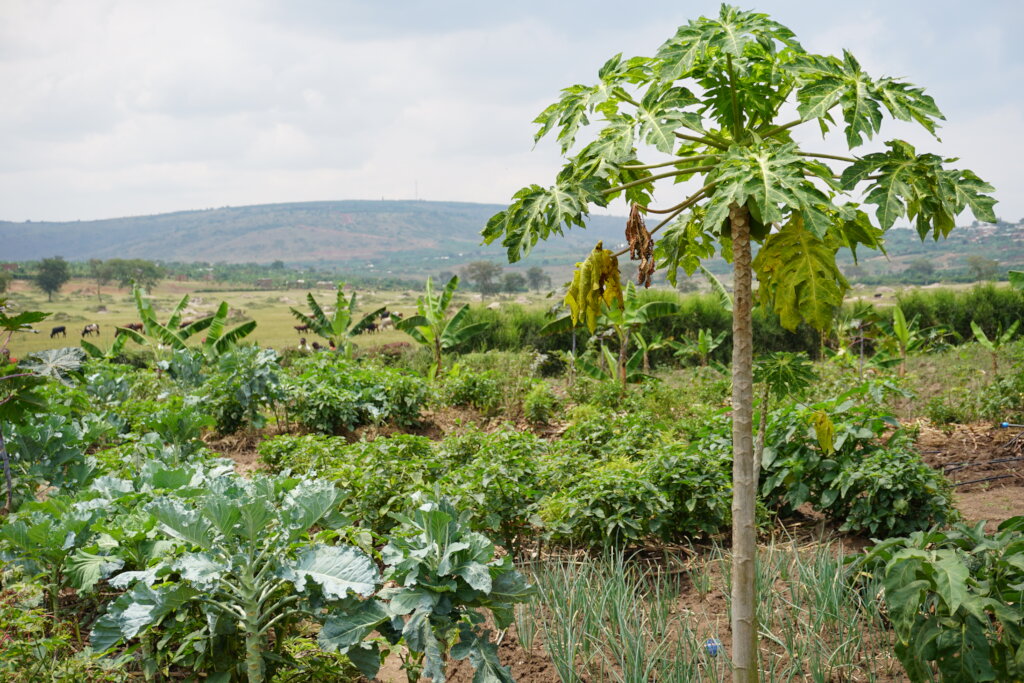
Fran never gave up. She applied the knowledge and skills gained from the training to establish her own regenerative garden. She began with the small plot of land allocated to her by the Office of the Prime Minister (OPM), carefully putting into practice the techniques she had learned.
“I realized I could make an income out of the skills I had learnt,
but the land I had was not enough. My host friends were willing to help” Fran
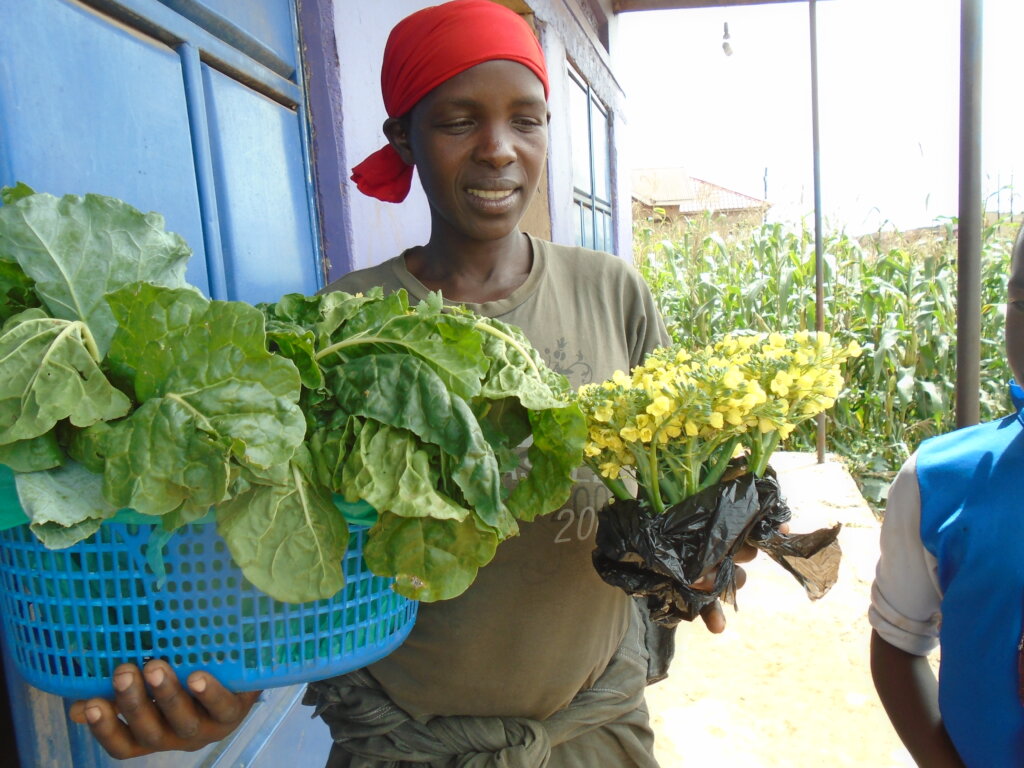
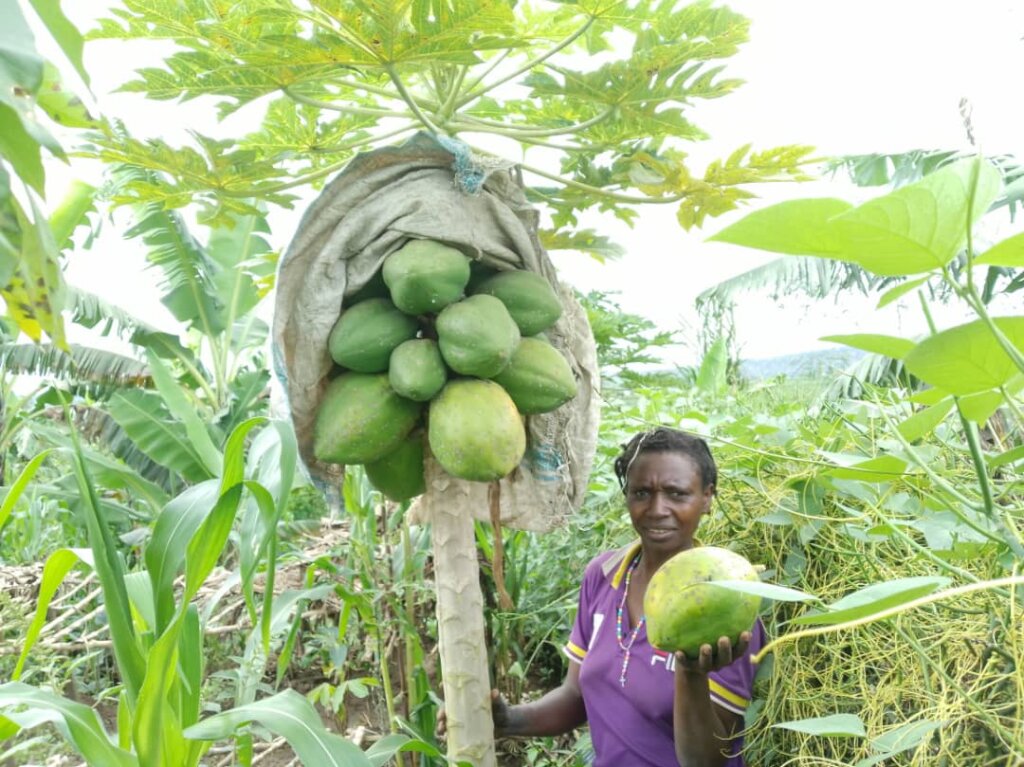
As her confidence and results grew, she approached a host community friend who generously allowed her to use a larger piece of land. Today, Fran has expanded her regenerative farming garden significantly. She now produces enough food to feed her household and sells the surplus to generate income.
Solutions
How Fran has benefited
When asked about her plans for the future, Fran speaks with clarity and determination. She hopes to continue expanding her garden and growing her farming business to further improve her family’s livelihood. One of her biggest dreams is to build a permanent house roofed with iron sheets and to ensure her children complete their education. Having rebuilt her life where she is, she does not see herself returning home, as she has little hope that the conflict will end soon.
“I now have a business,” Fran says proudly. “I see my regenerative garden as my main source of income. That is why I spend most of my time here. I want to take good care of it so I can harvest more food and continue earning from it.”
When asked about market access, Fran smiles.
“When people learned that we do not use chemicals on our vegetables, they started coming to buy from us. Whenever we harvest and bring the produce for sale, it gets finished within 30 minutes to an hour. There is high demand because people know our food is grown without chemicals.”
Her garden is no longer just a source of food — it is a source of dignity, stability, and hope for the future.
Fran’s journey reflects the transformation experienced by more than 1,000 beneficiaries reached through the Re-Farm project. Her story is not an isolated success, but a powerful example of how regenerative agriculture is restoring livelihoods, strengthening food security, and rebuilding hope across the community.
Project reports on GlobalGiving are posted directly to globalgiving.org by Project Leaders as they are completed, generally every 3-4 months. To protect the integrity of these documents, GlobalGiving does not alter them; therefore you may find some language or formatting issues.
If you donate to this project or have donated to this project, you can receive an email when this project posts a report. You can also subscribe for reports without donating.



Support this important cause by creating a personalized fundraising page.
Start a Fundraiser