By Nick Marx | Wildlife Programs Director
Below is a special update about our released animals at Angkor from our Wildlife Programs Director, Nick Marx!
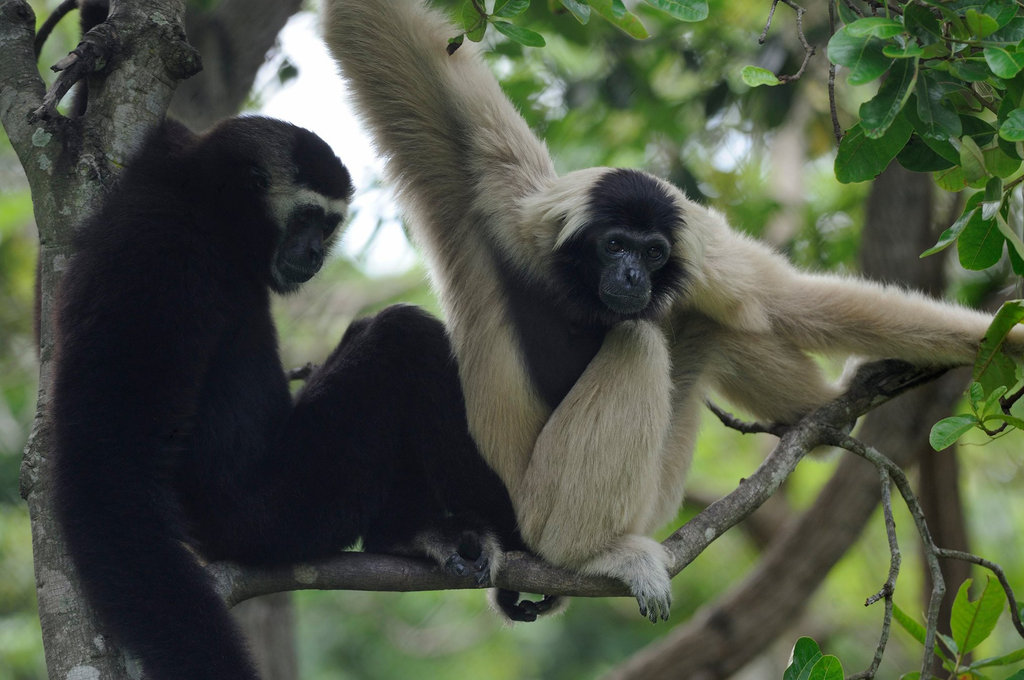
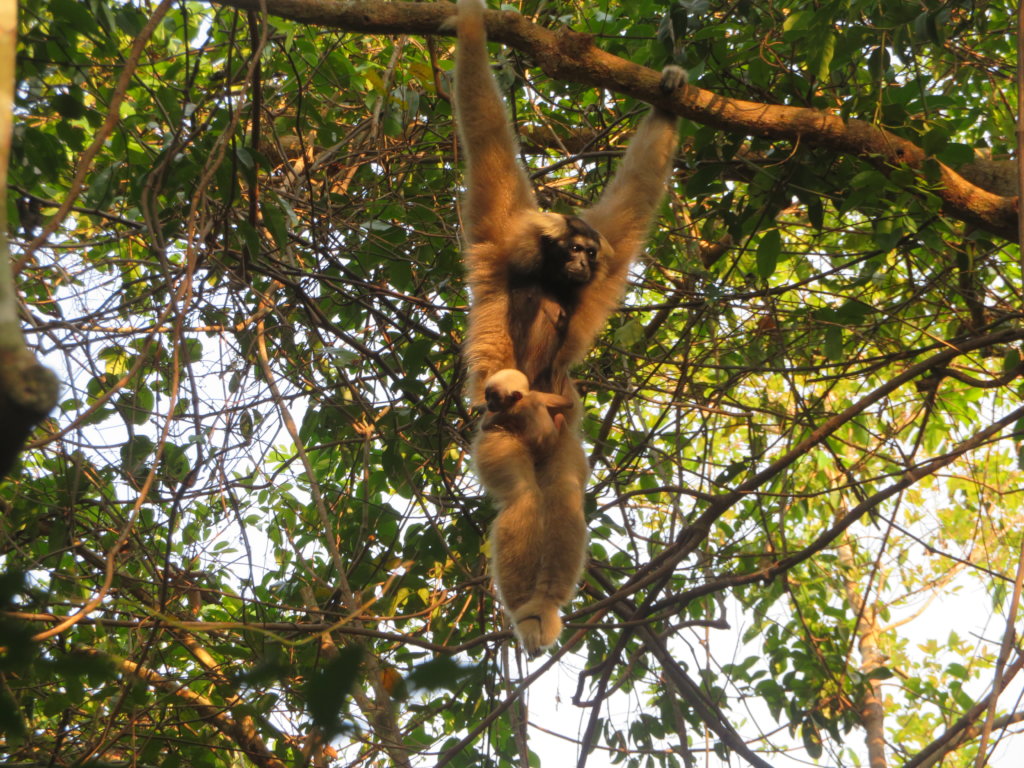
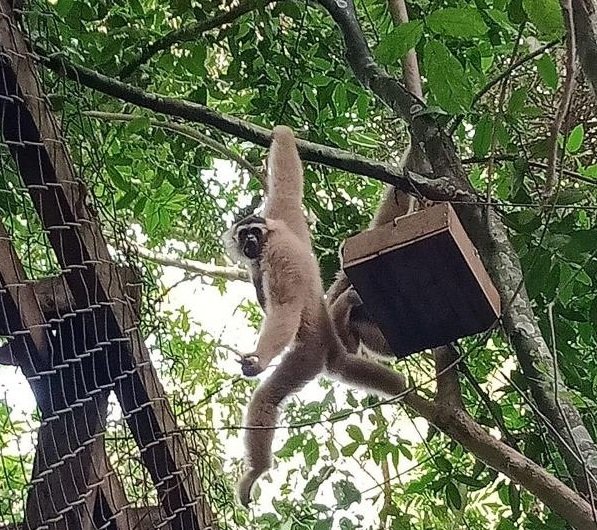
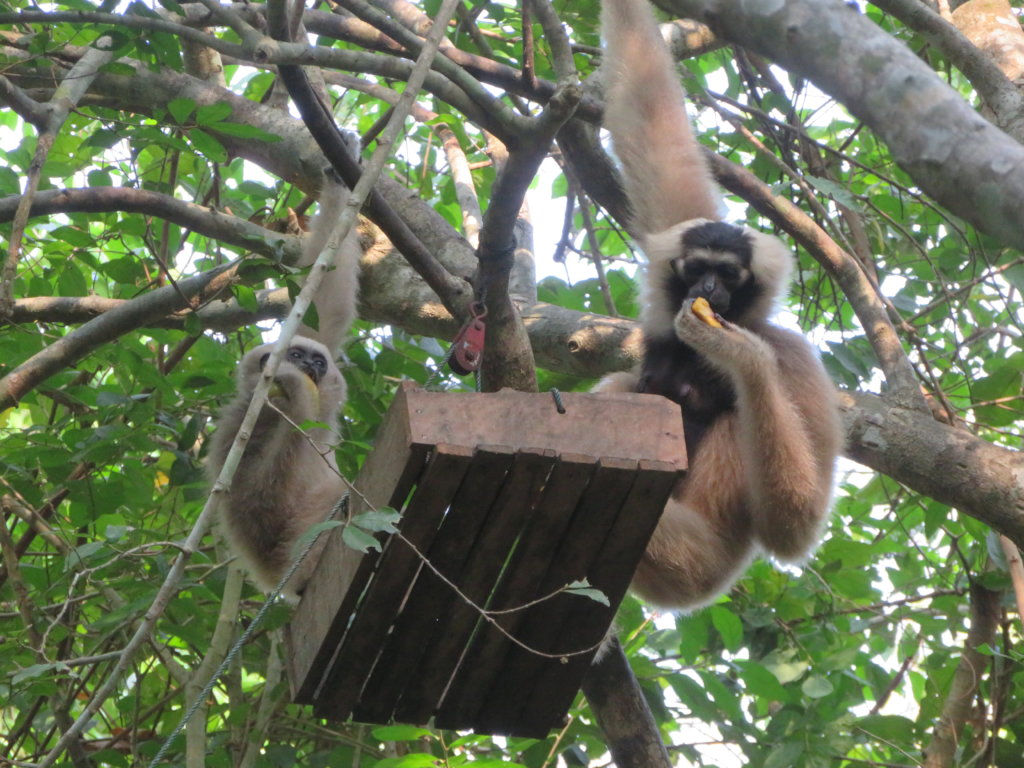
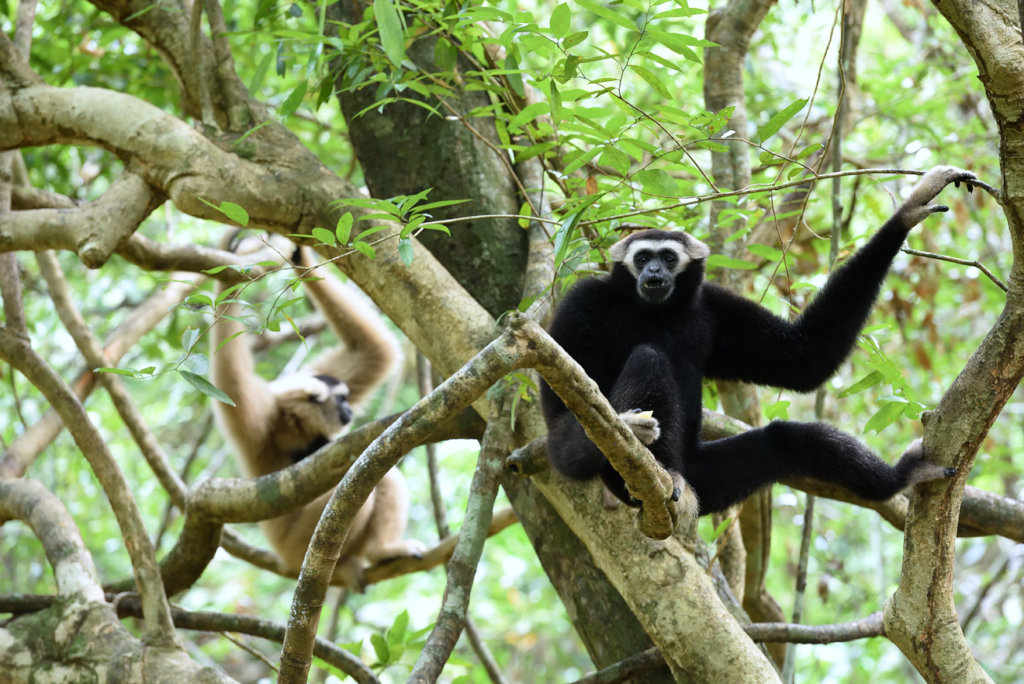
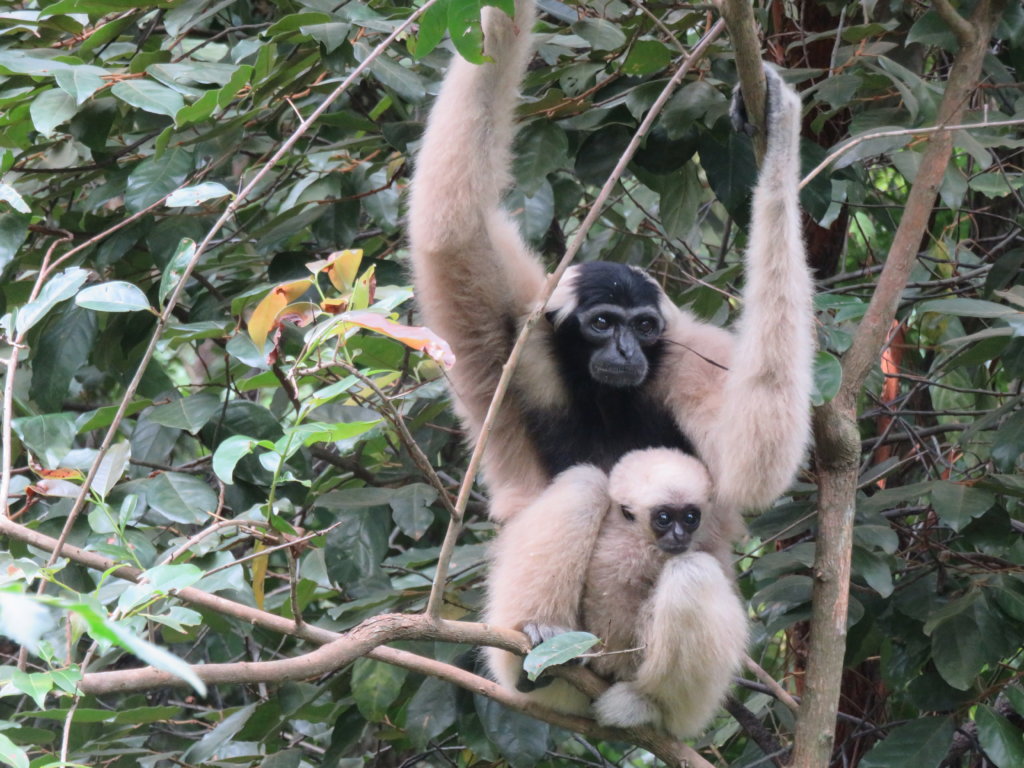
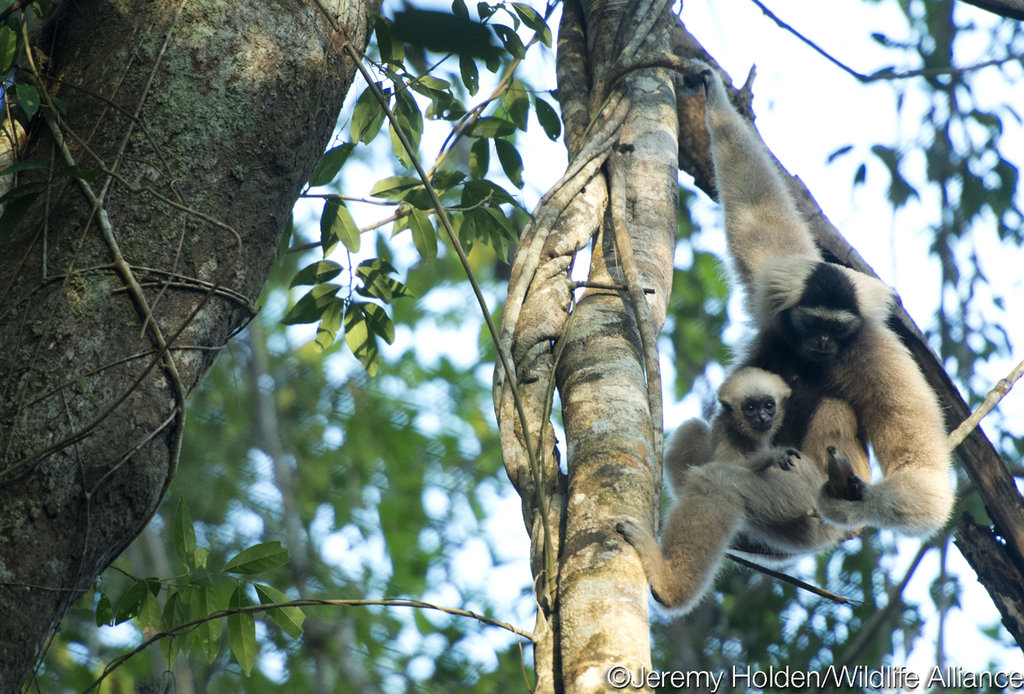
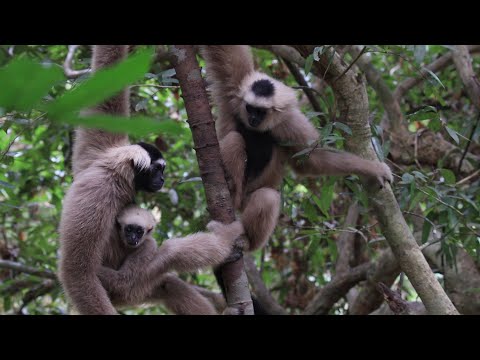
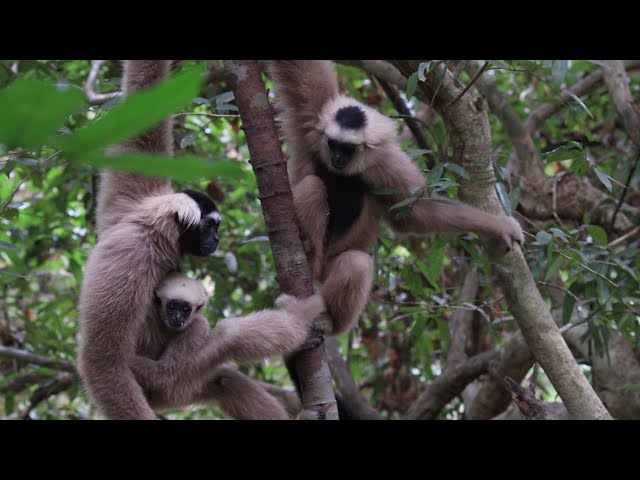
The pileated gibbons and silvered langurs we released in Angkor are well. Baray and Saranick, the first pair, sometimes visit the nearby Tanei Temple. This used to be a problem as taxi drivers took the opportunity to impress their customers, tempting the gibbons down by offering bananas. We have placed signs in the area asking people not to feed the gibbons and reimplemented the supplementary feeding deeper into the forest to prevent this extra curricula activity taking place. The plan worked and the gibbons no longer take food from visitors. Their baby, Ping-peeung or Spider, is extremely active and growing fast. The youngster is disinterested in people, which is exactly what we want. We hope that as new generations are born in the forest these will become more distant and have less inclination to go towards people.
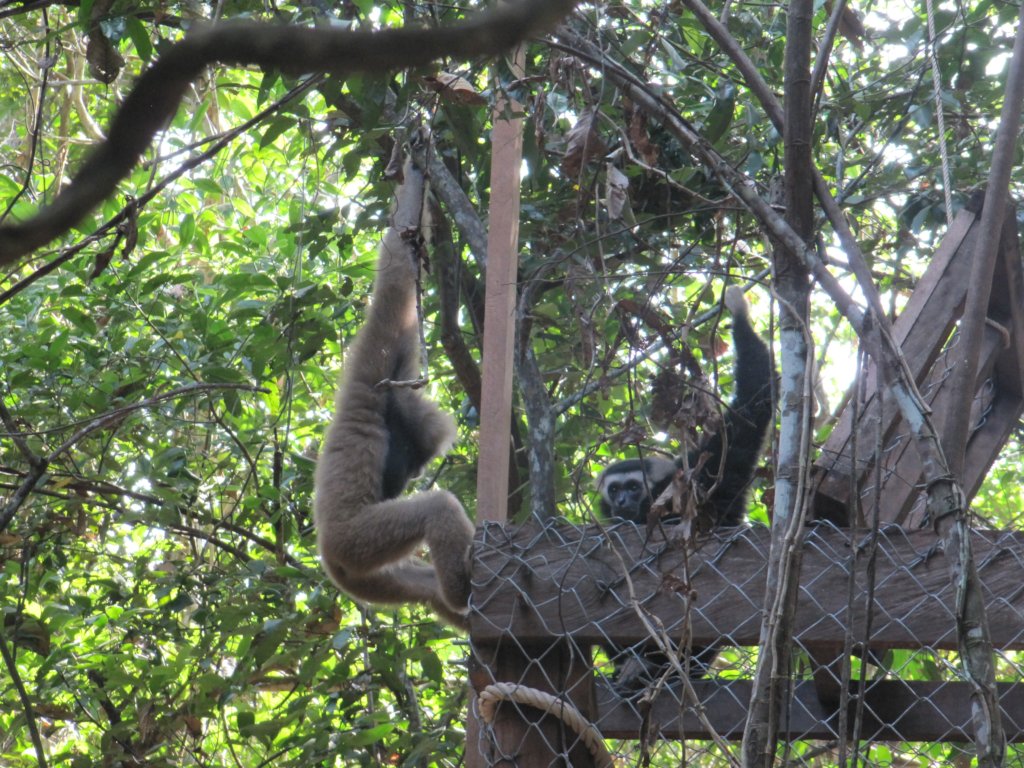
Bayon and Tevy, the second pair of gibbons to be released are also well and come to take our food twice each day at the release site. A-ping (ground spider) is now 6 months old and seems advanced for his age, leaving his mother to climb about in the trees. He is already aware of our presence and looks down on us with interest when we visit to check on him.
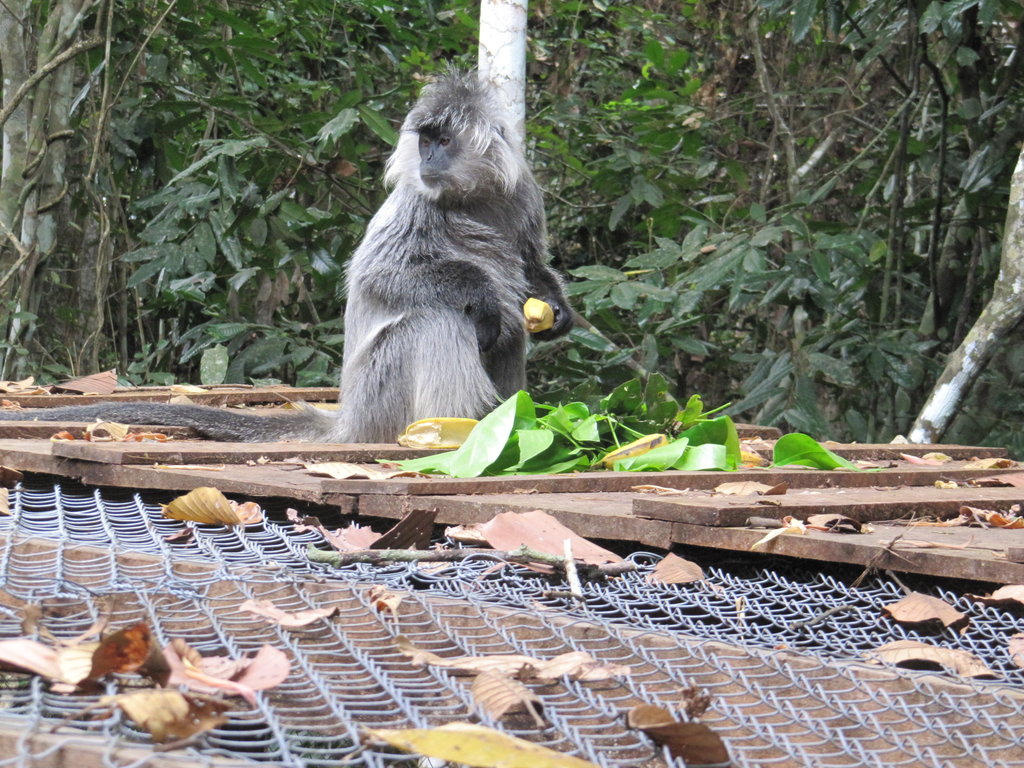
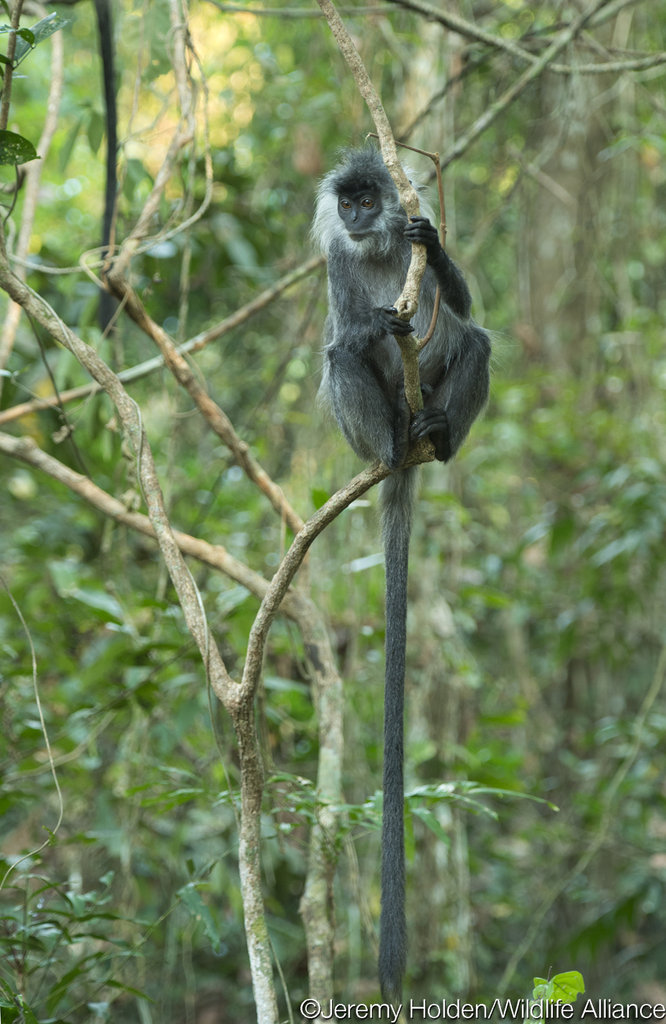
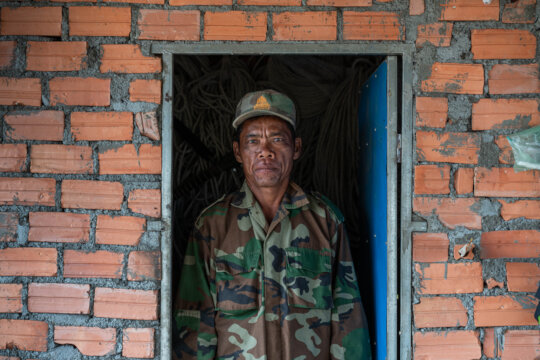
The langurs are more mobile and sometimes we do not see them for a few days at a time. This always worries Mr Rith, their keeper, who searches the forest for them, calling. Either through Rith’s efforts or by their own inclination they always return. Langurs eat mostly leaves and for this reason we are not worried that they will be unable to find their own food. However there are areas of Angkor that might be less safe for them and we prefer it if they remain in the safe vicinity of their release site.
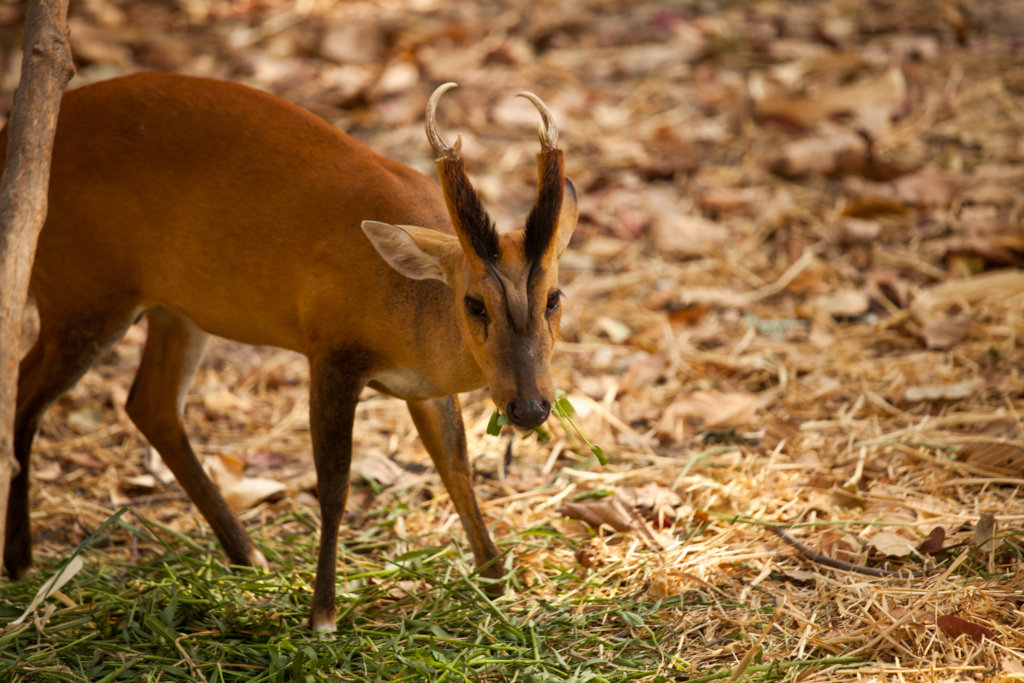
The muntjac pair we plan to release at some stage during the coming year are well. They are quite calm, which is a testament to the manner in which Mr Sarin cares for them. A natural hoofed stock keeper, he always calls them when he goes down to feed them and is able to check their health and ensure they are well when they arrive to feed.
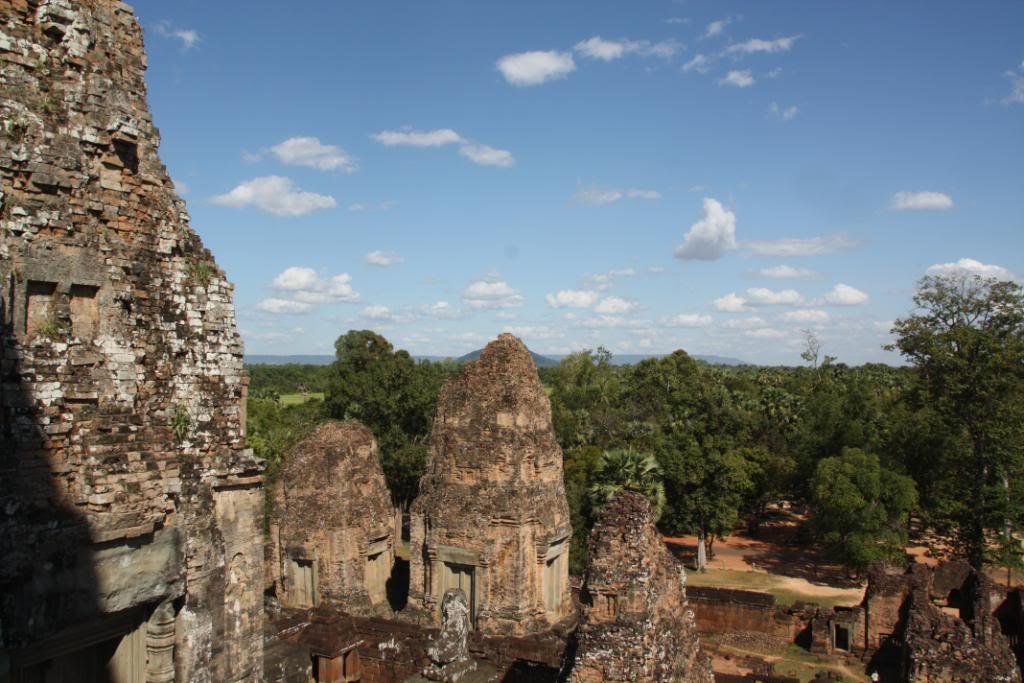
As you know, this project aims to re-wild the forest surrounding Cambodia's historic Angkor Temple Complex. This forest once flourished with diverse wildlife, until over-hunting in the late 20th century decimated these populations. This phenomenon is called "empty forest syndrome" and, unfortunately, it is all too common in Southeast Asia. We are working relentlessly to stop the wildlife snaring crisis, the main driver of empty forests. In order to prevent other forests from losing their wildlife, please donate to our new micro project "Stop the Wildlife Snaring Crisis in Asia's Forests."
Project reports on GlobalGiving are posted directly to globalgiving.org by Project Leaders as they are completed, generally every 3-4 months. To protect the integrity of these documents, GlobalGiving does not alter them; therefore you may find some language or formatting issues.
If you donate to this project or have donated to this project, you can receive an email when this project posts a report. You can also subscribe for reports without donating.