By olivier ciza | PROJECT LEADER
SAVE LIFE MAKE DIFFERENCE Bujumbura 11/02/2024
BUJUMBURA BURUNDI
savelifemakedifference@gmail.com
www.savelifemakedifferencecom
0025771452395
Subject : your impact has saved lives continue to help us
Introduction
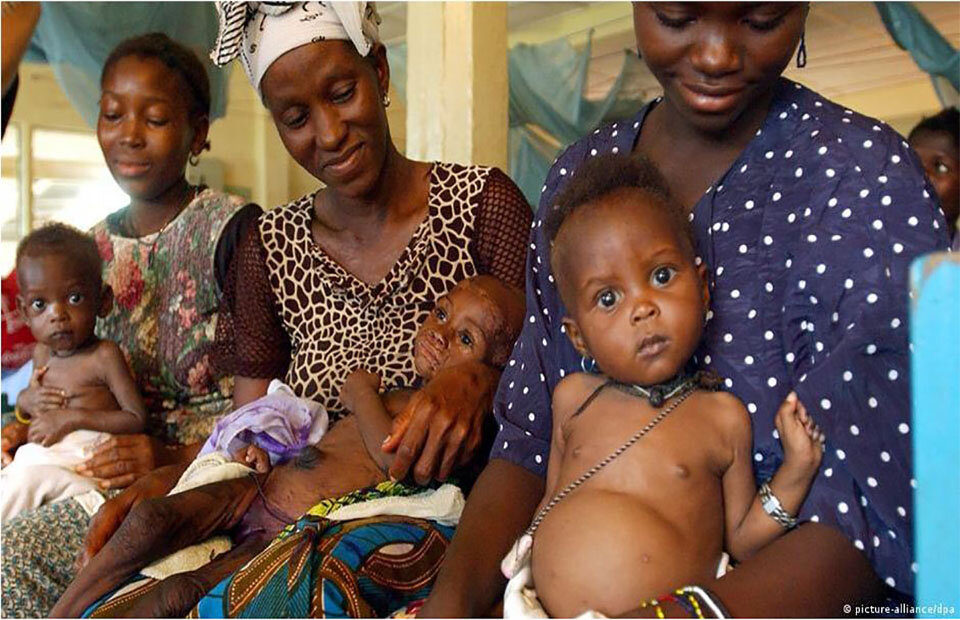
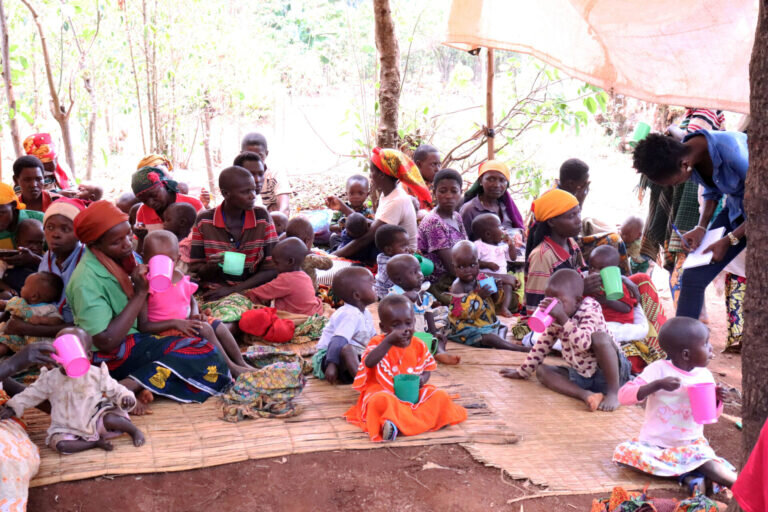
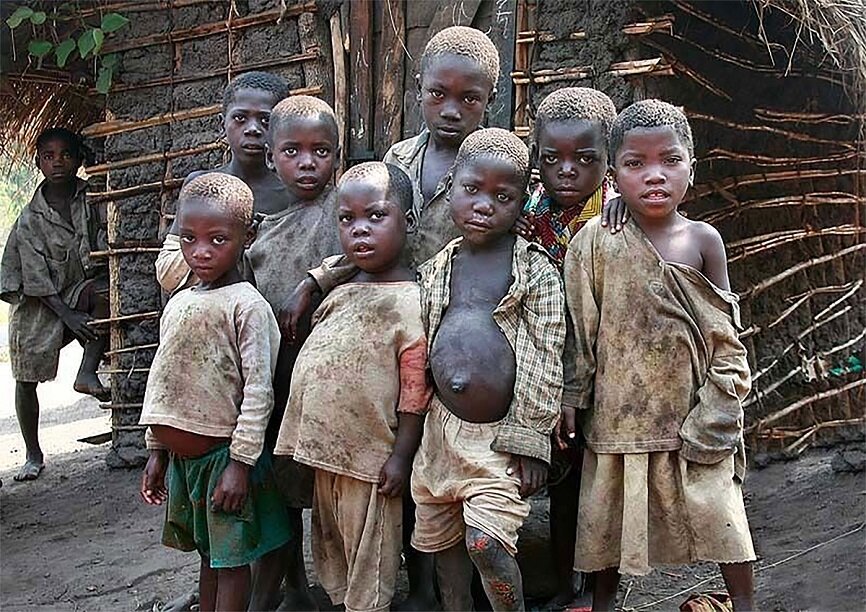
During the beginning of the project save life make difference received a sum of $2,456 raised from $850,000 goal, we made decents to help a small part of the population in difficulty but we are in difficulty due to the lack of money
since the month of March save life make difference has stopped helping the population who need it because we lack donors, but during this period of end of month we had the hope that we will have other means to continue our project.
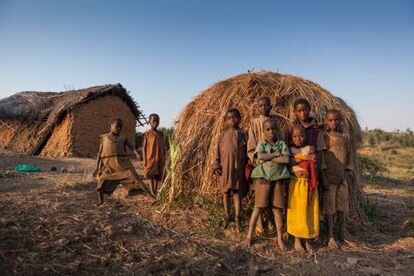
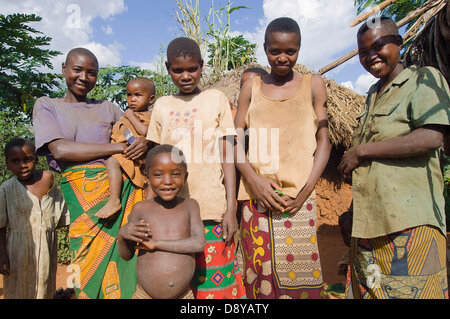
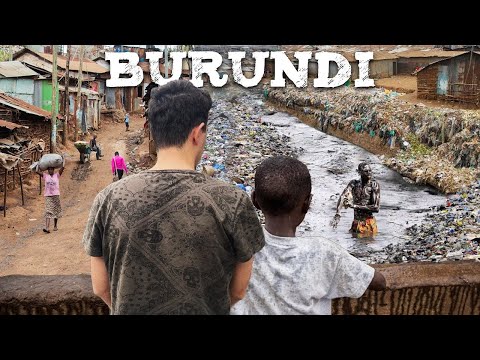
Burundi is one of the poorest countries in the world, with 87% of the population living on less than USD 1.9/day according to the World Bank and a GDP per capita of USD 245.8 in 2023 according to the IMF, compared to USD 311.0 in 2022. In 2022, the country was ranked 187/193 in terms of human development (HDI)
A landlocked country in East Africa, Burundi is a low-income economy where 80% of its population works in the agricultural sector. Located in the Great Lakes region, Burundi is surrounded by Rwanda to the north, Tanzania to the east, the Democratic Republic of Congo to the west and bordered by Lake Tanganyika to the southwest. With 13.2 million inhabitants (2023), 50.3% of whom are women and 41.5% of whom are young people under 15, it is one of the countries with the highest population density with a density ratio of 442 inhabitants/km2 (2020 population projection).
Burundi has made significant progress in terms of quality and access to education. Since the introduction of free primary education in 2005, the Gross Enrollment Rate in primary education has increased, reaching 118.4% in the 2022/2023 school year with no significant variation between provinces, gender or income level.
Political context
President Evariste Ndayishimiye was elected in 2020 for a 7-year term. The ruling CNDD-FDD party, since 2005, has dominated the political scene with a large majority in Parliament (87 out of 123 seats) and the Senate (38 out of 39 seats). Legislative elections are scheduled for May 2025 and will follow the country's new administrative division, which reduces the number of provinces from 18 to 5, with 103 parliamentarians.
A National Development Plan (NDP) has been updated to implement Burundi's new vision of "Emerging country in 2040 and developed country in 2060". The overall objective of the National Development Plan is to structurally transform the Burundian economy for strong, sustainable, resilient and inclusive growth, creating decent jobs for all and leading to improved social well-being. The implementation of this vision will promote demographic growth compatible with the viable and sustainable management of available resources, as well as a level of human development that can be valued on national and international labor markets.
Socio-economic context
Economic growth accelerated to 2.7% in 2023, compared to 1.8% in 2022, supported by favorable rainfall and increased investment. However, growth is expected to slow to 2.2% in 2024, due to persistent fuel and foreign currency shortages that continue to weigh on the economy. The industrial sector (1.2% growth compared to 2.7% in 2023) and services (2.0% compared to 2.6% in 2023) will be the most affected. Over 2025-2026, growth is expected to average 3.9%, supported by agriculture, mining and government spending.
Inflation averaged 27.1% in 2023, driven by soaring food and fuel prices. It is expected to decline to 22.1% in 2024, as improved rainfall and restrictions on cereal exports help lower food prices.
The current account deficit reached 16.6% of GDP in 2023, driven by high oil prices and stagnant exports. It is expected to improve to 15.9% in 2024, with further reductions to 13.6% by 2026 as mining exports recover and foreign exchange reforms take effect.
Fiscal consolidation is expected to continue, with the deficit projected at 7.1% of GDP in 2024, driven by non-recurring spending cuts and improved revenue collection. By 2026, the deficit is expected to fall to 4.7%, supported by tax digitalization and cuts in non-essential spending. Public debt, projected at 70.6% of GDP in 2024, is expected to decline to 67.4% of GDP by 2026.
Save Life Make Difference need your help to continue working , and we thank to people who help us since beging
redaction
OLIVIER CIZA
Legal representatif
2/11/2024
Project reports on GlobalGiving are posted directly to globalgiving.org by Project Leaders as they are completed, generally every 3-4 months. To protect the integrity of these documents, GlobalGiving does not alter them; therefore you may find some language or formatting issues.
If you donate to this project or have donated to this project, you can receive an email when this project posts a report. You can also subscribe for reports without donating.



Support this important cause by creating a personalized fundraising page.
Start a Fundraiser