By OLIVIER | Project Leader
Save Life Make Difference
Bujumbura burundi
71452395
Sub : Project report
Burundi's economic problems are rooted in its legacy of political instability, fragile governance, and heavy dependence on a vulnerable agricultural sector. Despite recent economic growth, issues such as extreme poverty, high inflation, and foreign exchange shortages persist.
Poverty and high cost of living
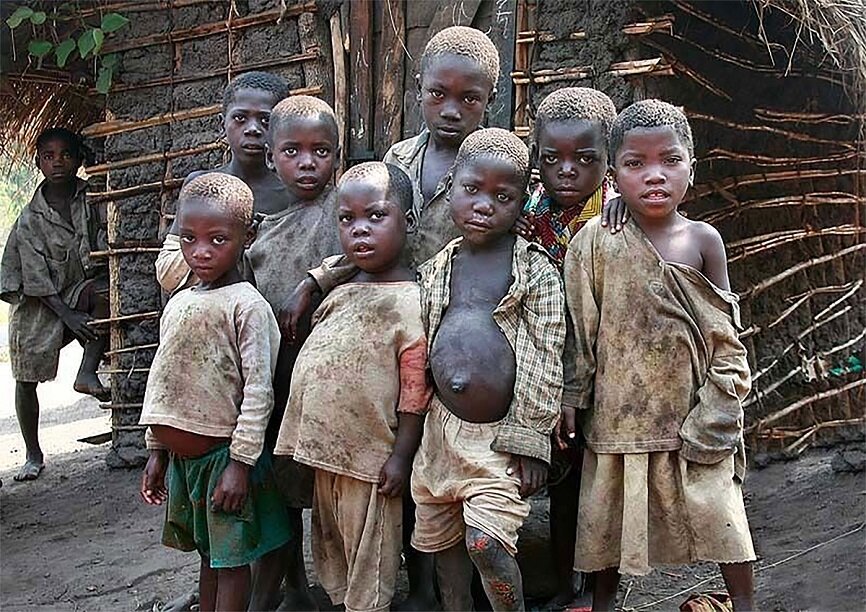
Widespread poverty: With a per capita GDP that is among the lowest in sub-Saharan Africa, Burundi is one of the world's poorest countries. In 2024, the poverty rate was estimated at 74.8%, with the majority of the population surviving on less than $3.00 per day.
Soaring inflation: In 2024, average inflation was 20.2%, and it is projected to jump to 39.1% in 2025 due to government borrowing from the central bank. This rapid price increase, especially for food and fuel, has severely eroded household income and purchasing power.
Chronic shortages: The country faces recurring shortages of essential goods, including fuel, water, and electricity, which disrupt business operations and daily life.
Structural economic challenges
Dependence on agriculture: The economy and labor force are overwhelmingly dependent on rain-fed, subsistence agriculture, making the country highly vulnerable to climate shocks and commodity price fluctuations. The main cash crops, coffee and tea, have unstable production volumes and are subject to volatile global prices.
Foreign exchange crisis: A severe and chronic shortage of foreign currency, worsened by persistent trade deficits, has crippled import-dependent sectors. This has fueled a thriving parallel market, which drives up prices even further.
Underdeveloped infrastructure: Poor infrastructure, particularly in energy, transport, and digital connectivity, hinders private sector growth, increases the cost of trade, and makes it harder for the landlocked country to access markets.
Political and governance issues
Political instability: Decades of ethnic conflict and political instability have repeatedly set back economic progress. A history of political crises, including violence in 2015, caused a sharp economic recession and the withdrawal of donor support.
Weak governance and corruption: Governance is hampered by corruption, lack of transparency in public spending, and poor public sector management. This has deterred foreign investment and led to the misallocation of resources.
Debt and monetary policy: Excessive government spending, financed partly by borrowing from the central bank, has contributed to inflation and debt accumulation. This approach crowds out private investment and undermines macroeconomic stability.
Social and human capital challenges
High population growth: Burundi has one of Africa's highest population densities and rapid population growth. This puts immense pressure on land resources and state services, leading to issues like land scarcity and food insecurity.
Poor health and education: Health and education services are under-resourced and of low quality. Chronic malnutrition is widespread, and educational attainment is low, limiting the development of a skilled workforce.
Youth disillusionment: The lack of economic opportunity and political hope is causing a brain drain, with many young, educated Burundians seeking better prospects elsewhere.
Save Life Make Difference have big issues about lack of money our projects was pending
Associations in Burundi, particularly civil society organizations (CSOs), face significant financial challenges due to a poor economy, limited domestic funding, and restrictive government policies. This "lack of money" is exacerbated by years of political instability and a decline in international donor support.
Key financial challenges for associations
Over-reliance on foreign aid
Before the 2015 political crisis, many Burundian NGOs relied heavily on funding from international donors. However, this support was significantly reduced after the crisis and the ensuing repression, leaving many organizations underfunded or unable to operate.
Restrictive foreign funding laws: Recent legislation places conditions on foreign funding that often require CSOs to align their work with the government's priorities, which can compromise their independence and limit access to necessary resources.
Exiled civil society: Many CSOs and independent human rights groups either were deregistered or now operate from exile, where funding and operational support are much more difficult to secure.
Limited domestic revenue sources
Due to widespread poverty, Burundian associations cannot rely on domestic donations or government support to sustain their operations.
Pervasive poverty: Burundi has one of the lowest GDPs per capita in the world. As of 2024, nearly 75% of the population lived on less than $3 a day, leaving little disposable income for local philanthropic support.
Fragile economy: The national economy is dominated by subsistence agriculture and suffers from high inflation, fuel shortages, and currency scarcity, which further limits the financial capacity of citizens and local businesses to support associations.
Government restrictions and corruption
Associations face a difficult operating environment due to poor governance and restrictive policies.
Political pressure: International Crisis Group reports describe how government pressure on partly state-owned banks led them to make risky loans to the government, affecting the stability of the financial system.
Lack of transparency: Government financial management lacks transparency, and civil society engagement in budget allocation is minimal. Associations have little recourse for a fair and open process when seeking public funds.
Suppression of civil society: The government has been accused of suppressing critical voices, intimidating local NGOs, and limiting the space for public debate, creating a hostile environment for independent groups seeking funding.
Examples of financing challenges
UNICEF funding gap: As of January 2025, UNICEF was appealing for more funding to address the humanitarian crisis caused by climate-related disasters like floods. The economic crisis in Burundi severely hinders the capacity of aid groups to respond effectively.
Microfinance solutions: The financial gap has spurred some local innovation, like the Village Savings and Loan Associations (VSLAs) supported by the Kahawatu Foundation. These associations allow coffee farmers and other community members to save and loan small amounts to each other for individual projects. However, these remain small-scale solutions that do not solve the broader systemic issues.
Project reports on GlobalGiving are posted directly to globalgiving.org by Project Leaders as they are completed, generally every 3-4 months. To protect the integrity of these documents, GlobalGiving does not alter them; therefore you may find some language or formatting issues.
If you donate to this project or have donated to this project, you can receive an email when this project posts a report. You can also subscribe for reports without donating.



Support this important cause by creating a personalized fundraising page.
Start a Fundraiser