By RTF Team | Project Leader
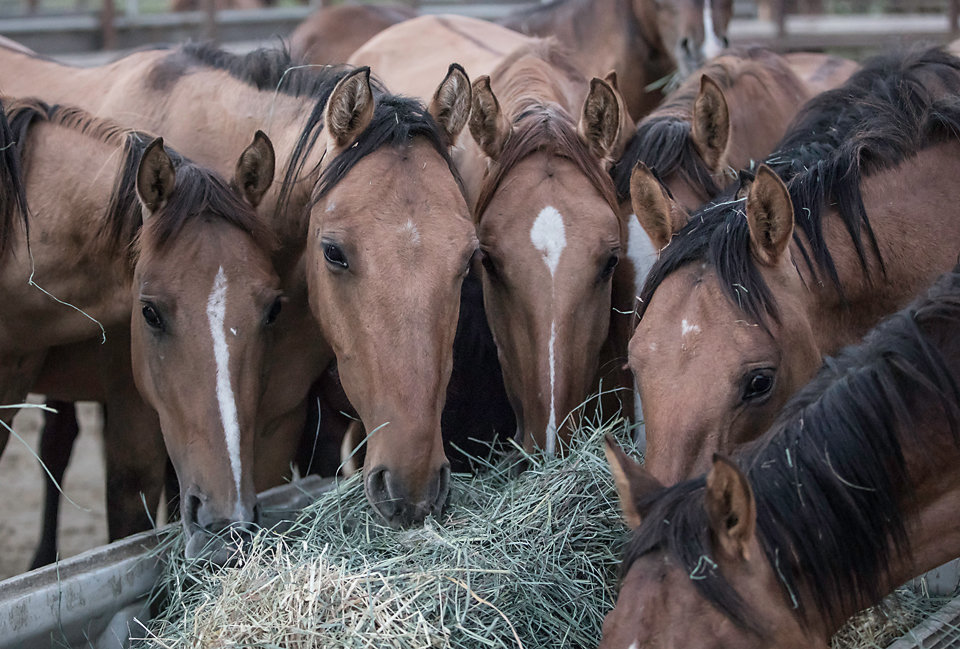
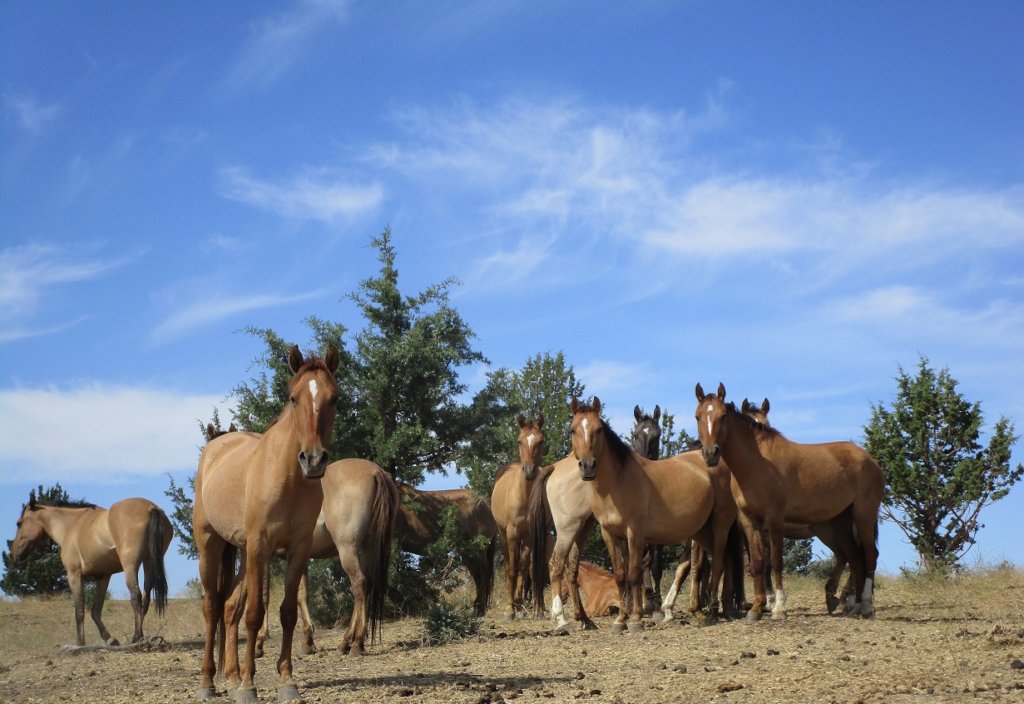
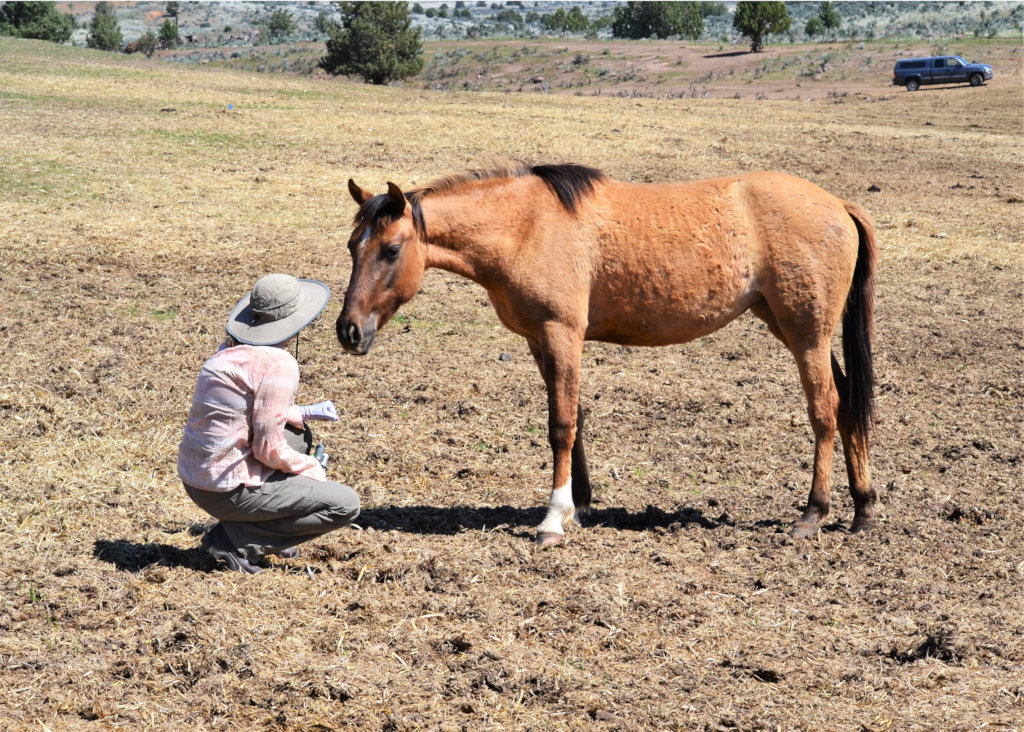
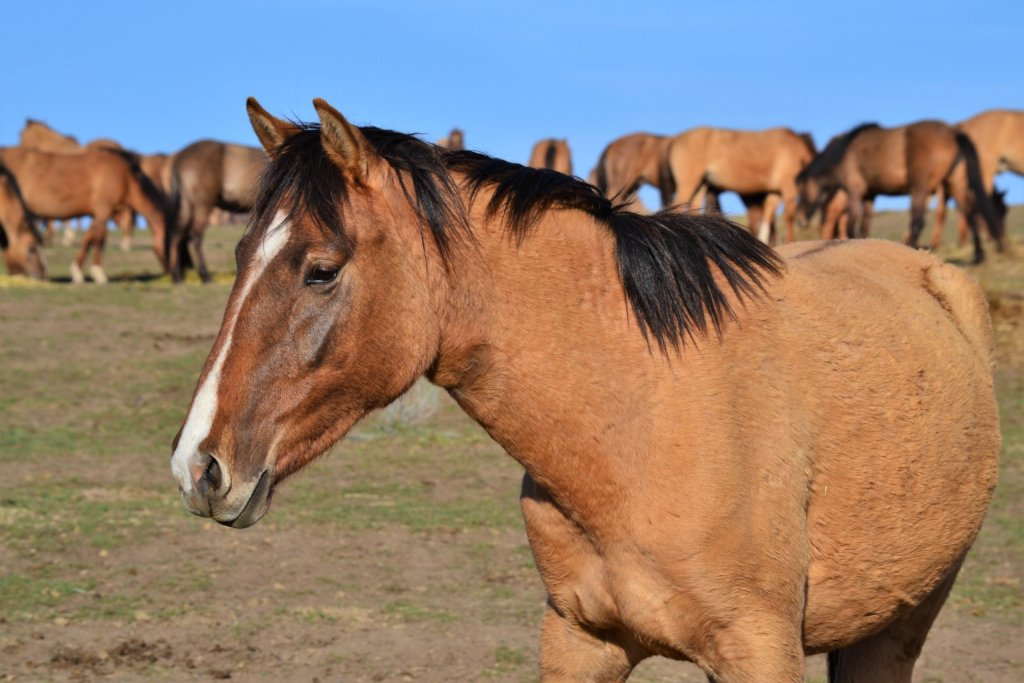
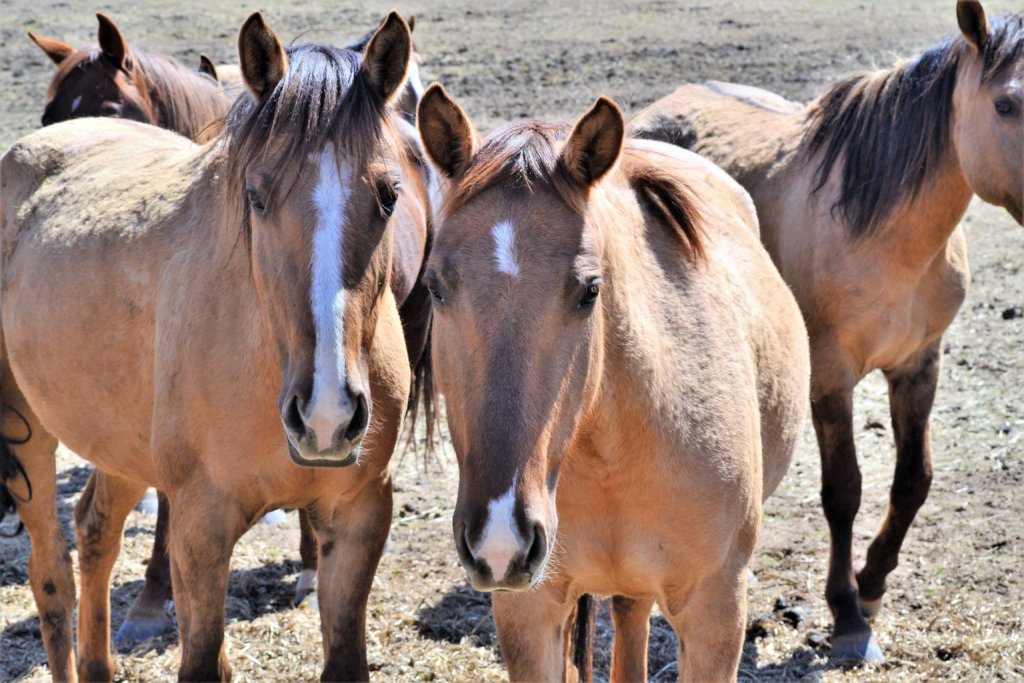
The Gila Herd rescued by RTF in 2017 has been thriving in their Alturas, CA home, and the overall herd health has dramatically improved both mentally and physically.
However, we had a great opportunity to move some of them to an even better location in Shasta County, CA, in a situation mirroring our other satellite in San Luis Obispo and expanding our Mustang Conservator program to partner with private ranch owners to provide life-long sanctuary for bonded wild horses. Giving a home to displaced herds keeps their family bands together instead of splitting them up, never to see each other again, as they are when they are heading to Government or private profit-based holding.
In late summer, RTF Ranch Manager Jason began improving the infrastructure at a new satellite location in Northern California to prepare a new sanctuary for the Gila herd. After haying some of the meadows, we were able to stack 100 tons of hay for the horses there to have during winter months. Next came fencing. The fencing allows for good rotational grazing for holistic management to keep the land healthy and productive. Good fencing is a must, to keep RTF’s horses and burros safe and gently managed. In September our ranch manager moved up north to continue the improvements and to get ready to receive the herd to these greener pastures. Developing watering holes, bridges and safe handing corrals all needed to be done.
With the new location prepared, it was time to move the members of the herd who would be going to the new ranch location.
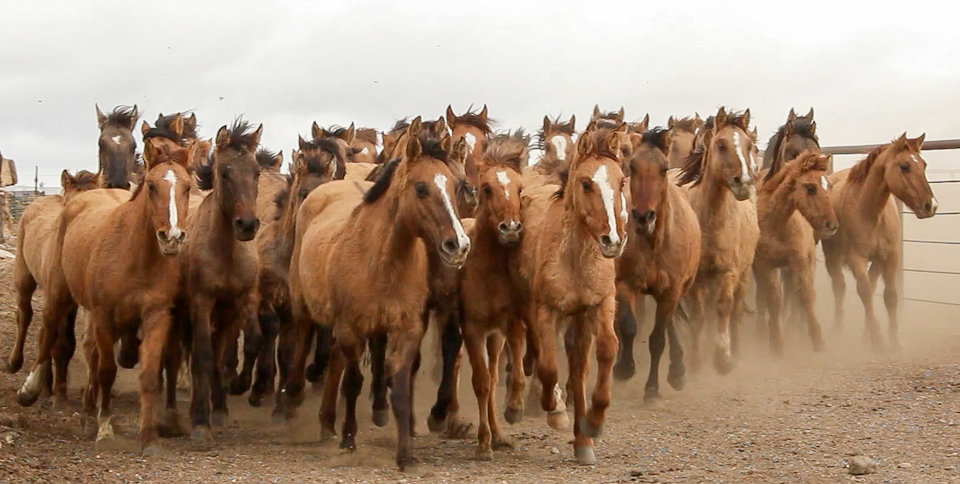
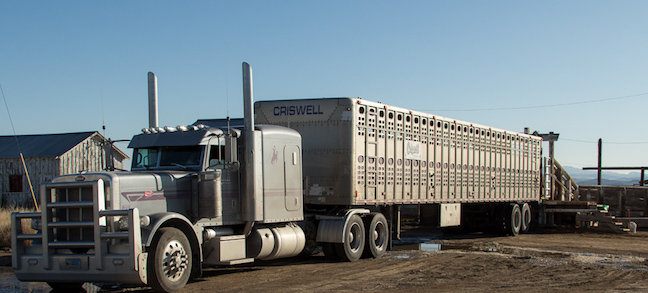
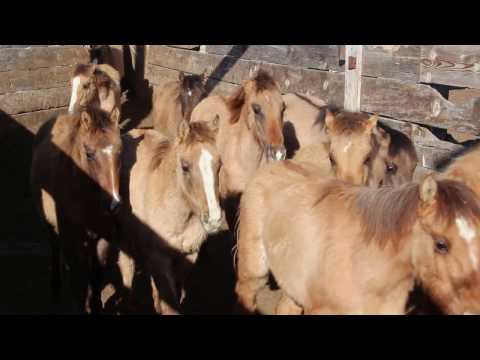
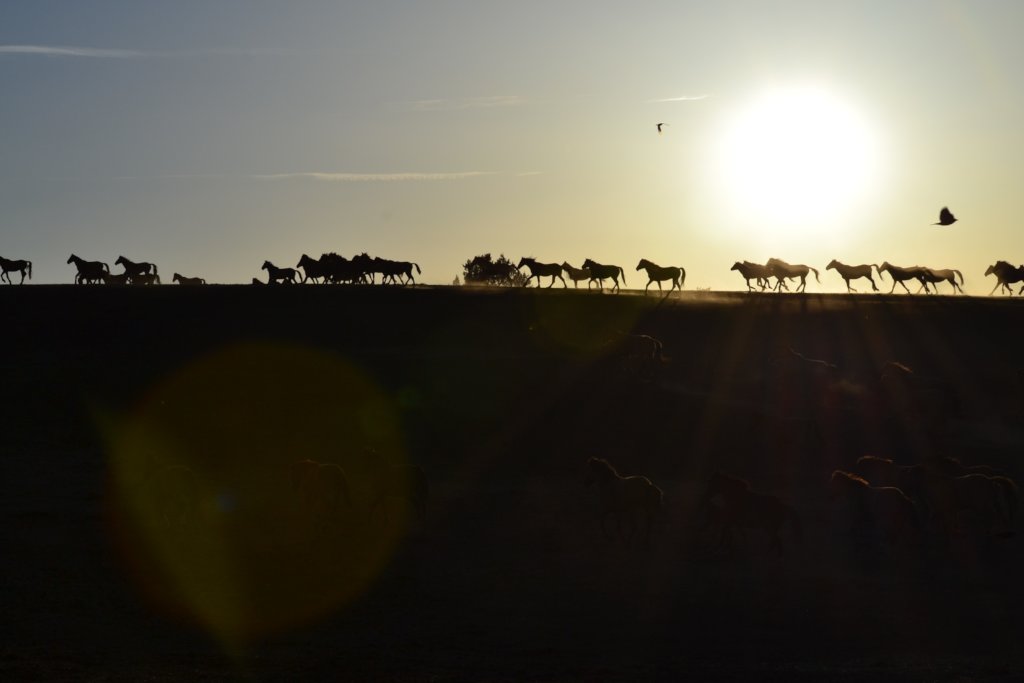
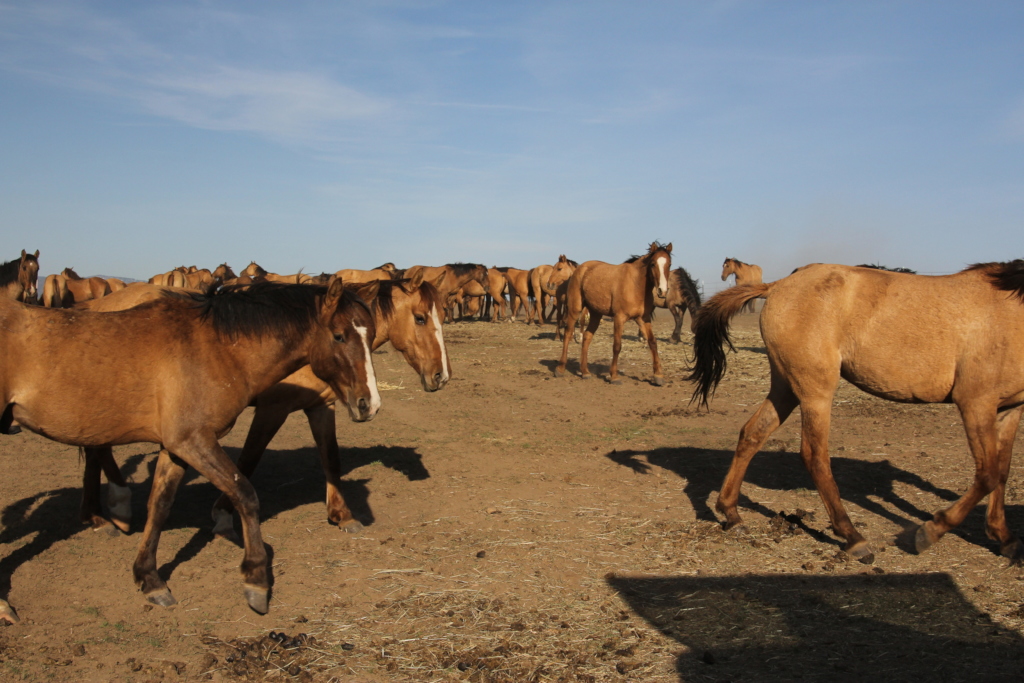
Jason went to Alturas and set up corrals to stage horses for shipping. After he had sorted the horses who were to move from pastures to the pens, Neda DeMayo, RTF Founder and President, joined him in the large moving task. Neda and Jason, along with our newly-arrived resident volunteer from Norway, using two pickup trucks and two trailers hauled 64 horses to the new spot. This was roughly a 145-mile round trip. The move was done very carefully, so it was very successful and no injuries or unnecessary stress to the travellng horses occurred.
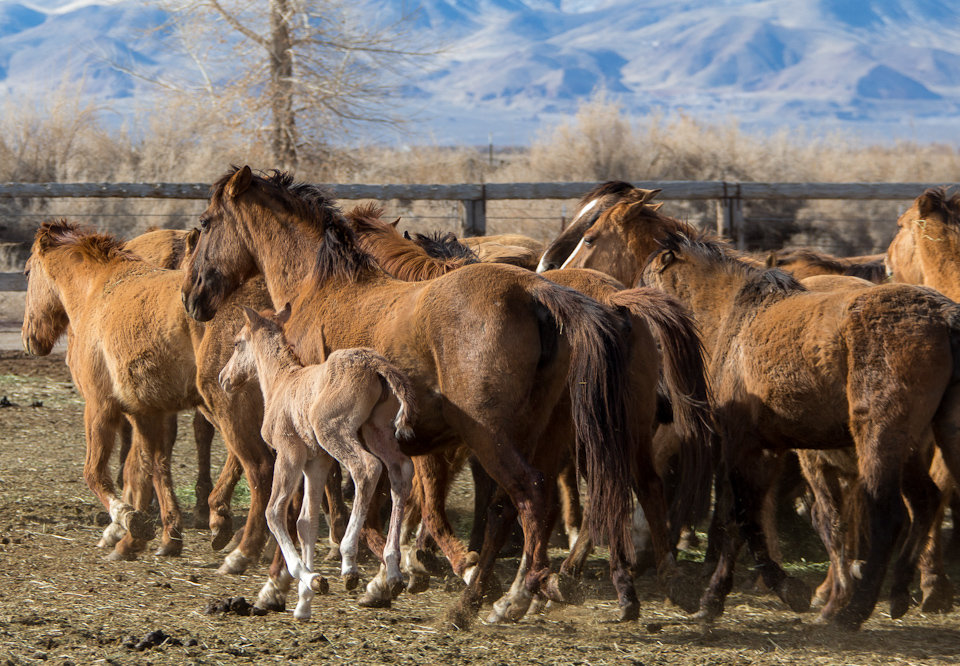
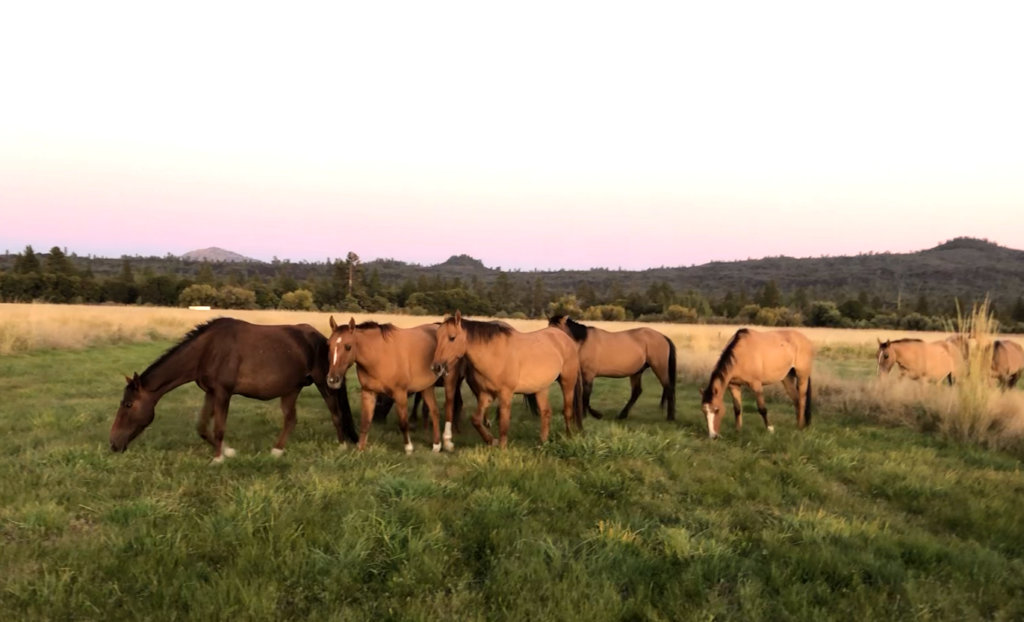
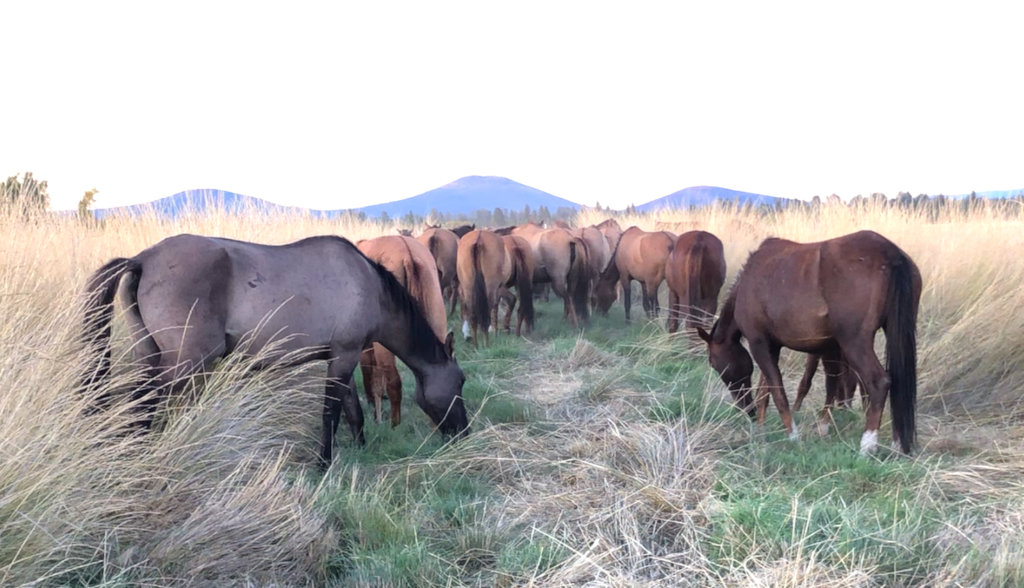
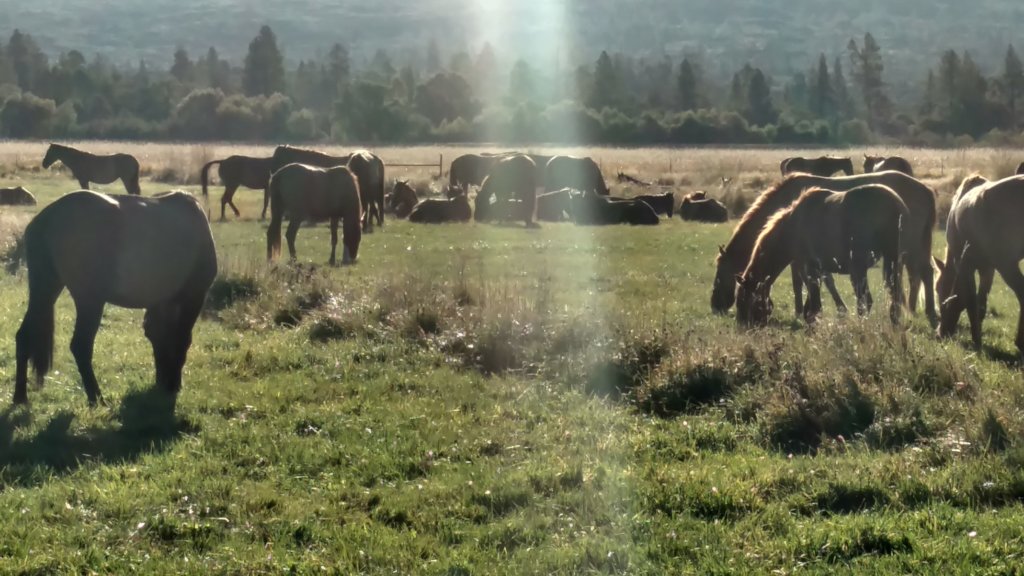
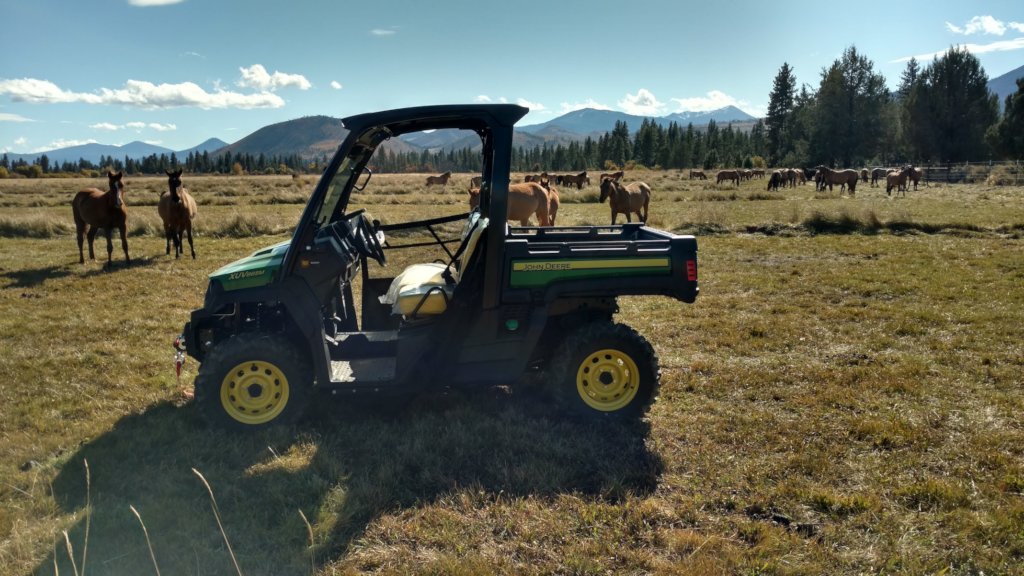
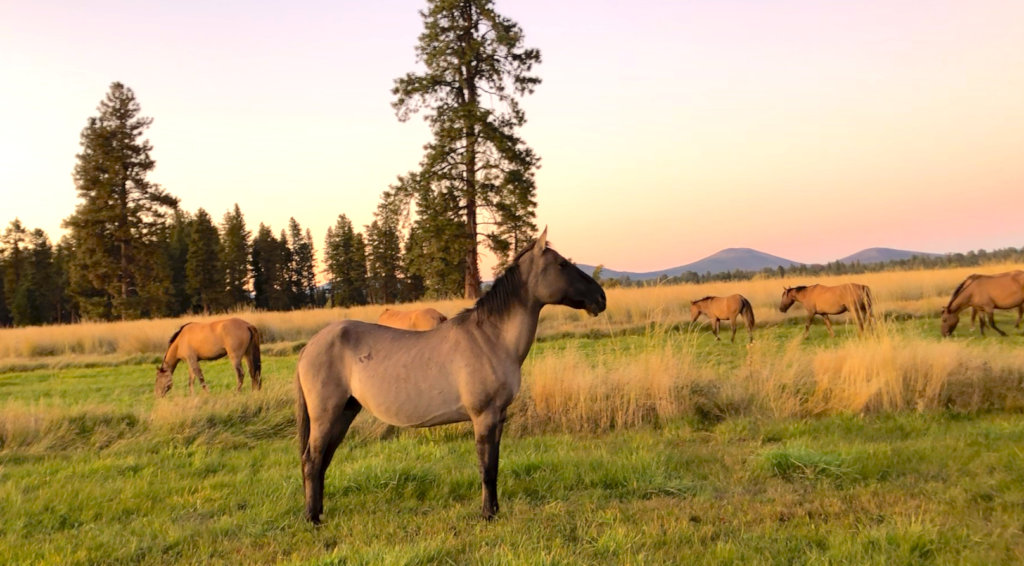
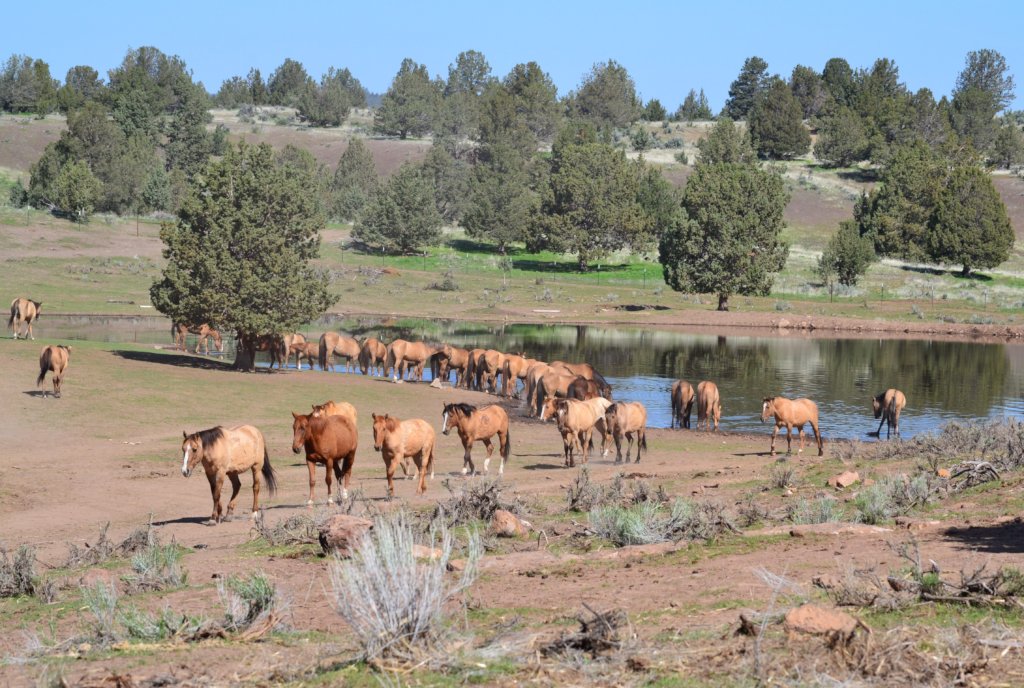
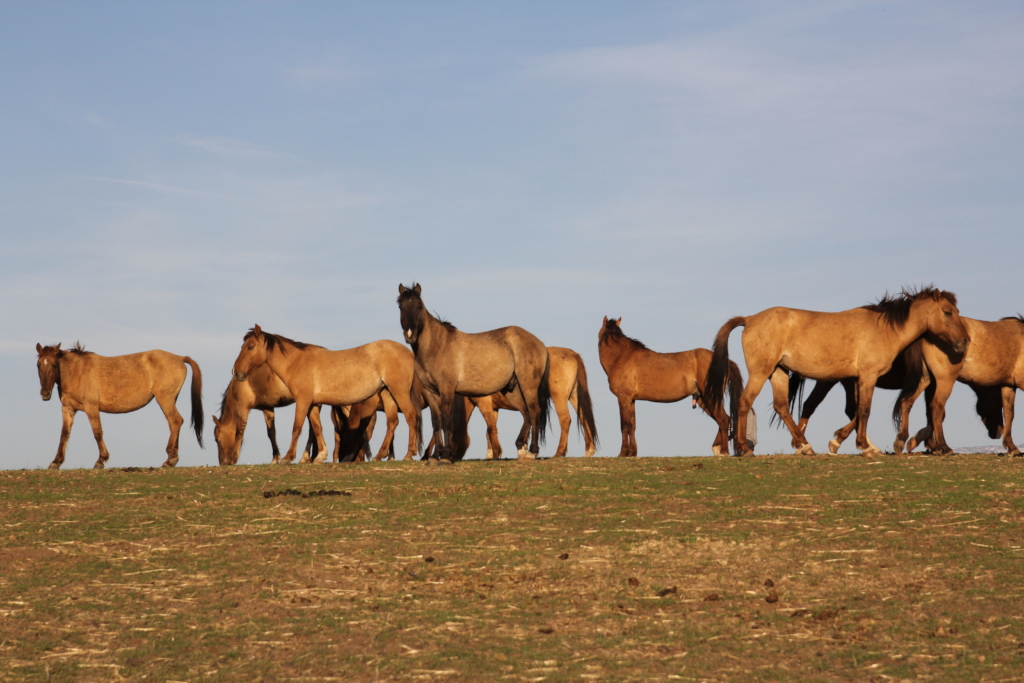
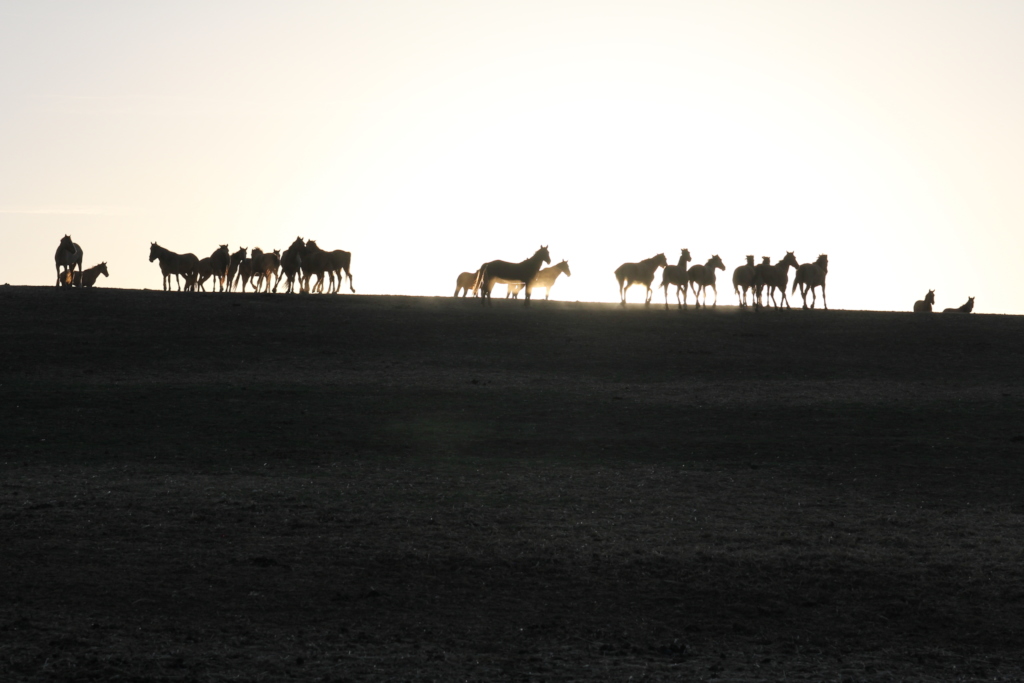
On Oct. 6th, a total of 64 horses, including 4 mares with foals, were released onto green pastures in Shasta County.
The amazing thing is that the horses really sorted themselves! We created a large corral of 70 acres, that was fenced within the 1000-acre pasture in Alturas. Leaving the gates open for a few days and distributing hay all around, 64 horses closely bonded to each other ended up in the large corral trap, and 45 others remained out in the 70-acre field. Once assured that the horses were all settled in with their rightful bands, the gates were closed for a few days to be sure that anyone crying for someone was either let out or let in. Among the horses who made the trip are the younger yearlings and two-year-olds, with a handful of older horses who needed a boost and who will have an easier time at their new home. It was really amazing to see how the horses really did it all themselves, because trying to sort them in these larger areas would have been challenging.
Winter has started up North and snow is on the way! There is still a lot of work to be done, but the horses have plenty of natural forage and water.
We are so grateful to private landowners who have partnered with Return to Freedom as Mustang Conservators.
45 of the Gila horses remained in Alturas. They may eventually also find a new location and may even be joining the others next spring, but for now, they’re doing great, and we are so glad we took the leap of saving them from auction and probable slaughter in 2017. Without continued support from people like our Global Giving Community, none of this would be possible, and the Gila story would have been a tragic one.
Thank you for your continued help and support in the saga of the Gila herd and their journey to and around California! We hope you watch the video linked to this update, it will show you what you have helped to accomplish. We are so grateful to you!
All of us at RTF
Links:
By RTF Team | Project Leader
By RTF | RTF Team
Project reports on GlobalGiving are posted directly to globalgiving.org by Project Leaders as they are completed, generally every 3-4 months. To protect the integrity of these documents, GlobalGiving does not alter them; therefore you may find some language or formatting issues.
If you donate to this project or have donated to this project, you can receive an email when this project posts a report. You can also subscribe for reports without donating.