By Camille B. SODJI | Project Leader
Donation of Work Equipment to Three Women's Groups in Couffo (Benin)
Implementation Period: 2025-2026
Lead Organization: Education and Development NGO (ONGED)
Direct Beneficiaries: 95 women organized into three cooperatives
1. CONTEXT AND STRATEGIC CHALLENGES
1.1 A Region Facing Structural Challenges
The Couffo department, located in southwestern Benin, faces profound socioeconomic challenges that seriously compromise its prospects for sustainable development. Geographic isolation, combined with a critical lack of basic infrastructure (practicable roads, reliable electricity, accessible drinking water), creates a vicious cycle of poverty and marginalization. In this difficult context, economic opportunities remain scarce, and local populations, particularly women, find themselves trapped in persistent vulnerability.
1.2 Women: The Invisible Pillars of a Subsistence Economy
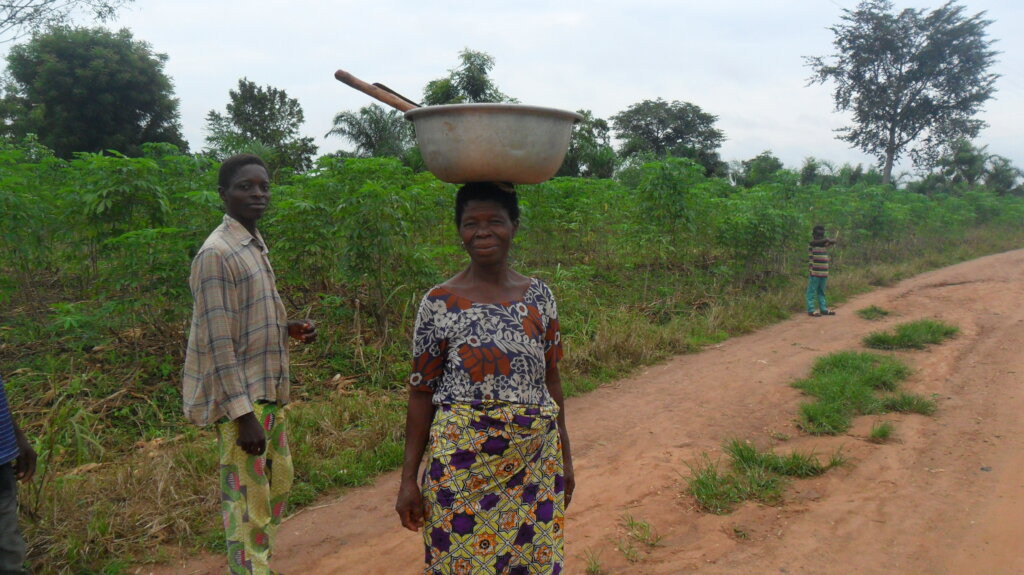
At the heart of this harsh reality, the women of Couffo play an absolutely central role, although largely underestimated and rarely valued. They simultaneously ensure their households' subsistence through agricultural and artisanal activities, while bearing the full responsibility for domestic tasks and childcare.
Faced with the lack of local opportunities, many men migrate to urban centers or abroad in search of better living conditions. Unfortunately, these migrations often end in failure and disillusionment. It is then the women, who remained behind, who continue to bear the family burden alone. Moreover, when their partners return disappointed and without resources, the women must welcome them back and ensure the household's survival, despite having received no financial support during their absence.
1.3 An Unexploited Economic Potential
Despite their remarkable resilience and essential contribution to social cohesion, the economic potential of Couffo's women remains largely untapped. Several structural constraints hinder their development:
Financial exclusion: Access to banking services and microcredit remains extremely limited, depriving women of the necessary resources to launch or develop their income-generating activities.
Skills deficit: The lack of technical and entrepreneurial training restricts their ability to modernize their practices, improve product quality, and access more profitable markets.
Sociocultural barriers: Persistent traditional norms limit women's participation in community decision-making bodies, confining them to a role of implementers rather than decision-makers.
1.4 A Strategic Response from ONGED
Confronted with this unacceptable situation, and guided by the humanist vision of its Honorary President, ONG Education et Developpement (ONGED) launched an ambitious initiative aimed at strengthening the economic empowerment of rural women in Couffo. This project fully aligns with a comprehensive vision of poverty reduction, gender equality promotion, and consolidation of local economic resilience. It is not merely about distributing one-off aid, but about creating the conditions for a lasting and profound transformation of women's economic capacities.
2. THE DEPLOYED INITIATIVE: AN INTEGRATED APPROACH
2.1 Creation of Three Women's Cooperatives
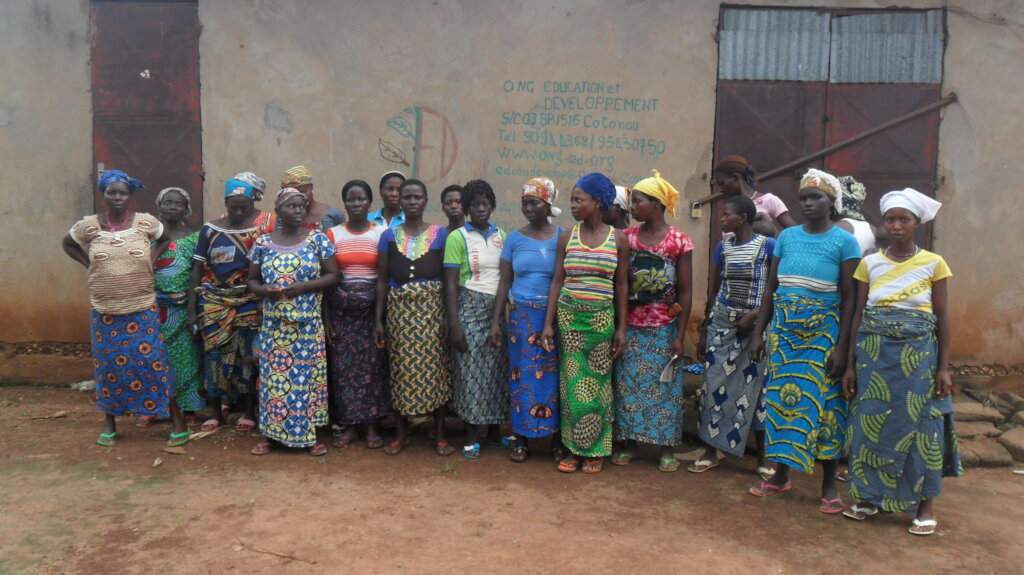
Between 2025 and 2026, ONGED supported the creation of three women's cooperatives named Allôlé Allomey, Mitognononoui, and Lonlongnon. These structures are not simple production units; they are genuine spaces for solidarity, mutual learning, and social innovation where women can support each other, share their knowledge, and jointly develop solutions adapted to their realities.
2.2 A Strategic Choice: Cassava Processing
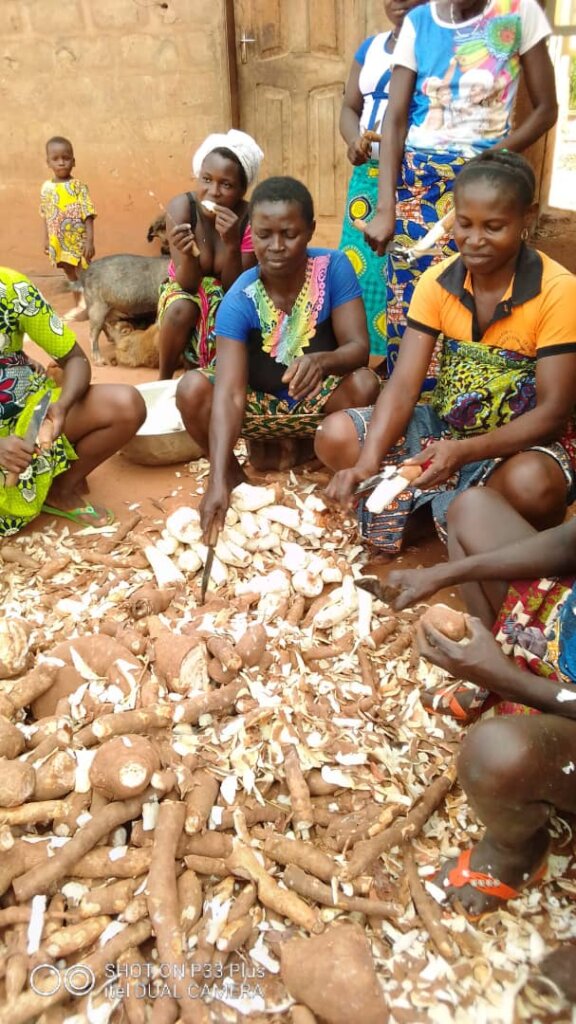
The core activity chosen for these cooperatives is the processing of cassava into gari, an essential food flour in the region, widely consumed and traded at all levels of Beninese society. This strategic choice is based on three major advantages:
2.3 Provision of Essential Equipment
Prior to ONGED's intervention, none of the three groups had the necessary means to efficiently process cassava into gari or tapioca. Thanks to the mobilized financial support, the following equipment was provided:
Three presses for dewatering raw cassava paste, essential for extracting water and preparing the material for roasting.
Three cassava grating mills, which allow for more efficient and uniform grinding of tubers.
This equipment, although relatively simple, immediately transformed the women's working conditions and multiplied their production capacity.
2.4 Inspiration from a Successful Pilot Experience
This approach is directly inspired by a particularly successful pilot experience previously conducted in the locality of Kpodaha, on the wise recommendation of the Honorary President of our NGO, ONG Education et Développement. Her humanist and inclusive vision enabled a first group of women to generate sustainable income through the production and sale of gari. This proven success served as a model and catalyst for extending the project to three new localities.
2.5 A Decisive Philanthropic Mobilization
Thanks to the exceptional generosity of our NGO's Honorary President and her network of committed donors, 95 women from three localities in Couffo benefited from a donation of work equipment. This support had an immediate and measurable impact: a significant strengthening of their financial autonomy, the acquisition of valuable technical skills, and the progressive recognition of their status as legitimate actors in local development.
3. CONCRETE ACHIEVEMENTS AND CONTROLLED PROCESSES
3.1 Securing Raw Material Supply
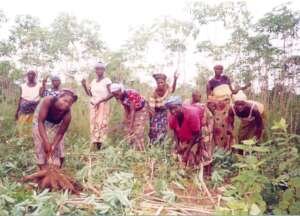
Upon receipt of the NGO's funds, each cooperative demonstrated prudent and strategic management by prioritizing investment in the purchase of cassava fields. This wise decision guarantees a stable and regular supply of raw materials and allows for better control of production costs.
3.2 Implementation of a Rigorous Processing Chain
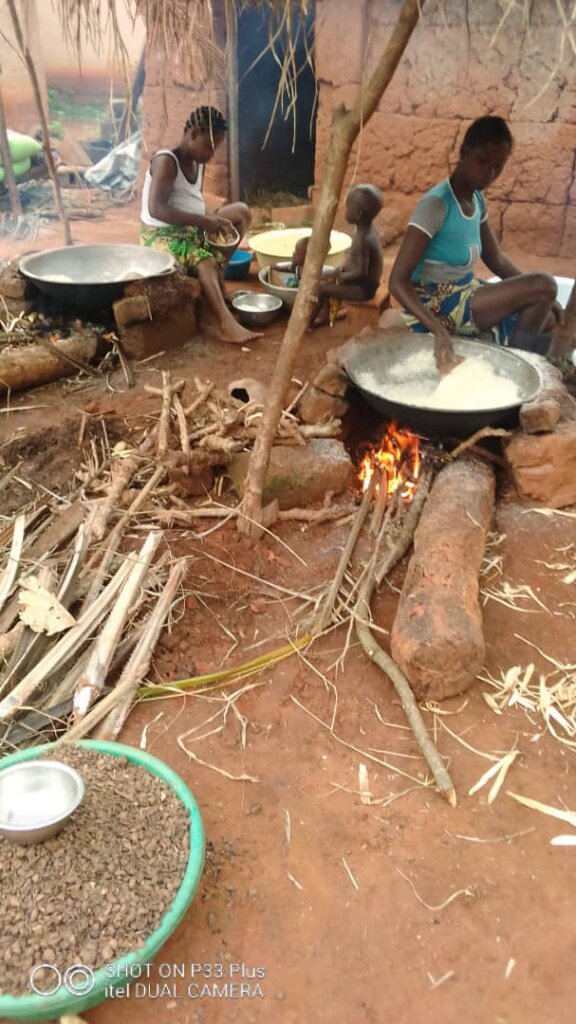
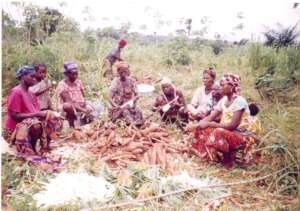
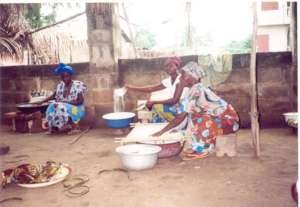
The women developed and implemented a rigorous process for transforming cassava into gari, harmoniously combining ancestral traditional knowledge with modern quality requirements. The mastered steps include:
Each phase is carried out with meticulous care, reflecting the women's strong commitment to the quality of the final product and customer satisfaction.
3.3 Decisive Contribution to Food Security
Cassava is a highly perishable commodity that deteriorates rapidly after harvest. Transforming it into gari or tapioca allows for optimal storage over several months, even up to a year under good conditions. This extended storage capacity constitutes a true shield against frequent periods of seasonal food shortage in the region and allows families to have a reliable food reserve throughout the year.
4. MULTIDIMENSIONAL SOCIO-ECONOMIC IMPACTS
This project goes far beyond the simple economic dimension of increasing income. It acts as a powerful lever for social transformation at several levels:
4.1 Effective Financial Empowerment
The beneficiary women can now cover the essential needs of their families—healthcare, children's schooling, balanced nutrition, clothing—without depending on third parties or uncertain external aid. This regained financial autonomy grants them new dignity and increased decision-making capacity over their own lives.
4.2 Strengthening of Women's Leadership
Their increased and recognized economic role promotes much more active participation in community decisions. Gradually, traditional gender dynamics are evolving, and women are beginning to occupy positions of influence in local governance bodies, profoundly modifying power relations within communities.
4.3 Stimulation of the Local Economy
The circulation of additional income at the local level creates beneficial multiplier effects for the entire community. Women purchase more from local merchants, invest in their children's education, and thus pave the way for new opportunities for employment and economic collaboration.
4.4 Transformation of Individual Perspectives
Beyond quantitative indicators, the beneficiaries unanimously express a regained confidence in their own abilities, a rediscovered pride in being productive actors, and a much more serene vision for the future of their children. This psychological and social transformation is perhaps the project's most profound and lasting impact.
5. PERSISTENT CHALLENGES AND OBSTACLES TO OVERCOME
Despite these undeniable and encouraging advances, several significant obstacles still limit the scale and sustainability of the results achieved:
5.1 Still Rudimentary Equipment
The continued reliance on manual or semi-mechanized tools significantly slows production, sometimes affects the quality and consistency of the gari produced, and imposes an excessive physical burden on the women, who must exert sustained and exhausting efforts to achieve satisfactory production volumes.
5.2 Major Logistical Constraints
The geographic isolation of some localities seriously complicates the transport of products to the most lucrative urban markets, particularly to Cotonou, the economic capital. This situation substantially increases marketing costs and reduces the cooperatives' profit margins, thereby limiting their investment and growth capacity.
5.3 Lack of Structured and Continuous Training
Although the women have acquired significant practical skills, more structured and in-depth training remains essential in several critical areas: modern processing techniques, quality control, financial and accounting management, marketing strategies, business negotiation, and access to more demanding but also more profitable formal markets.
6. CALL TO ACTION: PRIORITY NEEDS FOR SUSTAINABILITY
To consolidate achievements, ensure the sustainability of activities, and significantly amplify this promising momentum, we request targeted and strategic support in three key priority areas:
6.1 Modernization of Production and Transport Equipment
Priority acquisition of:
Motorized tricycles or improved pushcarts to facilitate the transport of cassava from the fields and the distribution of gari to sales points.
Efficient hydraulic presses for dewatering, which will significantly reduce the arduousness of the work and improve process efficiency.
Modern roasting utensils (reinforced metal basins, improved stoves) for more uniform and fuel-efficient cooking.
Objectives: Substantially increase productivity, improve the quality and consistency of the final product, significantly lighten the physical burden imposed on women, and free up time for other productive or family activities.
6.2 Strengthening of Technical and Managerial Capacities
Implementation of an integrated and progressive training program covering:
- Modern cassava processing techniques including hygiene and food safety standards.
- Functional literacy to enable women to keep their own records and manage their documentation.
- Accounting and budgetary management adapted to small cooperative businesses.
- Marketing and sales strategies, including brand identity creation and access to institutional markets.
- Financial education for better management of savings and investments.
Objective: Gradually professionalize the cooperatives, ensure their long-term economic viability, and develop their ability to adapt to market changes.
6.3 Logistical and Infrastructural Support
Provision of adapted means of transport to:
- Efficiently transport cassava from the fields to the processing sites, even during the rainy season.
- Regularly distribute gari to more lucrative urban markets like Cotonou, Abomey-Calavi, or Porto-Novo.
- Establish reliable commercial partnerships with established wholesalers and retailers.
Objectives: Drastically reduce logistical costs, significantly expand the customer base, access higher-value markets, and maximize profits that can be reinvested in the cooperatives' development.
7. CONCLUSION AND FUTURE PERSPECTIVES
The Allôlé Allomey, Mitognononoui, and Lonlongnon cooperatives today embody a living and inspiring proof that sustainable and inclusive development necessarily begins with the economic emancipation of women. Thanks to the visionary initial support of our Honorary President and her generous partners, these 95 courageous women have already crossed a decisive and symbolic threshold: they are no longer simply passive beneficiaries of development aid, but true dynamic entrepreneurs, respected leaders, and inspiring role models for their communities and future generations.
However, to transform this encouraging local success into a genuine regional movement for social and economic transformation, strengthened, coordinated, and sustained support remains absolutely indispensable. The potential is immense, the women's will is evident, and the initial results are convincing. Only the complementary resources to reach a new level of development are missing.
We warmly invite you to join this just, noble, and future-oriented cause. Your contribution will not only change the lives of these 95 women and their families—it will inspire and encourage hundreds, even thousands of other women across Benin and beyond, thus creating a virtuous ripple effect. Together, let's build a truly inclusive, resilient rural economy based on the universal principles of human dignity and equal opportunity.
"He who gives to a woman gives to an entire community."
ACKNOWLEDGEMENTS
We express our deep and sincere gratitude to all those who believed in this project from its inception and contributed to its realization—and especially to our Honorary President, whose humanist vision, exceptional generosity, and unwavering commitment made possible this historic first step towards a more equitable and prosperous future for the women of Couffo, in Benin (Africa).
Project reports on GlobalGiving are posted directly to globalgiving.org by Project Leaders as they are completed, generally every 3-4 months. To protect the integrity of these documents, GlobalGiving does not alter them; therefore you may find some language or formatting issues.
If you donate to this project or have donated to this project, you can receive an email when this project posts a report. You can also subscribe for reports without donating.



Support this important cause by creating a personalized fundraising page.
Start a Fundraiser