By Tim Bos | Relationship Manager
Dear Dry Forest friends!
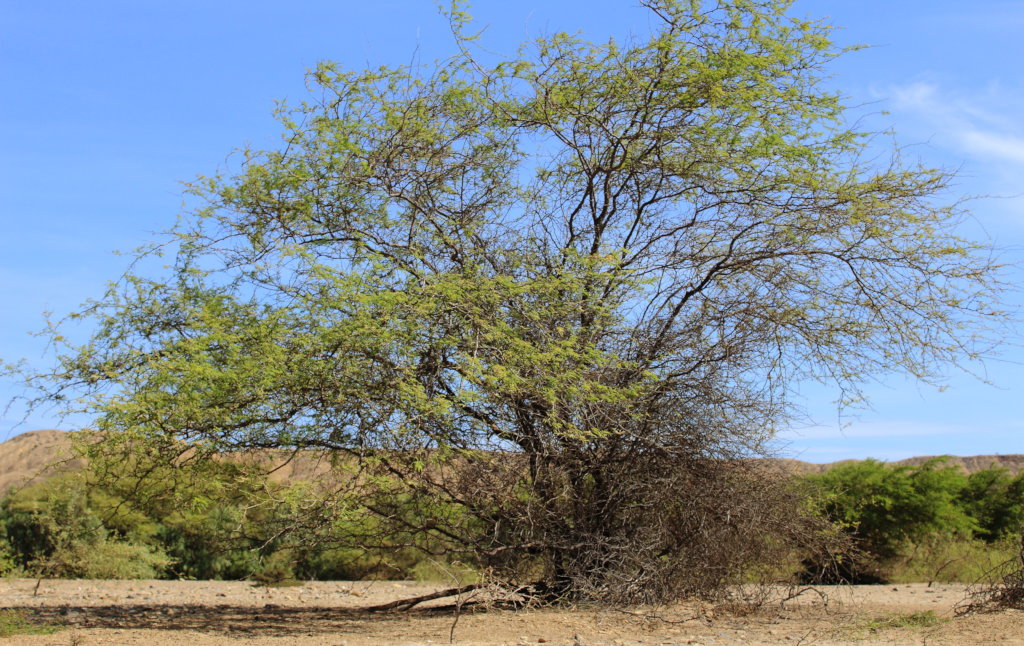
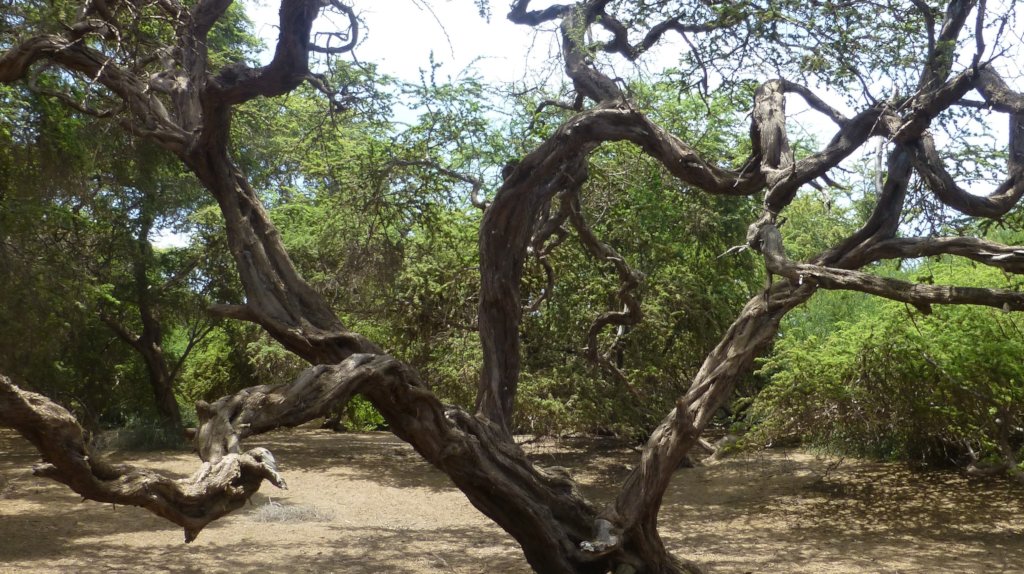
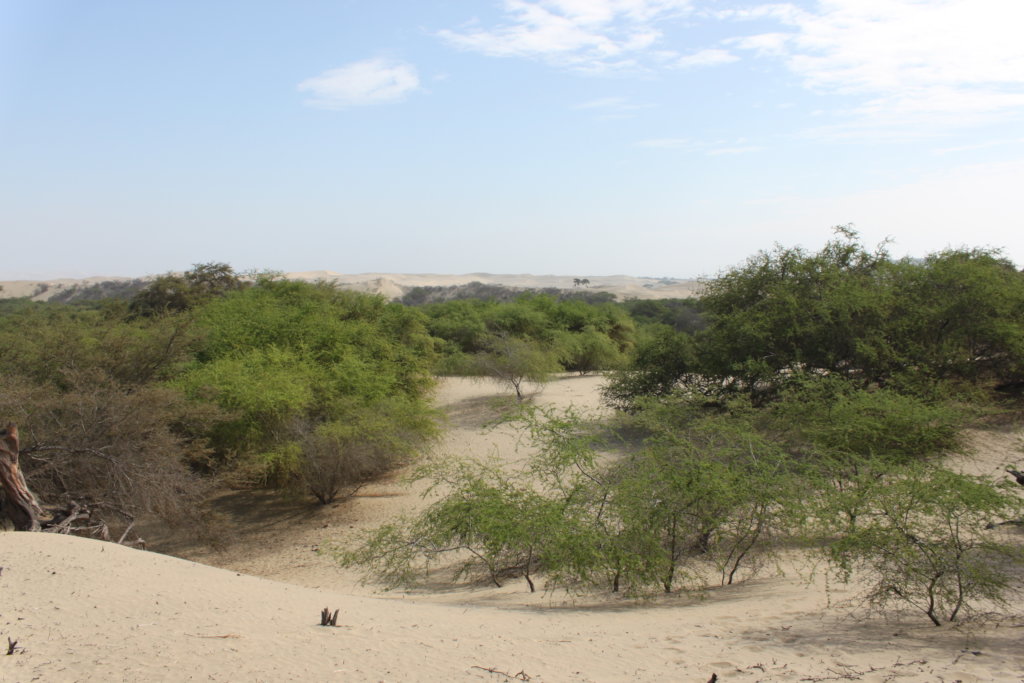
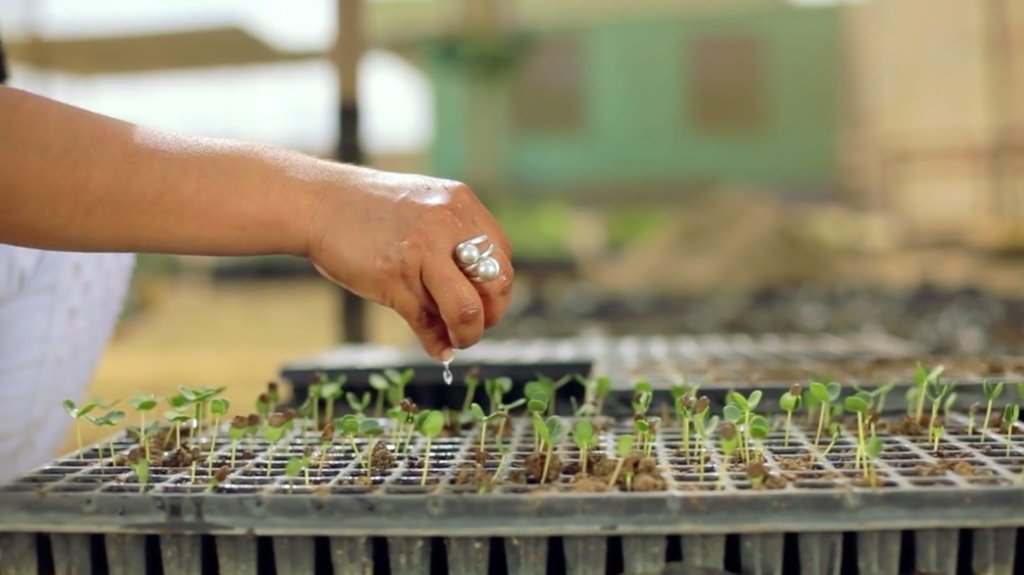
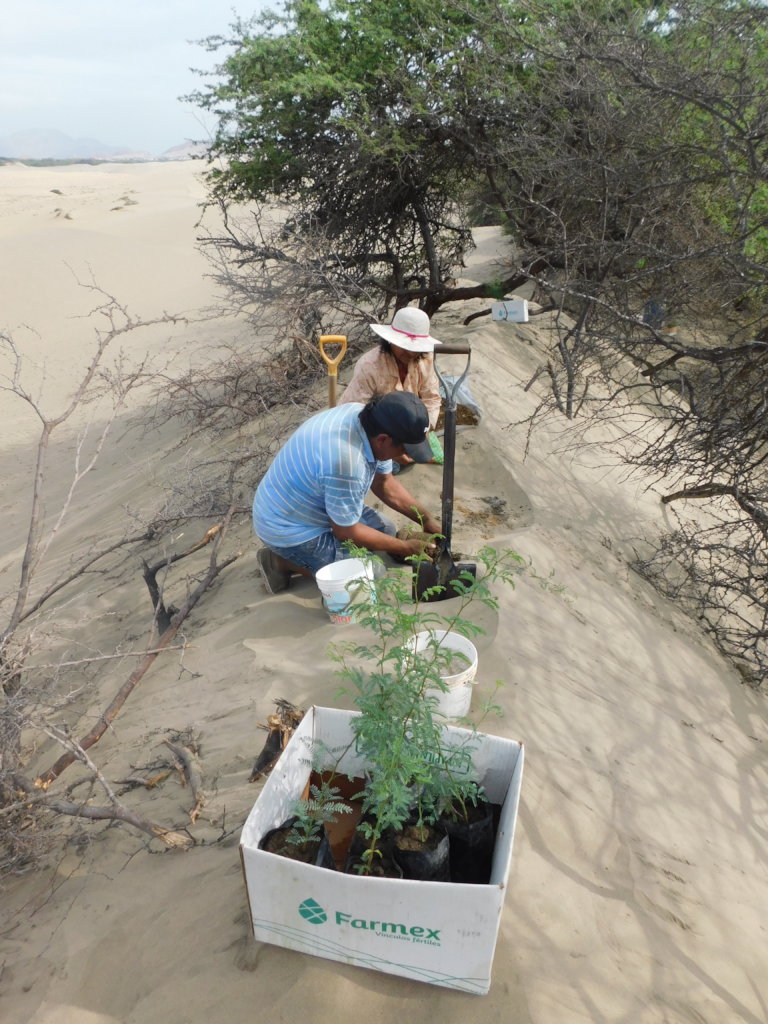
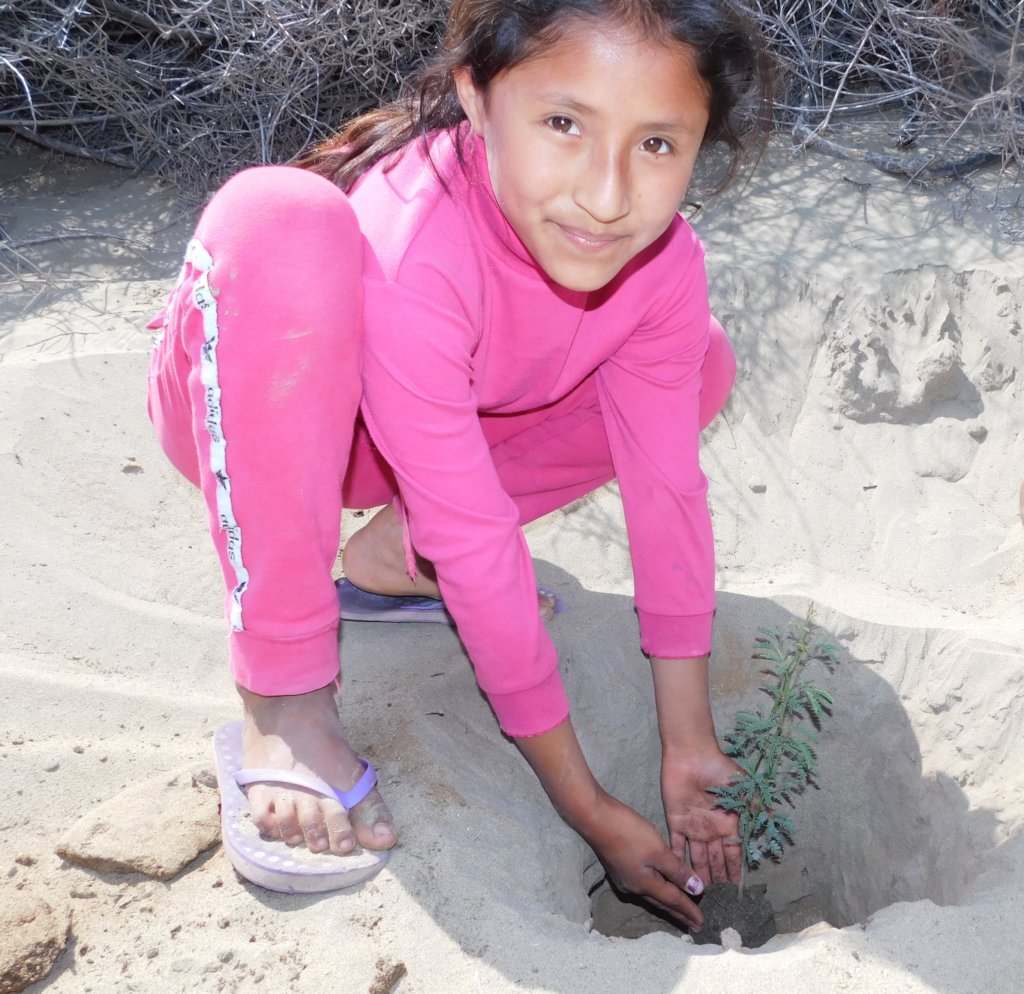
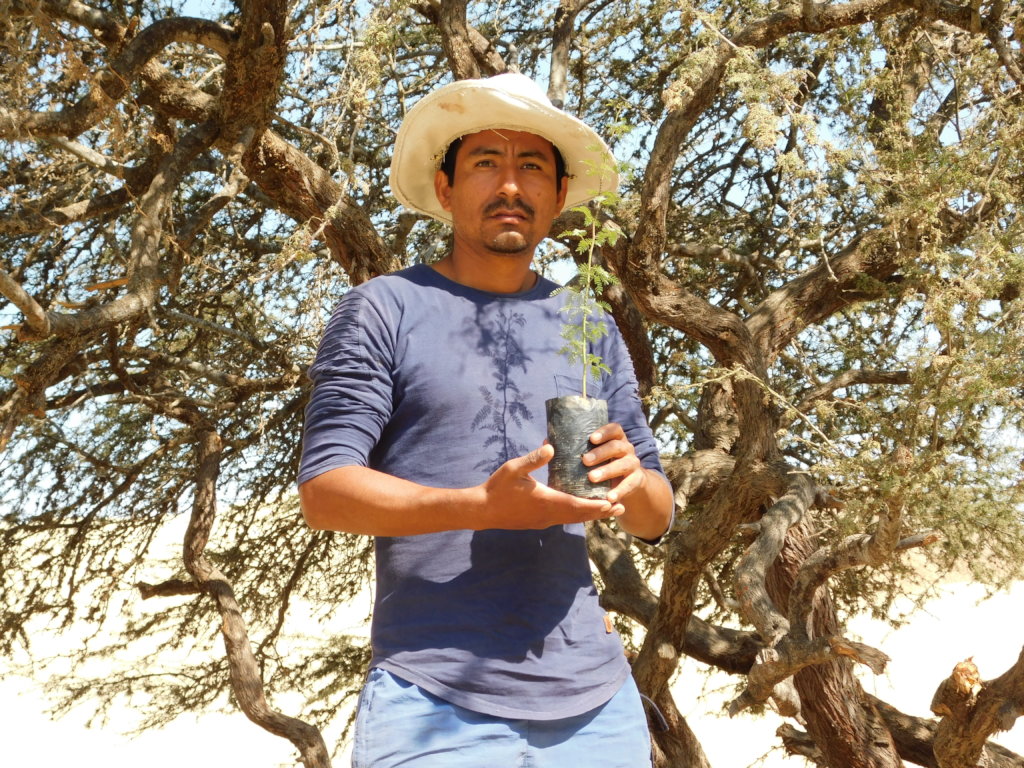
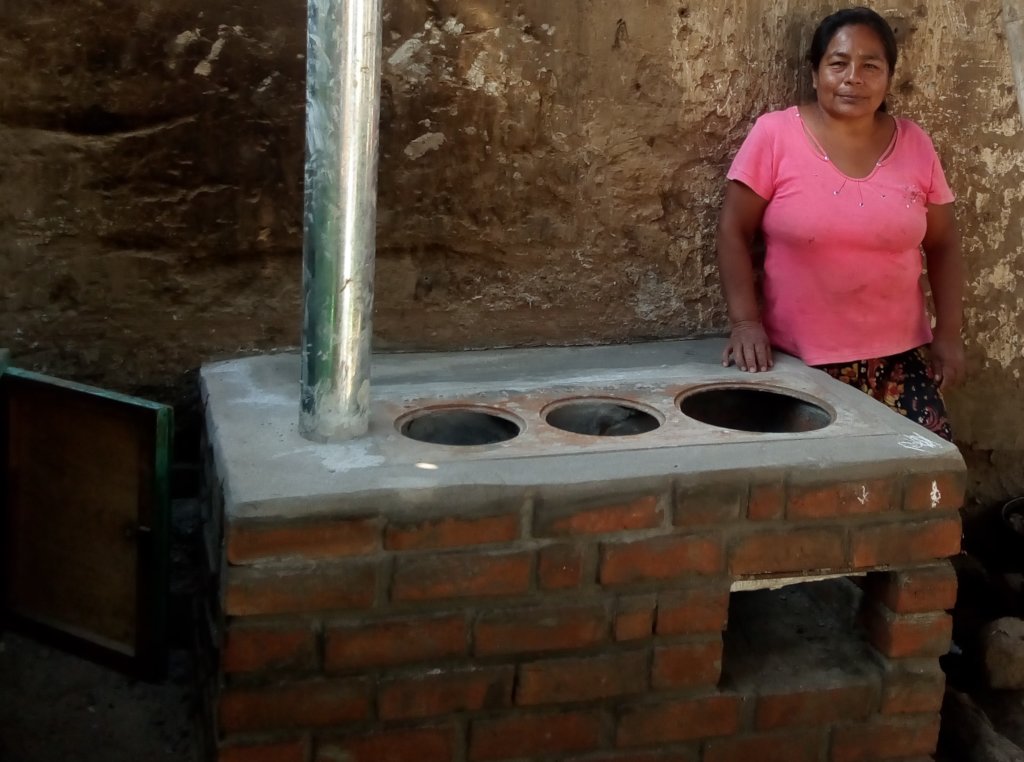
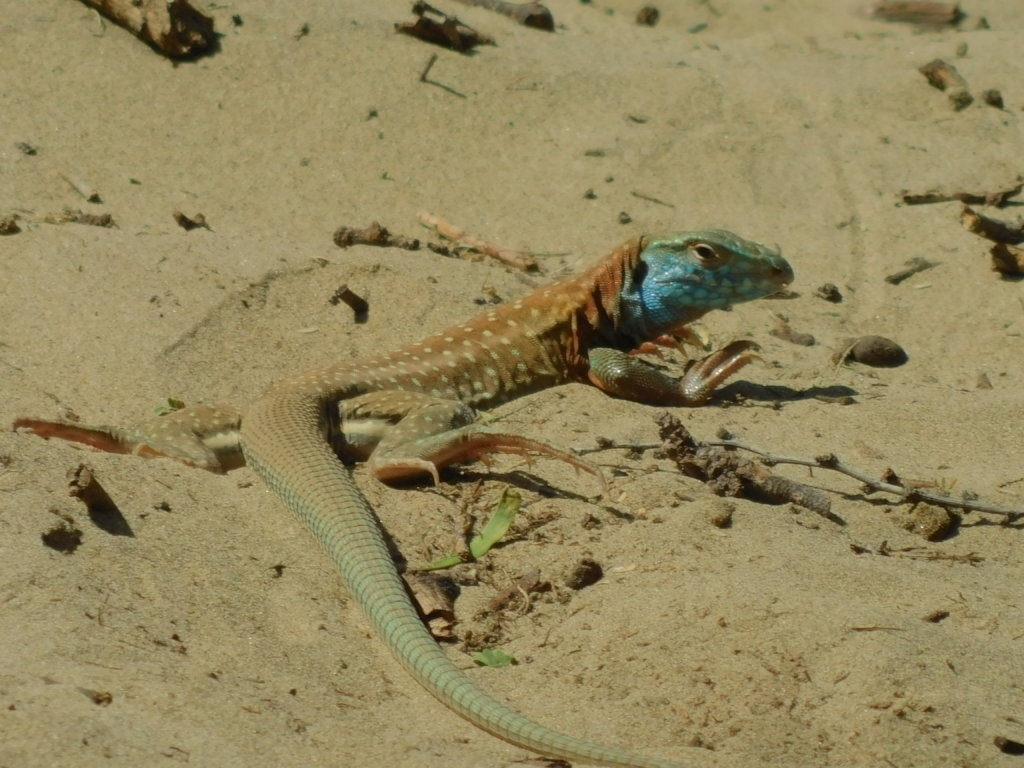
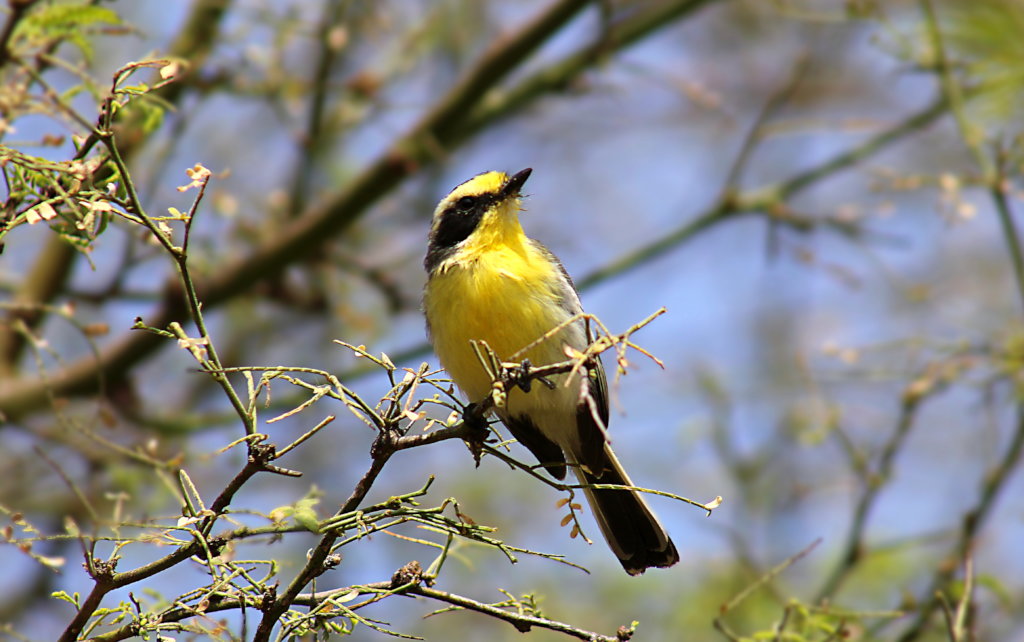
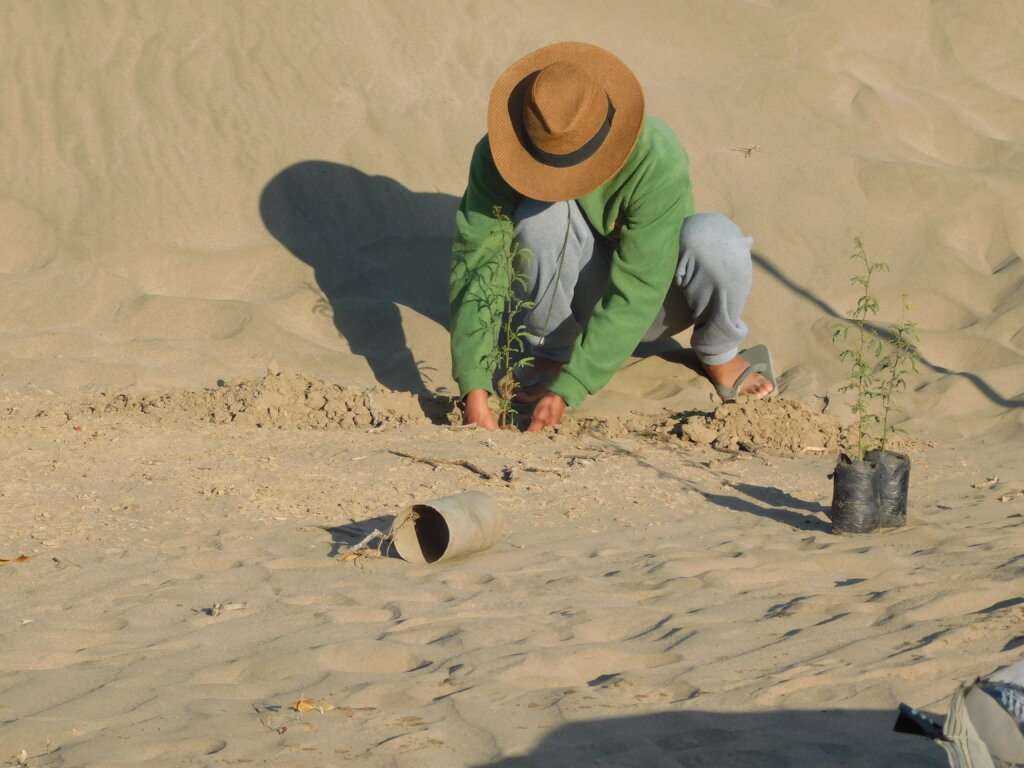
Over the past three months our team and the communities we work with in Pacasmayo, Northern Peru have worked hard on forest conservation and reforestation. Thanks to your support, we’ve been able to plant another 110 native trees and produce more than 350 fruit trees to be planted by community members in their home gardens.
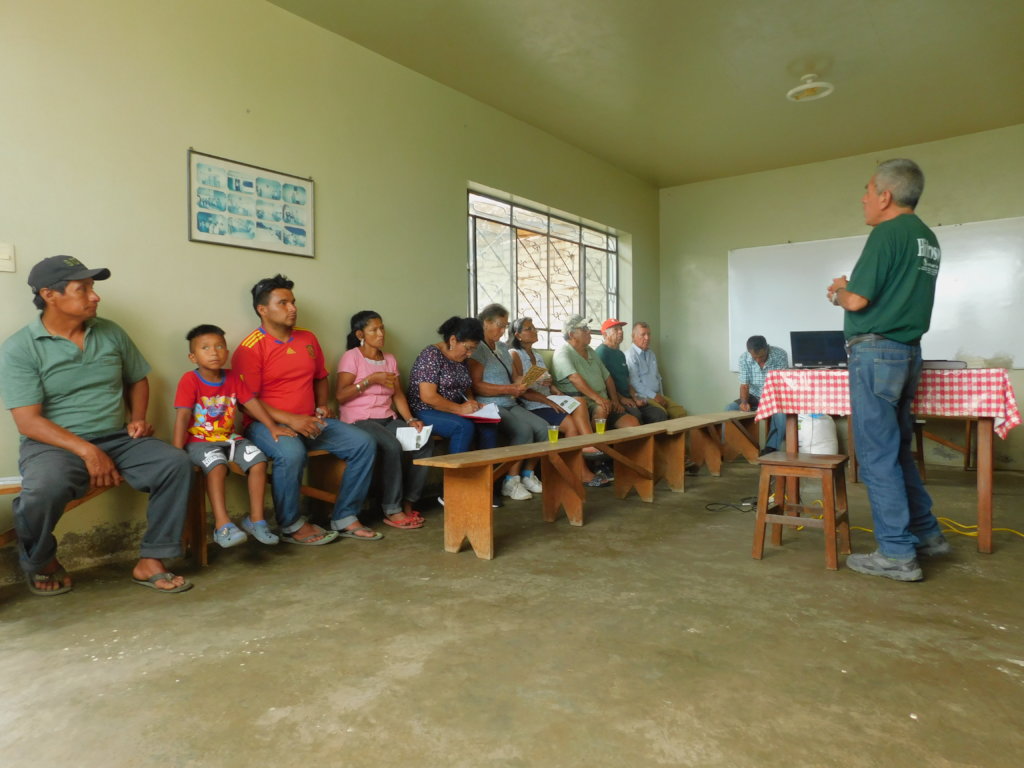
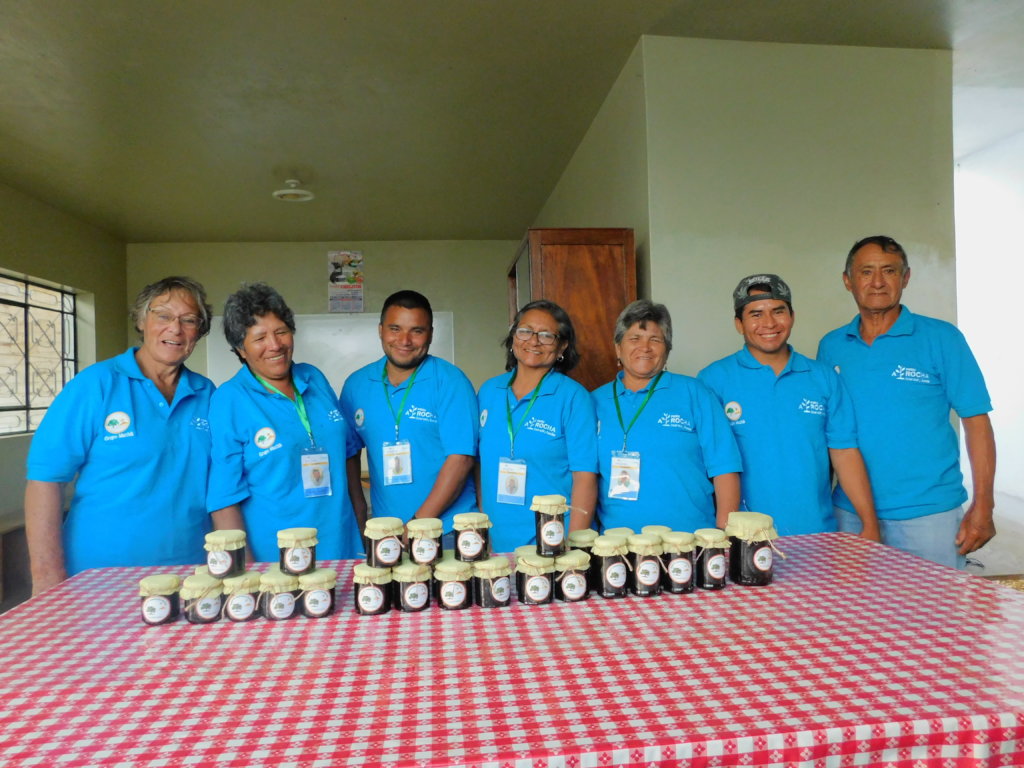
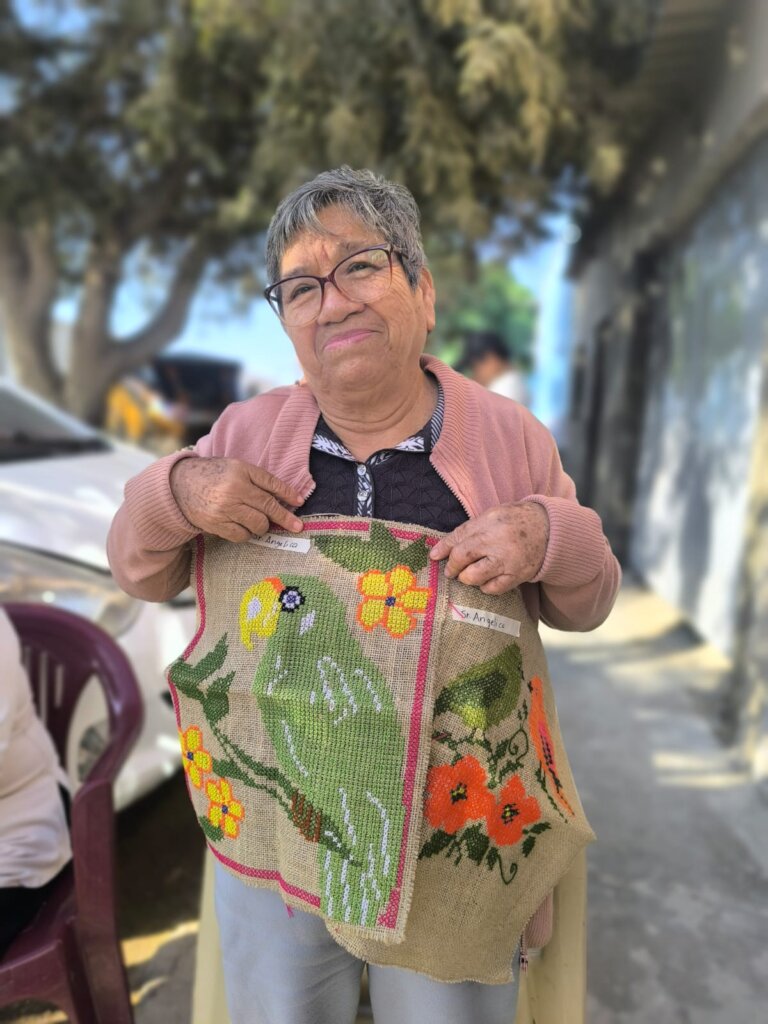
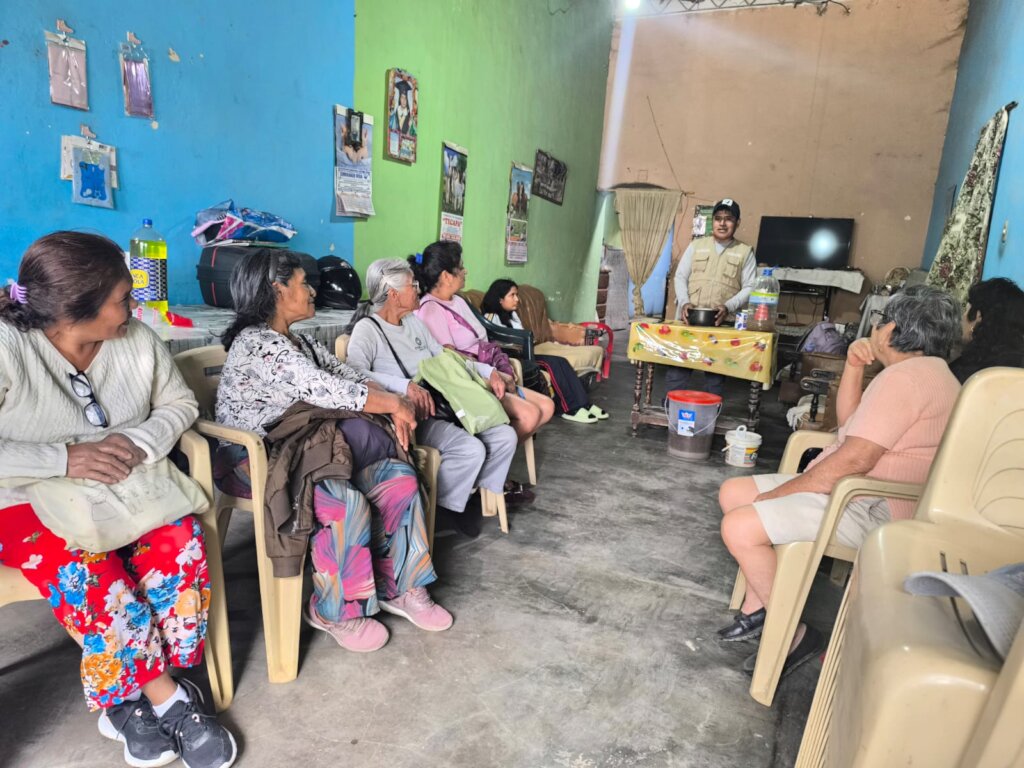
Furthermore, we started our workshop sessions on agroecological farming methods and capacity building for artisan women on textile handicrafts and initiated the project´s climate change risk analysis.
The goal of the agroecological farming workshops is to show smallholder farmers in the project region alternative ways to fertilise their crops and control pests and diseases, without relying on chemical fertilisers and pesticides. This in order to reduce the negative impact farming methods have on biodiversity, soil and water pollution and ultimately climate change. During the interactive sessions, the participants were taught to make and apply organic fertilisers based on easily accessible wood ash and egg shells, very rich in nutrients like Potassium and Calcium and ideal to fertilise potatoes, one of Peru´s staple crops. Furthermore, these organic soil amendments improve soil structure and overall fertility in the poor sandy soils of the Dry Forest area.
Next to the fertilisers, the participants learned how to make, apply and store their own organic pesticides and fungicides, based on garlic, milk and cinnamon powder. These ingredients have properties that repel and potentially kill off unwanted pests and help to prevent fungal diseases, but don’t have any negative effects on the environment.
The locally known artist Karina Garcia, who is specialised in pre-hispanic styles of tapestry, shared with a group of female artisans her experiences with artwork and guided the participants in developing their own designs based on the biodiversity they find in the dry forest ecosystem and cultural elements of their surroundings. The artisans were invited to share and exchange ideas, in order to enrich their learnings as a group.
Furthermore, we started the climate change risk analysis by gathering information through participative workshops with relevant community organisations of the area and by having community members fill out questionaries. The goal of this analysis is to identify major climate-related threats for the Dry Forest ecosystem and locally important livelihood activities, including agriculture and livestock herding. For the coming months, we’ll be assisted by an intern from the Dutch University of Applied Sciences Van Hall-Larenstein and a volunteer graduated from ETH Federal Institute of Technology in Switzerland. They will help us perform the climate change risk analysis.
Want know more about our work, become a volunteer, or assist us in any other way? Don’t hesitate to contact us at tim.bos@arocha.org.
Dry Forest greetings to you all!
Project reports on GlobalGiving are posted directly to globalgiving.org by Project Leaders as they are completed, generally every 3-4 months. To protect the integrity of these documents, GlobalGiving does not alter them; therefore you may find some language or formatting issues.
If you donate to this project or have donated to this project, you can receive an email when this project posts a report. You can also subscribe for reports without donating.



Support this important cause by creating a personalized fundraising page.
Start a Fundraiser