By Cheetah Conservation Fund | CCF Staff
In 1994, Cheetah Conservation Fund (CCF) began its Livestock
Guarding Dog (LGD) program with four dogs. Twenty-five years later,
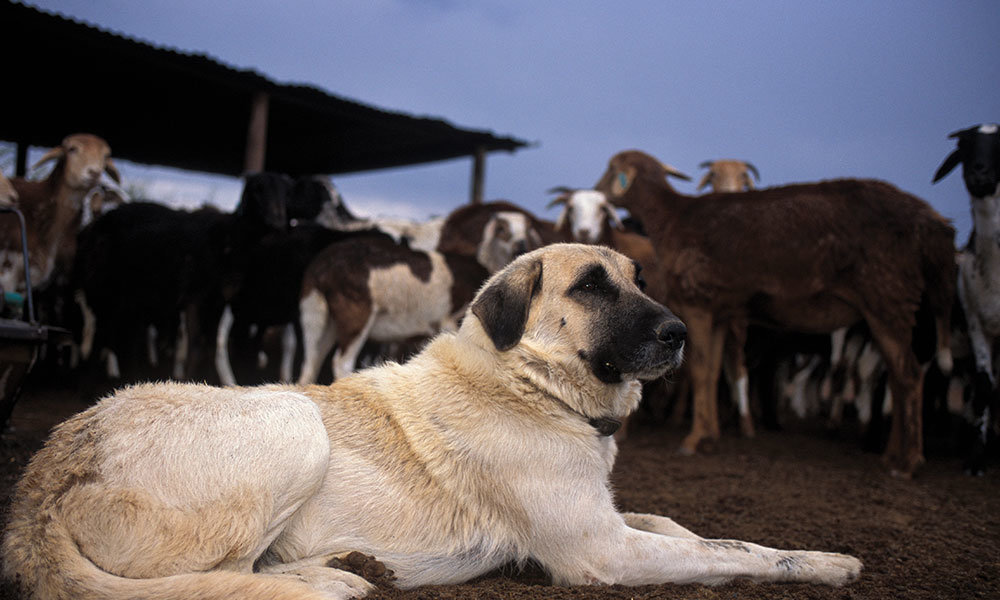
CCF’s Livestock Guarding Dogs are considered the Namibian farmer’s best
tool for reducing livestock losses to predation. What started as a research
project to help protect farmer’ s livestock from cheetah and other predators,
today our program has grown, where we have bred and placed nearly 700
dogs and show how they work on our Model Farm.
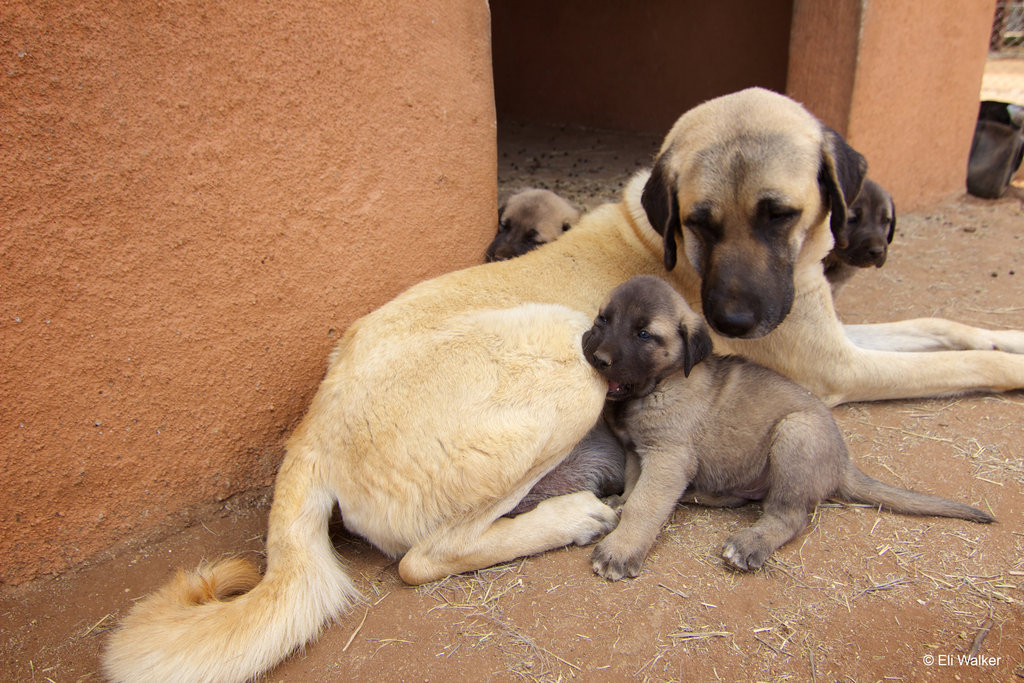
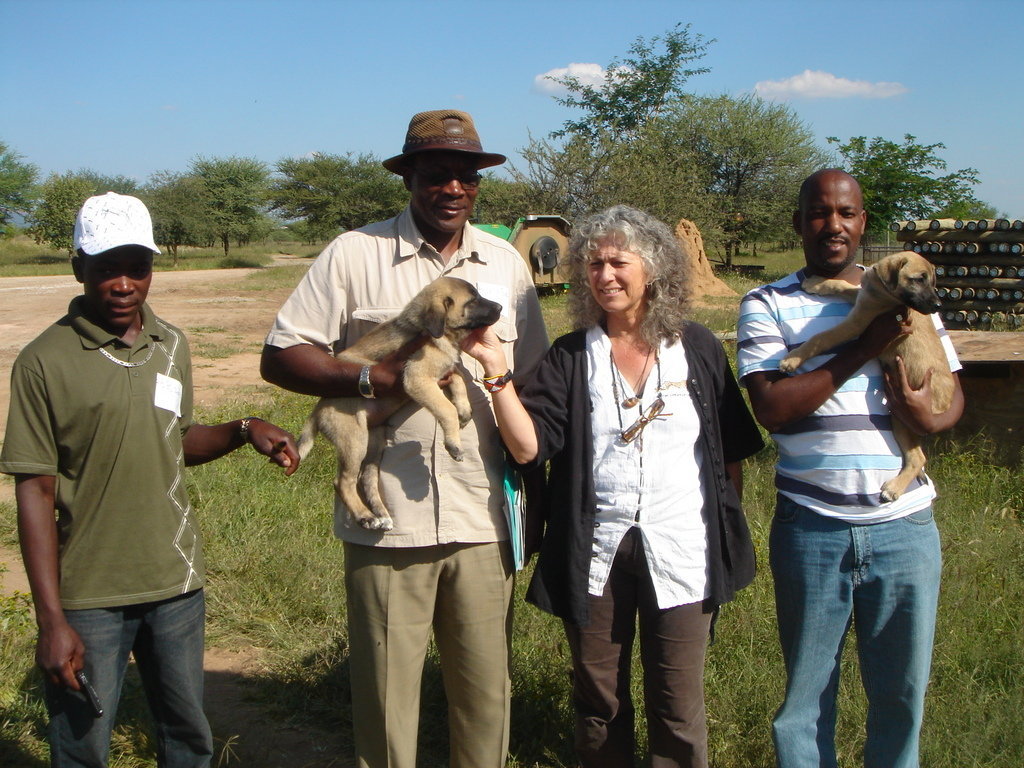
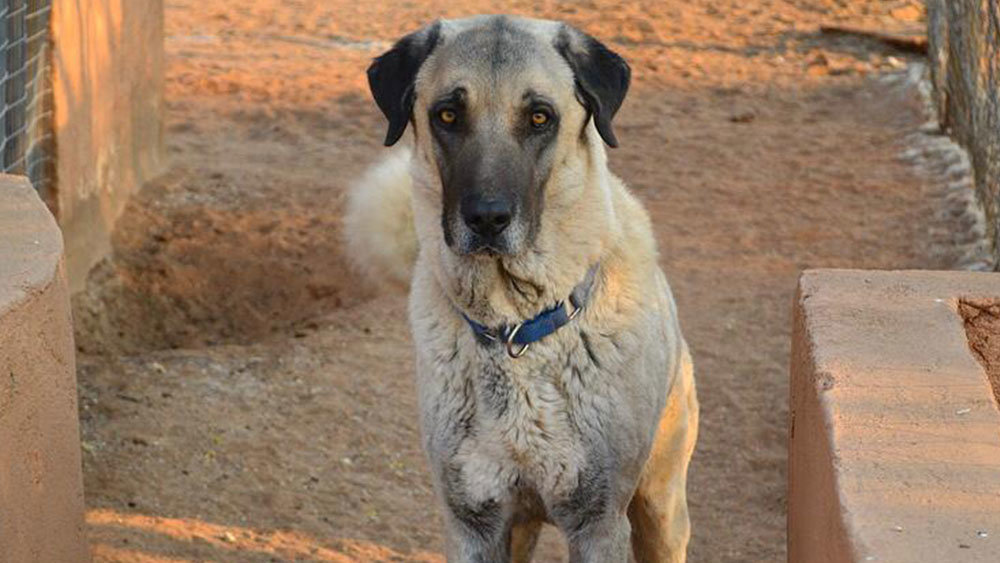
Over the past two-and-a-half decades, CCF has bred nearly 700 Anatolian
and Kangal LGD puppies to place with smallstock farmers to help protect
their goats and sheep from predators, with the generous support of donors
and partner institutions.
In Namibia, farmers with CCF dogs report a drop in predation losses
ranging between 70 to 100 percent. For communal subsistence farmers,
even the loss of one animal can be financially devastating, so having a CCF
LGD can be like having an insurance policy. Due to their popularity in Namibia,
there is a one-to-two year waiting list for those who wish to get a puppy.
CCF LGDs would not be as successful without the CCF staff who work
hands-on with the dogs. The person who deserves much of this credit and
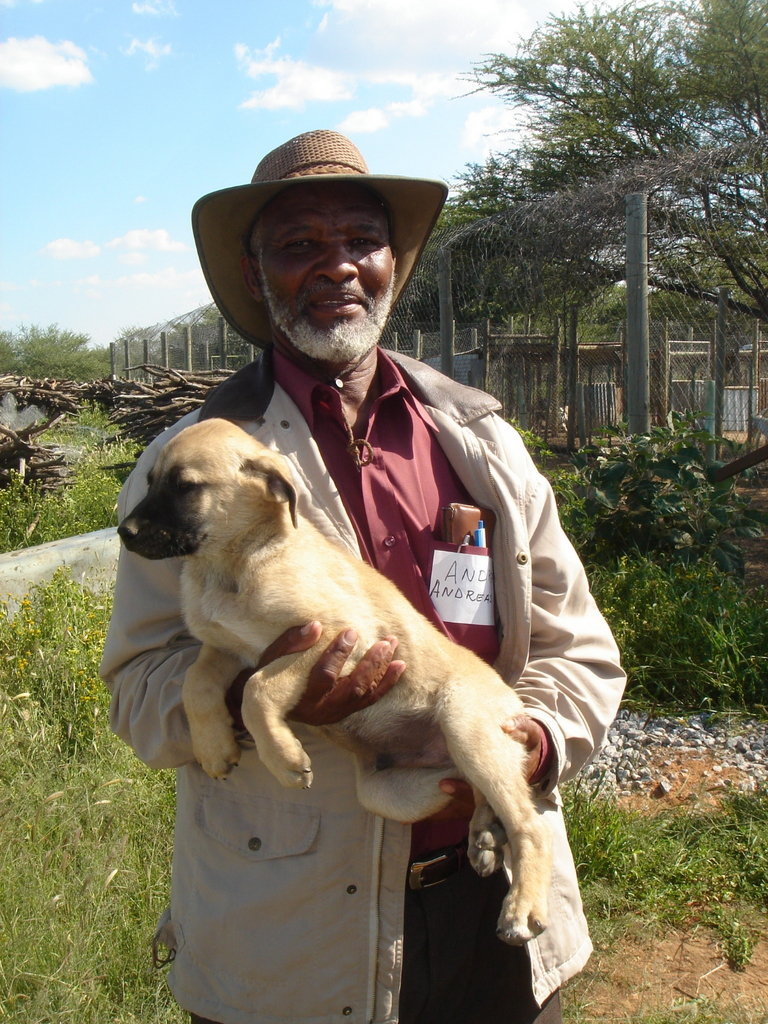
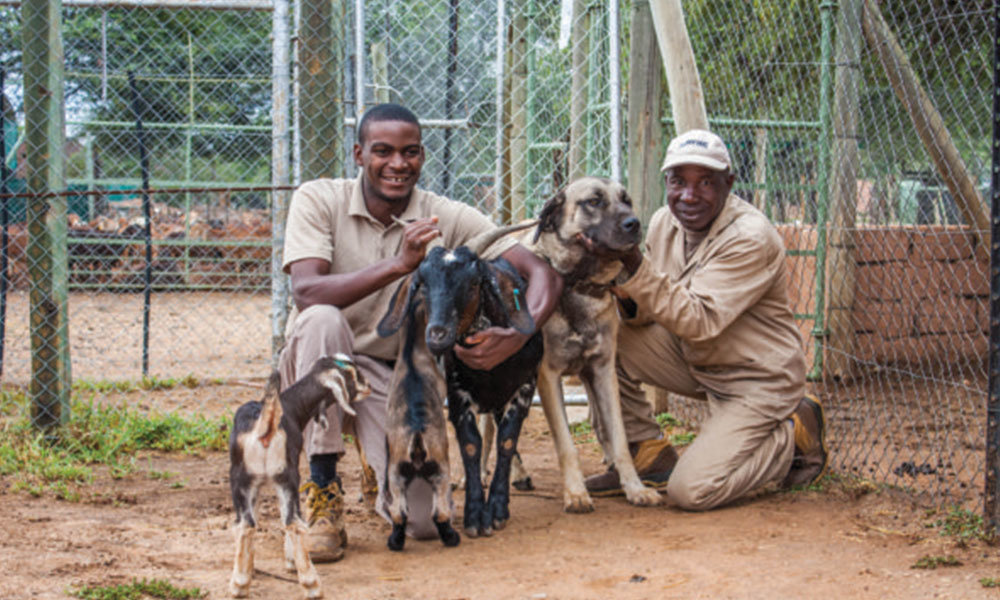
gratitude is Armas Shaanika. Armas joined CCF’s staff as a herder in 2001,
although previous to working at CCF, he was the header caring for one of
the 1st dogs in the program and he has raised almost all of CCF’s LGDs
since. Although he only speaks Oshiwambo, he has such a way with the
dogs that around CCF, Armas is known as the ‘Livestock Guarding Dog
Whisperer.’
Armas works with our puppies before homing them. He also works with
CCF’s adult dogs that go out with our herds each day. Sometimes we need
to rehome one of the working dogs, and he often works with them with his
herd of goats at CCF’s farm Boskop, where he lives.
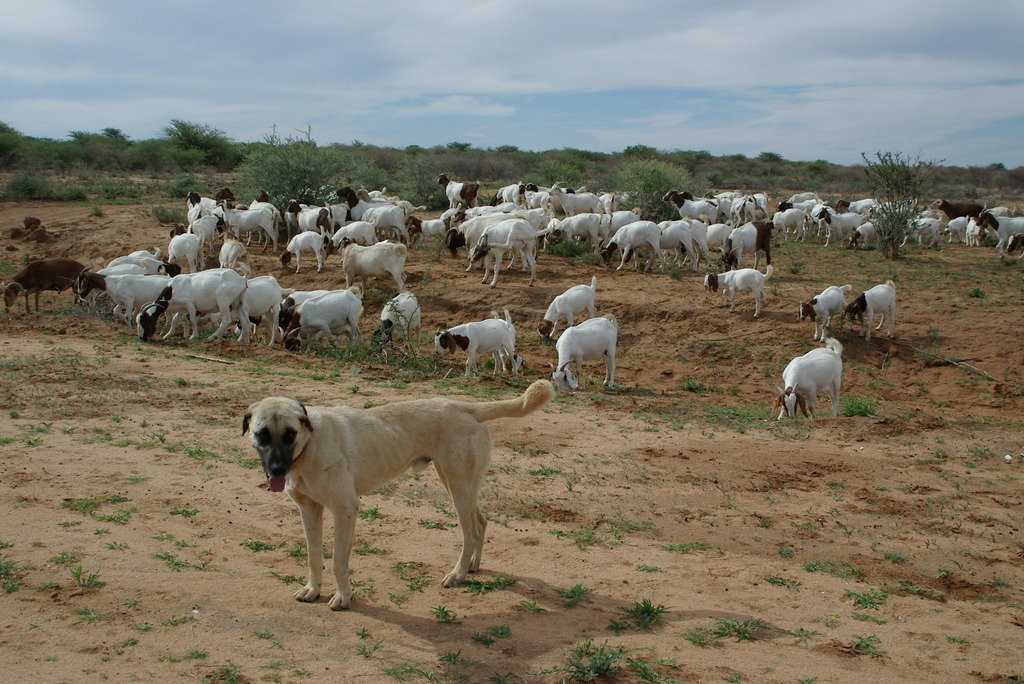
CCF maintains herds of Boer goats, Damara sheep and Saanen dairy goats
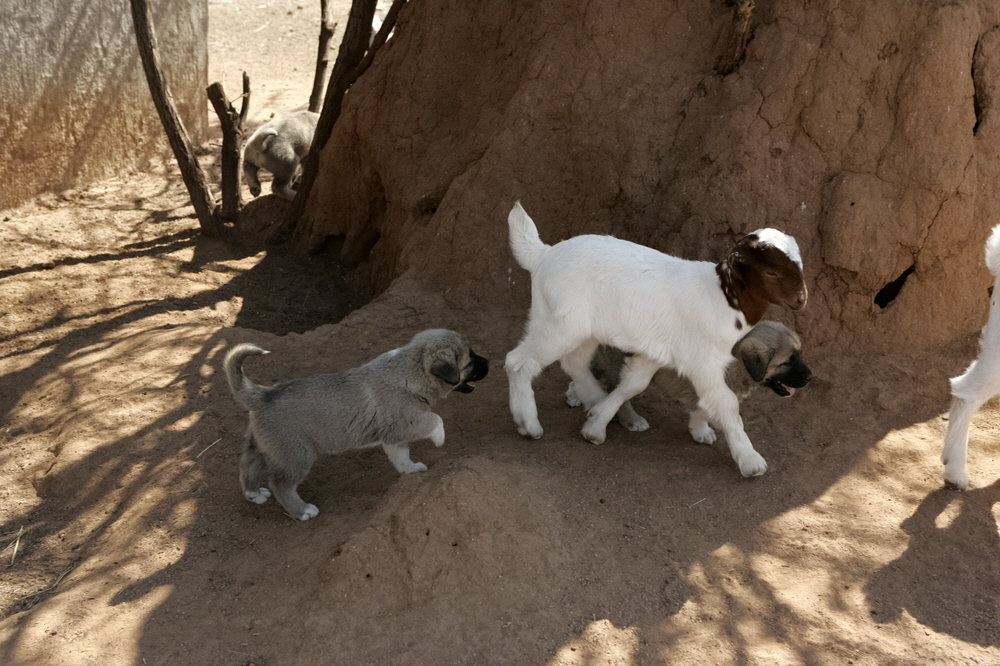
that total just over 300 animals. The puppies are raised with the small stock,
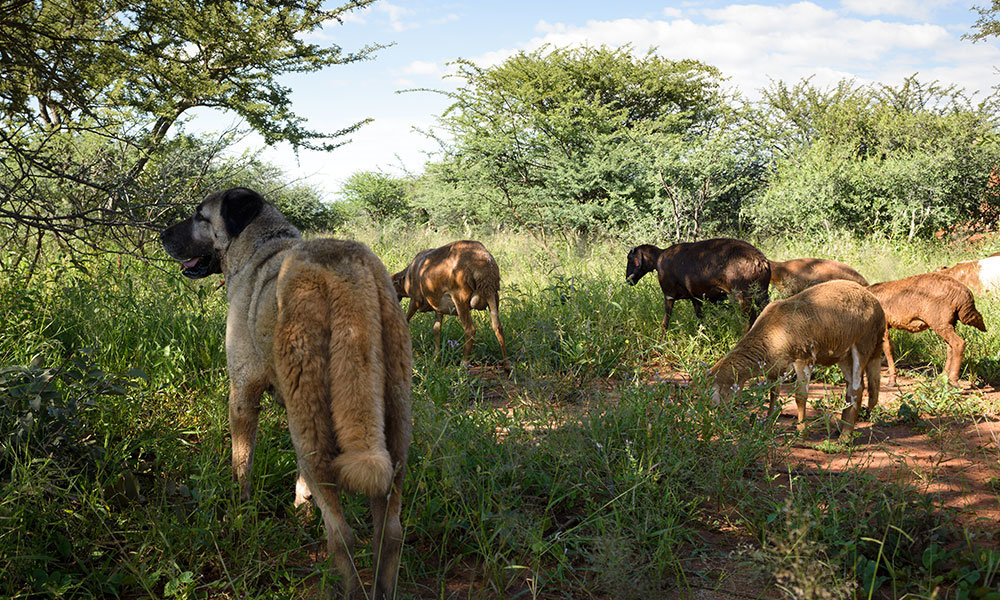
and as part of LGD training, Armas brings them out to the bush with goat
herds during the day. He evaluates young dogs on field work, and he assesses whether rehomed dogs
are ready to go back to work. Armas’ current favorite dog is an Anatolian shepherd named Silver (like
our anniversary!), one he favors because she is energetic, alert and listens to his commands.
Without Armas, we would not have realized the full potential of our
work, nor would we be celebrating the success our program has become today. Thanks to Armas, and
our other dedicated staff and volunteers, CCF Livestock Guarding Dogs are the Namibian farmer’s
best employee and CCF’s most vital, ‘paws on the ground’ partner in cheetah conservation.
LITTLE KNOWN CCF LIVESTOCK GUARDING DOG FACT:
Guard dogs are presumed to be the most effective when they are closest to the herd they are
protecting. For this reason, LGD puppies are introduced at a very young age so that they learn to
associate the herd as their own pack and subsequently remain close and protective.
Links:
Project reports on GlobalGiving are posted directly to globalgiving.org by Project Leaders as they are completed, generally every 3-4 months. To protect the integrity of these documents, GlobalGiving does not alter them; therefore you may find some language or formatting issues.
If you donate to this project or have donated to this project, you can receive an email when this project posts a report. You can also subscribe for reports without donating.



Support this important cause by creating a personalized fundraising page.
Start a Fundraiser