By Molly Stock | Clinic Intern
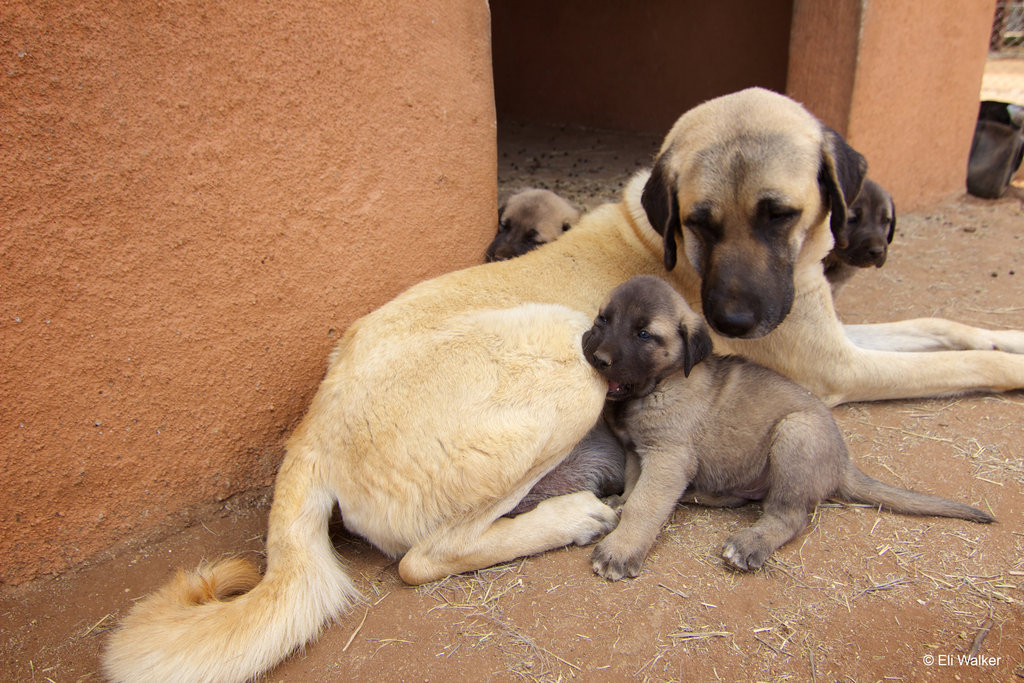
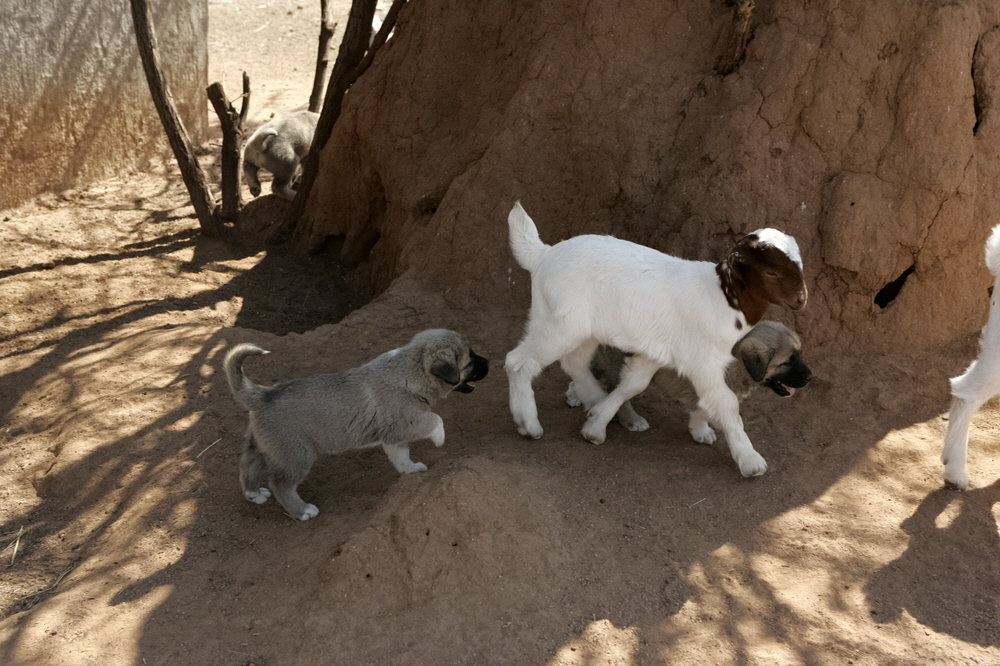
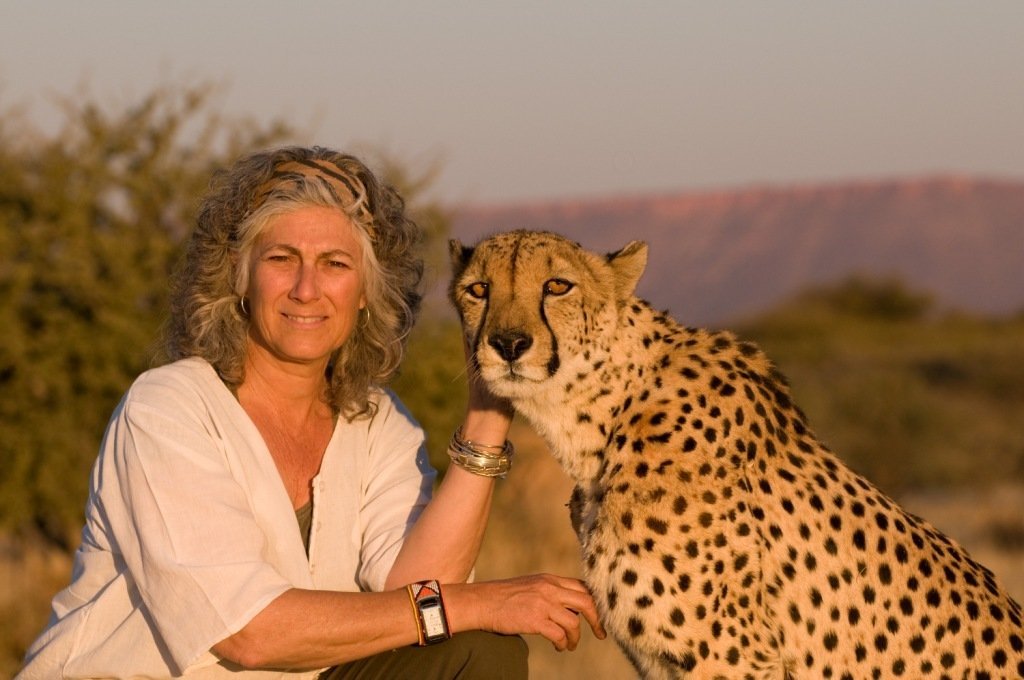
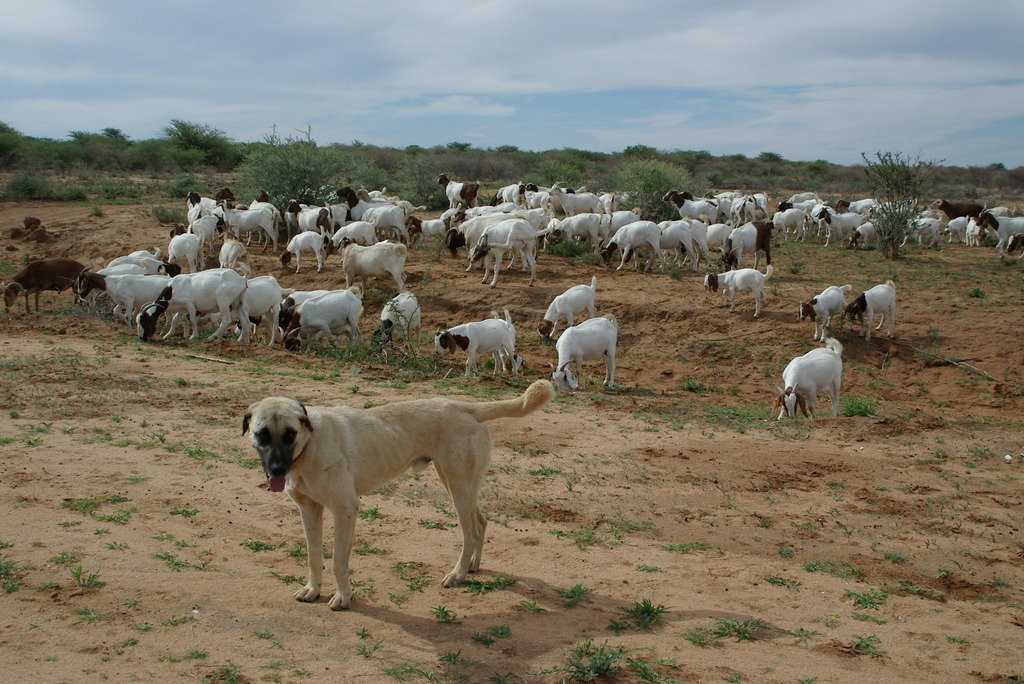
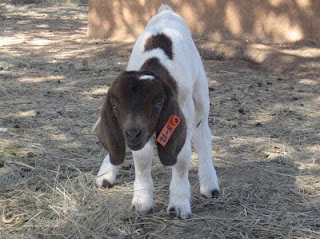
Boer goats were developed in South Africa in the early 1900’s for meat production and were therefore the logical choice of breed for this model Namibian farm. CCF’s model farm exemplifies the predator-friendly livestock management techniques of establishing calving seasons, using calving kraals, having herders, and using dogs as livestock guardians, to name a few. The success of the model farm demonstrates that wild cheetah can continue to live on Namibian farmland without hindering the farmers’ way of life or harming their livelihood. CCF is encouraged that there is now far greater awareness of the cheetah's role in the ecosystem, and an increasing number of farmers adopt predator-friendly livestock management practices and fewer cheetahs are being killed. While these new lives have started without ceremony or drama, as is the natural way, their healthy birth and their symbolic role in the Cheetah Conservation Fund is concomitantly a celebration of the prosperous future of the wild cheetah.
Links:
Project reports on GlobalGiving are posted directly to globalgiving.org by Project Leaders as they are completed, generally every 3-4 months. To protect the integrity of these documents, GlobalGiving does not alter them; therefore you may find some language or formatting issues.
If you donate to this project or have donated to this project, you can receive an email when this project posts a report. You can also subscribe for reports without donating.



Support this important cause by creating a personalized fundraising page.
Start a Fundraiser