![Collecting and transporting water hyacinth]()
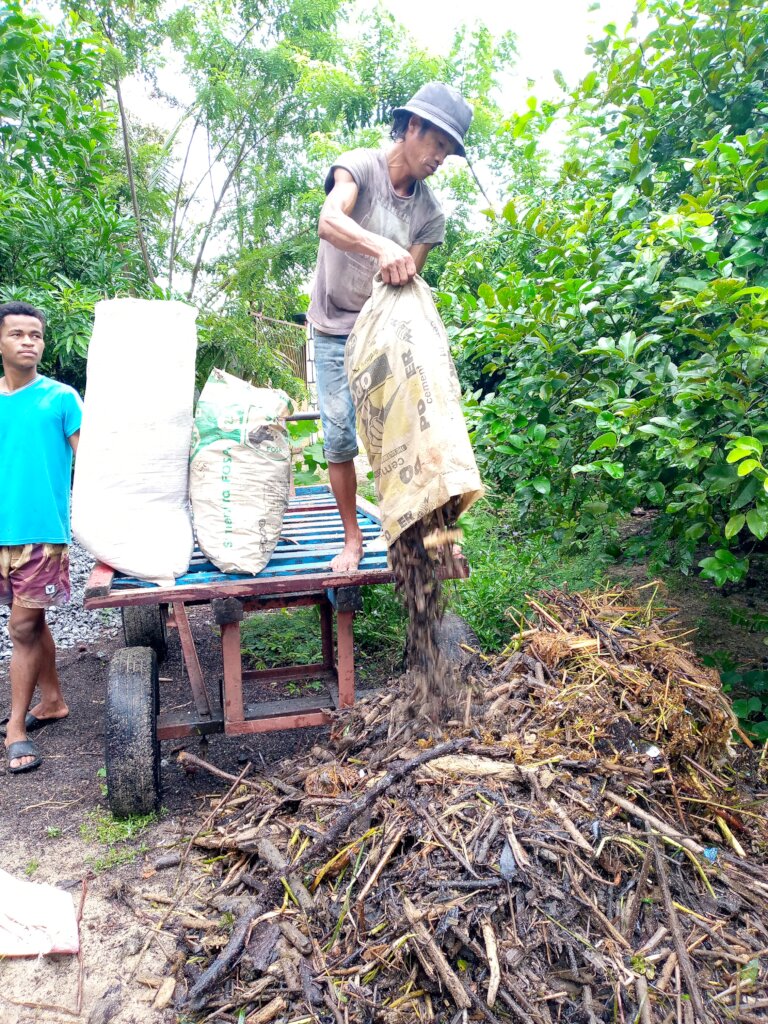
Collecting and transporting water hyacinth
GLOBAL GIVING REPORT: Farmer’s activities to support the SEPALIM Madagascar artisan workshop
April 2024
Dear Donors
SEPALIM Madagascar team is glad to report you about our latest progress regarding to our effort on the Conservation and forest restoration effort in the Border of the Makira Protected Area.
I would like to let you know that since 2019, SEPALIM Madagascar has used our extra time to start experimenting about finding out an alternative way to avoid the using of firewood as well as wood charcoal among our processing chain between the raw materials into a finished product.
Several experiments as well as trials have been done by the SEPALIM team members with a kindly support from our farmers regarding the “biochar conception to mitigate the needs of firewood”.
In this report, I will tell you every step done by SEPALIM Madagascar and farmers to set up a new strategy to boil a water and dye the raw materials using our affordable possibility to make biochar.
Due to the funding support that SEPALIM Madagascar received, we are still able to continue our conservation effort, make a progress and then expand our program to such new project.
During this year, I wish that you are still interested to support our Program in the Northeastern Madagascar.
Sincerely
Mamy Ratsimbazafy
SEPALIM Madagascar Director
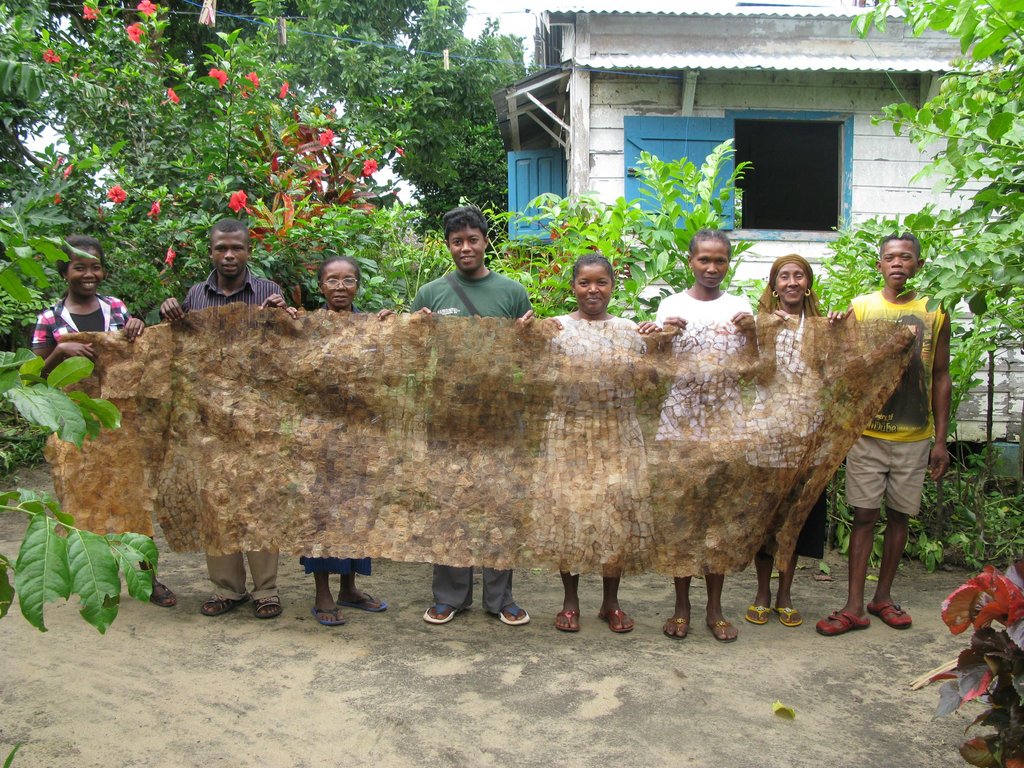
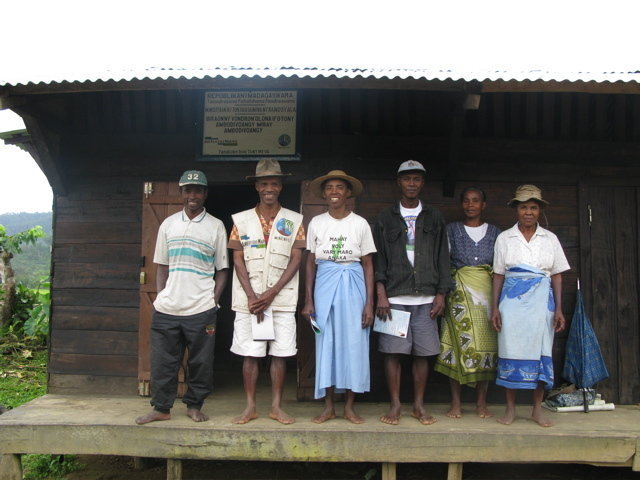
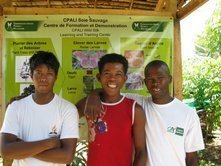
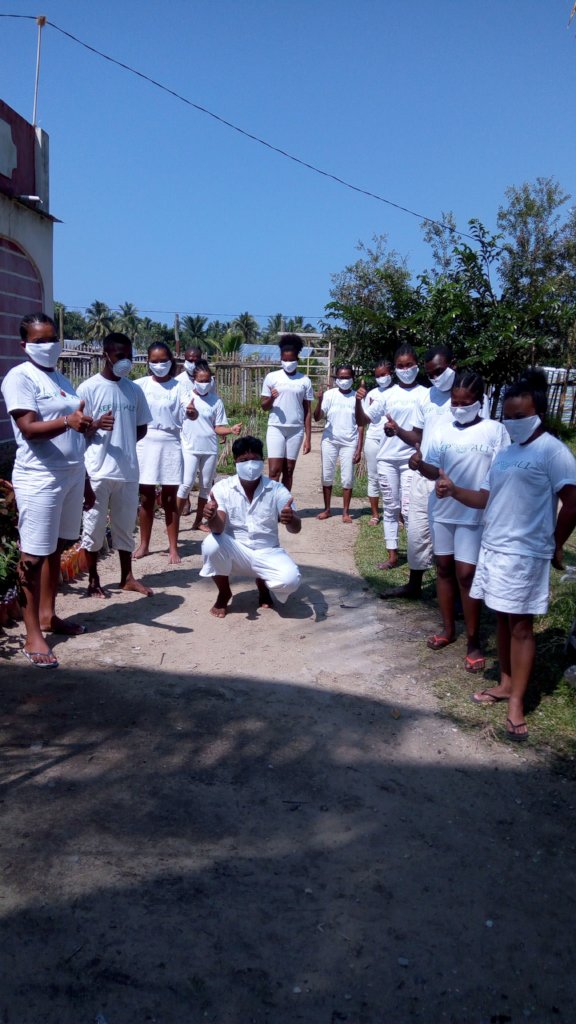
Picture1: Group picture of the SEPALIMM Team 2024
1- Making a biochar to reduce our needs of fire wood:
The goal of using an alternative way to boil a water as well as dyeing our silk textile has been set since a longtime.
SEPALIM realize that the dyeing process as well as the washing of the textile produced by our artisans needs a huge bunch of wood every day. Therefore, SEPALIMM Madagascar has realized that each household in the local communities must spend at least 1 USD per day to buy firewood for cooking foods.
Before, SEPALIMM had to spend 6USD per day to buy firewood for the dyeing as well as textile washing. This cost brought our pricing significantly up and has effect on the marketability of our finished products.
As an environmental program, SEPALIMM realize that we must reduce or even substitute our needs of firewood and then help our farmers to also reduce their needs of firewood and charcoal to mitigate the deforestation.
After a couple years of research and trials, SEPALIMM has been able to make an affordable way to produce biochar using a water hyacinth as well as waste of vegetables. Since its creation in 2022, the biochar made up with water hyacinth and waste has reduce considerably our fire wood consumption during the process of our activities.
1-1-Collect and transportation of the water hyacinth and waste to the SEPALIMM site:
SEPALIM team collect our water hyacinth from the river and then transport them to our site by rickshaw or by cart. We are collecting several species of aquatic plants but the water hyacinth is abundantly available.
The transportation is always expensive as well as complicated in Maroantsetra because everything must be transported along the river first and then by car or by cart to the SEPALIM site.
Instead of car transportation, it is cheaper to rent a cart and then pay two men to transport the materials needed for the biochar to the SEPALIM site.
Picture2: Transportation of the vegetable waste and water hyacinth to the SEPALIM site
1-2- Drying process of the water hyacinth and other plant:
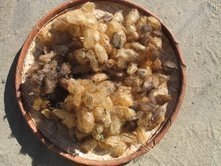
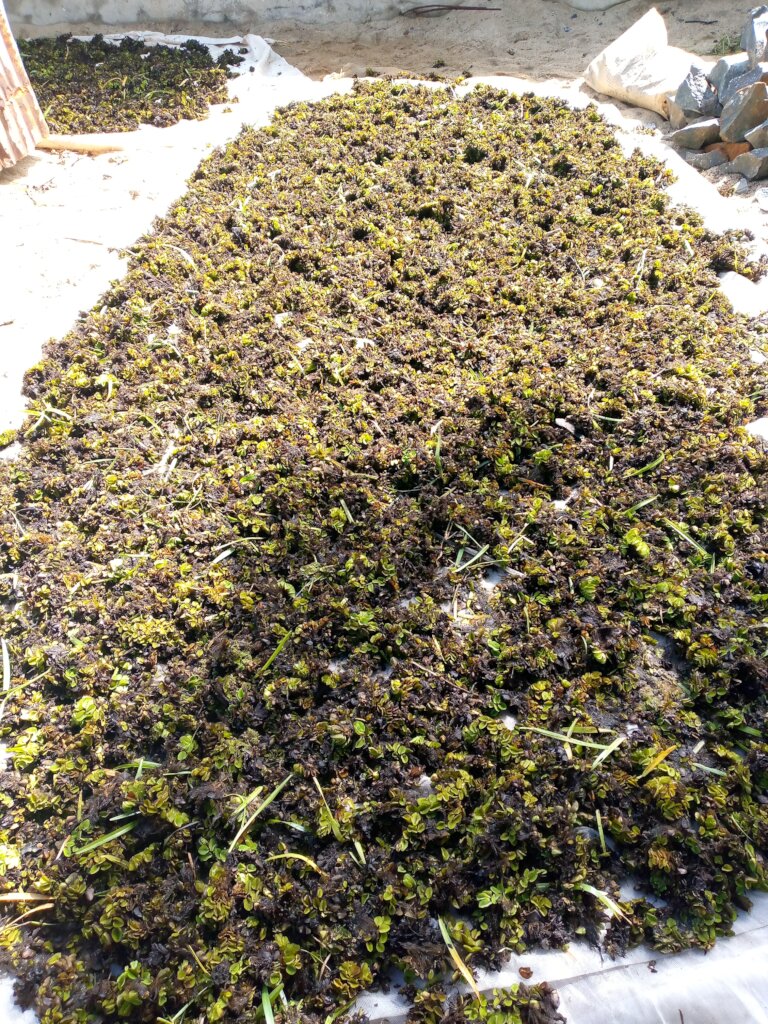
The weather in Maroantsetra is often rainy so the drying of the materials for the biochar may take several weeks. When the leaves are dried, we store them in plastic bags until we gather enough to make biochar.
Picture3: Drying the water hyacinth and plant materials
1-3- Mixing of the raw materials for the biochar:
SEPALIM mixed the different species of plants as well as different materials from the vegetable waste with mud that works as a glue.
After mixing the different materials, we press them into a tube that can be adjusted in the stove that SEPALIM is building for our biochar. After pressing, we can see the different layers of the biochar depending to its composition.
Picture4: Biochar pressed and dried ready to use.
2- Biochar cooking stove conception:
In parallel of making the biochar, SEPALIM must design a stove that is adapted to the biochar.
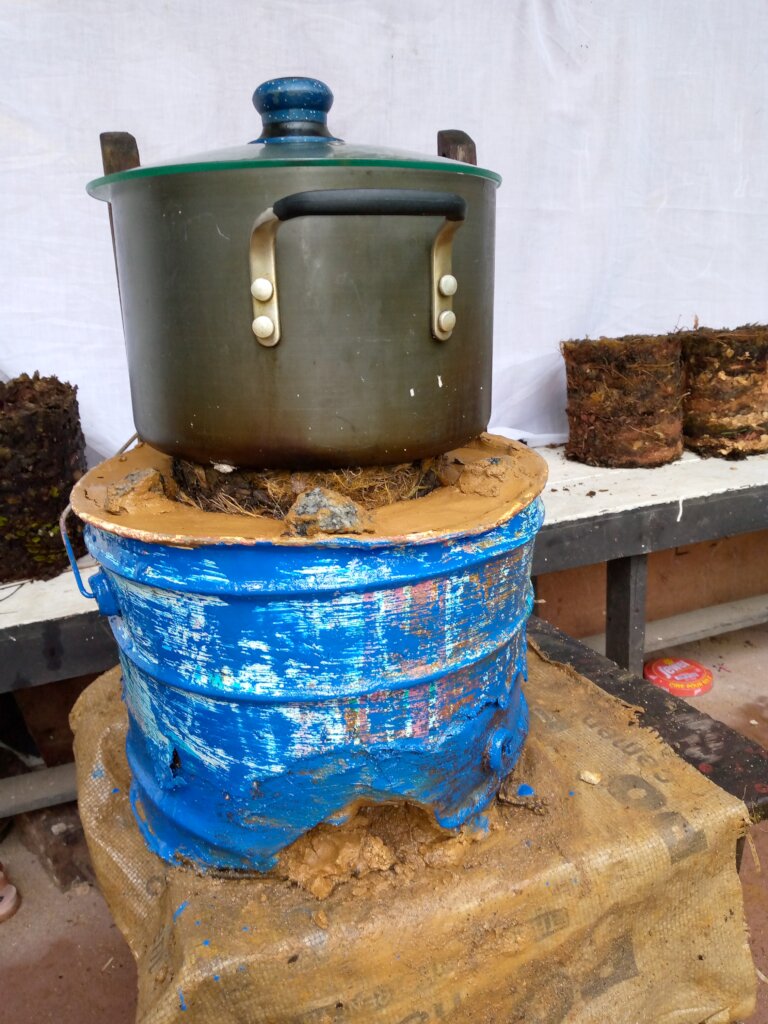
Therefore, we have created our own biochar stove using a waste of iron container for paint and clay.
The skill and talent of the team is needed to make the clay well-adjusted with the dimension of the biochar.
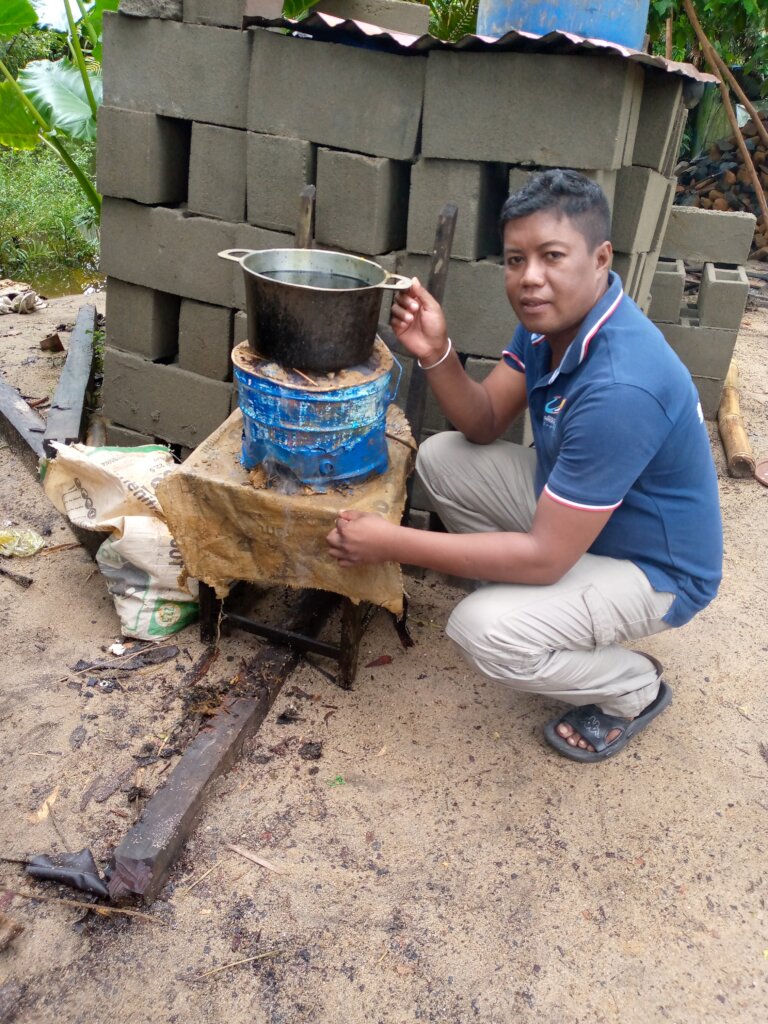
After a longtime using the biochar, we have noticed that SEPALIM spends two biochar per day to boil 60 liters of water for your dyeing process as well as textile washing.
Picture 5: Biochar stove ready to use for cooking.
Picture 6: Biochar stove boiling a water.
3- The next step:
For the next step, SEPALIM Madagascar aims to boost our biochar needs for every year by hiring more employee to produce the biochar for us as well as making more stove. Currently, the biochar produced by the SEPALIM team substitute 60% of the SEPALIM needs of firewood.
In addition to that, SEPALIM will share the good results of our work about the biochar conception to our farmers and support them to use biochar.
There is a high possibility to expand our biochar project to more villages around the Makira protected area because all the raw materials that SEPALIM Madagascar used to make the biochar are abundant and available everywhere.
The advantage of using the SEPALIM biochar in the local communities is that the farmers do not need to cut tree for fire wood anymore. The biochar can be stocked for several years and easy to transport.
The next step of our research is to design a sort of smoke conduction to protect the health problem due to the smoke even though the smoke out of the biochar is less than the smoke from fire wood stove.
![Drying water hyacinth]()
Drying water hyacinth
![Biochar stove ready to use]()
Biochar stove ready to use
![Boiling water with biochar stove]()
Boiling water with biochar stove
Links:
![Share on Twitter]()
![Share on Facebook]()