By Rachel Kramer | CPALI Executive Director
Converting invasive plants into a nature-positive local fuel source
Overview
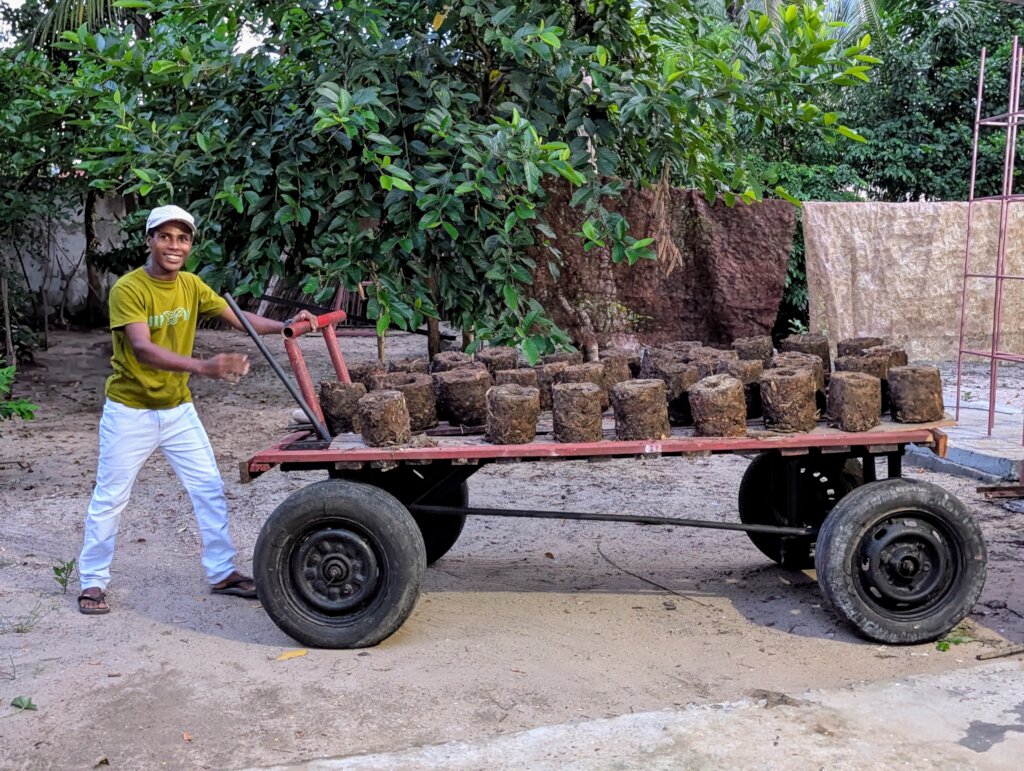
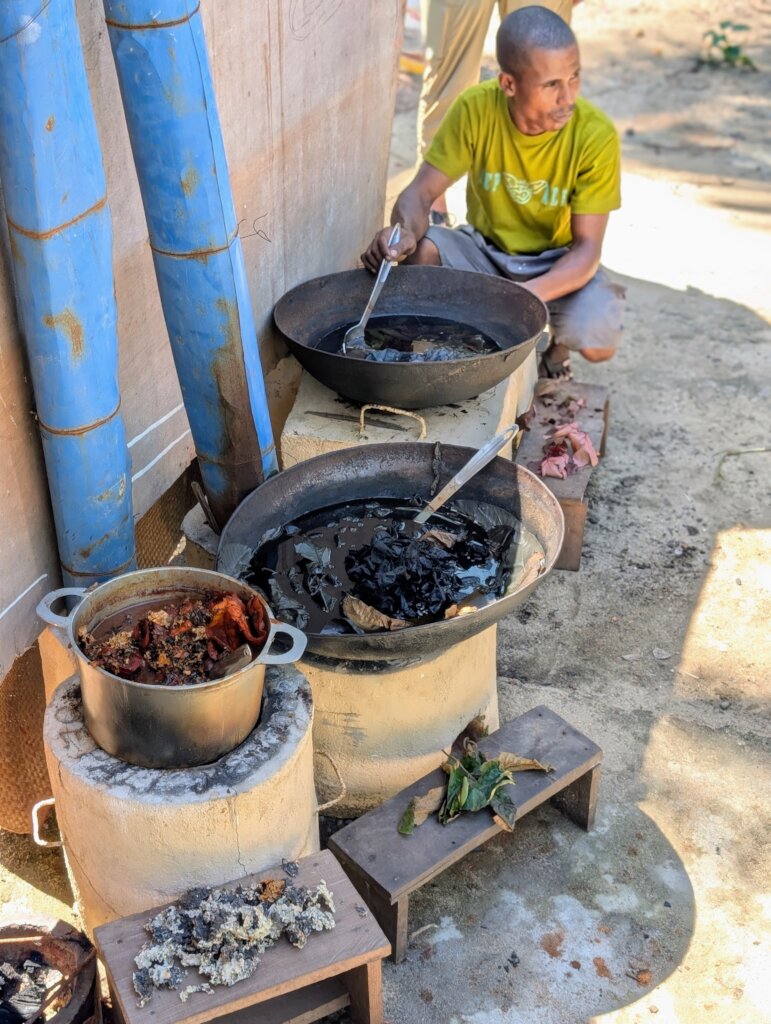
Over the past year, the SEPALI Madagascar agroforestry and biochar team has refined the design of special fuel "bricks" made from invasive water hyacinth combined with local seeds and cemented with banana glue. The team-developed biochar bricks are now powering specially-designed cookers to reduce charcoal and firewood consumption for dye baths at our wild silk and raffia artisans workshop in northeastern Madagascar. Next steps are working with local farmers to produce a year's supply of biochar bricks and testing new cookers that run on invasives in home environments to evaluate their potential to scale to new users.
Problem plant to fuel solution
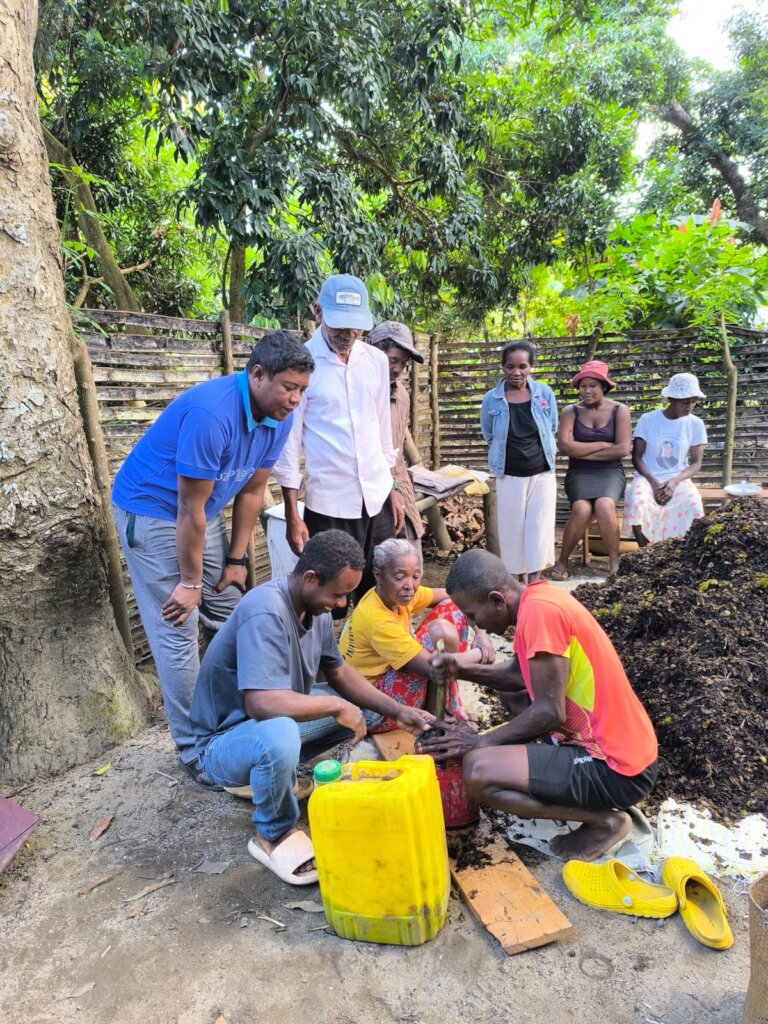
Invasive water hyacinth (Pontederia crassipes) is a big problem this season in northeastern Madagascar. The non-native plant clogs rice paddies and chokes local waterways. Converting it to fuel takes effort and know-how, but it could be an important win-win for people and nature. The SEPALI Madagascar agroforestry and biochar team has worked to hone a biochar brick design that replaces forest-depleting charcoal and firewood with invasive plants and locally available inputs. One person can produce an estimated 20 biochar bricks per day.
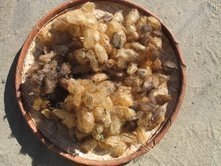
The team's new bricks are made from water hyacinth combined with local seeds and sealed with banana glue. They're designed to fit inside the specially crafted stoves in our artisans' workshop. An estimated 1,500 biochar bricks will be needed per year to power the workshop's dye baths, which consume approximately 4 biochar bricks per day.
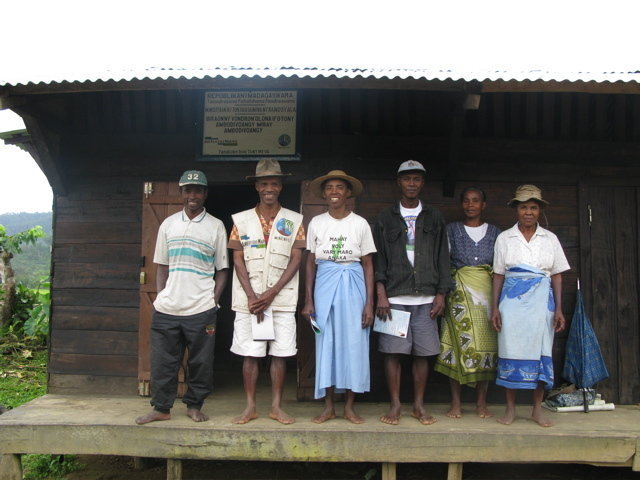
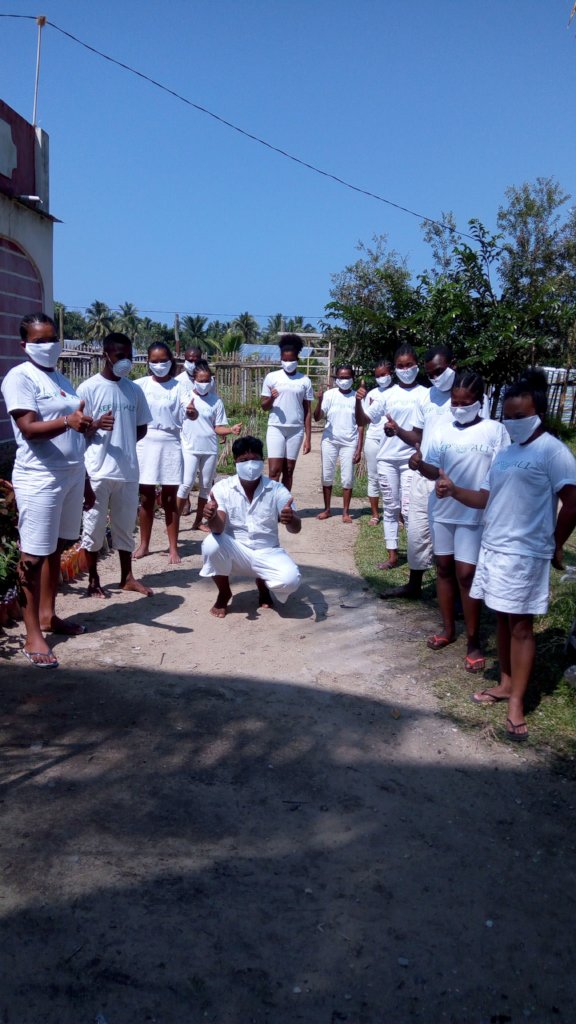
SEPALI Madagascar Director Mamy Ratsimbazafy and the biochar team are now training community leaders in brick production to scale the availability of this new fuel source. Scaling uptake beyond our artisans workshop's needs will depend on fluctuating prices of charcoal and firewood, and the cost of labor to produce the bricks versus participation in other local economic pursuits such as rice paddy work, vanilla, and clove production.
Moving from pilot to seed program
Over the coming months, a pilot set of stoves that run on the invasive plant biochar bricks will be tested by a handful of individuals in home settings for daily meal preparation. We'll survey those users' experience before scaling further in 2026. "In 2024, we iterated 6 cookers. In 2025, we will construct 21," says Mamy Ratsimbazafy. With further support, the team hopes to scale uptake in 2026.
Our gratitude to all who support this exciting initiative.
Links:
Project reports on GlobalGiving are posted directly to globalgiving.org by Project Leaders as they are completed, generally every 3-4 months. To protect the integrity of these documents, GlobalGiving does not alter them; therefore you may find some language or formatting issues.
If you donate to this project or have donated to this project, you can receive an email when this project posts a report. You can also subscribe for reports without donating.



Support this important cause by creating a personalized fundraising page.
Start a Fundraiser