By Catherine Craig | President, CPALI
It is Sunday night and I have only 3 more days in Madagascar. I am in the capital, Antananarivo and I never enjoy the city as much as being in the field – any field. But it has been a useful week as I have had a chance to discuss the CPALI program with colleagues here. CPALI is trying to accomplish a different kind of conservation program than has been tried in the past. In the 90’s there was an effort to introduce various small-scale enterprise programs in developing countries in support of conservation. Unfortunately more than 90% of the programs failed and even among those that did not, none that I know of developed robust markets for the products that were being introduced. Unfortunately, the general public and especially the conservation groups, have not fully analyzed why these programs failed. In my opinion, the direct cause of those failures was that the individuals implementing the programs did not develop sustainable markets and an infra-structure to support them.
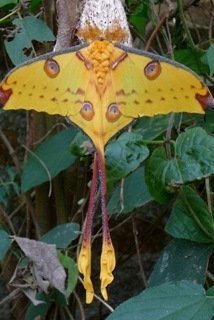
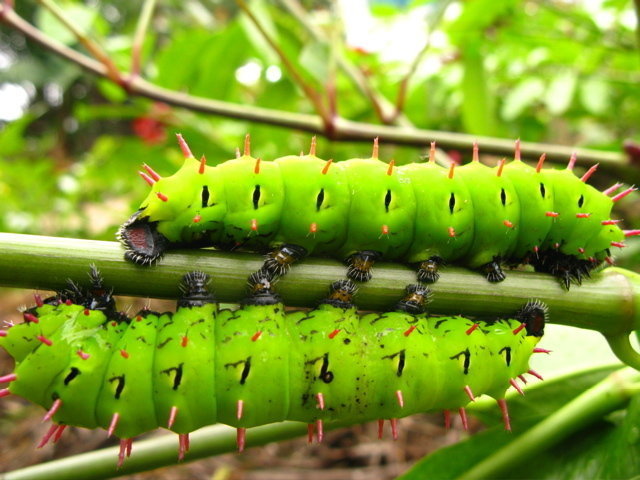
CPALI has been working to develop a market for wild silk since before we even began our fieldwork. Despite our efforts and an innovative marketing plan, and the fact that we have identified some buyers, we are not there yet. If we are to realize our dream of establishing a robust, Malagasy, conservation enterprise that can support Madagascar’s unique biological habitats, we will need to work closely with other conservation organizations to do so. The enterprise requires geographic and economic scale to be profitable and to be effective in saving the fragile habitats we have targeted. Achieving that scale requires a unified effort across the island. We hope that other groups will replicate our program and will work together to continue to build the markets that we have started to identify. My conversations with others during the past week have focused on updating the conservation and development community about just those issues.
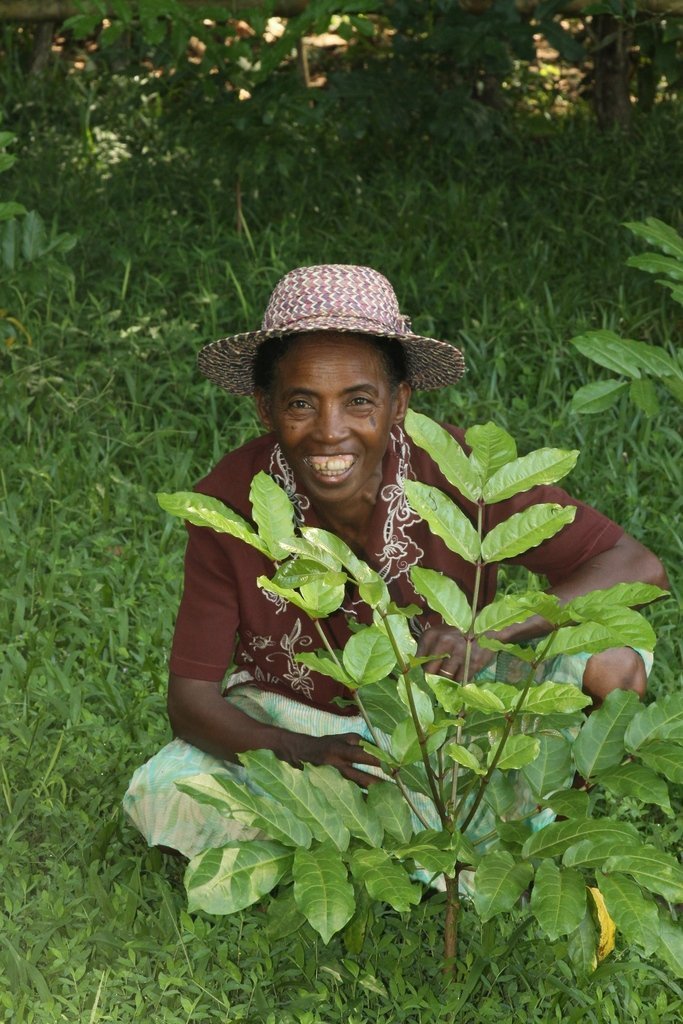
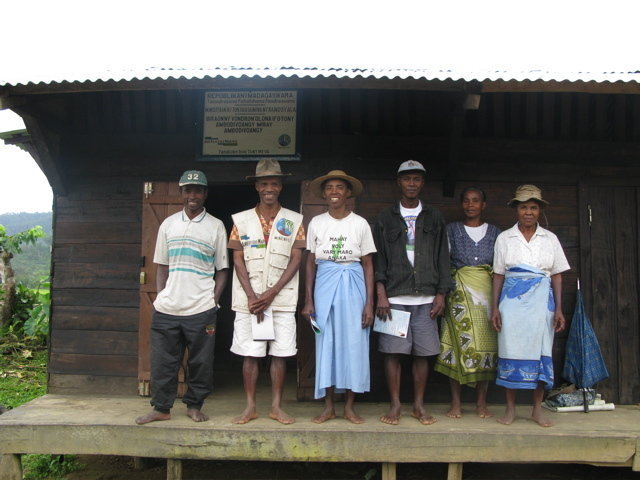
When I return to the States I will continue to advocate this approach and prepare for my return to Madagascar, currently scheduled to coincide with the Spring harvest of the second crop of cocoons. Mamy Ratsimbazafy, our project manager, has participated in all of the conversations this past week and I am very glad to have his continued supervision of the project in the coming months. He believes that he can enlist 20 more farmers by the end of the year, bringing our total to about 50 (from 5 in January, 2009). It is important to note that all of the farmers have "skin in the game"--they get rewarded for results when we buy their output, not merely for participation during the training and site visits.
Project reports on GlobalGiving are posted directly to globalgiving.org by Project Leaders as they are completed, generally every 3-4 months. To protect the integrity of these documents, GlobalGiving does not alter them; therefore you may find some language or formatting issues.
If you donate to this project or have donated to this project, you can receive an email when this project posts a report. You can also subscribe for reports without donating.



Support this important cause by creating a personalized fundraising page.
Start a Fundraiser