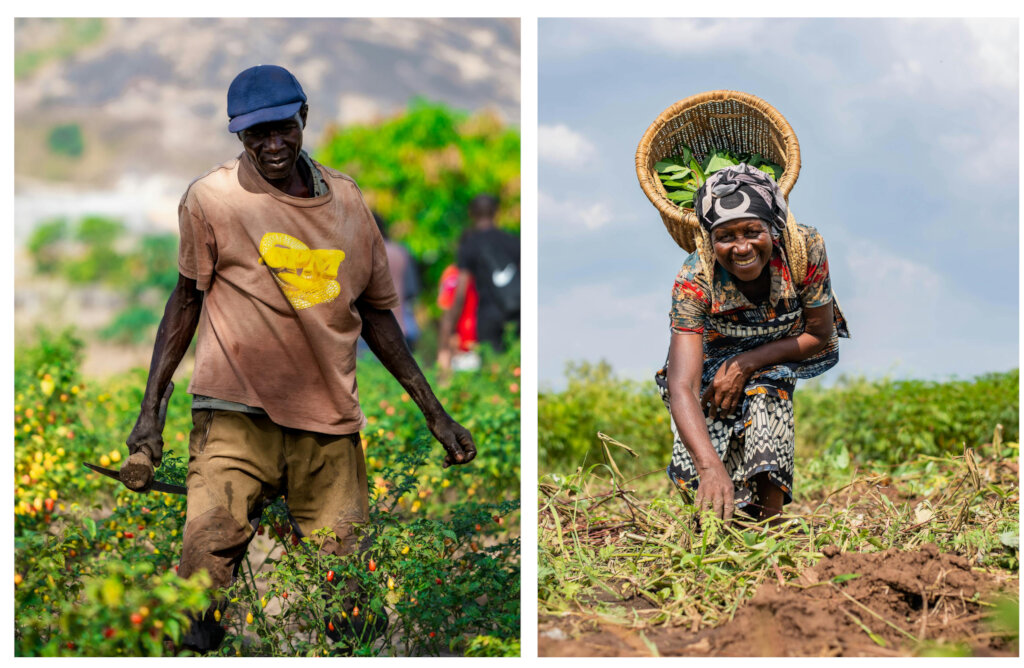
Farmers in North Central Nigeria face food insecurity due to poor soil fertility, changing weather, and limited access to quality seedlings. This project by Equitable Medicaid and Clinical Research will support farmers in Benue, Kogi, Kwara, Nasarawa, Niger, and Plateau states with improved fruit and vegetable seedlings, irrigation kits, and training. It will help them grow nutritious produce, increase income, and build a stable local food supply.
In North Central Nigeria, many smallholder farmers depend on rain-fed farming, which is unstable and limits productivity. Poor access to fruit and vegetable seedlings, lack of irrigation tools, and inadequate farming knowledge keep yields low. Families struggle to earn income and eat balanced diets. This problem leads to seasonal hunger and loss of livelihoods, especially for women and youth who rely on small-scale farming for survival.
This project will supply farmers with improved fruit and vegetable seedlings such as tomatoes, peppers, okra, and watermelons. Farmers will receive simple irrigation kits and practical training on modern farming and post-harvest handling. By improving skills and access to inputs, they can plant year-round, boost harvests, and sell surplus produce. The project will strengthen food supply chains and raise household incomes in rural communities.
Sustained fruit and vegetable farming will reduce hunger, improve nutrition, and create new income streams for farmers. Subsequent, communities will adopt irrigation and better farming methods for steady food production. Youth and women will benefit from year-round harvests and market opportunities. The project will build long-term resilience among North Central farmers, helping them thrive despite climate challenges and seasonal droughts.



Support this important cause by creating a personalized fundraising page.
Start a Fundraiser