Project Report
| Mar 10, 2025
QUARTERLY REPORT DECEMBER 2024-FEBRUARY 2025
By Samson Namwoyo | Project Leaader
![]()
Summary
New HIV infections among adolescents and Key populations i.e. truck drivers, fisher folks, commercial sex workers, drug users and adolescents/young people continue to escalate in Uganda due to limited access to prevention services. Approximately 25% of new HIV infections are among members of the key populations and their partners. HIV prevalence triples from young people aged 15–19 years (1.1%) to those aged 20–24 years (3.3%) [7]. Yet, ever testing for HIV among young people is much lower in those aged 15–19 years (47.3%) compared to those aged 20-24years (84.4%). The project contributes to the reduction of New HIV infections among KPs and adolescents in Tororo and Busia Districts i.e. borders Uganda and Kenya by 2026 through enhancing awareness, utilization and access to HIV prevention services. This is a quarterly report for a period of December 2024 to February 2025. The report details on the summary, Project results in the quarter, implementation challenge, recommendations.
Project results in the quarter
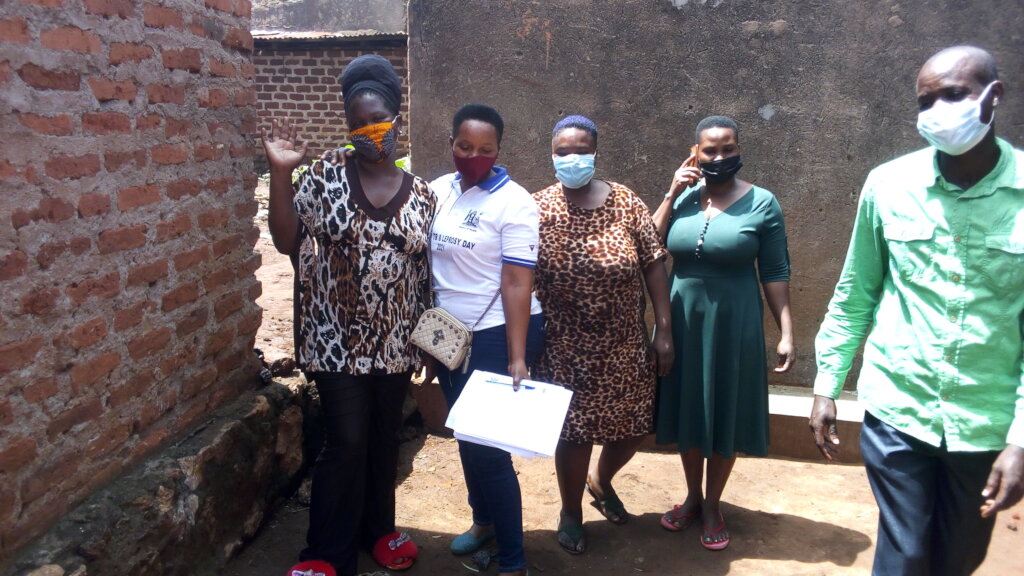
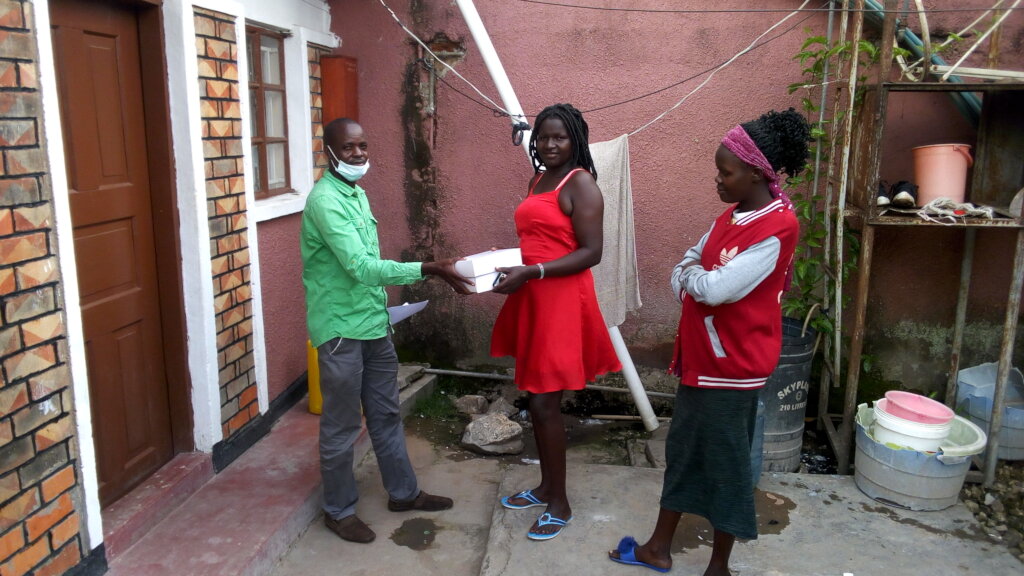
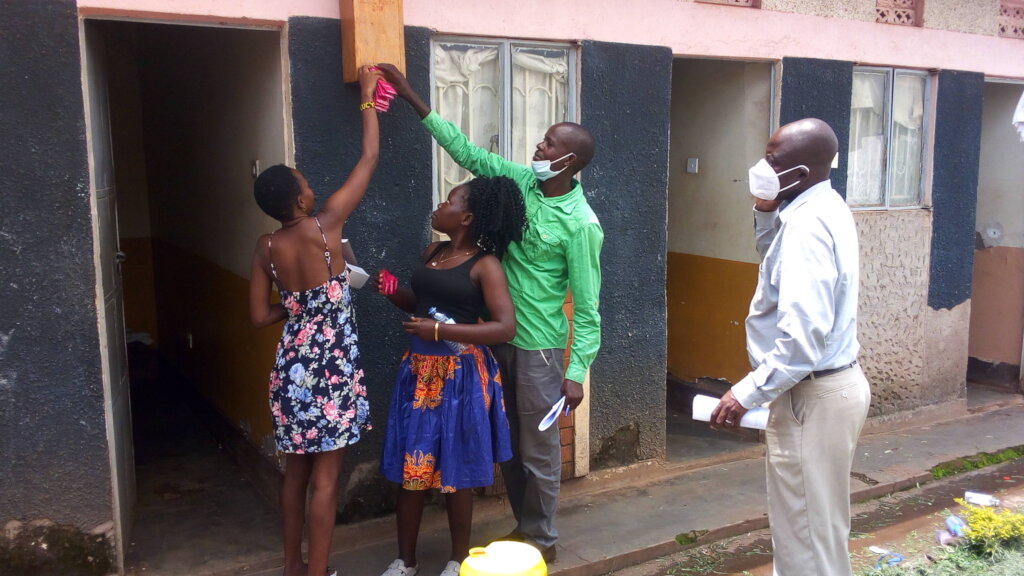
- 185 KPs sensitized on HIV/AIDS prevention strategies
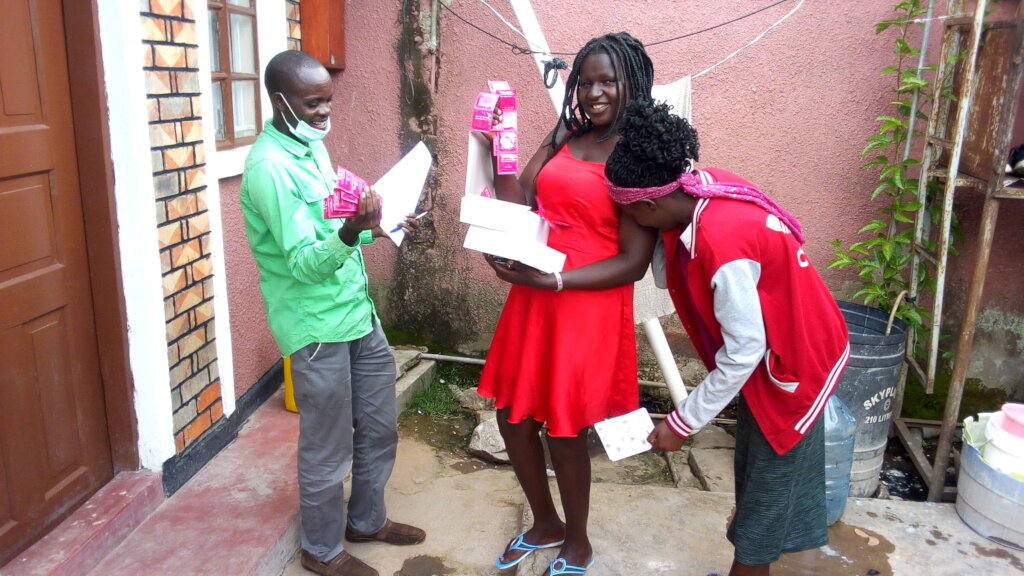
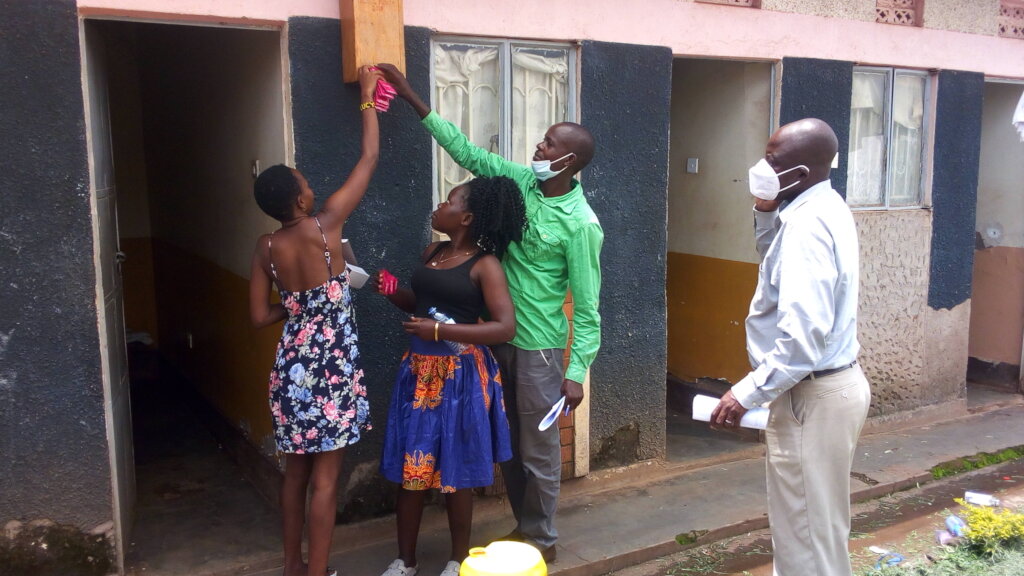
- 4500 male condoms secured from the district and distributed to KPs and adolescents out of School.
- 100 KPs and adolescents out of school received PrEP
- 65KPs and adolescents out of school received PEP
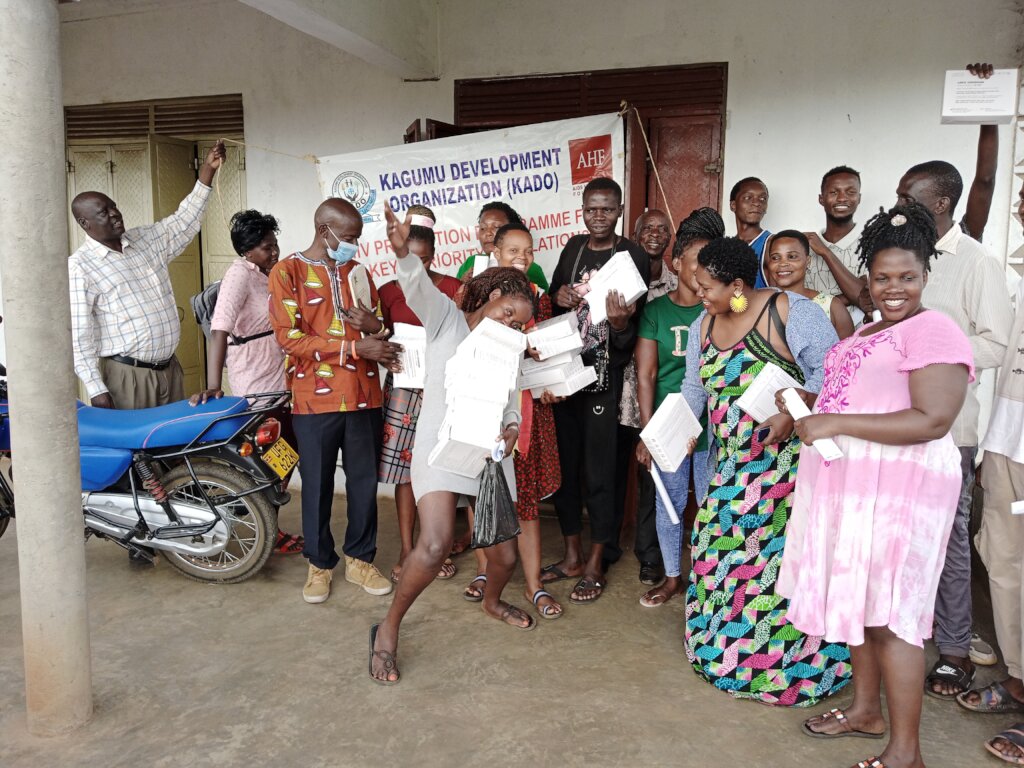
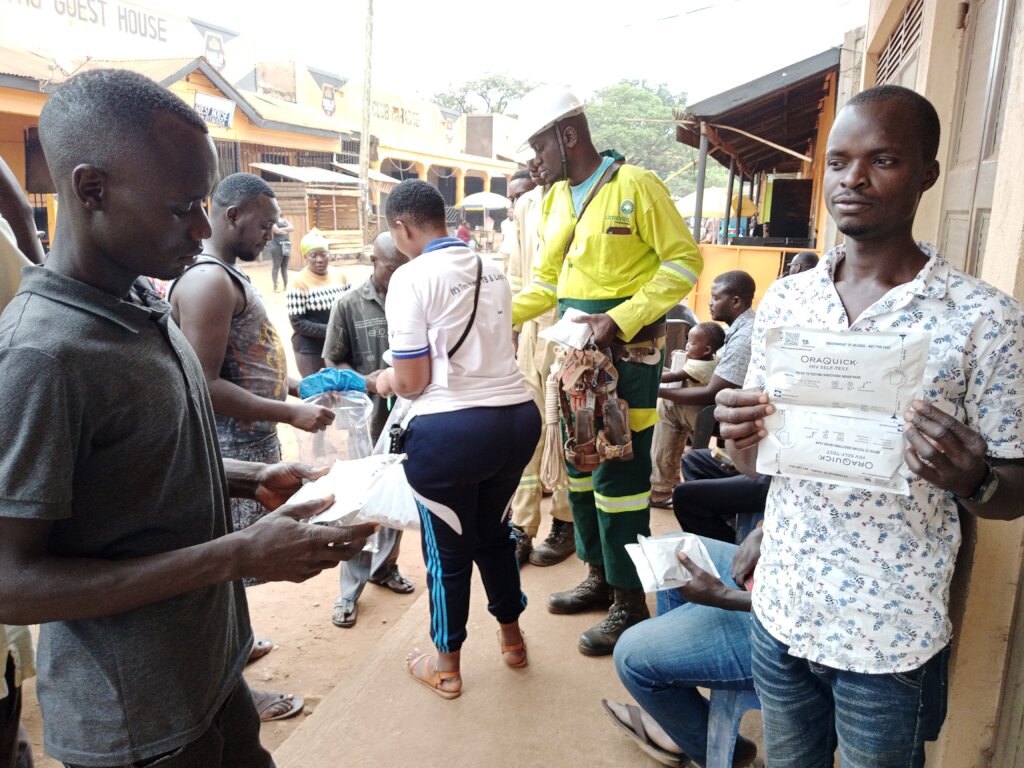
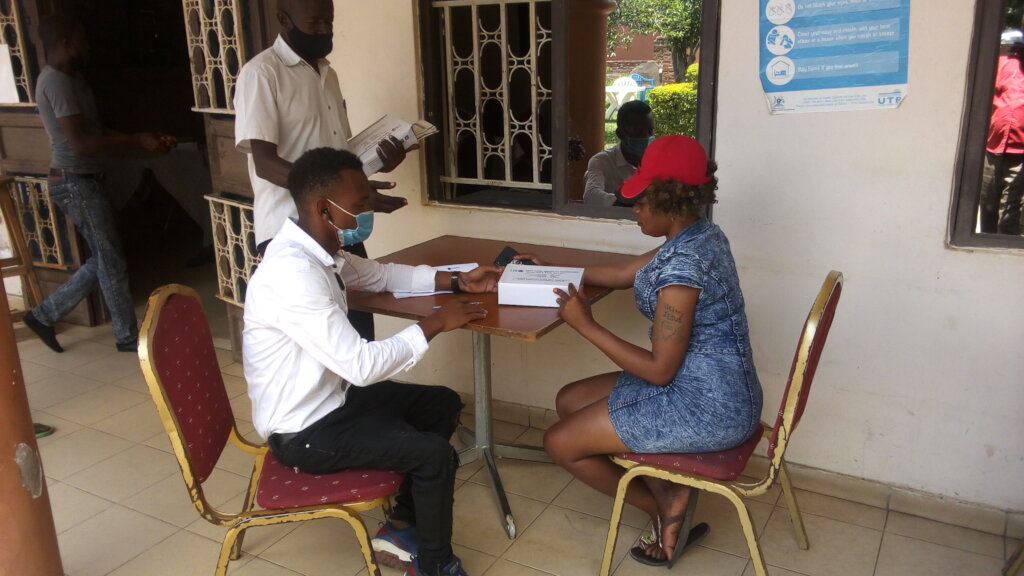
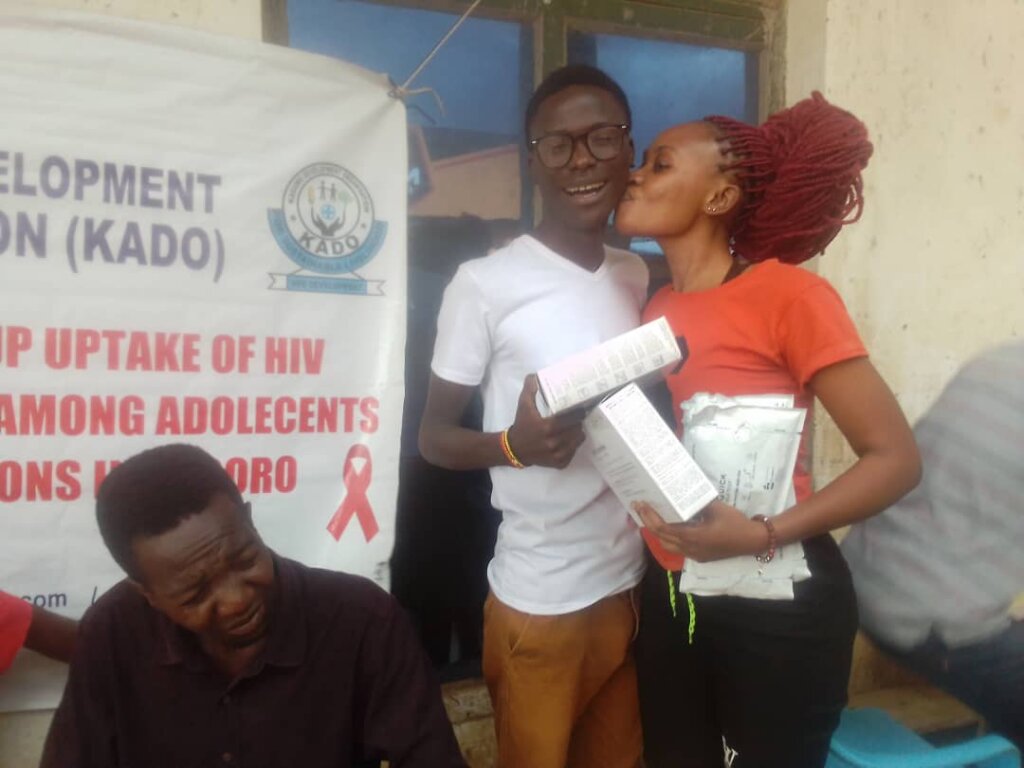
- 40 KPs and adolescents out of school received HIV self-test kits
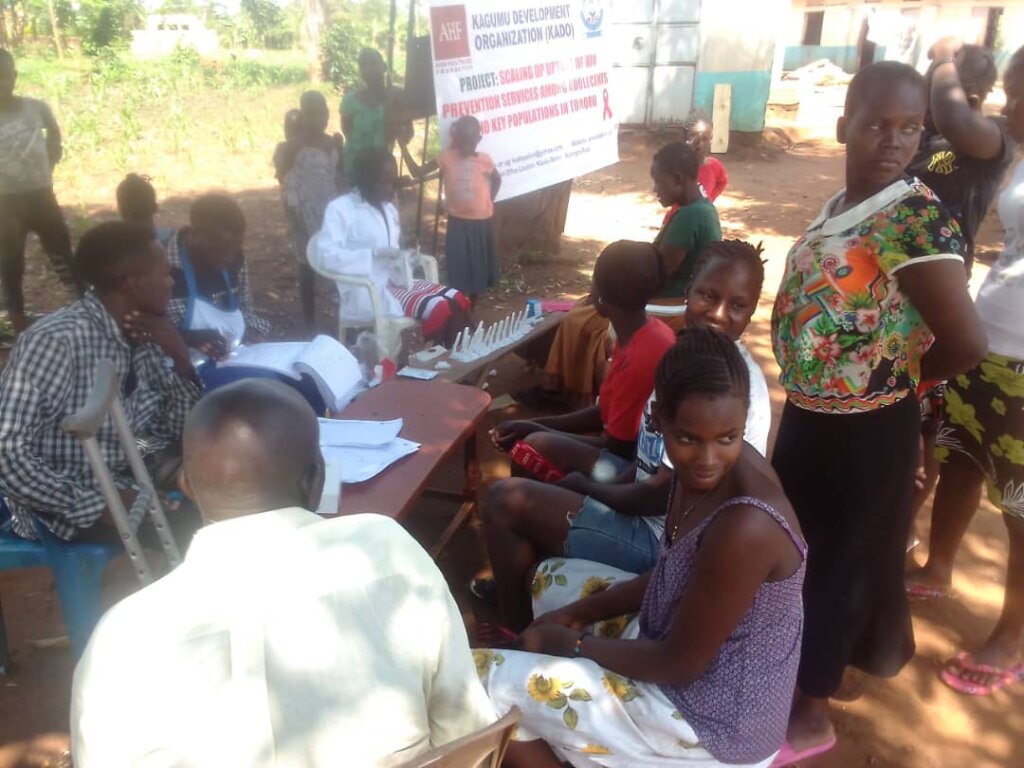
- 6HIV/AIDs causelling and testing outreached were conducted
- 360 KPs and adolescents out of school received HIV causelling and testing
- 13 HIV positive clients identified and enrolled to ART.
Implementation Challenges
The challenges below still continue to affect the target beneficiaries:
- Usaid executive orders affected drug supply. People started selling drugs at a relatively high process.
- There is limited funding to facilitate effective implementation of the project.
- KPs and adolescents HIV prevention services cannot easily be accessed in public facilities.
- There total luck lubricants
- Condom supply is still inadequate and most times KPs and adolescents buy them at a relatively high price from open market
- Supply of self-test Kits is low by government hence self-testing is still low and.
- Condom prices are relatively high at the border Districts.
- Knowledge and skills on the use of self-test kits is low among KPs and adolescents and require more sanitization.
- HIV prevention services is not adequately provided in boarder schools where most adolescents live yet they are actively involved in sex
- There is still high loss to care and treatment among positive KPs particularly truck drivers who move long distances.
- Many of hotspots sites still lacks condom dispensers those who have are too old and require maintenance. .
Recommendation
Reducing new HIV infection in the border districts requires maximum support of well-wishers due to the diversity of culture. Therefore, there is need for a sustainable partners to support this project.
![]()
![]()
![]()
Links:
![Share on Twitter]()
![Share on Facebook]()
Oct 31, 2024
QUARTERLY REPORT JULY TO OCTOBER 2024
By Samson Namwoyo | Project Leaader
![]()
Summary
Uganda and Partner have done a commendable work in the country to reduce new HIV infections among adolescents and Key populations i.e. truck drivers, fisher folks, commercial sex workers, drug users and adolescents/young people. However, approximately 25% of new HIV infections are among members of the key populations and their partners. HIV prevalence triples from young people aged 15–19 years (1.1%) to those aged 20–24 years (3.3%) [7]. Yet, ever testing for HIV among young people is much lower in those aged 15–19 years (47.3%) compared to those aged 20-24years (84.4%). The project contributes to the reduction of New HIV infections among KPs and adolescents in Tororo and Busia Districts i.e. borders Uganda and Kenya by 2026 through enhancing awareness, utilization and access to HIV prevention services. This is a quarterly report for a period of July to October 2024. The report details on the summary, Project results in the quarter, implementation challenge, recommendations.
Project results in the quarter
- 215 KPs sensitized on HIV/AIDS prevention strategies
- 5,300 male condoms secured from the district and distributed to KPs and adolescents out of School.
- 120 KPs and adolescents out of school received PrEP
- 85KPs and adolescents out of school received PEP
- 253 KPs and adolescents out of school received HIV self-test kits
- 2 HIV/AIDs causelling and testing outreached were conducted
- 180 KPs and adolescents out of school received HIV causelling and testing
- 11 HIV positive clients identified and enrolled to ART.
Implementation Challenges
The challenges below still continue to affect the target beneficiaries:
- There is limited funding to facilitate effective implementation of the project.
- KPs and adolescents HIV prevention services cannot easily be accessed in public facilities.
- There total luck lubricants
- Condom supply is still inadequate and most times KPs and adolescents buy them at a relatively high price
- Supply of self-test Kits is low by government hence self-testing is still low and .
- Condom prices are relatively high at the border Districts .
- Knowledge and skills on the use of self-test kits is low among KPs and adolescents.
- HIV prevention services is not adequately provided in boarder schools where most adolescents live yet they are actively involved in sex
- There is still high loss to care and treatment among positive KPs particularly truck drivers who move long distances.
- Many of hotspots sites still lacks condom dispensers those who have are too old and require maintenance. .
Recommendation
Reducing new HIV infection in the border districts requires maximum support of well-wishers due to the diversity of culture. Therefore, there is need for a sustainable partners to support this project.
![]()
Links:
![Share on Twitter]()
![Share on Facebook]()
Jun 27, 2024
QUARTERLY REPORT MARCH-JUNE 2024
By Samson Namwoyo | Project Leader
![]()
Summary
Despite the Government and Partner’s commendable effort in the fight against prevention and management in Uganda, HIV prevalence rate among adolescents and Key populations i.e. truck drivers, fisher folks, commercial sex workers, drug users and adolescents continue to increase in Tororo and Busia Districts, Eastern Uganda. Approximately 25% of new HIV infections are among members of the key populations and their partners. The project contributes to the reduction of New HIV infections among KPs and adolescents in Tororo and Busia Districts i.e. borders Uganda and Kenya by 2026 through enhancing awareness, utilization and access to HIV prevention services. This is a quarterly report for a period of march to June 2024. The report details on the summary, Project results in the quarter, implementation challenge, recommendations.
Project results in the quarter
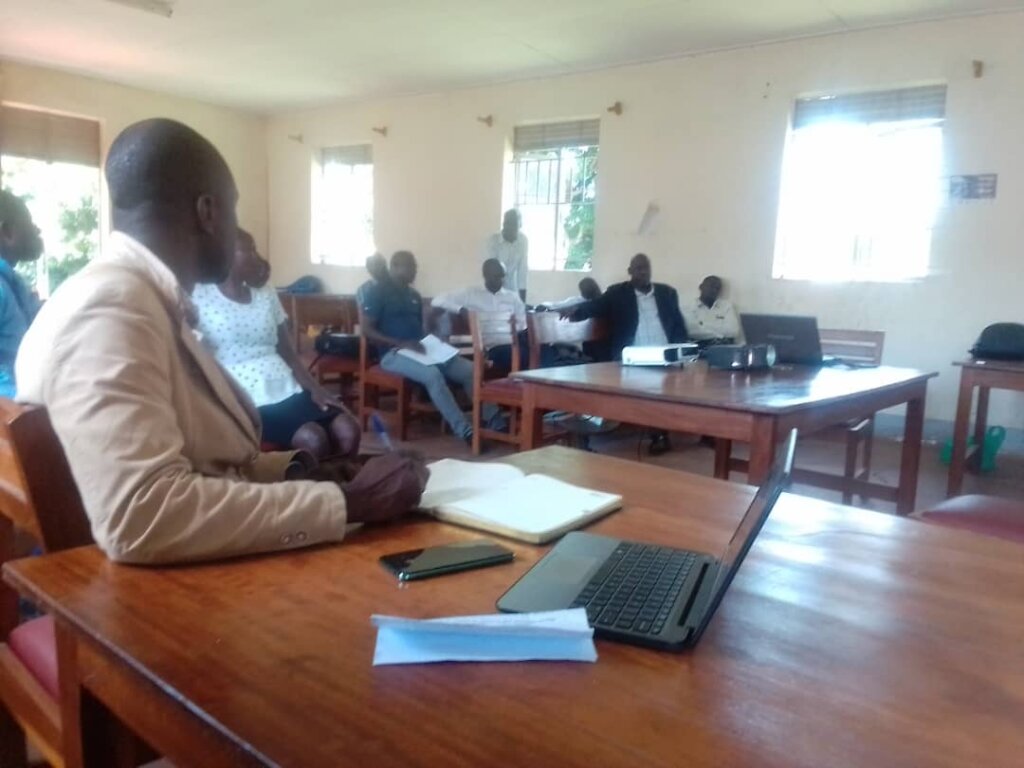
- 01 project meeting of 35 KPs was conducted to discuss the challenges affecting their access to reproductive health services in Busia municipal council
- 365 KPs sensitized on HIV/AIDS prevention strategies
- 10,300 male condoms secured from the district and distributed to KPs and adolescents out of School.
- 320 KPs and adolescents out of school received PrEP
- 285KPs and adolescents out of school received PEP
- 3853 KPs and adolescents out of school received HIV self-test kits
- 5 HIV/AIDs and causelling outreached were conducted
- 280 KPs and adolescents out of school received HIV causelling and testing
- 17 HIV positive clients identified and enrolled to ART.
Implementation Challenges
The challenges below still continue to affect the target beneficiaries:
- There is limited funding to facilitate effective implementation of the project.
- KPs and adolescents HIV prevention services cannot easily be accessed in public facilities.
- There total luck lubricants
- LGBTQ are suffering due tom lack of health services. They are highly discriminated and are stigmatized.
- Condom supply is still inadequate and most times KPs and adolescents buy them at a relatively high price
- Supply of self-test Kits is low by government hence self-testing is still low and .
- Condom prices are relatively high at the border Districts .
- Knowledge and skills on the use of self-test kits is low among KPs and adolescents.
- HIV prevention services is not adequately provided in boarder schools where most adolescents live yet they are actively involved in sex
- There is still high loss to care and treatment among positive KPs particularly truck drivers who move long distances.
- Many of hotspots sites lacks condom dispensers those who have are too old and require maintenance. .
Recommendation
Reducing new HIV infection in the border districts requires maximum support of well-wishers due to the diversity of culture. Therefore, there is need for a sustainable partners to support this project.
![]()
![]()
Links:
![Share on Twitter]()
![Share on Facebook]()