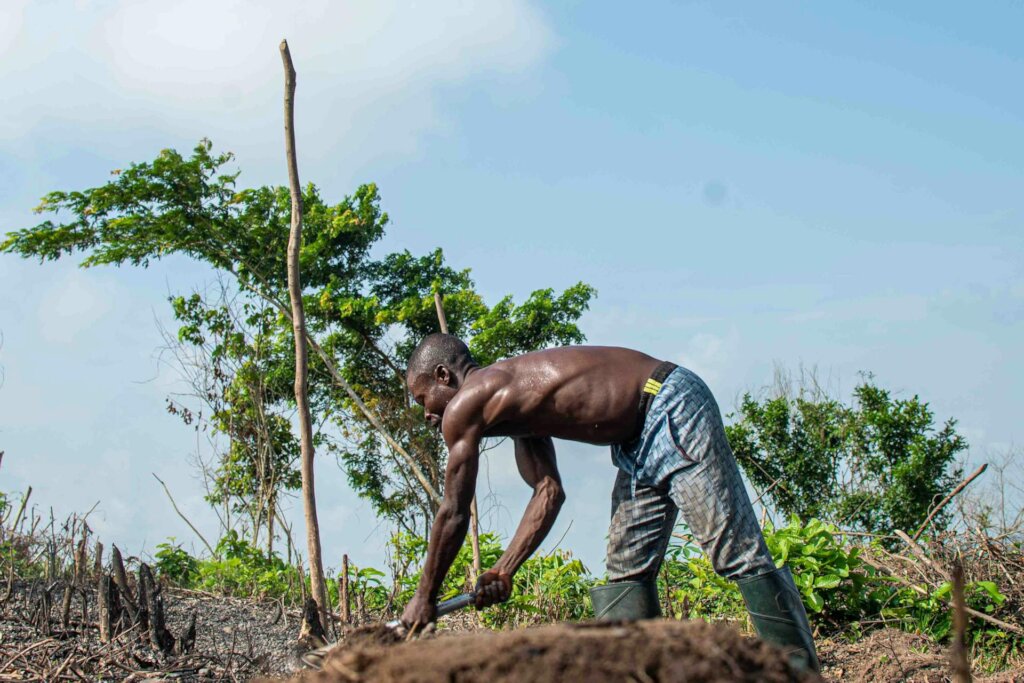
Across rural Nigeria, many smallholder farmers struggle with low yields due to poor-quality seeds and limited access to improved varieties. This project by Equitable Medicaid and Clinical Research will distribute high-performing seeds to farmers, train them on planting and storage methods, and promote sustainable farming. With better seeds, farmers can increase harvests, feed their families, and reduce hunger in vulnerable communities across several Nigerian states.
Most rural farmers in Nigeria still rely on outdated or weak seed varieties that cannot withstand pests, floods, or drought. These poor seeds result in low harvests and food shortages. Many farmers cannot afford improved seeds due to rising input costs. As a result, families face hunger and unstable income, especially in farming seasons when seeds determine whether households will thrive or struggle through the year.
The project will provide high-performing, drought-resistant, and pest-tolerant seeds to smallholder farmers. Training sessions will cover soil preparation, seed preservation, and proper planting techniques. By improving access to quality seeds, farmers will boost productivity and food availability. The project will also connect farmers to local markets, helping them earn more income and improve their families' living conditions.
High-performing seeds will help farmers achieve consistent harvests and reduce food insecurity in rural communities. Increased yields mean more income for education, healthcare, and daily needs. Over time, farmers will become self-reliant and share improved seeds and skills with others. This project will strengthen local food systems and contribute to long-term agricultural stability and economic growth across rural Nigeria.



Support this important cause by creating a personalized fundraising page.
Start a Fundraiser