By Sunel Craythorne | Fundraising Administrator
We are pleased to report that our land rehabilitation efforts on the reserve are progressing well. Following our long-awaited first rains, we're beginning to see the early signs of growth in the areas we have worked on. The planted wild grass seeds are starting to take root, contributing to the rejuvenation of the land.
Berms and Hollows
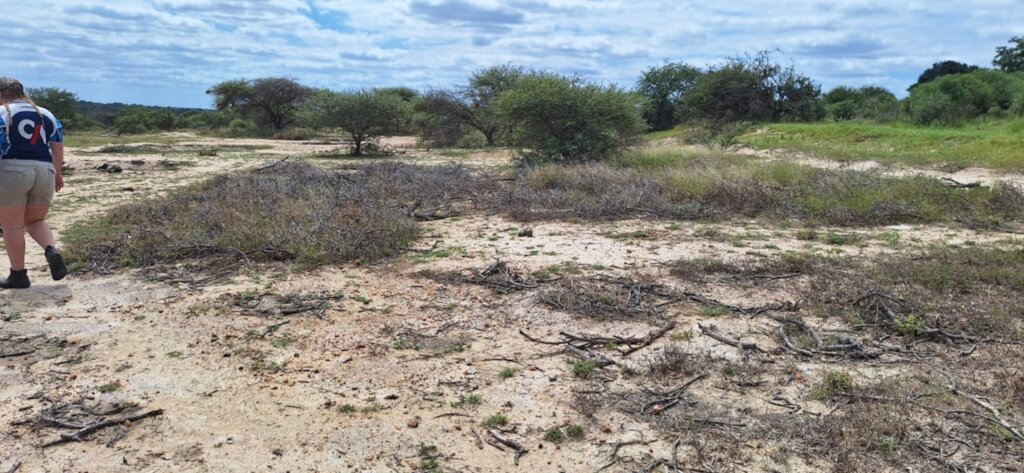
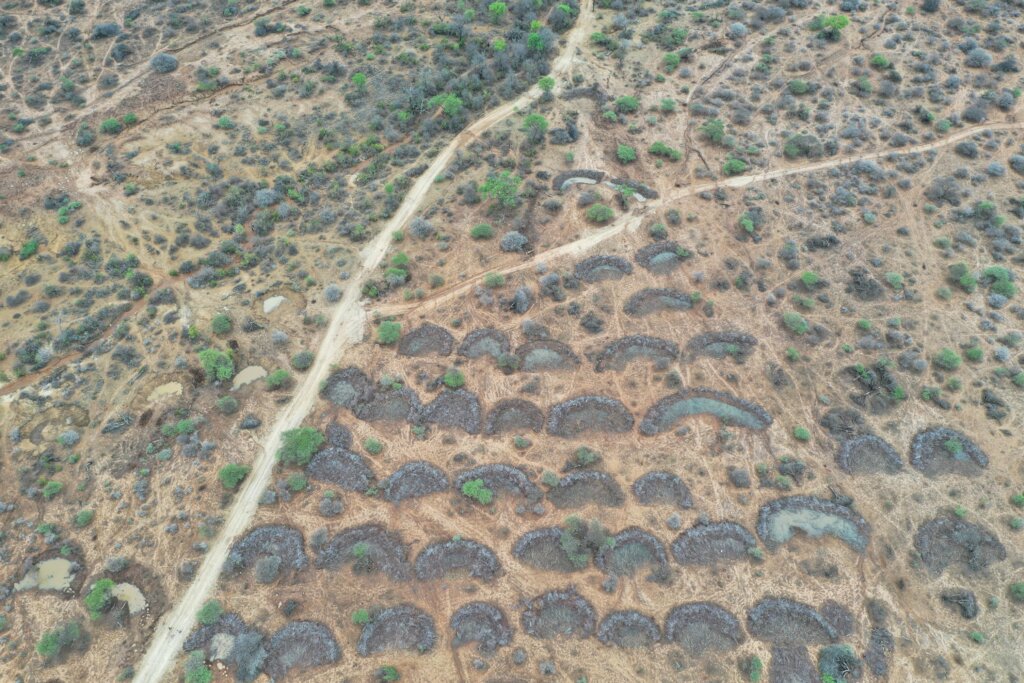
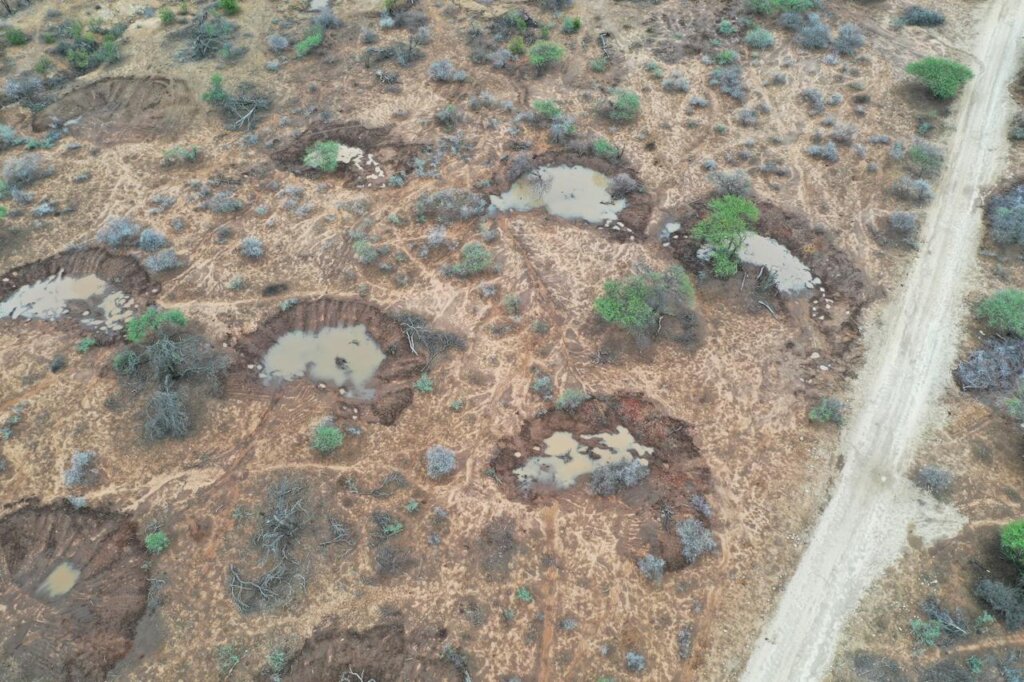
Over the past few months, we have been constructing half-moon-shaped berms in areas where vegetation was previously sparse. These berms are filled with thorny branches, homemade elephant dung compost, and grass seeds. The primary purpose of these berms is to prevent soil erosion by reducing water runoff. The hollows formed by the berms help trap water and organic matter, creating a favourable environment for grass to grow and stabilize the soil. We have successfully completed 200 square meters of this work. Once the rains have nourished the grass, we expect to see a significant improvement in the area's stability and overall health.
Geojute Application
We are also trialling the use of Geojute fabric as a means of stabilising steep embankments prone to erosion. Geojute is a biodegradable material that is rolled out over the embankments, where grass seeds are planted beneath it. This fabric helps to prevent soil erosion by holding the soil in place. As the grass grows through the material, it forms a solid foundation. Over time, the Geojute breaks down, contributing to the creation of more biomass and further stabilizing the embankment.
Brushpacking
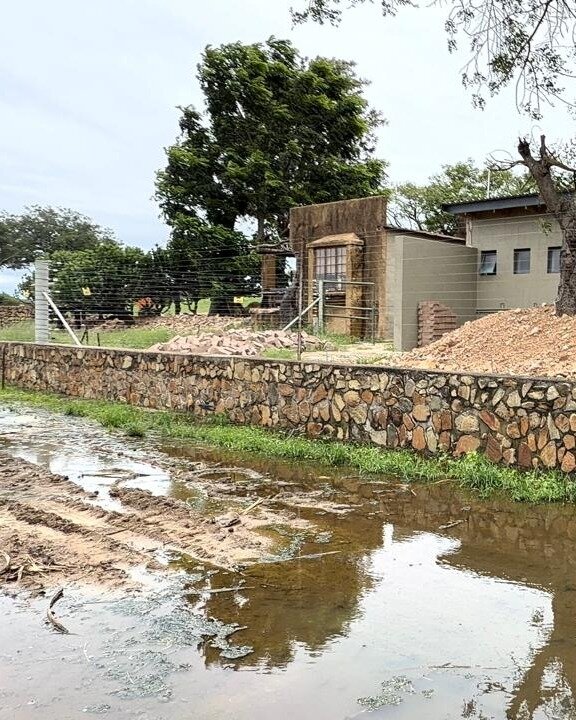
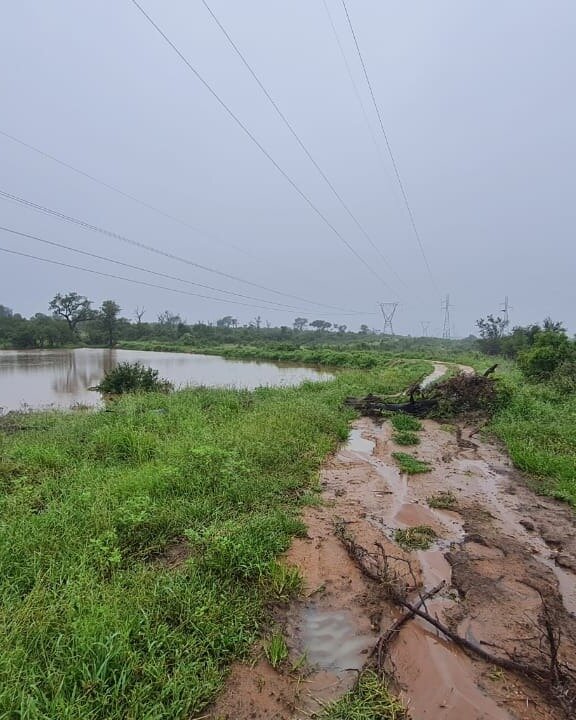
Brushpacking continues to be an effective technique for rehabilitating areas affected by erosion. We have used this method successfully in several areas of the reserve over the years. Currently, we are applying brushpacking to stabilise a dam wall that was washed away several years ago, which we recently rebuilt. By combining brushpacking with the Geojute fabric, we are seeing positive results. Following the rain a few weeks ago, we are observing new grass shoots emerging through the Geojute material. These new shoots will help bind the soil, and over time, they will create a stable, vegetated area that will prevent further erosion.
In summary, the combined use of berms, Geojute fabric, and brushpacking is an effective strategy for land rehabilitation on the reserve. We are encouraged by the progress so far and optimistic about the long-term benefits these projects will bring to the landscape.
Discover more in this YouTube video: https://www.youtube.com/watch?v=aDDQ3GsVaok and blog: https://herd.org.za/blog/bana-grass-land-restoration-solar-power-a-look-at-our-progress/
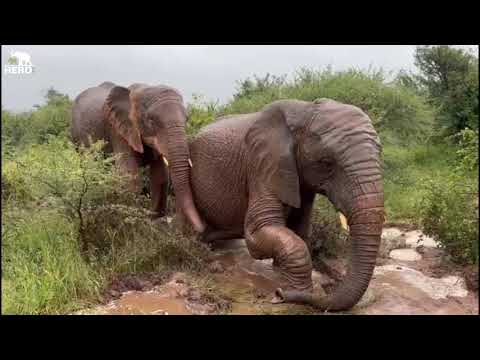
To all those who have donated to this vital project, thank you for helping the herd and other wildlife in this important way. Ensuring that their home can look after them now and long into the future is a vital part of our mission to benefit all the species sharing our home with us.
Warm wishes,
The HERD Team
Project reports on GlobalGiving are posted directly to globalgiving.org by Project Leaders as they are completed, generally every 3-4 months. To protect the integrity of these documents, GlobalGiving does not alter them; therefore you may find some language or formatting issues.
If you donate to this project or have donated to this project, you can receive an email when this project posts a report. You can also subscribe for reports without donating.



Support this important cause by creating a personalized fundraising page.
Start a Fundraiser