By Sunel Craythorne | Donor Care Officer
We’re excited to provide an update on our "Help Save The Elephants' Home" project.
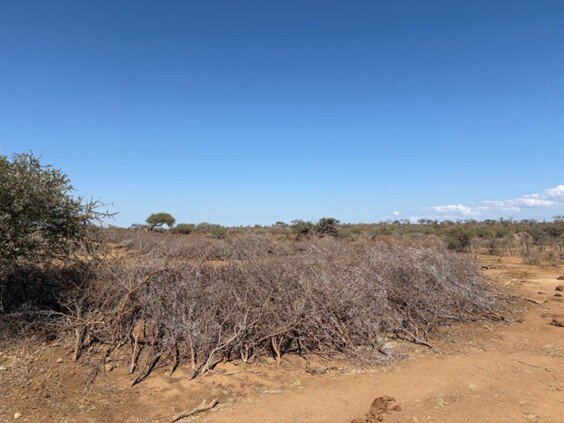
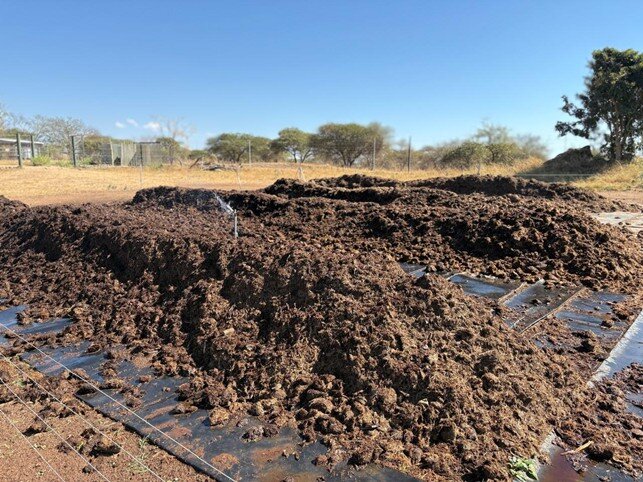
While we are in our dry winter months, we focus on maintaining what was done in the planting phase, adding nutrient-dense elephant dung compost and grass seeds to existing hollows. Once this is done, we cover the hollows densely with indigenous tree branches. This process enriches the soil, retains moisture, and protects seedlings from grazers, like the numerous impalas grazing our reserve.
Our efforts in May 2025
In May, hollow creation was paused due to challenging soil conditions, but brush-packing continued. Teams ventured deeper into the reserve to collect sufficient thorn branches. Weekly production of elephant dung compost, supplemented with Bokashi (fermented food waste) from the Jabulani lodge, remains ongoing. A new batch of compost was completed and transported to the reserve to enrich our soil.
Our efforts in June 2025
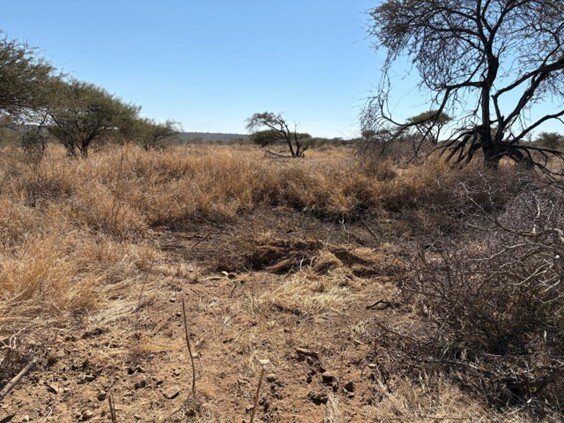
June efforts focused on protecting new growth by adding more branches to existing hollows. Thanks to our efforts to add elephant dung and its moisture-retaining properties to the compost-soil mix, many hollows show promising grass regeneration, contributing to erosion control and soil stability.
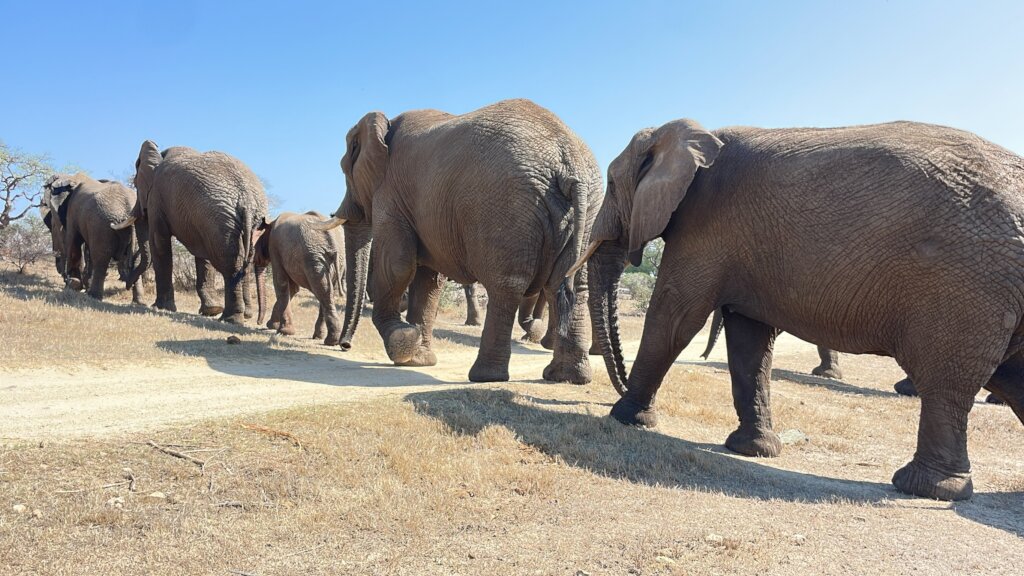
Regarding our Bana Grass plantation, we increased the amount of elephant dung compost applied to the Bana Grass to promote rapid growth and reduce evaporation during the dry months. Bana Grass is a valuable supplementary feeding project for wildlife in semi-arid areas, including the elephants in our rescued herd. We currently have three hectares of Bana Grass, which plays an important role in the elephant's survival.
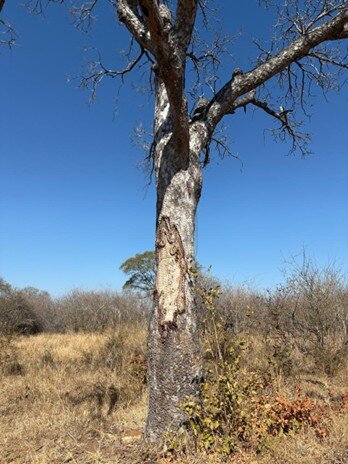
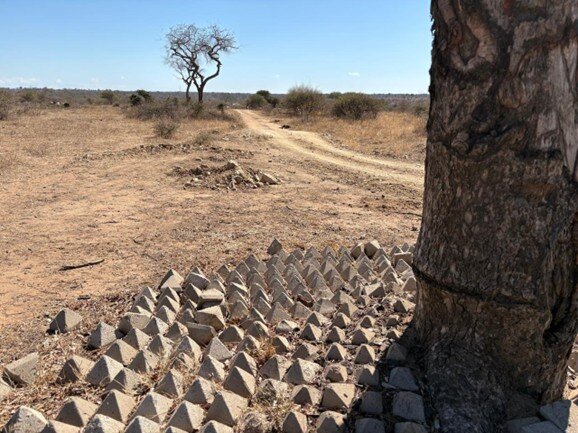
During this time, we also focused on tree protection. Our eager interns continued building cement pyramids to place around Marula (Sclerocarya birrea) and Knobthorn (Senegalia nigrescens) trees. This makes it harder for the elephants to reach the trees and push them over. We also wrapped tree trunks in protective chicken wire to prevent elephant from damaging the tree trunks during the resource-scarce dry months. It is important for us to protect these vulnerable trees to create a diverse ecosystem on the reserve.
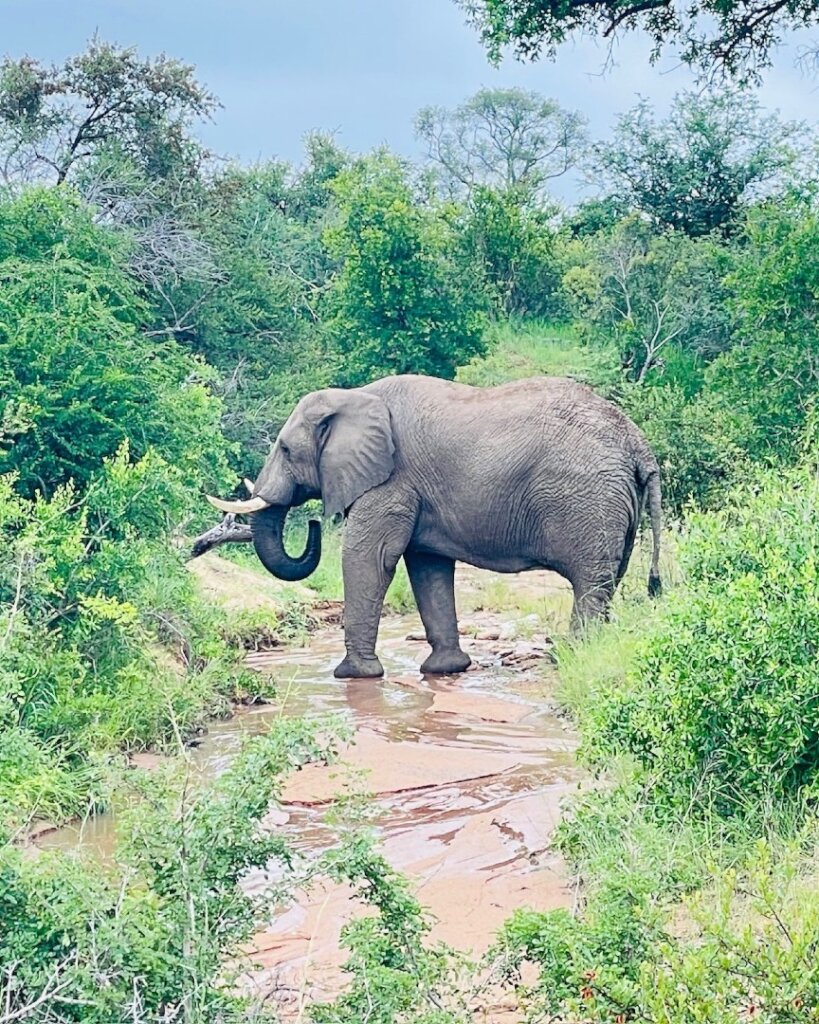
Overall, these efforts contribute to the long-term health of the reserve and its ecosystem, ensuring the land can better support the elephants and other wildlife.
Thank you again for all your support.
Yours in Conservation,
Adine and The HERD Team
Project reports on GlobalGiving are posted directly to globalgiving.org by Project Leaders as they are completed, generally every 3-4 months. To protect the integrity of these documents, GlobalGiving does not alter them; therefore you may find some language or formatting issues.
If you donate to this project or have donated to this project, you can receive an email when this project posts a report. You can also subscribe for reports without donating.



Support this important cause by creating a personalized fundraising page.
Start a Fundraiser