By Sunel Craythorne | Donor Care Officer
HERD is proud to provide you with feedback regarding our project to protect our elephants’ home.
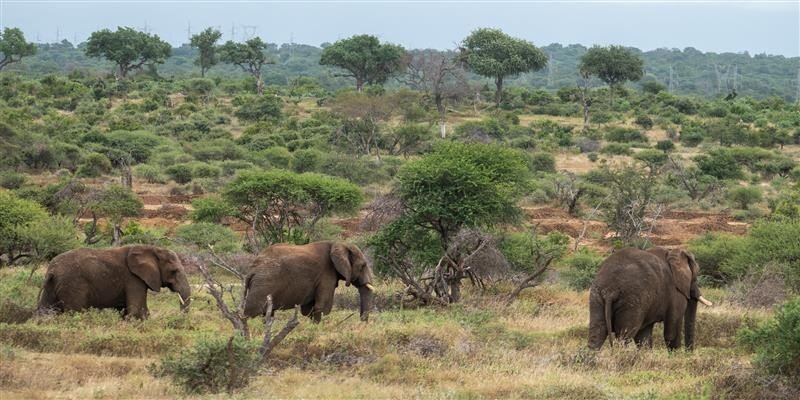
As custodians of nature, we extend ourselves to not only rehabilitate and reintegrate elephant orphans, but also to develop the land and communities surrounding us.
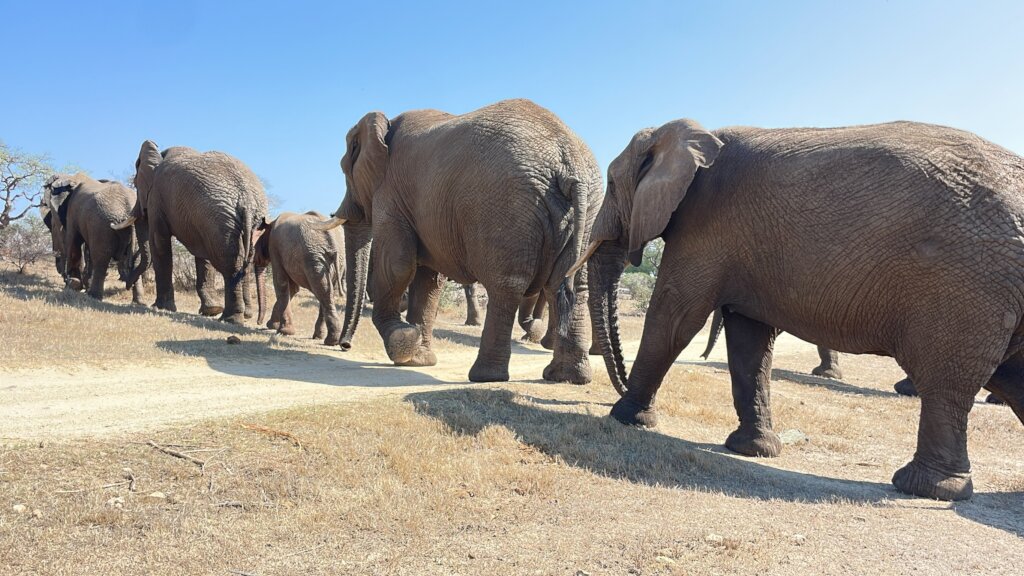
The land restoration project is a key element of HERD's ongoing environmental management plan. The project began to mitigate the environmental impact of the Jabulani herd’s overgrazing in concentrated areas and to restore previously damaged parts of the land surrounding the homestead back to its original wild state. The project's goal is to reduce soil erosion, replant endemic species to promote biodiversity, and conserve water sources.
During the last few months, HERD has made significant progress in rehabilitating the veld, preventing soil erosion, and increasing the soil's ability to retain water.
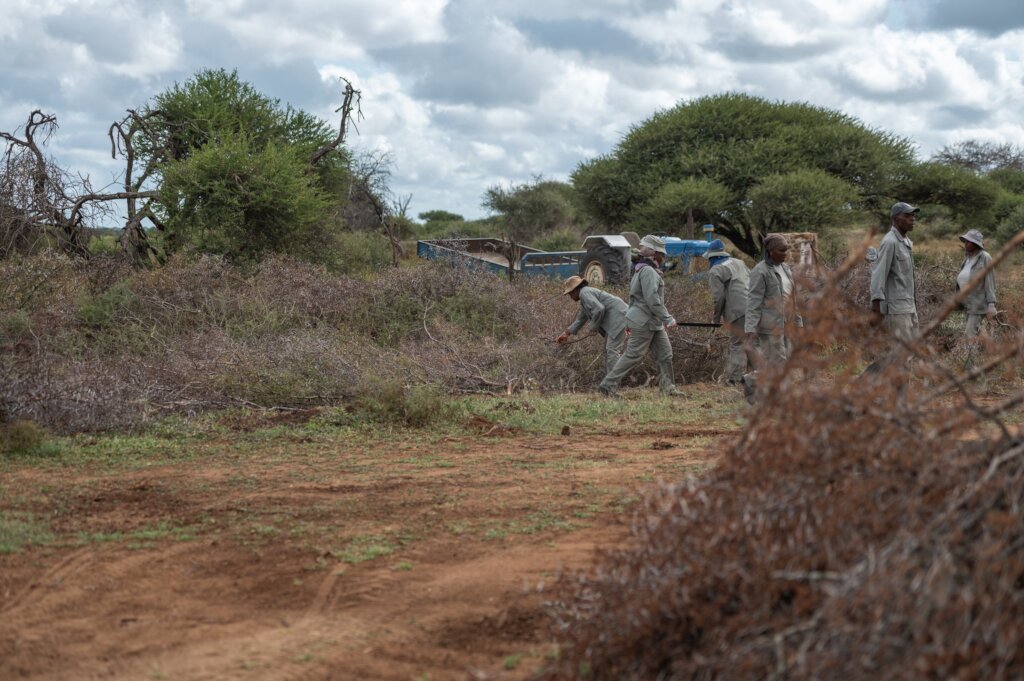
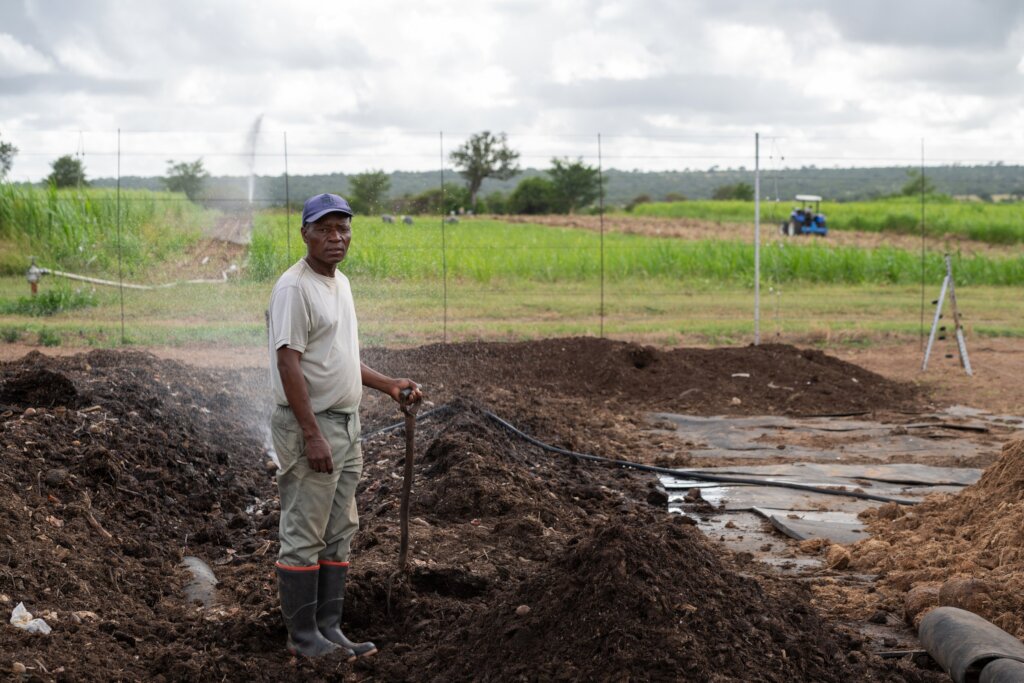
We focused on rehabilitating a portion of the reserve where commercial farming was once conducted, by sowing perennial grass. Elephant dung compost was added to help the grass seeds grow. Since grass seed sowing can only take place once the first rains have fallen to give seeds the best possible chance of germination, we started sowing the seeds in November 2025.
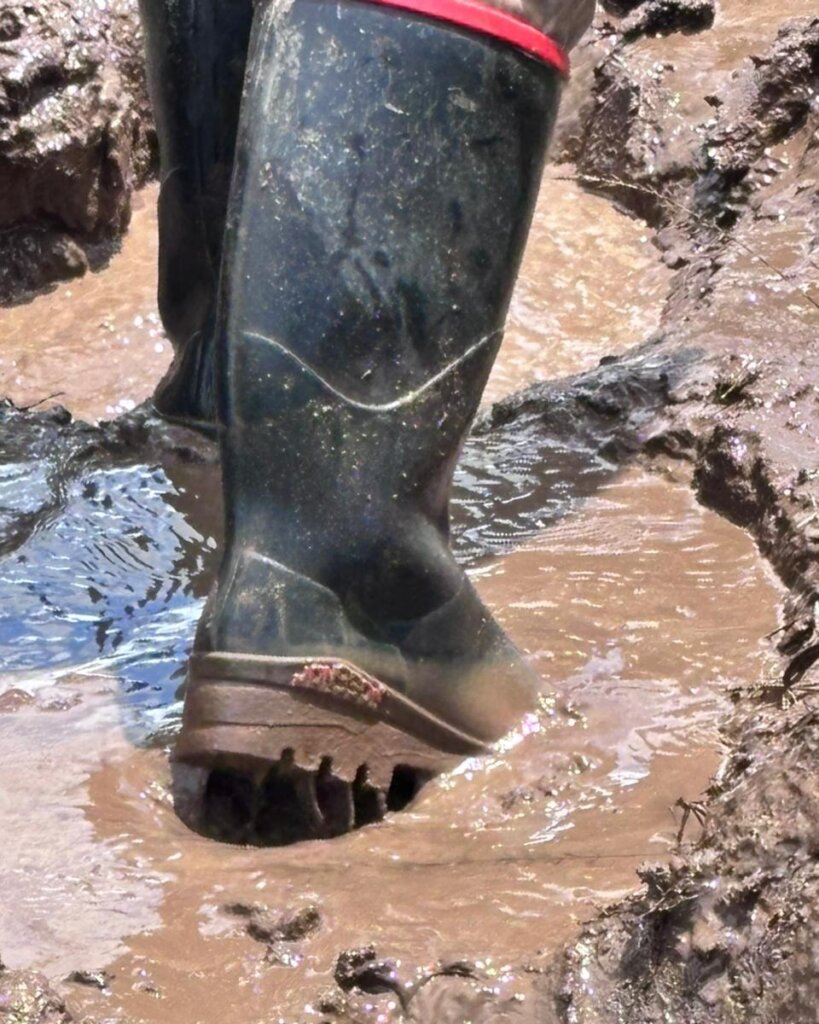
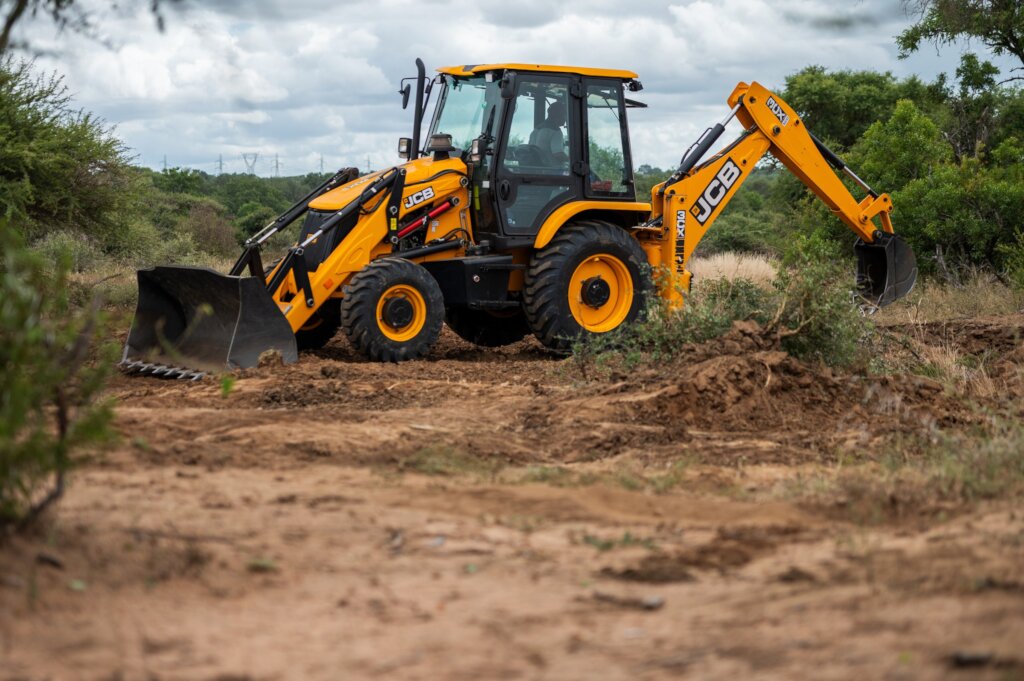
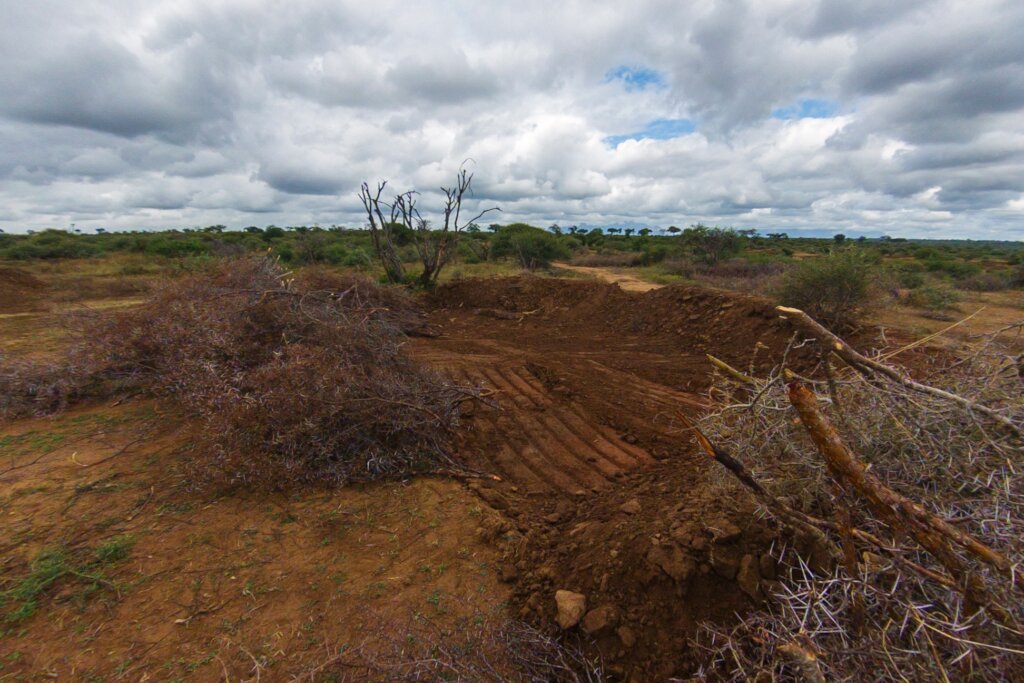
We have been able to make a clear difference in ther etention of rainwater in the local ecosystem and the prevention of further erosion by constructing more than a hundred hollows. Hallows are C-shaped furrows that are dug using the tractor and trailed grader alongside earth-moving equipment.
These hollows slow down the speed of run-off water during the rainy season and retain that water within the restored area. This retained water will be reabsorbed into the soil instead of being lost as surface run-off. Increased soil moisture levels alongside organic debris and grass seeds create a favourable environment for seed germination and ground coverage. Each hollow can hold up to 1000 liters of water.
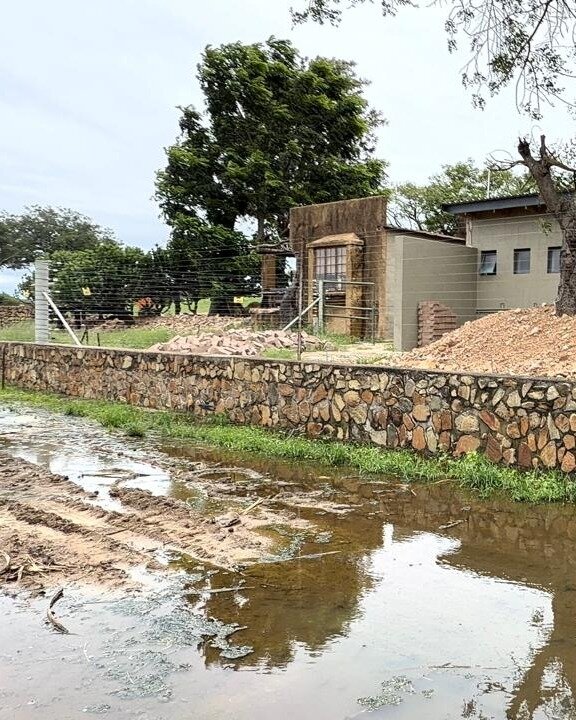
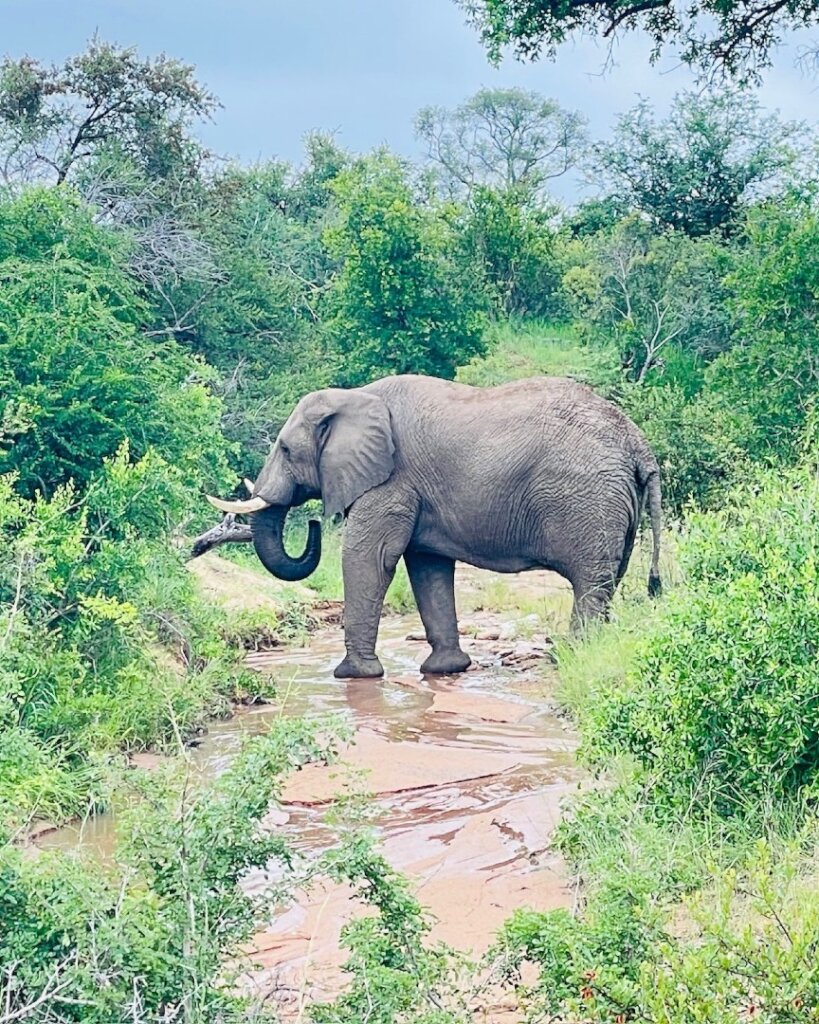
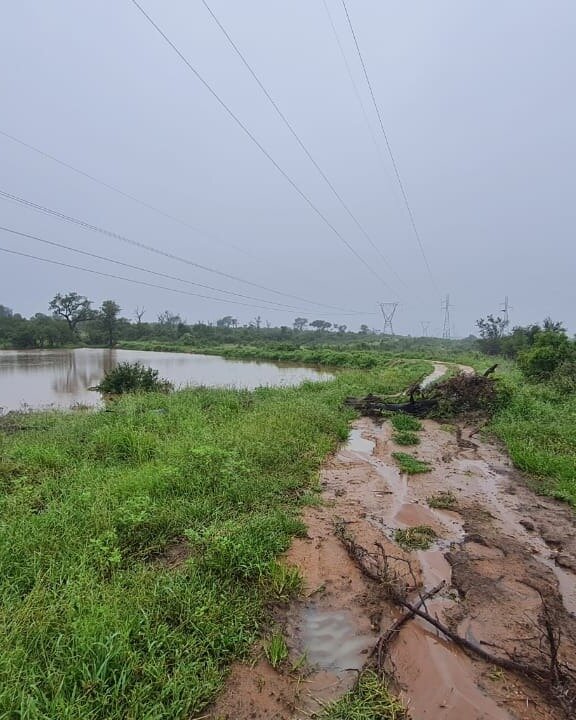
To ensure water security for our elephants, two dams have been completely de-silted and one damp artially de silted.Three dam walls have been either repaired or reconstructed (depending on the damage). And one solar borehole was installed at one of the dams, allowing year-round water provision.
Overall, these efforts contribute to the long-term health of the reserve and its ecosystem, ensuring the land can better support the elephants and other wildlife.
Remember that on GivingTuesday, December 2, 2025, at 00:00:00 EST to December 3, 2025, at 12:00:00 EST your donation on GlobalGiving can go even further. Support HERD during this time and make the most of this amazing opportunity!
Thank you again for all your support.
Yours in Conservation,
Project reports on GlobalGiving are posted directly to globalgiving.org by Project Leaders as they are completed, generally every 3-4 months. To protect the integrity of these documents, GlobalGiving does not alter them; therefore you may find some language or formatting issues.
If you donate to this project or have donated to this project, you can receive an email when this project posts a report. You can also subscribe for reports without donating.



Support this important cause by creating a personalized fundraising page.
Start a Fundraiser