By Marlien Van Der Westhuizen | PR & Senior Fundraiser
Dear HERD Supporters
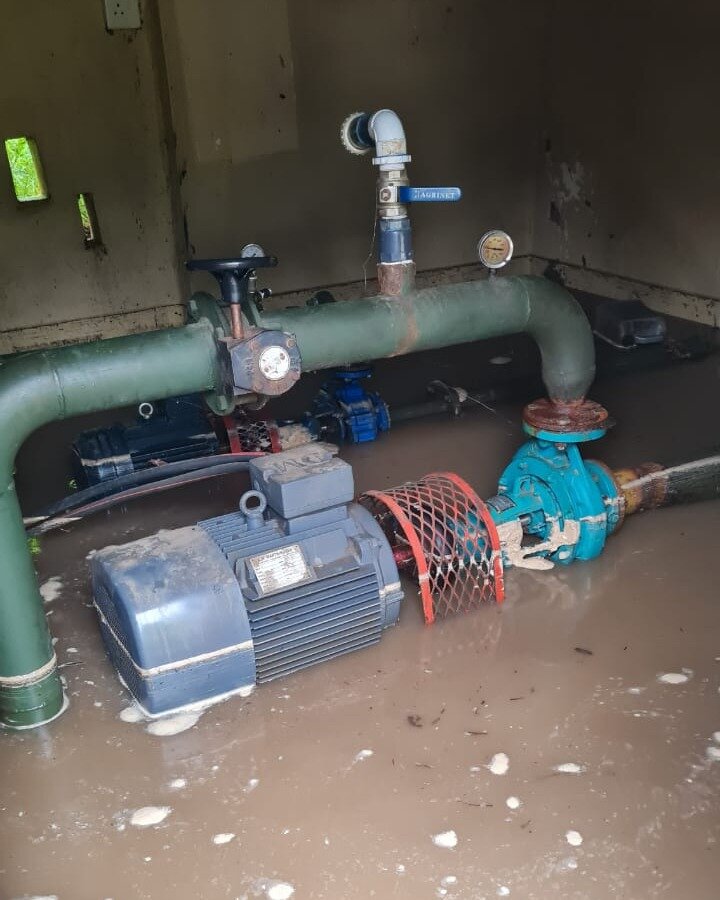
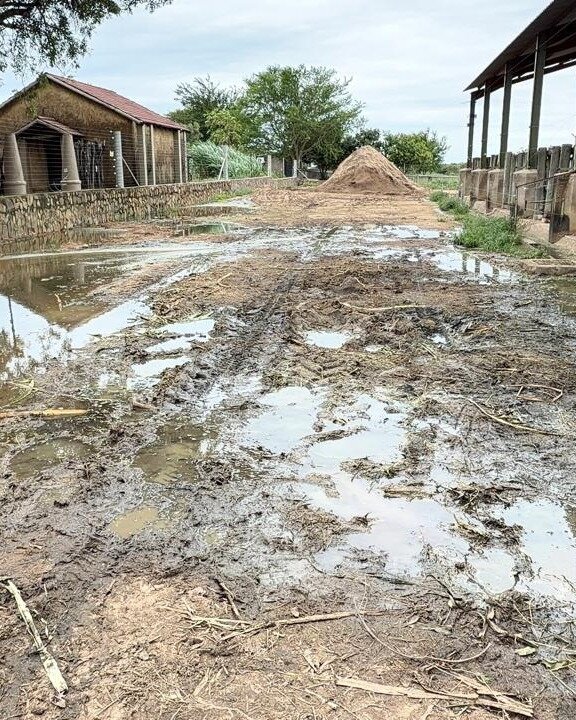
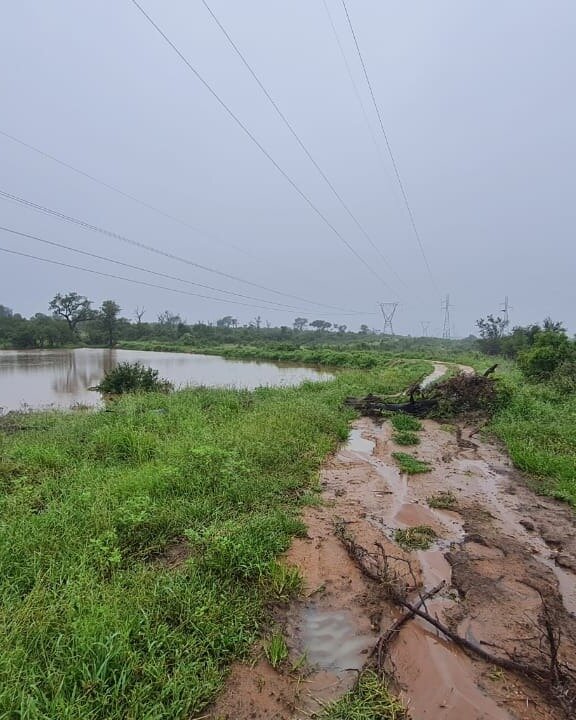
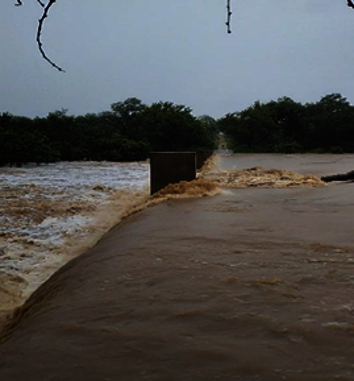
Since the beginning of 2026, HERD’s reserve team has worked through an especially demanding period, marked by flooding, infrastructure damage, water challenges and ongoing restoration needs across the reserve.
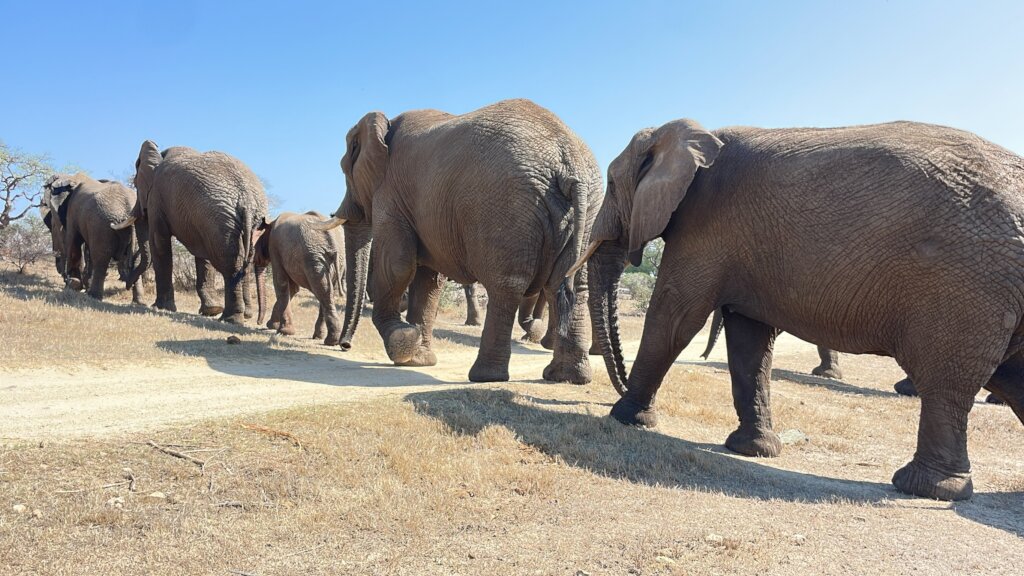
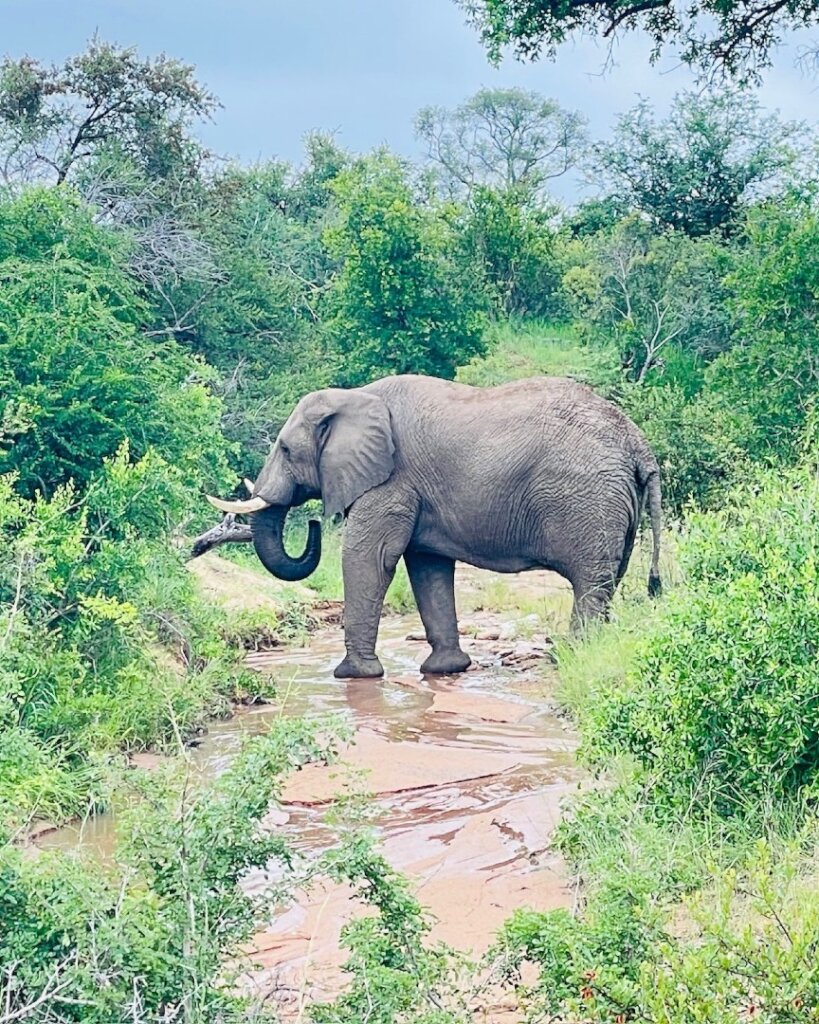
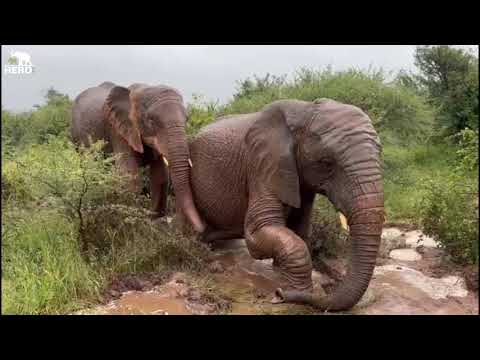
Through it all, the team has remained focused on one clear goal: to create, maintain and protect the best possible balance within the natural ecosystem that supports the elephants and other wildlife in our care.
Your support has helped HERD continue this essential work during a time when the land needed focused attention, practical intervention and consistent care.
Responding to Heavy Rainfall and Flood Damage
The reserve received significant rainfall across several areas recording between 475 mm and 519 mm.
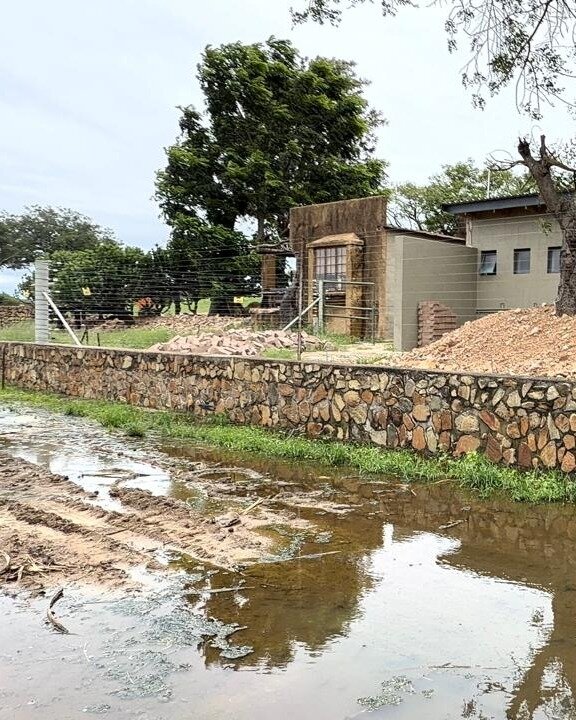
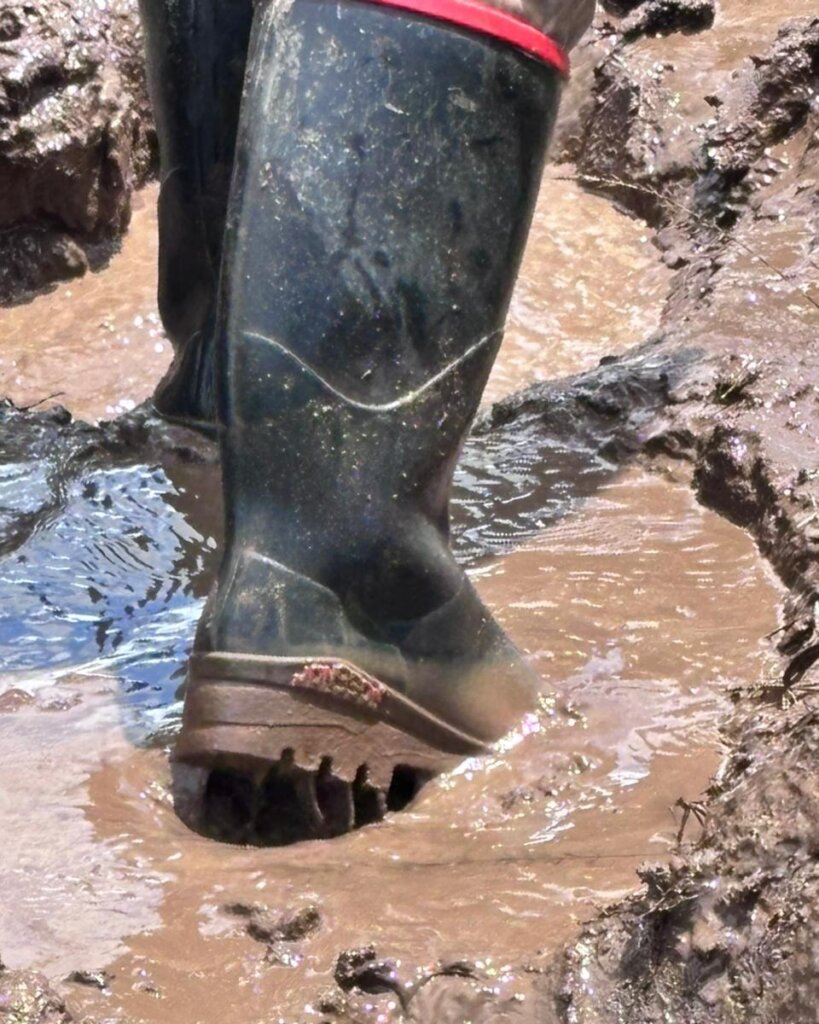
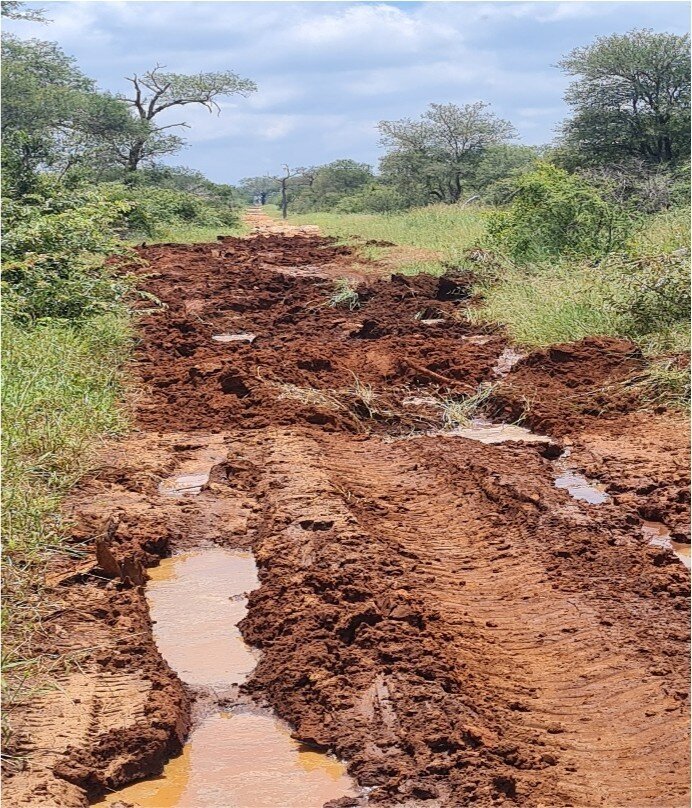
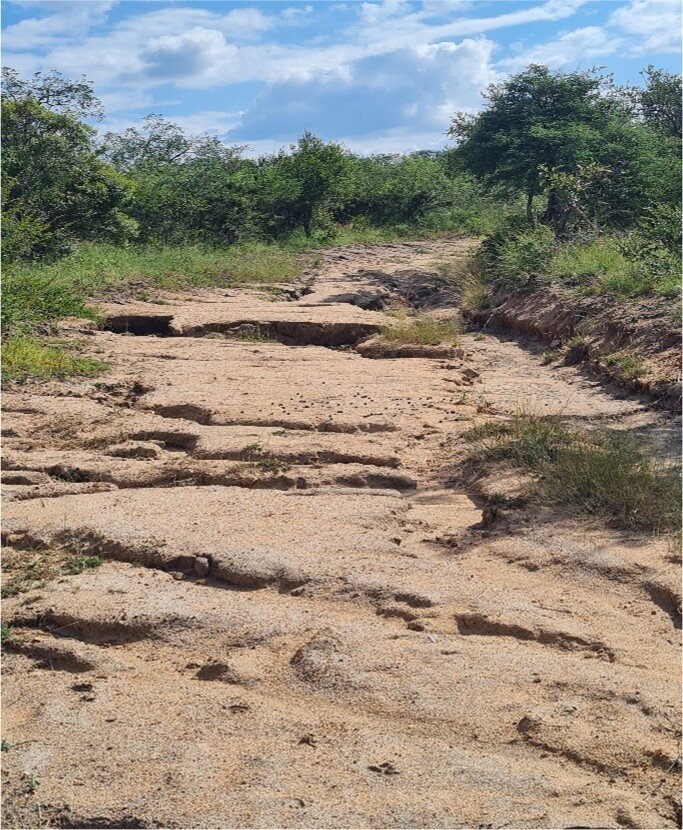
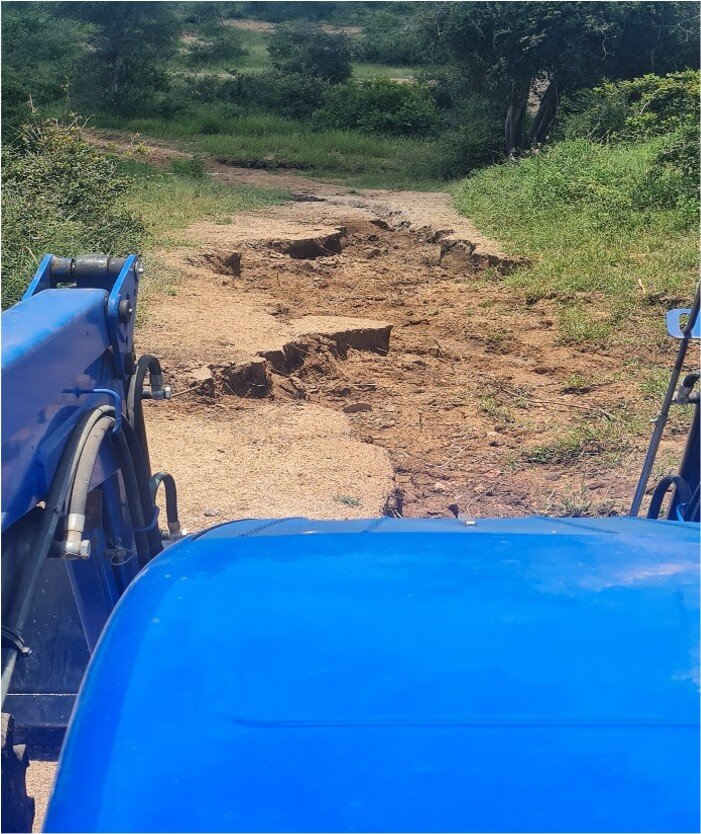
While rain is vital for the ecosystem, the heavy rains also caused extensive damage. Roads, vehicles, tractors and implements were affected by flood conditions, with equipment becoming stuck or damaged and maintenance costs increasing as a result.
The reserve team has repaired and graded more than 70 kilometres of roads so far, including sections where road maintenance had not taken place for a long time. There remains an estimated 80 kilometres of roadwork still to complete, including tracks and fence roads.
Protecting Water Quality and Wildlife Safety
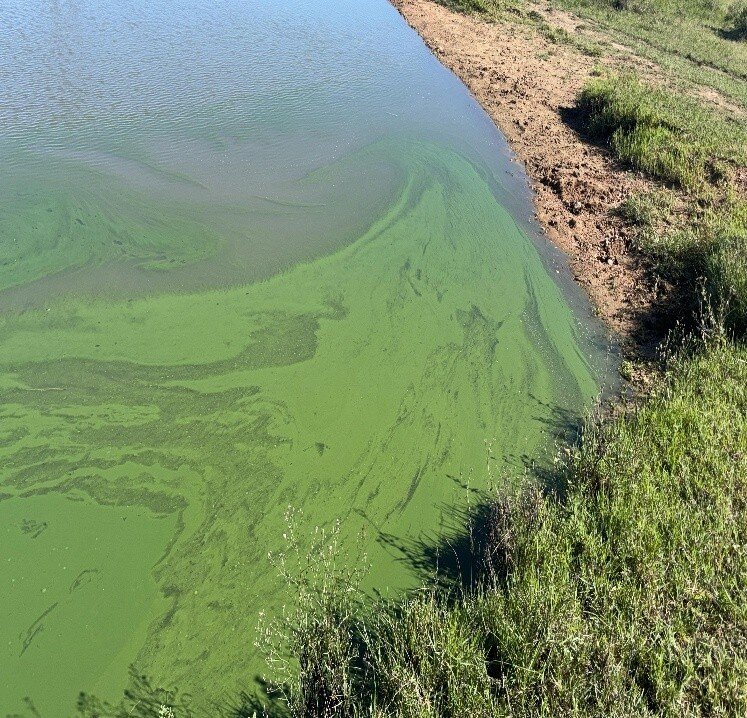
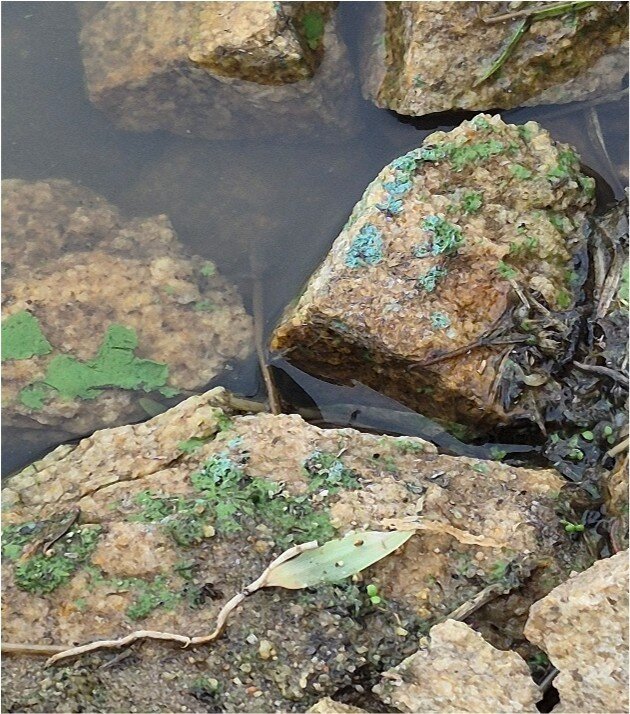
During this reporting period, the team responded to a blue-green algae outbreak in two of the reserve’s main dams. Blue-green algae, caused by cyanobacteria, can disrupt aquatic ecosystems and pose a risk to both animals and people.
As a precaution, the two affected dams were closed while test results were pending. Once confirmed, the team drained large sections of the dams, cleaned the affected areas and used aeration through a water pump and venturi system to support recovery.
The treatment has shown positive signs so far, with a decline in algae reported. Whiskey 1 dam has since been reopened, with Skelm dam expected to follow.
The water filtering plant has also been improved through the addition of a liquid soda ash dispenser, with dosing ratios monitored and adjusted weekly according to water turbidity.
Restoring Eroded Areas and Improving Water Flow
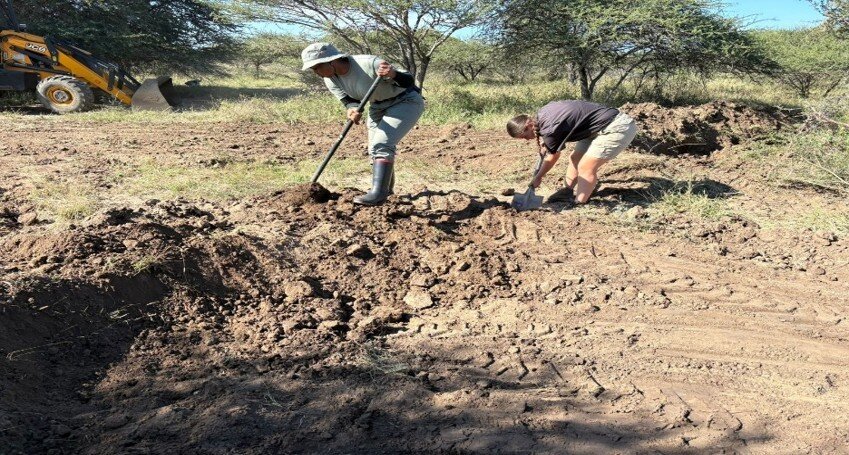
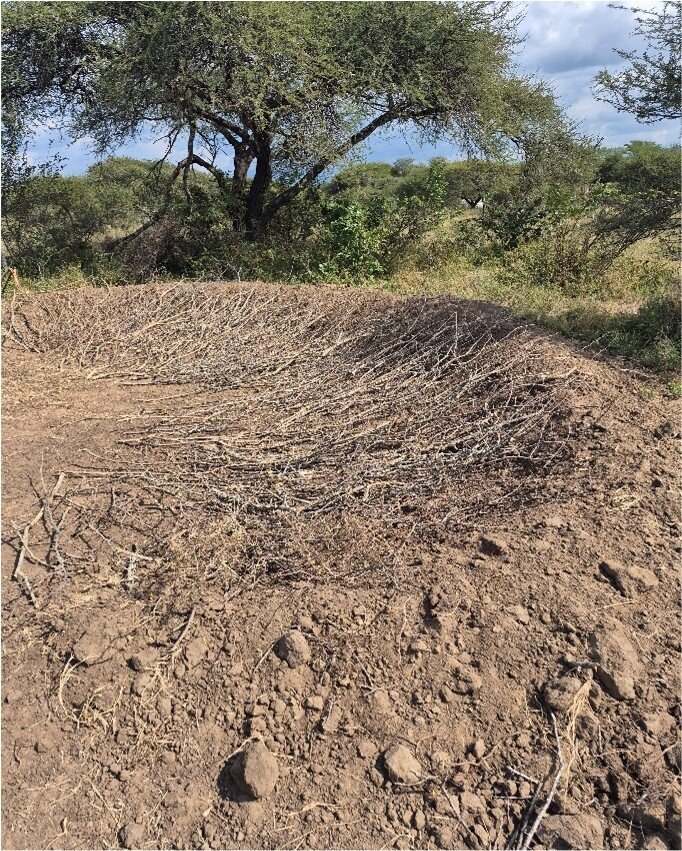
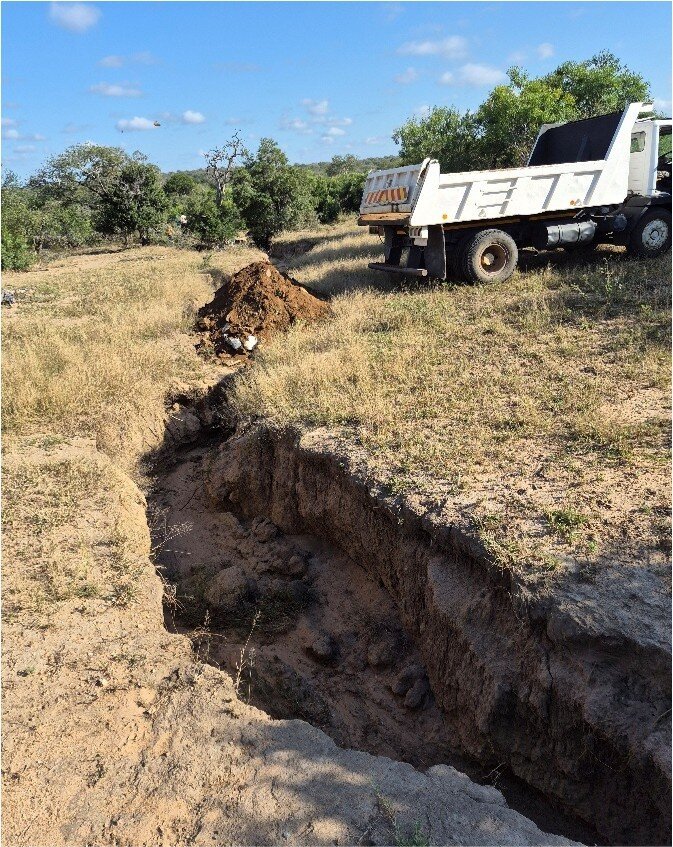
The team has continued hands-on land restoration work around the lodge’s eastern outer flank, where new hollows are being created within water catchment basins after landfilling the most eroded areas.
Elephant dung and old branches from elephant food have been placed into erosion gullies as part of this restoration work. The hollows are being brush-packed with sicklebush, and endemic grass seeds will be added after the first rains in September.
The team is also working to divert two water arterial catchment areas and build a water furrow for drainage from the rooms. This work included walking the water flowlines, using drone imagery to assess erosion and flowlines, and plotting the areas before marking them out on the ground.
This restoration work helps slow erosion, guide water more effectively through the landscape and support the long-term health of the reserve environment.
Supporting Conservation Students Through Practical Learning
HERD currently has three students from the New Bridge Graduate Institute based on the reserve for the year. Their learning has included practical exposure to the realities of conservation work, especially during the flooding period when they had to adapt quickly and assist in challenging field conditions.
The students support the reserve’s bokashi compost programme. Leftover food matter is layered and fermented for two months, then mixed with daily wetted elephant dung, turned and wetted daily, and later bagged as compost for use in HERD’s gardens and community programme garden.
They also work with an aquaponics system, which provides vegetables and herbs used by the lodge chefs. This practical education component strengthens the future of conservation by giving students direct experience in land care, composting, sustainable food systems and reserve management.
Growing and Protecting Bana Grass
The reserve’s bana grass plantings are looking extremely healthy, particularly in the eastern block, which the team could only access more recently because of flooding.
The team has also started making new cuttings for future plantings. Bana grass remains an important resource for the elephants, and the team continues to manage and protect the plantings as part of HERD’s broader reserve care and feeding support.
Thank You!
Your donations help HERD meet the daily challenges of restoring and caring for a living landscape. This includes repairing flood-damaged roads, protecting water resources, restoring degraded areas, supporting student training, and maintaining the natural systems that sustain the elephants.
This reporting period highlighted both the benefits and challenges of heavy rainfall. While water levels improved, infrastructure and equipment came under pressure. Thanks to donor support, HERD was able to respond quickly, protect critical resources, and continue driving restoration efforts across the reserve.
If you want to help us to further this work, please visit: Help Save The Elephants' Home every donation makes a difference!
Links:
Project reports on GlobalGiving are posted directly to globalgiving.org by Project Leaders as they are completed, generally every 3-4 months. To protect the integrity of these documents, GlobalGiving does not alter them; therefore you may find some language or formatting issues.
If you donate to this project or have donated to this project, you can receive an email when this project posts a report. You can also subscribe for reports without donating.



Support this important cause by creating a personalized fundraising page.
Start a Fundraiser