In the first few weeks of 2026, extreme rainfall and flooding across Limpopo Province have resulted in severe destruction of roads, bridges, and drainage systems, as well as to sanitation and power infrastructure. While national disaster status enables government response mechanisms, conservation NGOs such as HERD often fall outside primary relief funding streams. For HERD, infrastructure failure has immediate consequences for animal welfare, staff safety, and organisational viability.
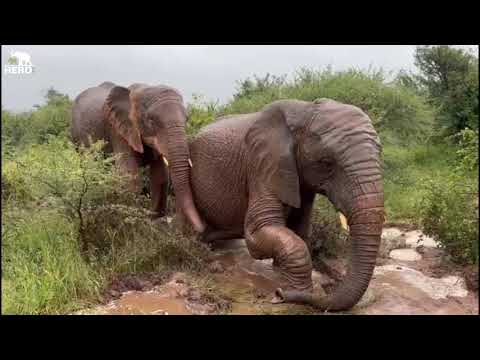
The heavy rains and flooding that swept across Limpopo in January 2026 have left a deep mark on communities, landscapes, and wildlife across the province. For HERD, the floods were not just a temporary disruption, but a serious test of our resilience. As the floodwaters recede, our focus has shifted from emergency response to long-term restoration, ensuring that the elephants, the land, and the people who care for them can recover fully and sustainably.
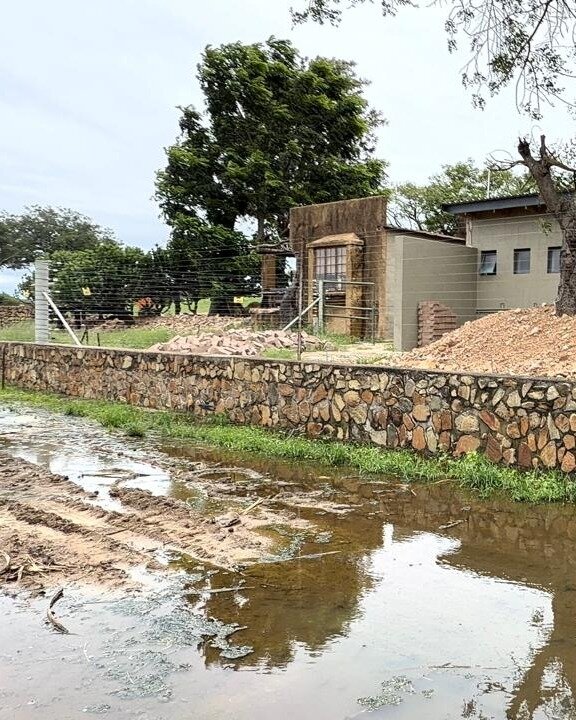
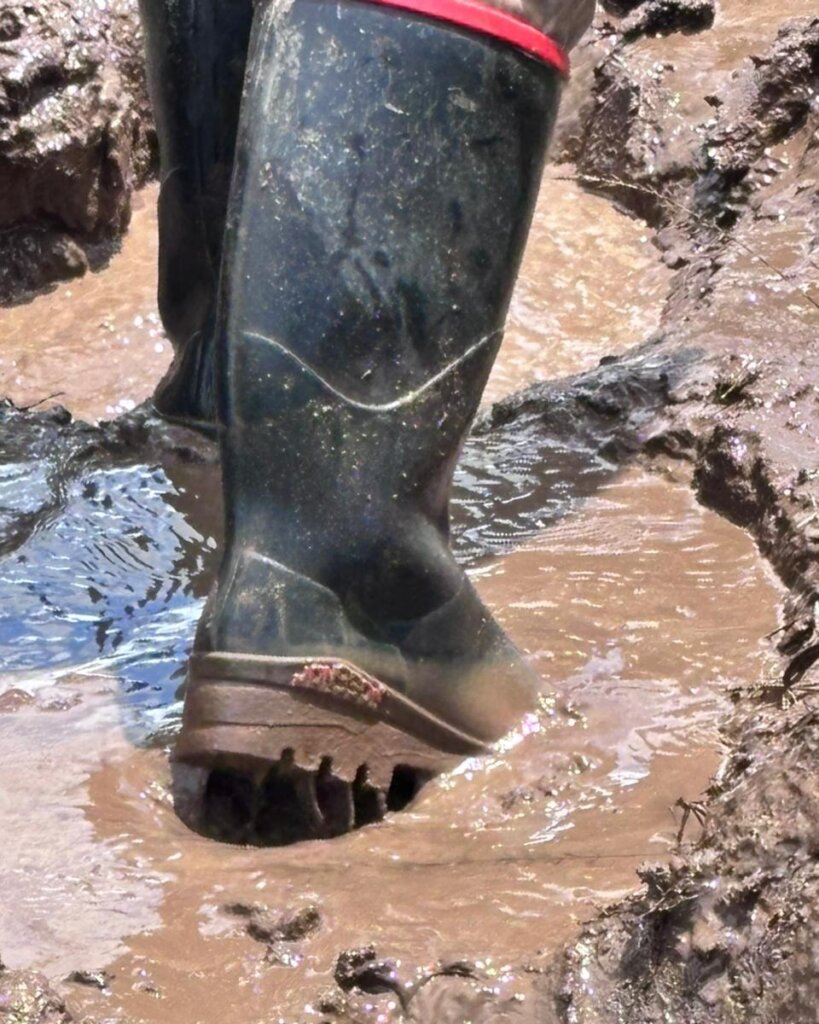
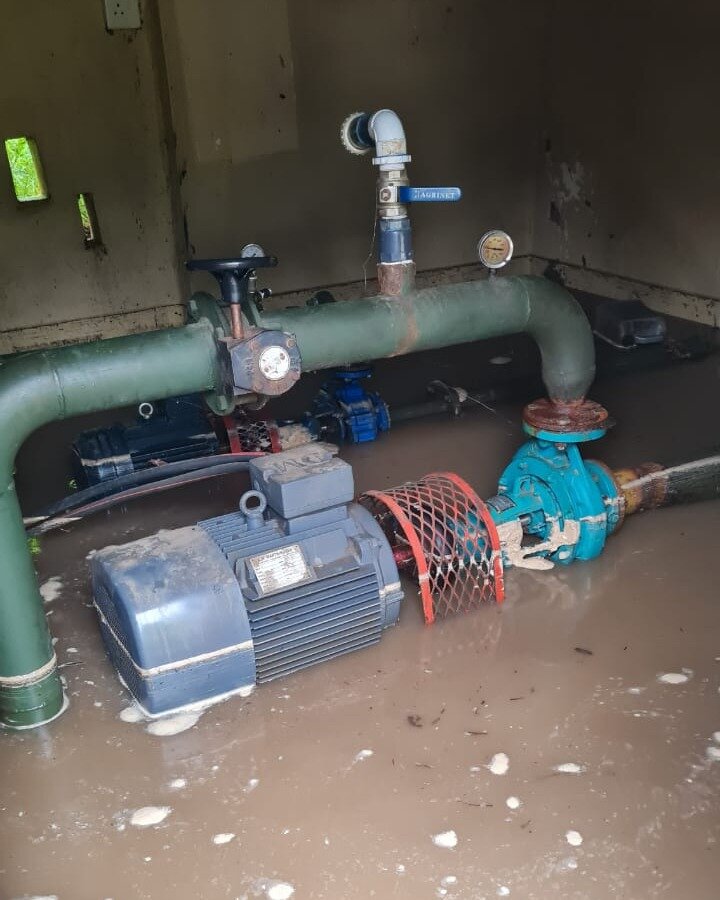
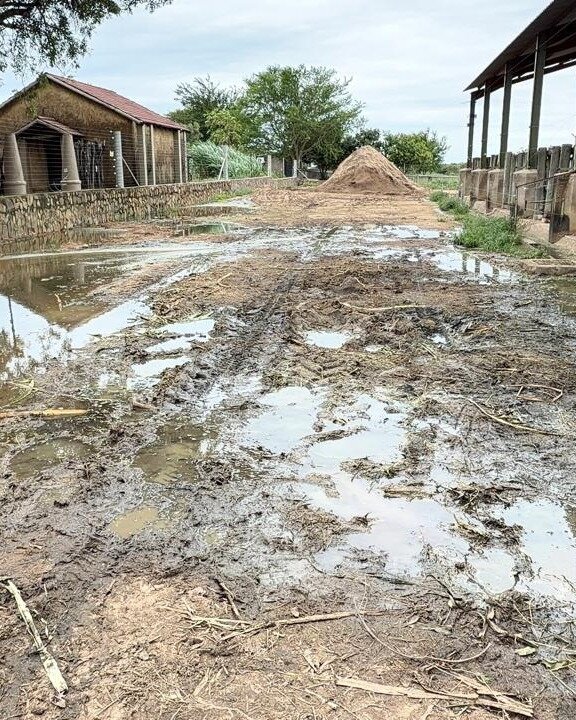
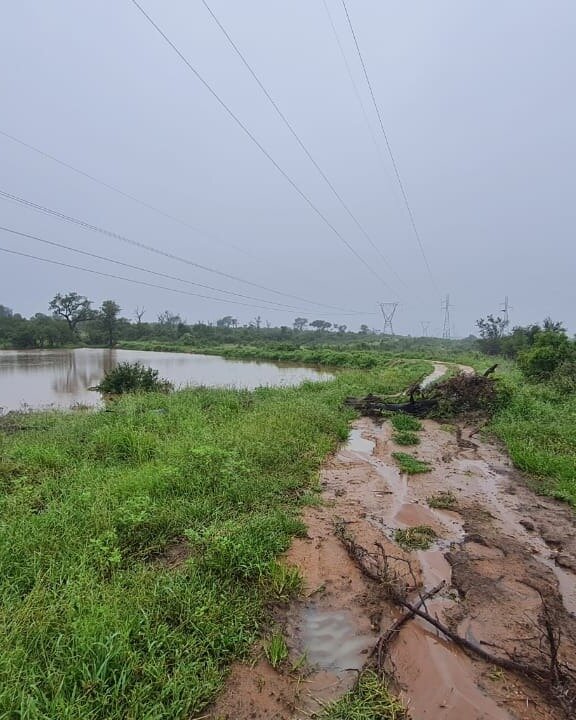
While we are grateful that our staff and elephants remain safe and healthy, the floods caused extensive damage across the HERD site, including severe erosion of access and internal roads that restricted the movement of staff, veterinarians, and supplies; damage to water systems, electrical infrastructure, fencing, and the elephant homestead; and flooding of staff accommodation and operational facilities. These disruptions created stress for the elephants and made daily care more complex, costly,
Because of their nature, elephants place significant pressure on the reserve land, making it our responsibility to protect, conserve, and restore the natural environment. Flooding strips the soil of nutrients, alters natural drainage, and damages vegetation. To address this, HERD is carefully monitoring the land to assess and repair erosion and habitat damage, support natural vegetation recovery through our hollows, enrich the soil with elephant dung compost, and prevent invasive species from ta



Support this important cause by creating a personalized fundraising page.
Start a Fundraiser